
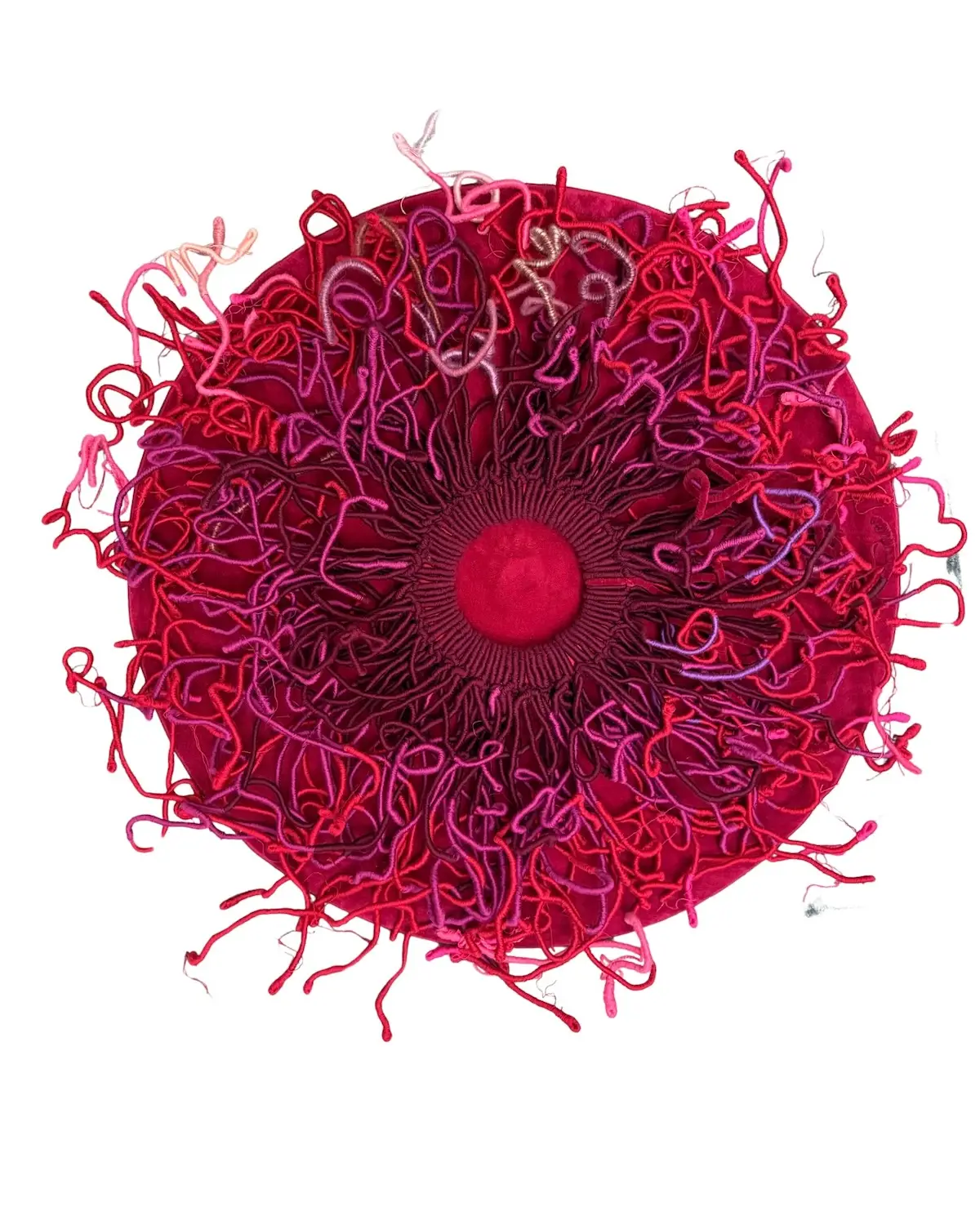
Sara Jot Jaskiewicz creates art that explores the feelings, memories, and stories we carry inside us. Working with textiles, fibers, light, and shadow, she turns her ideas into beautiful, sculptural works that invite us to look closer and feel more deeply. Her creative journey is guided by curiosity, intuition, and a love of discovering what happens when she lets the materials lead the way.
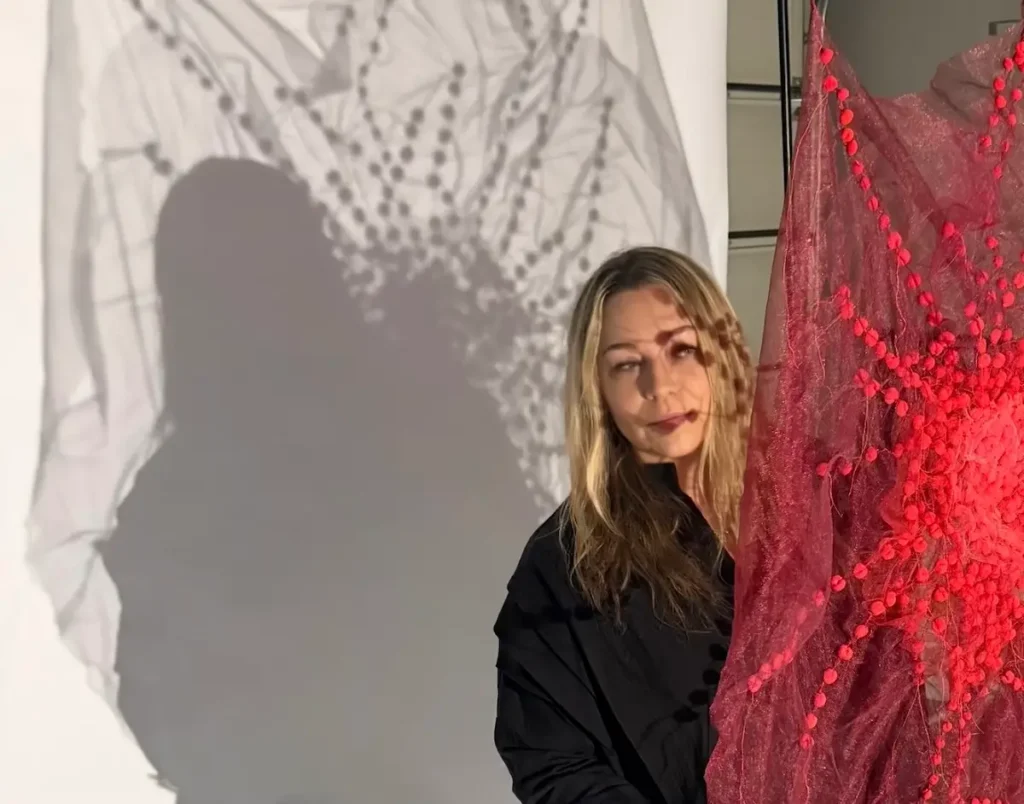
Do you remember when you first realized that making art was something you needed to do? What were you making as a child?
I can’t recall one specific moment when I realized that I wanted to pursue art. Creating things had been a natural part of my life for as long as I can remember.
Drawing captivated me much more than playing with other children. My work was often more advanced than that of my peers, who would frequently ask me to draw something for them.
I think that, from the very beginning, creating was simply the most natural way for me to spend my time. As a child, I copied illustrations, but I also made plasticine models and constructed entire worlds of my own.
As an Amazon Associate I earn from qualifying purchases. Read more about our affiliate linking policy.
You studied artistic weaving in school. What did you learn from working with textiles that still shows up in your art today?
I graduated from a five-year Fine Arts High School, where I specialised in artistic weaving. The programme covered a wide range of techniques, from tapestry and reproducing historical tapestries to working on looms. I also studied the origins of different fibres and their properties. Once I had mastered the technical foundations, I began developing my own projects.
An important experience for me was discovering the work presented at the Central Museum of Textiles in Łódź, Poland. It was there that I began to understand the vast possibilities of textiles and how far the medium could extend beyond the traditionally understood boundaries of craft.
Today, I rarely work directly with the techniques I learned back then. Instead, I am interested in exploring new forms of expression and experimenting with materials. However, the school gave me a solid foundation and, above all, introduced me to the world of fibres and opened my eyes to the potential of textiles as an artistic medium.
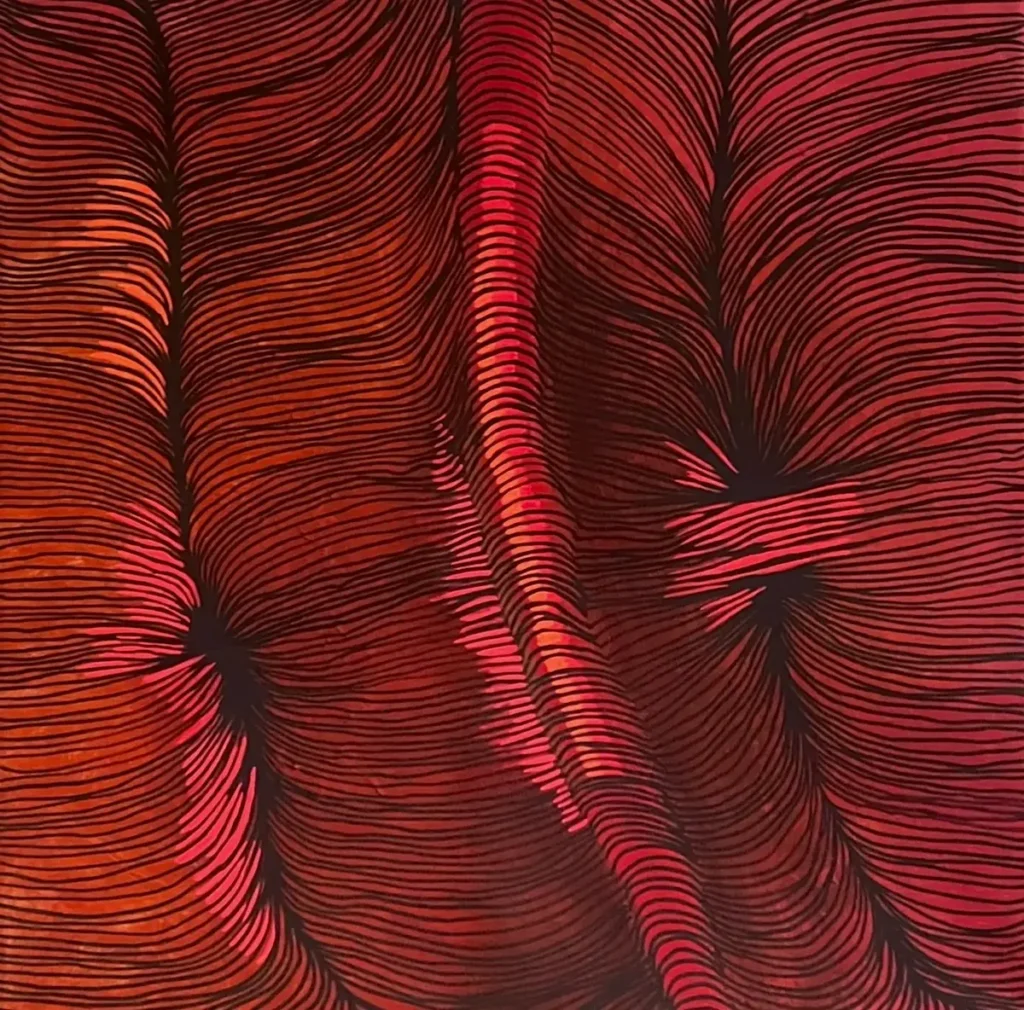
When you look at your early work today, what do you see that is still part of you? And what feels completely different?
My artistic practice is constantly evolving, as I am always searching for new forms and directions. For a long time, I focused exclusively on painting. When I look back at my earlier work, I can see how much has changed, yet I can also recognise a common thread running through it all. Sometimes, people tell me that despite these changes, it is still clear that all the works were created by the same person.
I find this interesting because I feel that I am a different person today than I was back then. And yet, perhaps there is something unchanging in the way I think and feel, something that runs through the different stages of my practice. It is difficult to define precisely, but I think of it as a kind of essence that remains constant, regardless of how much the form itself changes.
You have said that you don’t remember one moment when you “became” an artist because creating has always been part of your life. Do you think being an artist is something we learn, or something we discover about ourselves?
I believe that we are born with a certain kind of sensitivity. Not everything within us is acquired; some things are simply there, even before we are able to put them into words. In my view, the same applies to being an artist. Throughout our lives, we simply continue to develop this innate part of ourselves.
As I grow older, I have come to appreciate the creative process itself more and more. In the past, the final result was what mattered most to me. Today, the process has become something of a ritual, almost a mystery. There is something within it that cannot be fully planned or controlled.
I believe that throughout our lives, we are not only shaping ourselves but also gradually discovering what lies deeper within us. This ongoing process is what matters most to me in my artistic practice: the act of searching, observing, and paying attention to what unfolds between an initial idea and its realisation. It is no longer just about creating a particular artwork, but about the act of creation itself.
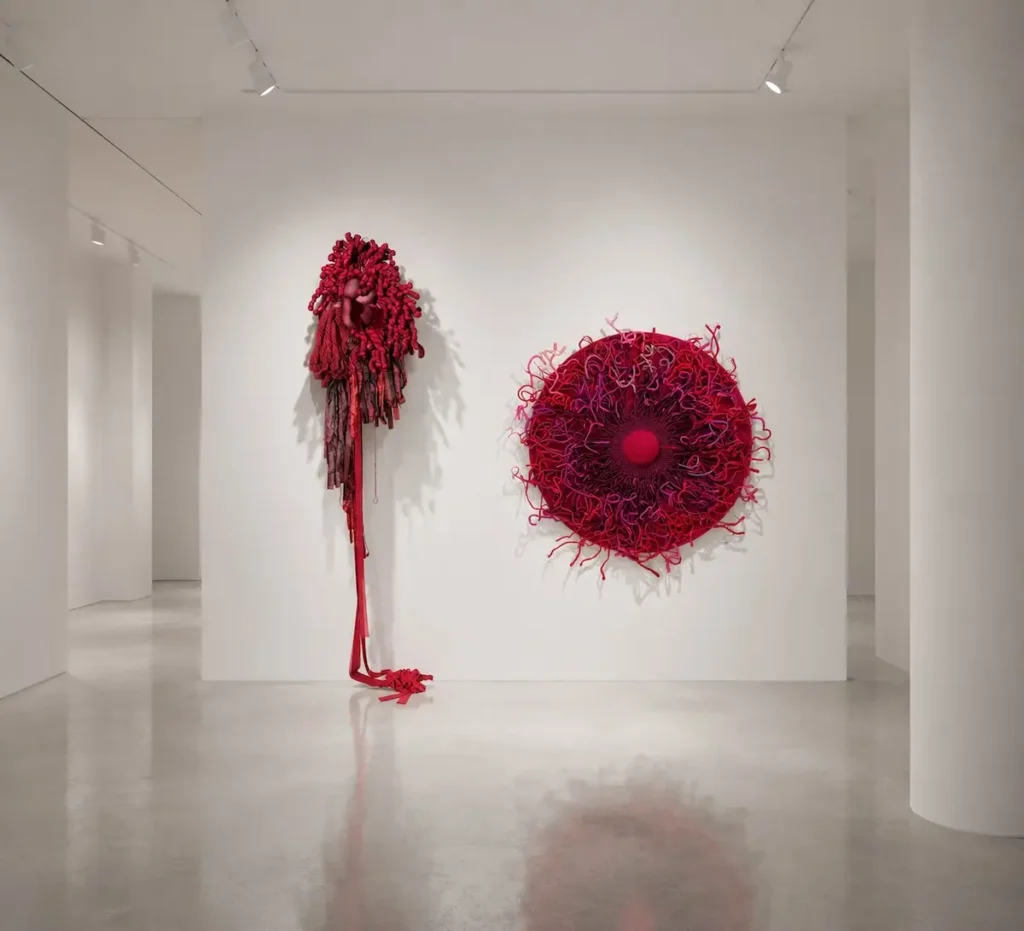
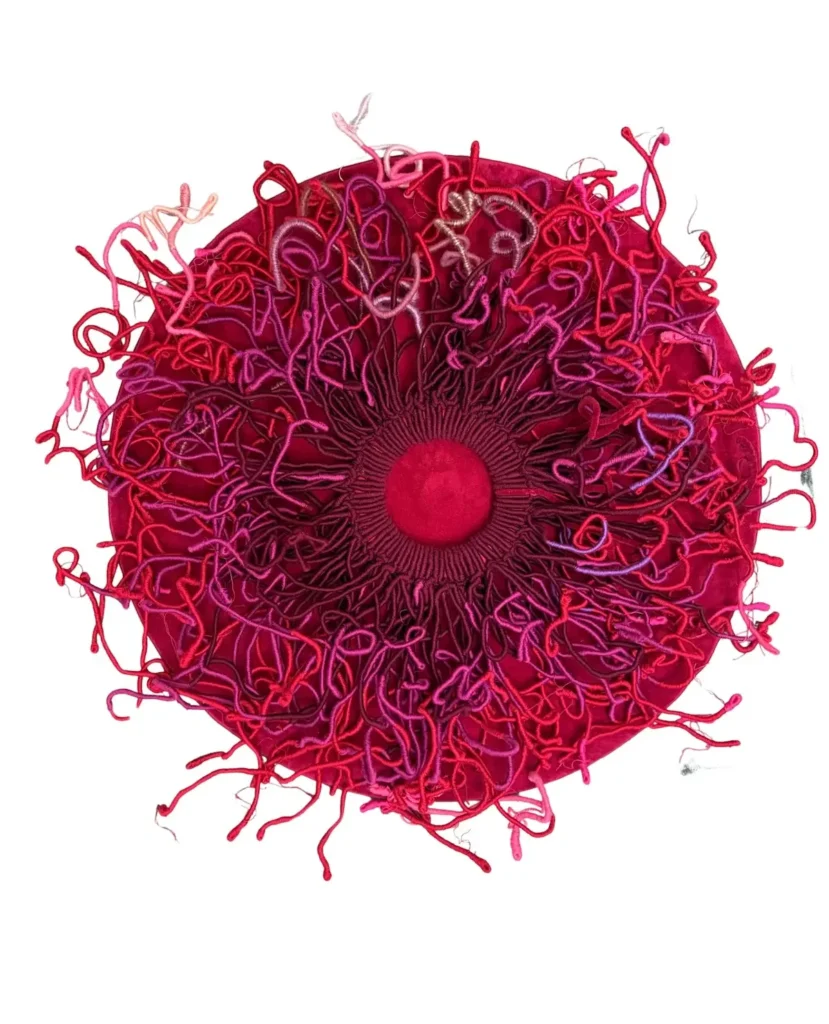
Much of your work seems to explore things we cannot easily see, such as emotions, memories, tension, and feelings in the body. Where do these ideas come from for you?
For me, art has to be felt viscerally. It should touch something within us that we cannot always put into words, much like emotions that we first experience in the body and only later try to understand. I am interested in this very space, where intuition and the unconscious meet material.
I believe that artistic practice allows us to access deeper layers of the psyche. Through my work, I bring underlying tensions to the surface and give them form. Rather than illustrating specific emotions, I try to transform them and translate them into the language of materials.
I see art as a form of communication that does not require words. Not everything needs to be explained or understood rationally. What interests me most is what can be felt before it becomes an object of interpretation. It is in this space that I see the true power of art.
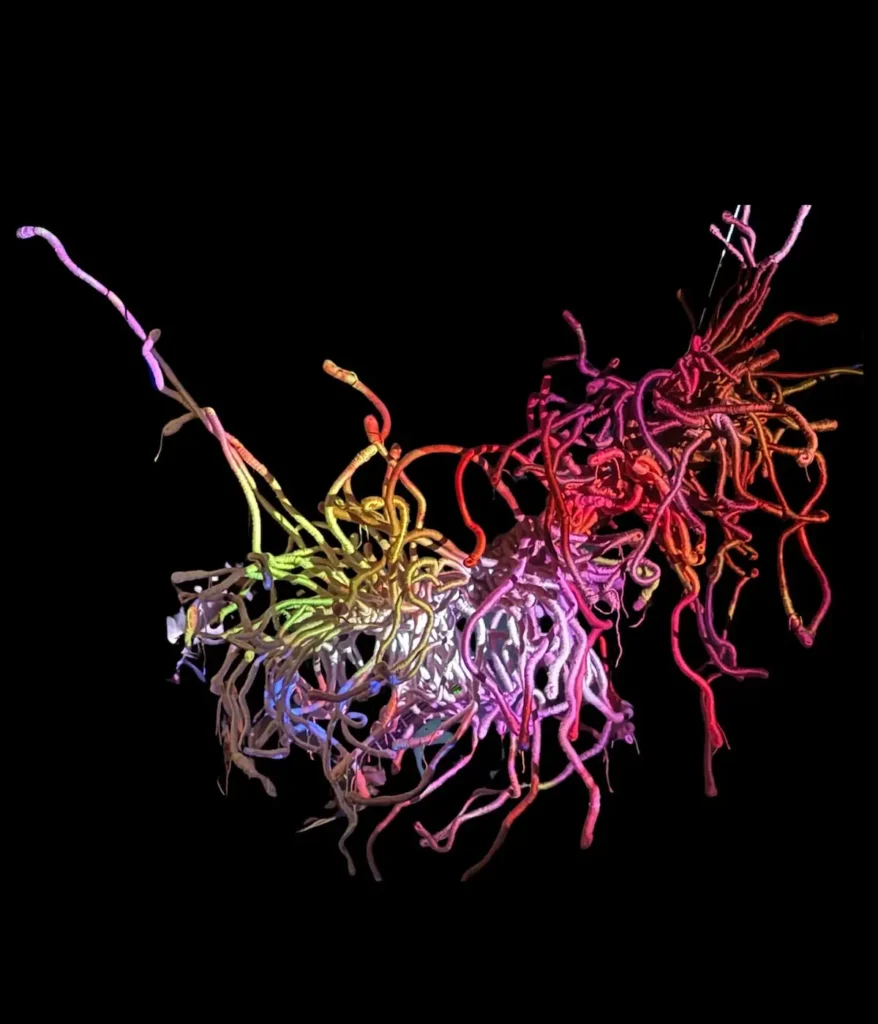
What does “somatic memory” mean to you? How can the body remember something even when we are not thinking about it?
The body can react to certain situations before we have time to understand what we are actually feeling. I am interested in the fact that our conscious awareness does not encompass all the processes taking place within us.
I believe that prolonged tension and emotions that are difficult to process can find their way into the body. These are precisely the areas I try to explore in my artistic practice. I interpret what remains unspoken, unconscious, and difficult to grasp. Through working with materials, I give form to sensations that do not always have a language of their own. It is not about literally recreating memories, but about searching for a form that can express what is felt.
For me, somatic memory consists of traces of experiences that remain in the body. It is an archive of tensions. Through my work, I try to reconstruct these tensions, perhaps allowing them to be released in the process.
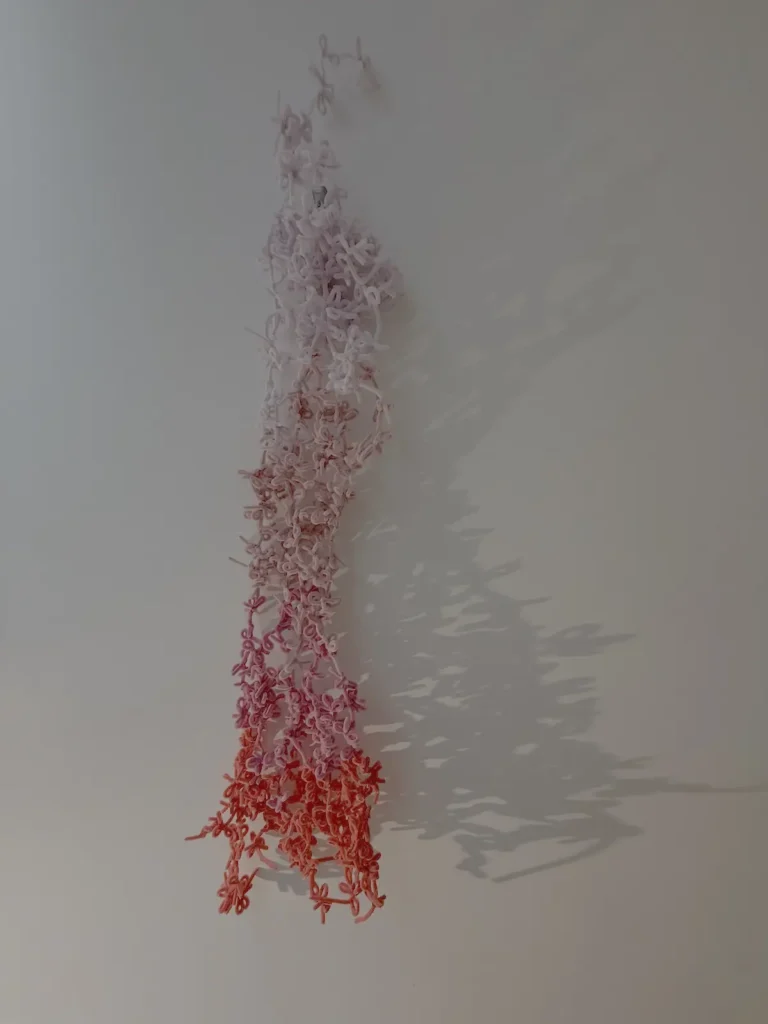
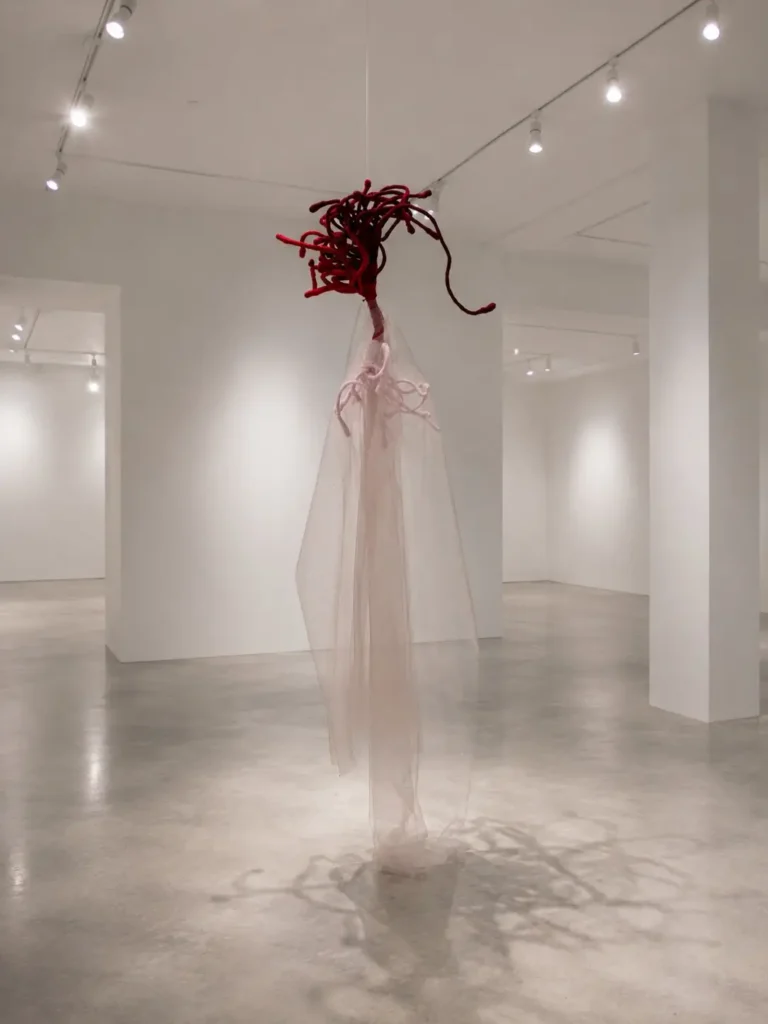
Red appears often in your work and can feel very powerful. What does the color red mean to you? Has that meaning changed over time?
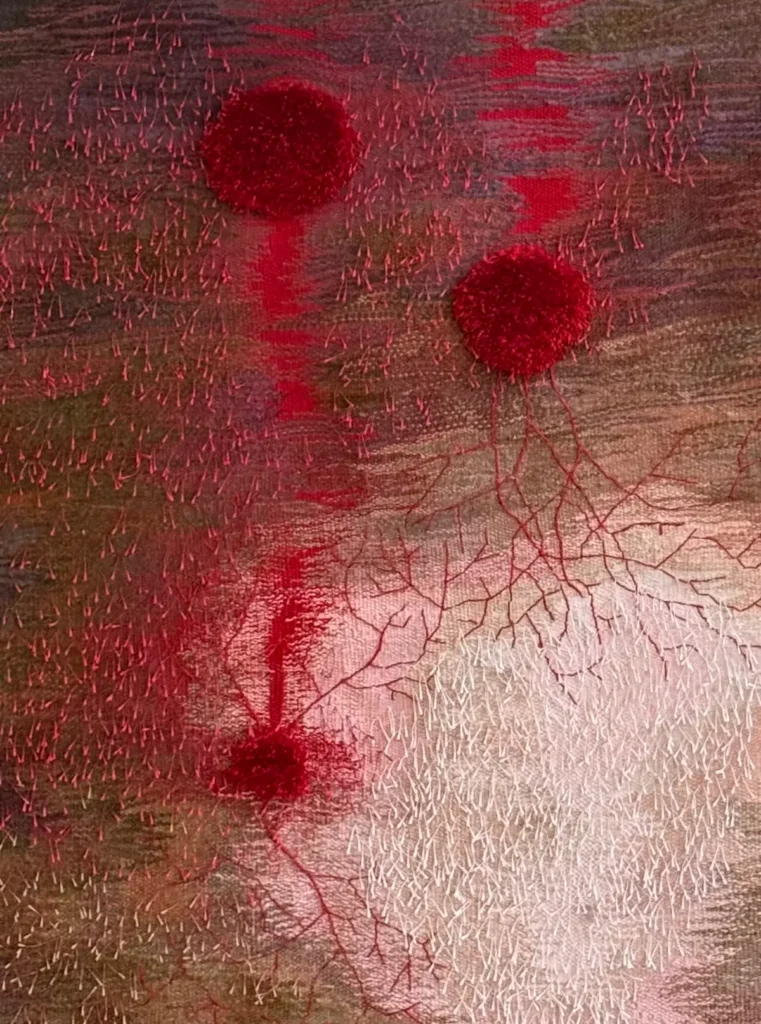
Red entered my artistic practice suddenly, without any conscious decision on my part. It simply began to emerge, and to this day, I find myself unable to distance myself from it. Perhaps it touches something primal, something deeply rooted in the unconscious.
My intuitive pursuit of this colour took on a new meaning two months ago, when I came across Carl Gustav Jung’s The Red Book. Although I had been fascinated by Jung’s ideas since my student years, red had begun to appear in my work two years before this discovery, entirely unexpectedly.
In The Red Book, Jung explores the confrontation with one’s own unconscious and the struggle to reconcile the discipline of the conscious Ego with the chaotic impulses of the unconscious, ultimately seeking to bring them into unity. When I discovered The Red Book, I began to wonder whether what was unfolding in my artistic practice might be part of the process of individuation described by Jung. I understand individuation as a gradual process of self-discovery, of reaching those regions of the psyche that are not always accessible to conscious awareness.
Jung, who drew heavily on alchemy, understood red (rubedo) as a symbol of the final stage of transformation: the synthesis of opposites and the emergence of the archetypal Self and psychological wholeness. This led me to investigate the origins and symbolism of red in alchemical traditions. The red binding of The Red Book evokes historical liturgical and alchemical manuscripts, reflecting Jung’s approach to his own psyche as something sacred. In alchemy, which Jung studied extensively and interpreted through a psychological lens, rubedo represents the phase of redness that signifies the completion of the transformative process.
“Et cum videritis rubeum supervenerit, tunc scitote quia opus est perfectum.”
Literally translated, these words mean: “And when you see that the redness has appeared, know then that the Work is accomplished [made perfect].” From Turba Philosophorum.
Perhaps the red that has emerged in my work is part of a similar process. I believe that an artist’s path is a journey of inner transformation and the discovery of unconscious worlds within oneself. In this sense, everything is mind, as Hermes Trismegistus, the legendary father of alchemy, declared.
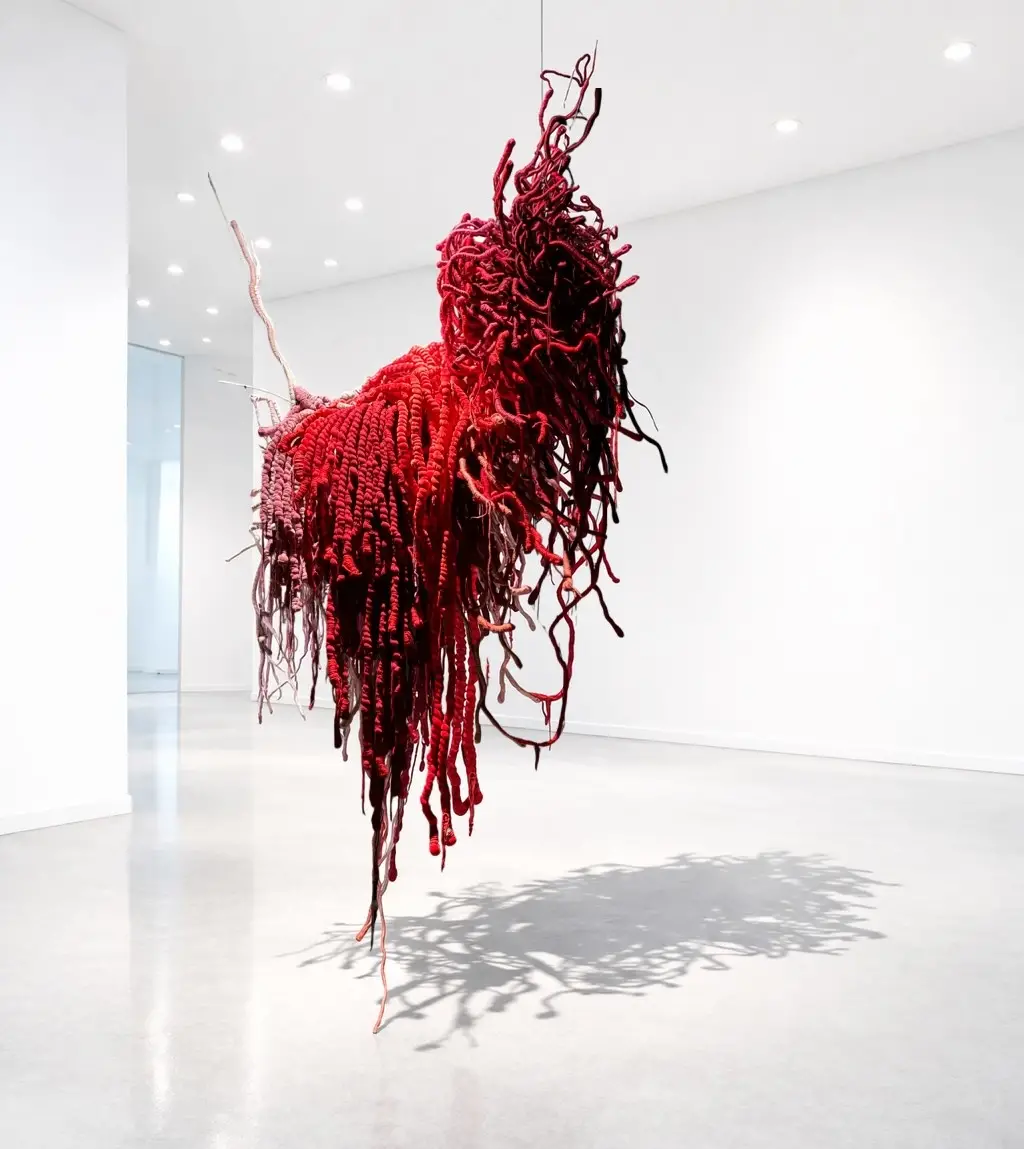
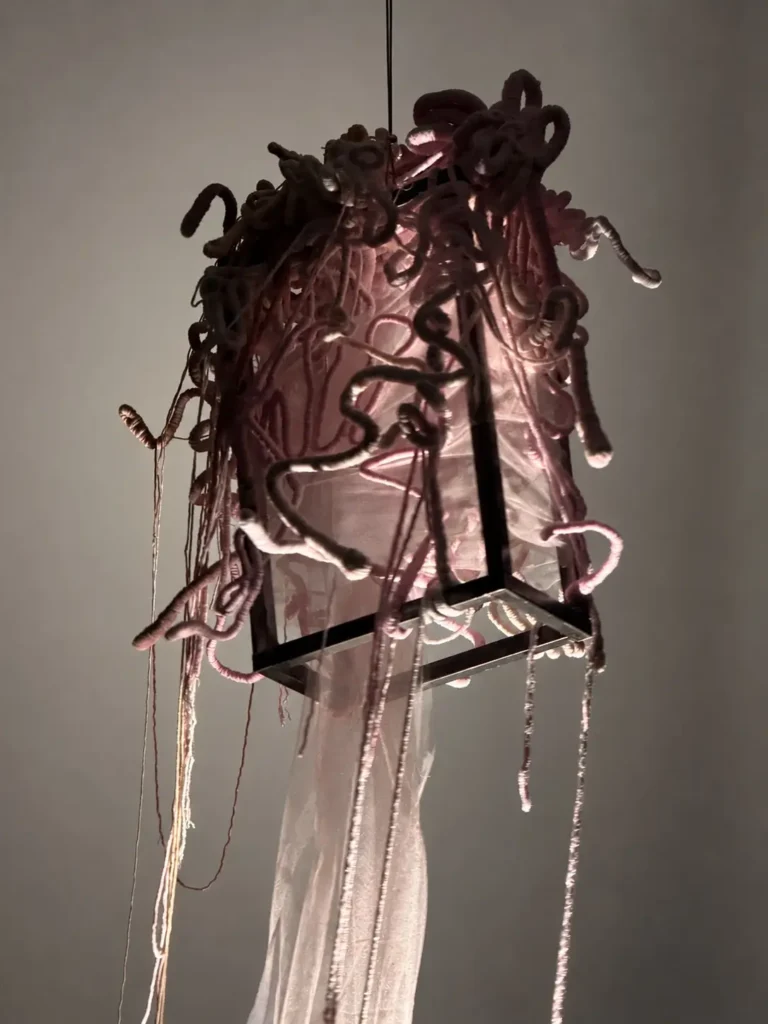
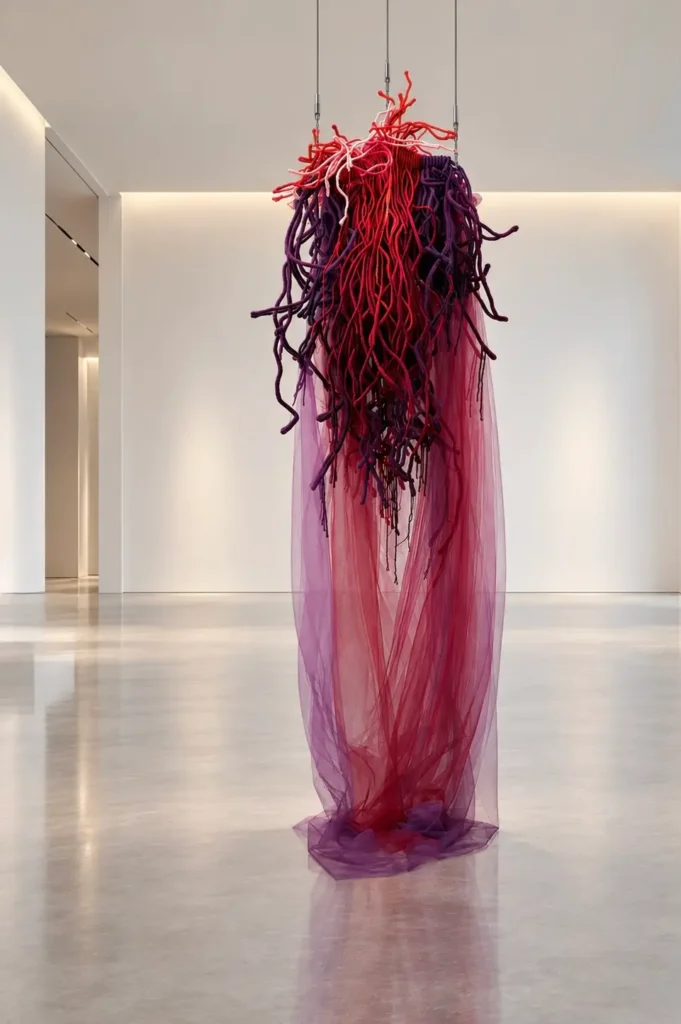
Do you ever begin making a piece without knowing what you are trying to say, and discover the meaning along the way?
I am at a point in my artistic journey where each new work becomes a continuation of the one that came before it. It is a kind of looping process: with every new piece, I find myself telling the same story all over again, trying to see it from a different perspective.
For me, creating means breaking things down into their fundamental elements and then bringing them together again, allowing a new work to emerge from this process. It is much like alchemy, where different ingredients are combined to produce a perfected substance — the literal meaning of Solve et coagula: “Dissolve and unite.”
I try to bring together form and colour, light and shadow, textures, density and transparency to create a work that expresses who I am.
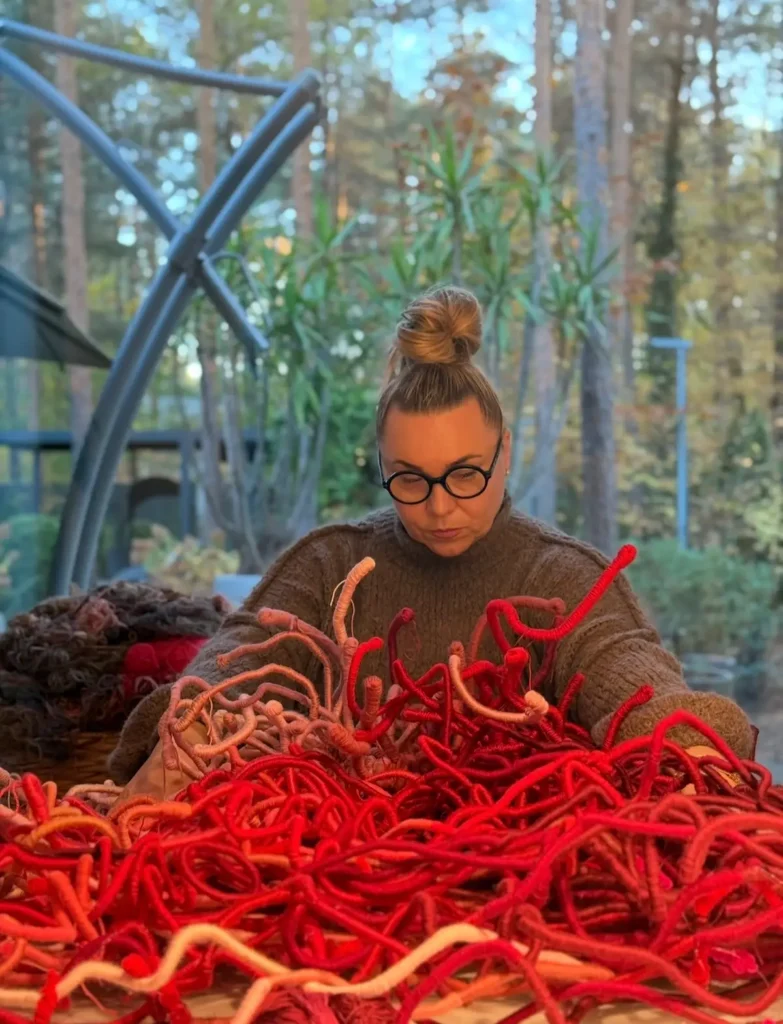
Describe your creative space.
My creative space is not confined to a single room. I work in different places throughout my home, which is nestled in the heart of the forest and surrounded by a garden. I begin each day by connecting with nature. Although I have my own studio, it is rather small, and I love changing my surroundings and having room to breathe.
I feel most inspired to create outdoors, in open spaces, so I often move my workspace into the garden. The confined walls of my studio impose too many limitations, whereas art needs the freedom to flourish without constraints.
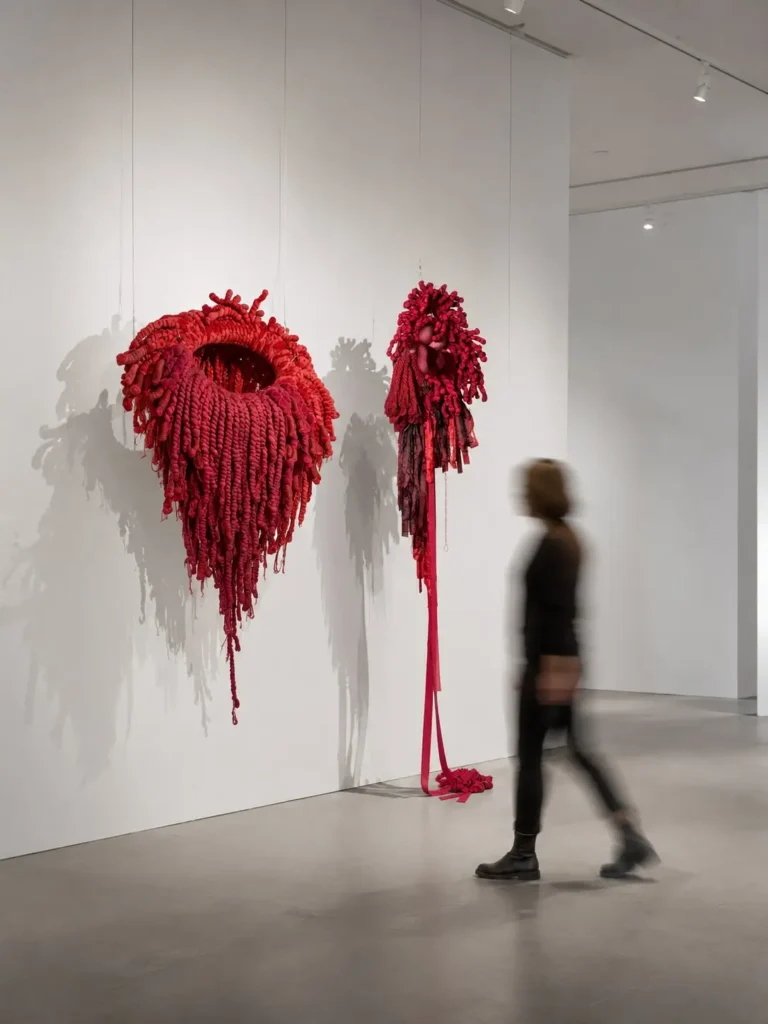
Is your studio very organized, wonderfully messy, or somewhere in between?
My studio is one of the rooms in my house. It is a space where I store my paintings and art materials. The table is usually covered with paints, palettes, and brushes. To an outside observer, this might look like chaos, but within this apparent disorder, I have my own inner sense of order.
An extremely important part of this space consists of objects I have collected over the years. They are an integral part of my surroundings and my personal history. Hidden away in drawers, they wait for the moments when I reach for them, deliberately evoking a sense of creative tension within myself.
My studio is my Jungian circle of safety — my temenos.
It is a space that belongs exclusively to me, separating me from external stimuli, pressure, and expectations.
Equally important are its physical qualities: the smell of paint, the texture of raw linen canvas, and the very presence of the materials themselves. Everything that surrounds me contributes to the context in which my creative process unfolds.
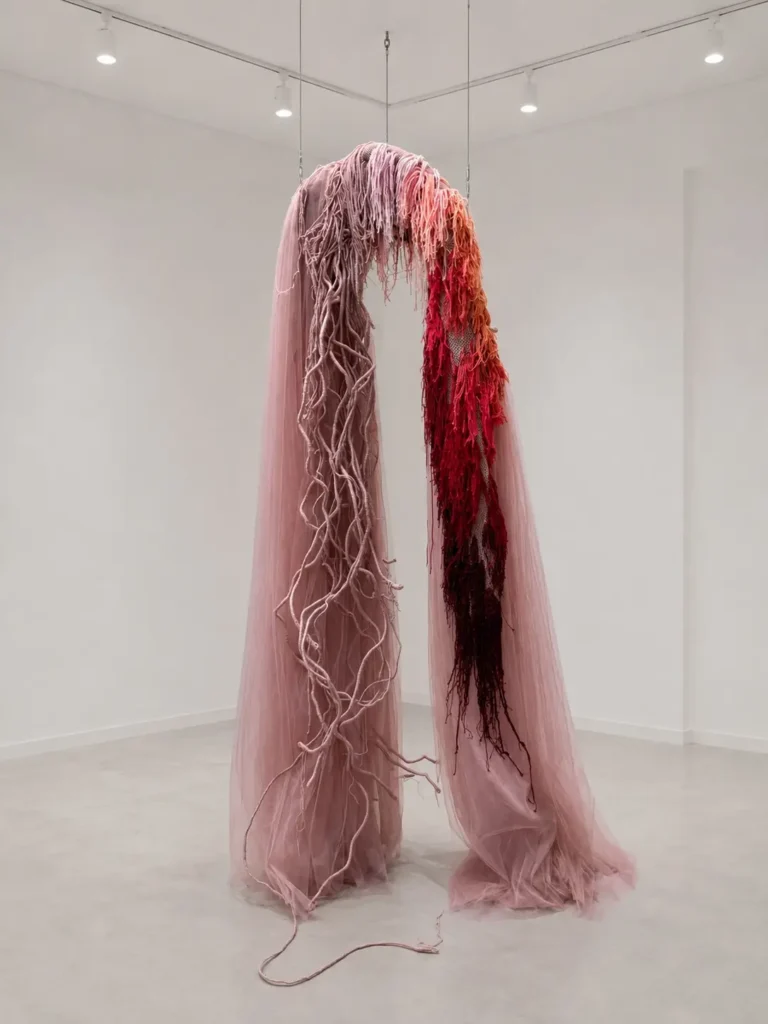
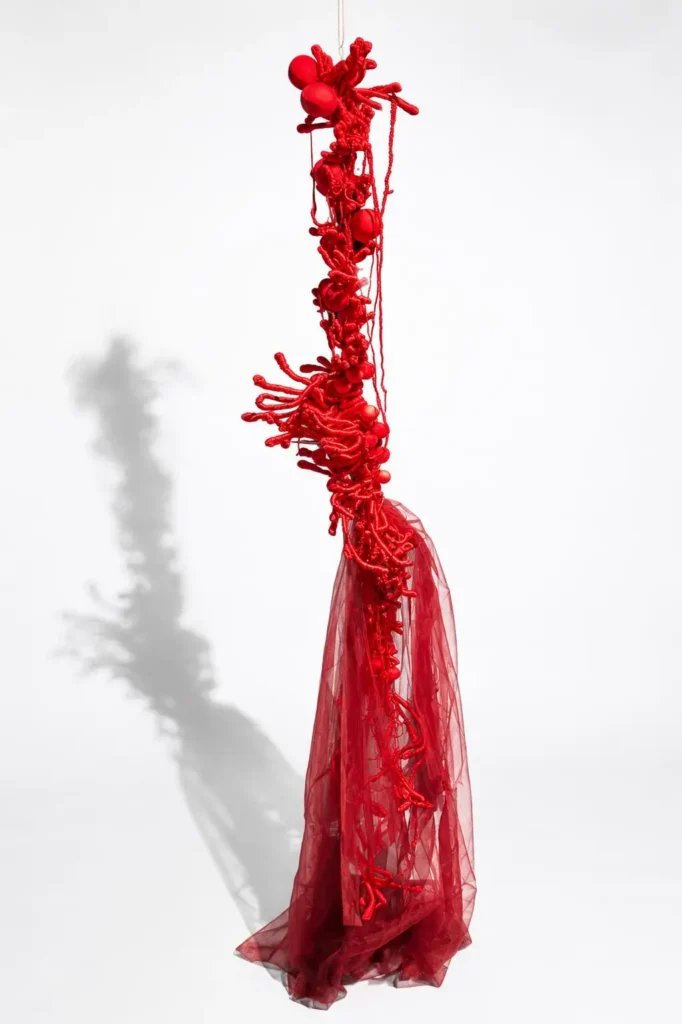
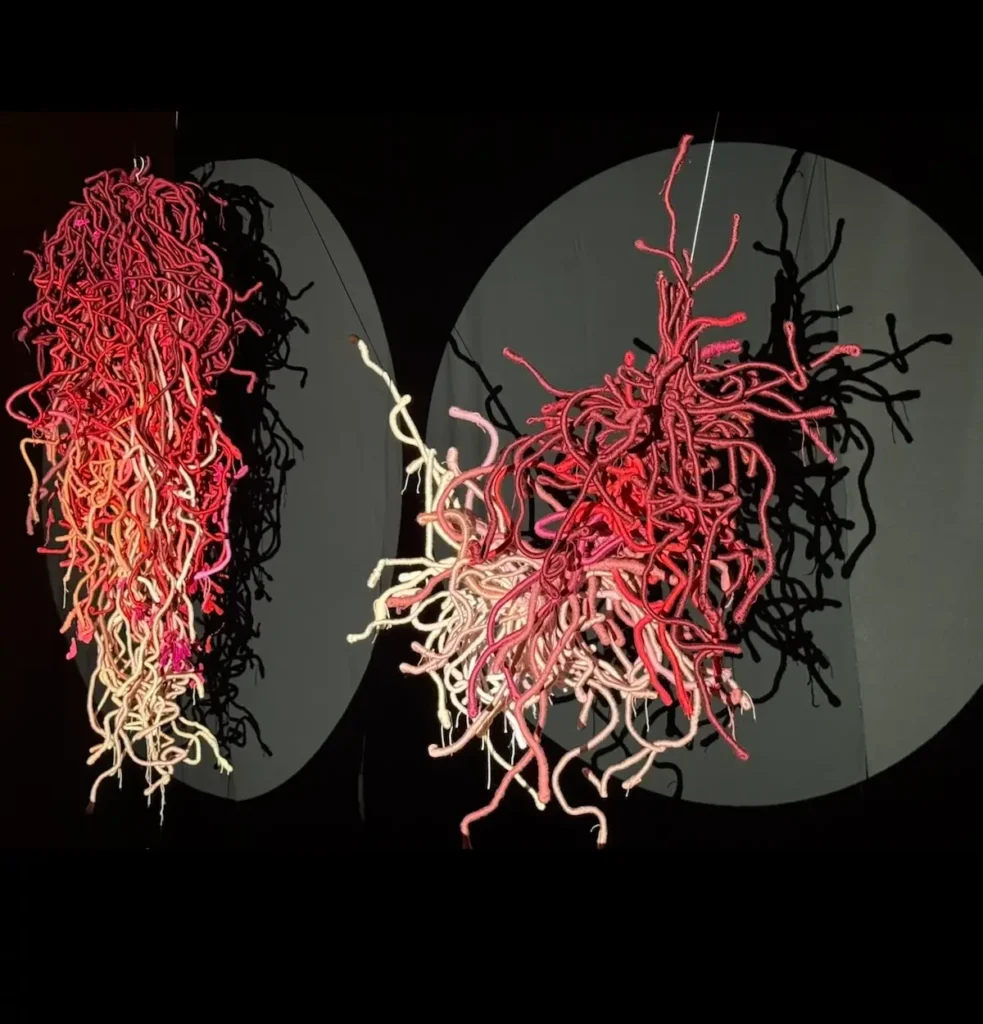
What is it about fabric and fiber that gives you something you cannot get from paint or another material?
Textiles are an exceptionally sensory medium for me. I am fascinated by the diversity of textures, the softness of fibres, and their malleability.
I also value the freedom that working with fibre offers me. I can take it with me anywhere and work on individual elements of a project in different places.
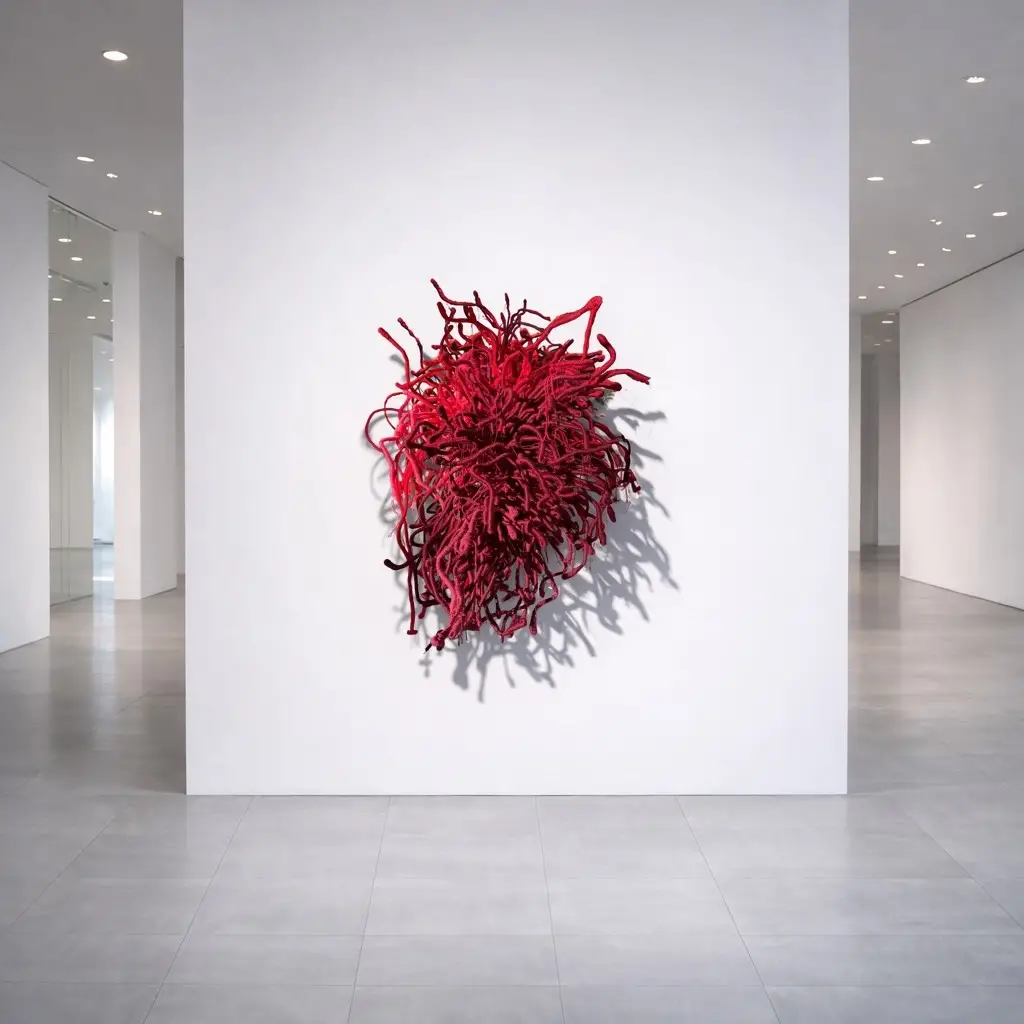
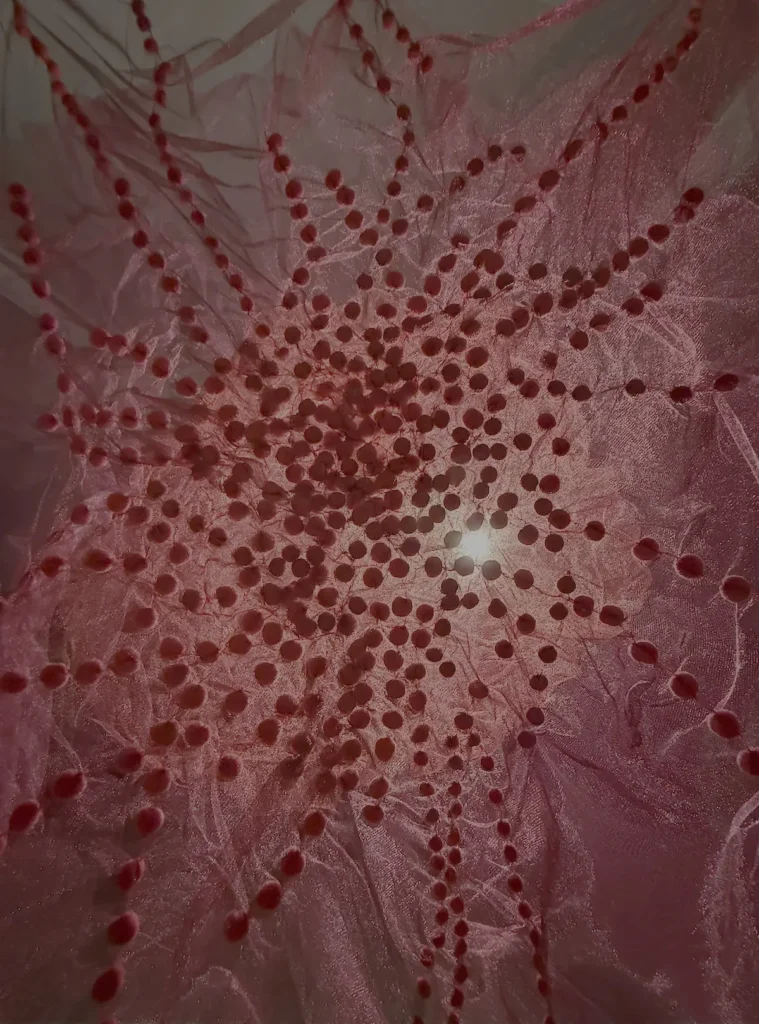
I am equally interested in the sculptural, three-dimensional qualities of textiles. My sculptures can be suspended in different ways, illuminated differently, and viewed from multiple perspectives. Depending on their location and how they are displayed, they can take on entirely different characters. They allow me to work not only with form, but also with light, shadow, and space. It is precisely this multidimensionality that makes textiles such a fascinating medium for me.
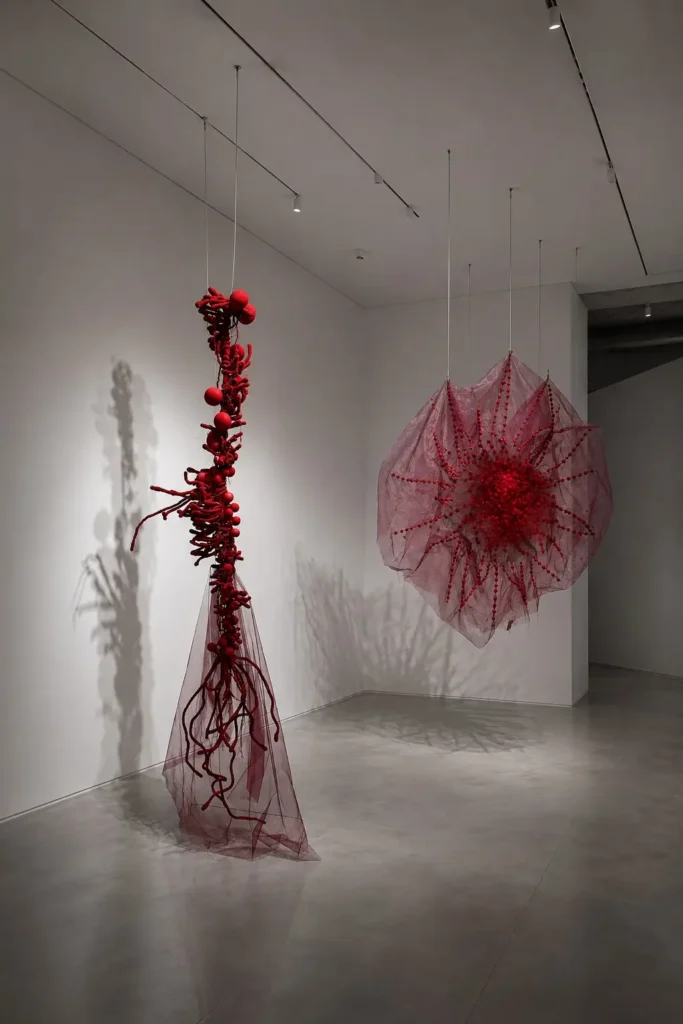
What happens when the material refuses to do what you want it to do? Do you fight it, change the idea, or follow where it leads?
I always follow the direction the material reveals to me, allowing the process to unfold organically. I do not struggle against it or try to impose my will upon it. Instead, I follow my thoughts and intuition, allowing the work to develop naturally. I do not waste energy trying to tame the material.
I am interested in fibre as a medium of artistic expression, one that exists in relation to the body, memory, painting, and installation. My primary concern is not technical mastery of the material. This does not mean that craftsmanship or the quality of execution are unimportant. However, technical perfection is not the main criterion guiding my artistic decisions. What matters most to me is finding the right means of expression — the medium through which the work can come into being.
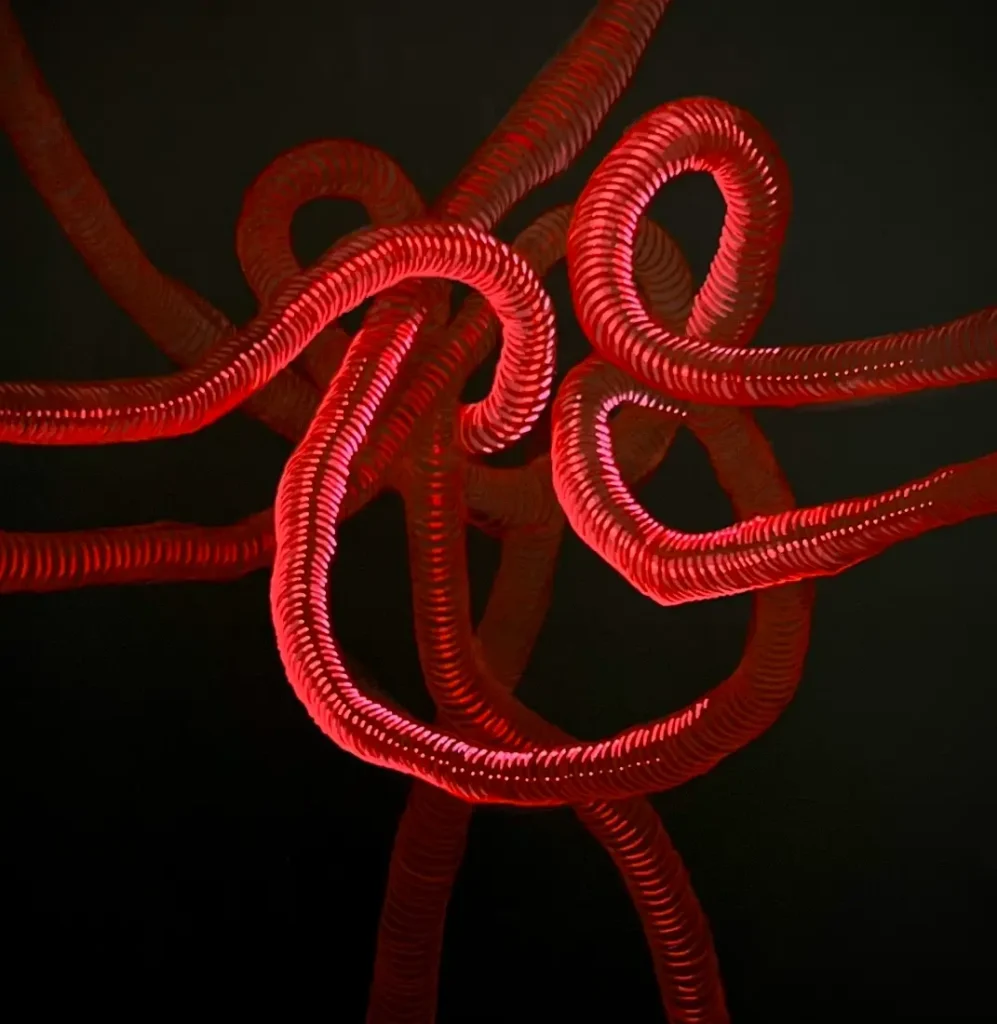
Your work can move between something flat and something almost sculptural. How do you decide whether an idea should become a painting, a textile piece, a sculpture, or an installation?
Everything I do emerges from within me naturally. Above all, I consider myself a sculptor, and sculpture is the form of artistic expression that draws me most strongly. Two-dimensional and three-dimensional forms belong to the same world; they complement one another and intertwine.
Installation brings my works to life. When light and shadow come into play, everything begins to pulsate, transform, and take on a new dimension. Through installation, I can continually reconfigure my objects, discover new relationships between them, and allow them to tell a different story each time. This is what fascinates me most: the creative process never truly ends.
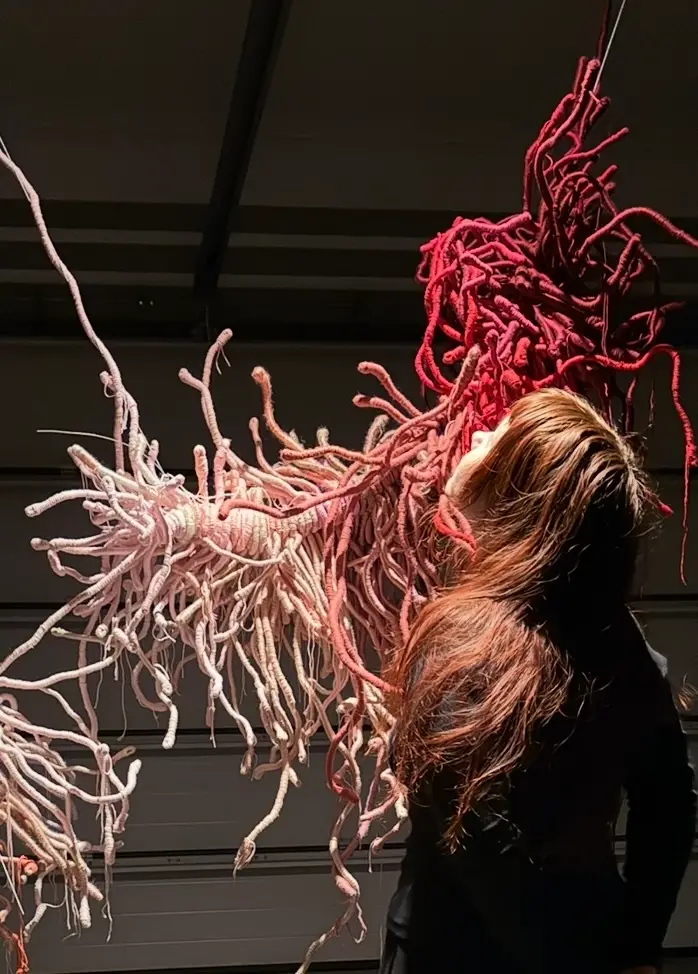
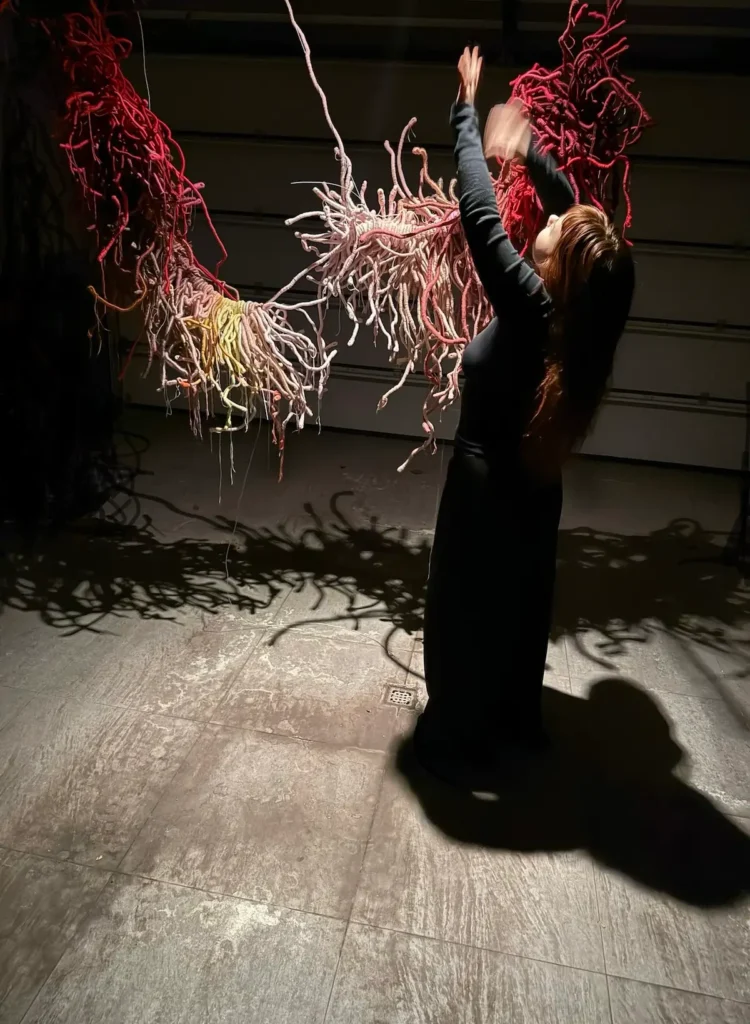
Your finished work can look carefully planned, but you also talk about intuition and unexpected changes. How much do you plan before you begin?
I make sketches, but in reality, I already have most things in my head. I begin with a certain vision of what I want to achieve, but if the work starts moving in a different direction than I had intended, I allow myself to change course. I do not cling rigidly to my original vision.
For me, this is the most fascinating aspect of art: the unknown. It is what drives me to create. Each work is a kind of journey in which not everything can be planned in advance.
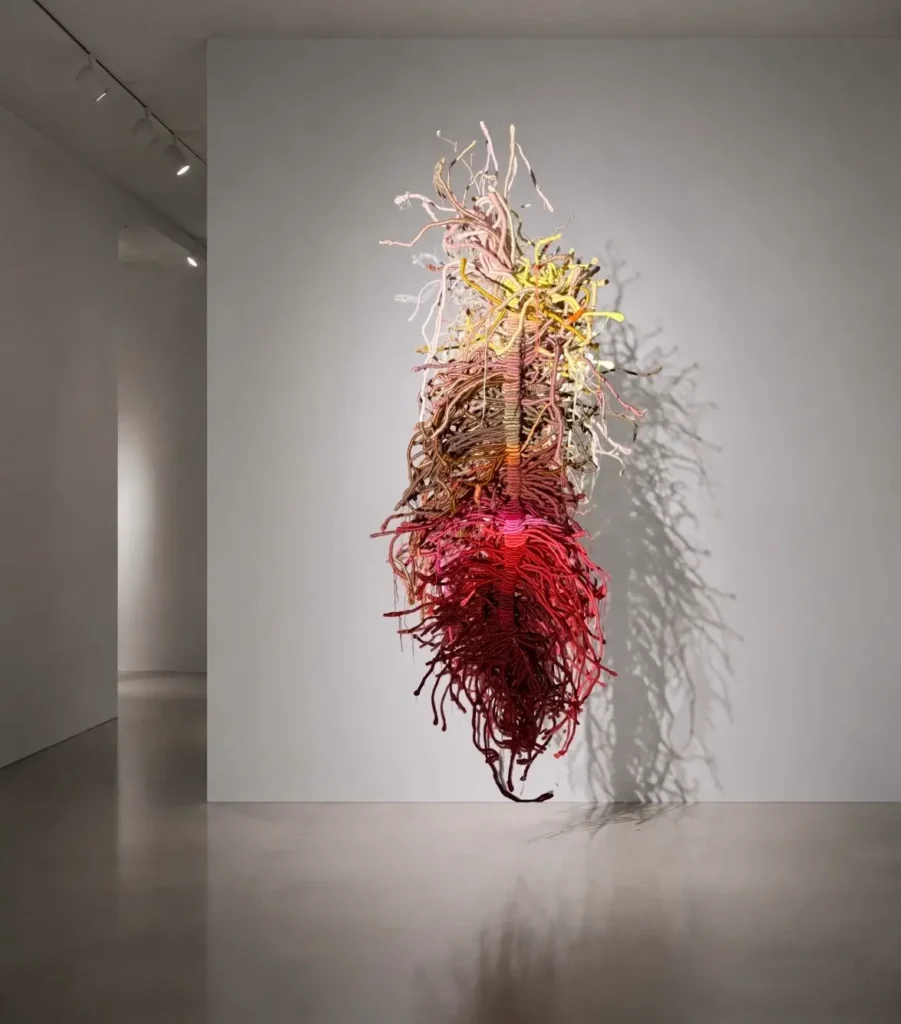
You have described ideas arriving almost like flashes. What do you do when an idea suddenly appears? Do you write it down, sketch it, photograph something, or simply hold it in your mind?
Ideas often come to me when I wake up early in the morning or when I’m driving. At these moments, my mind seems to shift to a different frequency.
I also often come across objects and immediately know that I need to use them in my work. Whenever I can, I make notes and sketches. There are so many ideas that I never have enough time to bring them all to life, and yet a constant stream of new ones keeps emerging.
I also take photographs of things that fascinate me. I photograph textures and light. Nature itself is my greatest and inexhaustible source of inspiration.
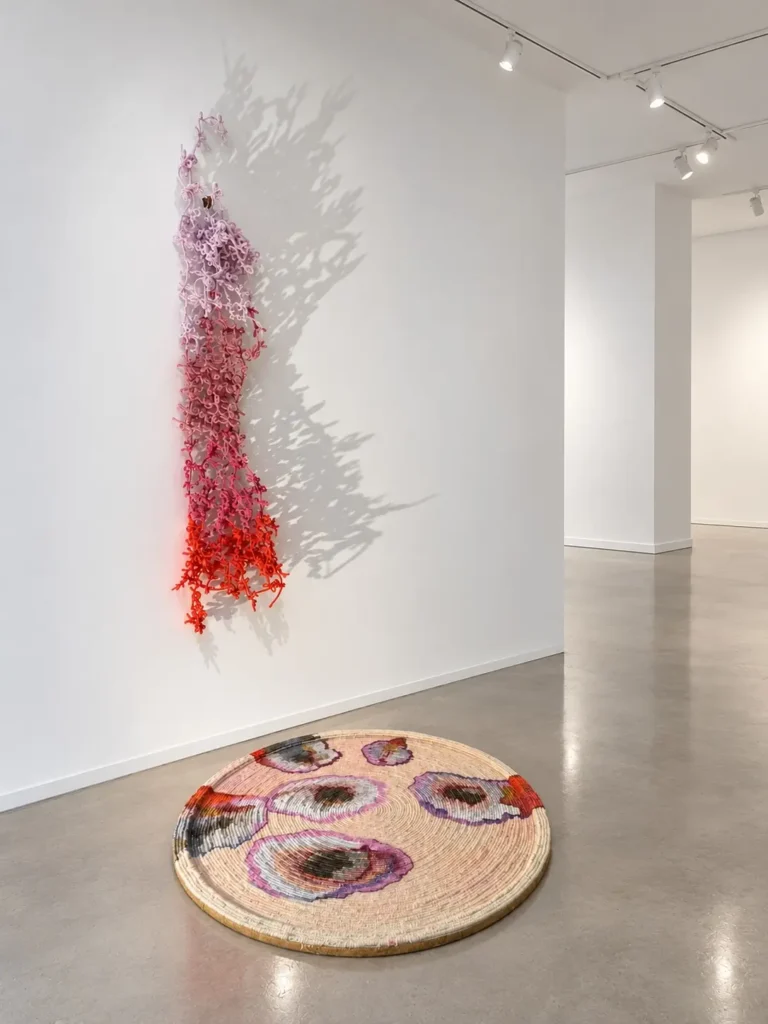
Can you walk us through one artwork from the very first idea to the finished piece? What changed along the way?
First, an idea emerges, and then I begin gathering materials. The materials themselves often inspire me along the way. From beginning to end, I remain immersed in a constant state of creative ferment.
I have a general outline, a concept of what the work should look like, but it always changes along the way. I work day after day. Sometimes, there is no visible result for several days, and then suddenly the elements begin to come together.
Hanging the work, adjusting its lighting, and viewing it from different perspectives is a wonderful experience. It is the moment when the sculpture begins to come alive and take on a life of its own.
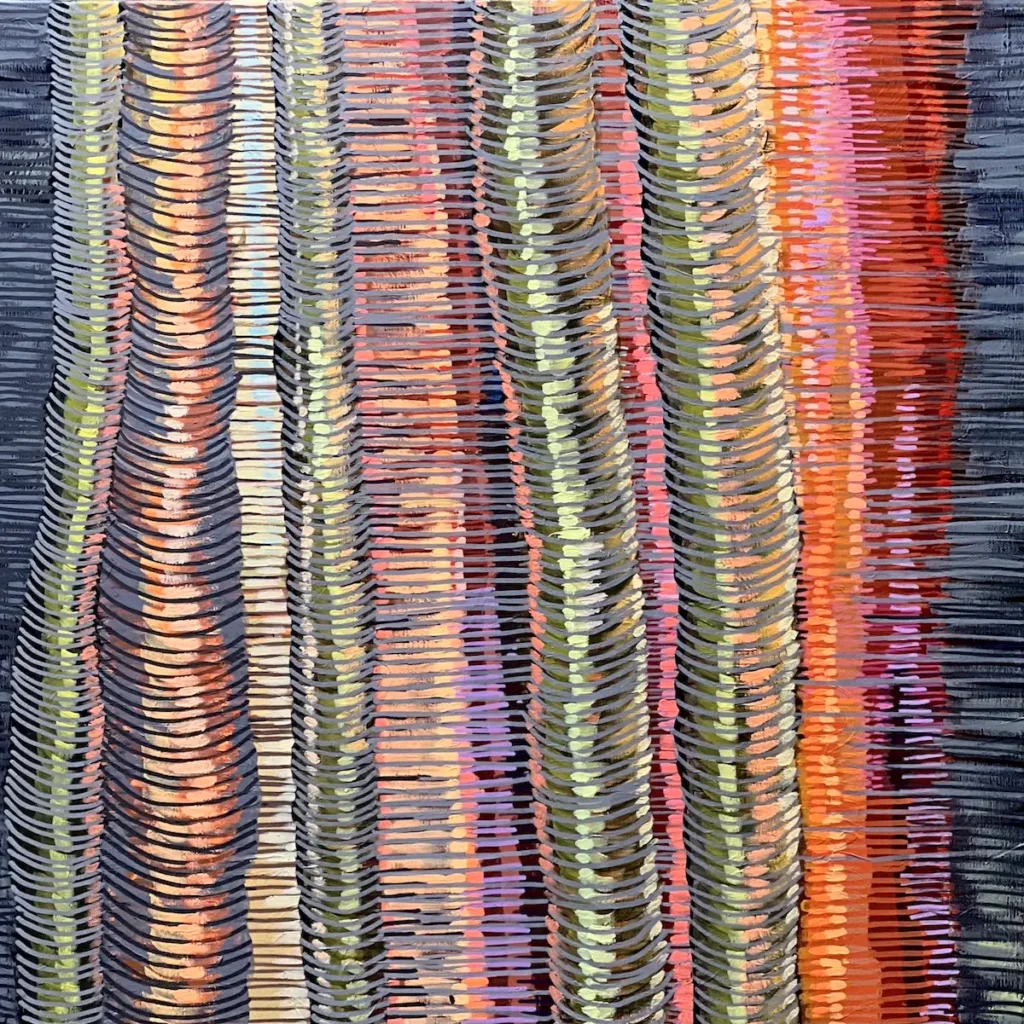
You have said that making can become a kind of meditation. What happens to your thoughts when you are deeply focused on creating?
Yes, creating is a form of meditation for me. When I become completely absorbed in my work, I enter what I experience as an alpha state and feel deeply relaxed. It is as though time stands still. I follow my intuition, allowing the process to unfold naturally.
This is what makes the creative process so fascinating and meaningful to me.
When do you know a piece is finished? Is there a clear moment when you think, “Yes, this is it”?
I believe that a work is never truly finished. Rather, there comes a moment when we can allow it to remain unfinished. I used to start paintings and return to them after some time because I couldn’t move forward. Intuitively, I knew that they had not yet reached their end.
Today, I understand that this process never really ends; it simply requires new iterations. Perhaps the art lies in not finishing, in leaving things unsaid and unresolved. Practice is the key to creating. The practice of living is the key to becoming a more complete artist.
Art is a continuous process of integrating what we experience with what we translate onto the canvas. Art and the process of becoming ourselves are one and the same story — a story that never truly ends.
Artists often go through quiet periods when they are not making much. How do you feel about those pauses now? Do you see them as part of the creative process?
Yes, I believe this is entirely natural. I myself took a ten-year break from my artistic practice, devoting that time to my children and family. I am an artist, but I am also a woman, and motherhood has made me feel more complete.
I believe we need to embrace everything that, on an intuitive level, we feel is necessary for us in life. The absence of physical artistic creation does not mean an absence of growth; rather, it is a time of gathering inner experiences that later become fuel for new work. Following our intuition is the key to authenticity in art.
At university, I had a professor who used to say that the creative process takes place everywhere and is constantly unfolding. When we finally enter the studio, we are simply visualising and giving physical form to these inner processes.
What advice would you give to a maker who has an idea in her head but is afraid she does not have the skills to make it?
I believe that courage and determination are essential to the creative process. You have to take the risk and discover for yourself what will emerge from it. Being an artist means constantly trying new things, sometimes making risky decisions, and embracing experimentation. Every unsuccessful attempt is a lesson that brings you closer to your goal.
It is also important to remain persistent and committed to your choices. Everything is difficult at the beginning, and only with time do the pieces begin to fall into place and form a coherent whole. That is why perseverance and consistency are so essential.
You simply have to keep working, continue learning and observing, and never give up when setbacks arise. Growth comes through practice, patience, and the willingness to keep moving forward, even when the outcome is uncertain.
Where can people see your work?
At the moment, I have several plans that have not yet been fully finalized.
In the near future, from November 17–30, I will be participating in a curated exhibition titled SMALL INFINITY at My Micro Gallery in Milan, Italy, curated by Stefania Carrozzini.
In the meantime, I regularly share my work on Instagram and on my website, where I warmly invite you to follow my artistic journey.
Instagram: @sarajotjaskiewicz
Website: www.sarajotjaskiewicz.com
Sketchbook or straight to the materials? It varies. Sometimes I start with sketches, while other times I go straight to working with materials. Both approaches are a natural part of my creative process.
A material you could work with forever? Textiles and fibres. They have a powerful sensory impact on me. I am fascinated by their textures, colours, and softness, as well as by the tactile experience of working with them. They are a medium that constantly stimulates my senses and imagination.
Something in nature that always catches your eye? Light. It transforms colours, brings out textures, and creates shadows. When it disappears, darkness takes its place. To me, light is nature’s greatest virtuoso.
What is always on your worktable? Scissors, pliers, a notebook, and a pencil. These are the tools I reach for both when working with materials and when jotting down ideas as they come to me.
What are you curious about right now? I am currently working on several projects in which I want to combine textiles with metal. I am fascinated by the encounter between opposites: softness and hardness, malleability and rigidity, delicacy and strength. I see these materials not only as artistic media, but also as carriers of certain tensions that resonate with the ideas of Carl Gustav Jung.
Jung’s concept of opposites is an inspiring point of reference for me.
The human psyche, in its striving towards integration, serves as a source of inspiration. I see this as a metaphor for the relationship between these two media. My aim is to create a material dialogue between opposites that may also reflect the inner processes taking place within the human being.
Interview posted November 2026
Explore more inspiring interviews on Create Whimsy.