
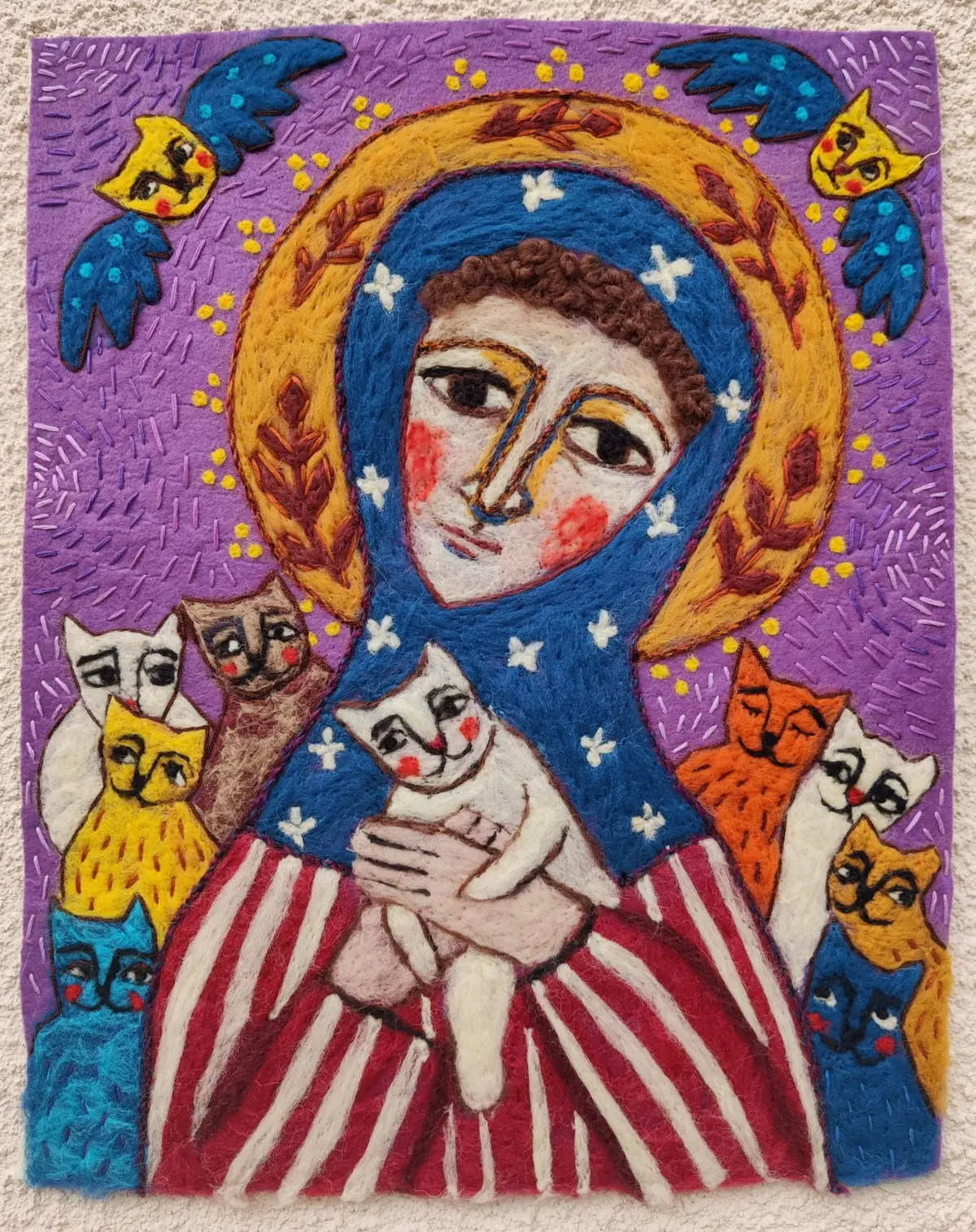
Evgeniia Strashko brings her imagination to life with wool, thread, and a love of nature. Her colorful felted animals and textile art blend folk art, embroidery, and spiritual imagery, giving each piece its own personality. Inspired by the world around her, Evgeniia turns simple materials into art filled with warmth, wonder, and meaning.
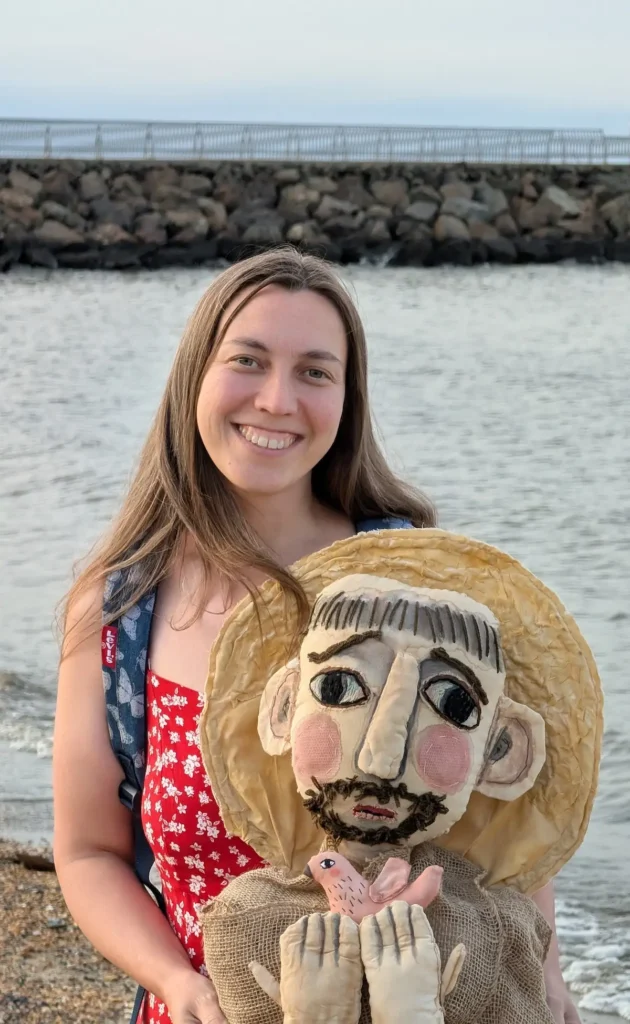
Can you tell us a little about your creative background? What first drew you to making things with your hands?
I’ve always wanted to see the things I imagine become real objects. I like being able to hold them, put them in my home, and make the space around me more interesting.
I tried all sorts of things before I found wool: painting furniture with acrylics, a little batik, a little stained glass. Eventually I wanted to work with something more tactile, and that led me to felting.
Was there a particular moment when making art became more than a hobby and started to feel like something you needed to do?
As an Amazon Associate I earn from qualifying purchases. Read more about our affiliate linking policy.
For me, it was wool sculpture. I discovered needle-felted figures and dolls, and suddenly there was this whole world I wanted to try. Later I began making custom dolls. That’s when art stopped feeling like just another hobby.
How did the name Shersheladoll come about? What does it mean to you, and how does it connect to the work you make today?
Shersheladoll started as a play on words. I took the French cherchez la and combined it with doll. I wanted it to suggest “find your doll”- the idea that everyone could find a doll they’d love.
I’ve kept the name, even though my work has grown well beyond dolls. They’re still very close to my heart, and so is making sculpture.
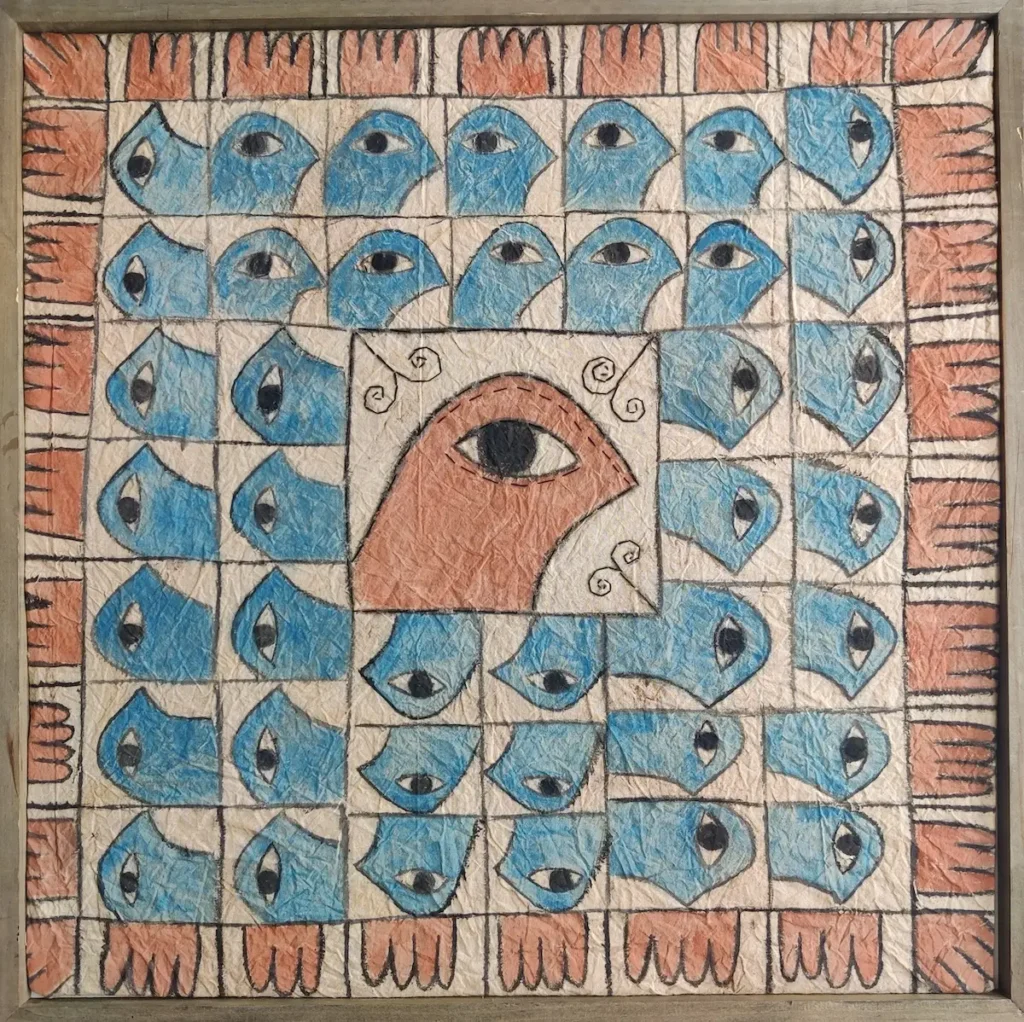
Animals, landscapes, folk art, and spiritual imagery appear throughout your work. Where do these subjects come from?
I think the places I live in have the biggest influence on those images. I move often; I’ve changed countries twice in the last four years. Each place has its own culture and its own natural world. I like to spend time noticing the trees, birds, and animals wherever I am.
My Christian background is also part of how I see nature. I find something sacred in it, and I love placing nature and sacred imagery together, as if one lives inside the other.
I’m drawn to folk art for a similar reason. Its forms can be simple, but there is often so much in them: someone’s observations of nature, symbols, and religious imagery.
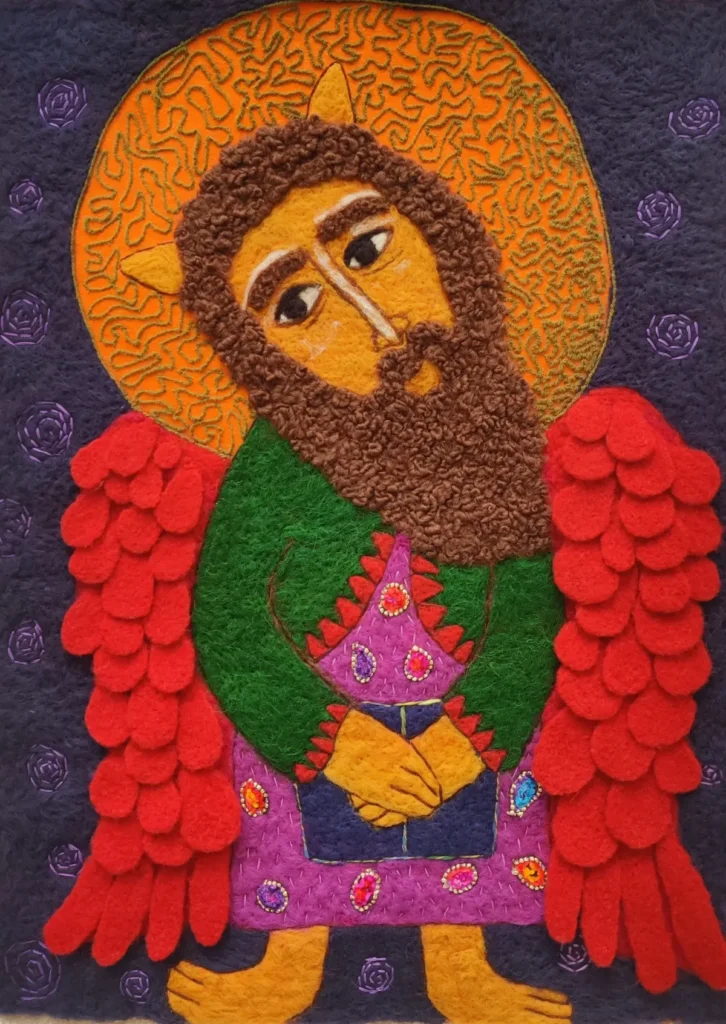
Many of your animal portraits have such strong personalities. What draws you to animals as subjects?
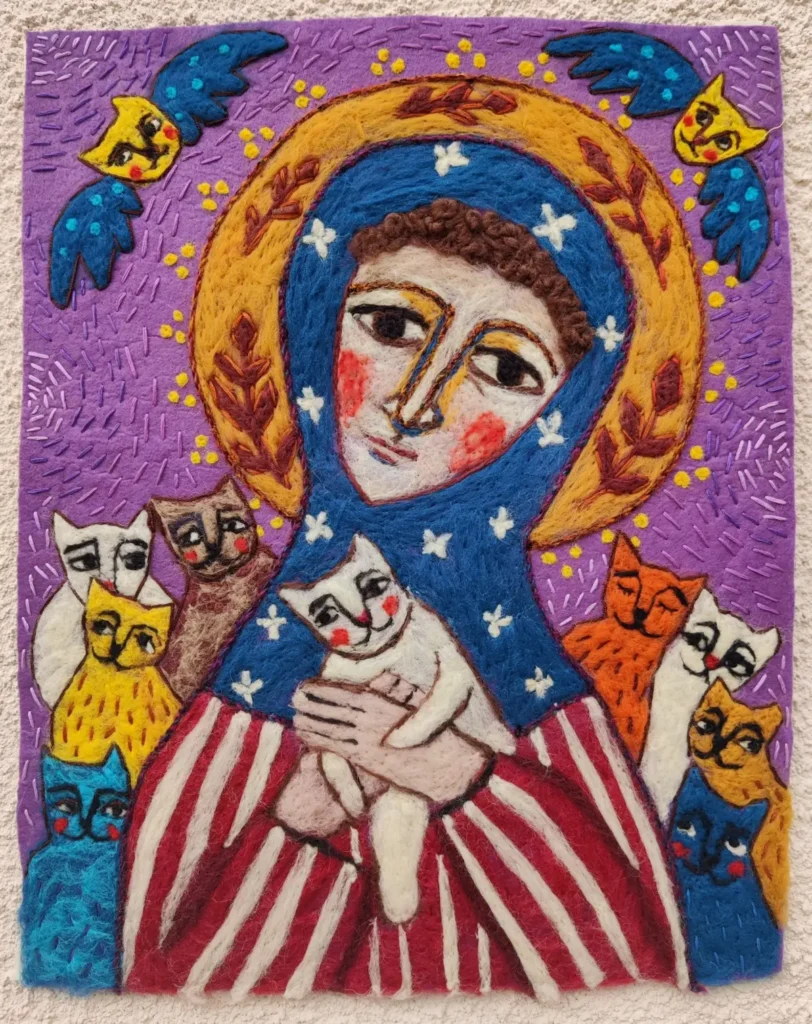
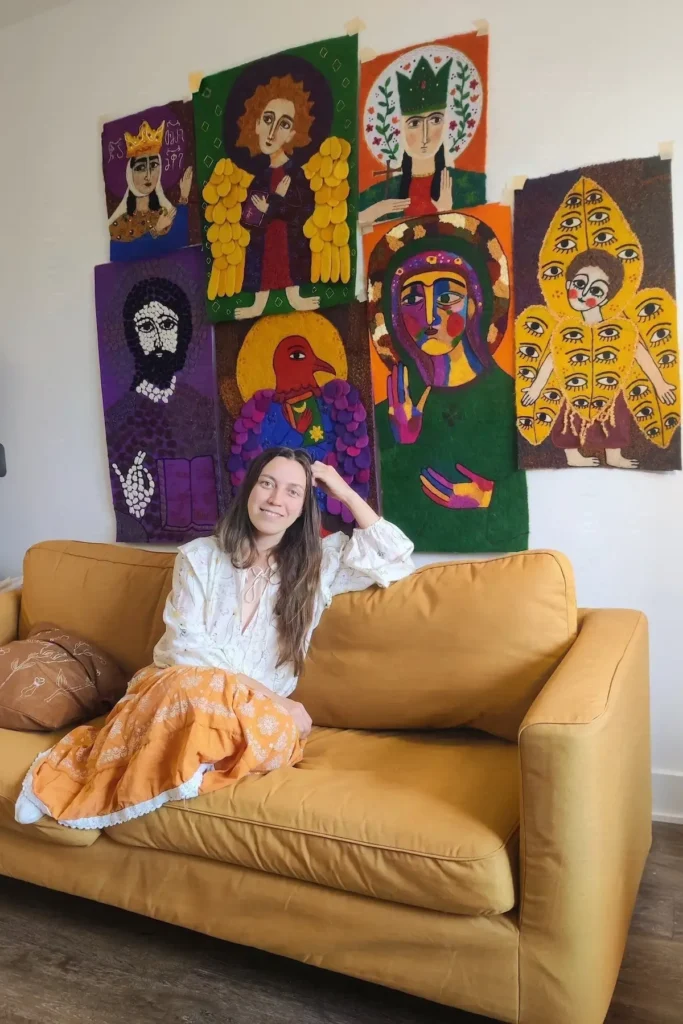
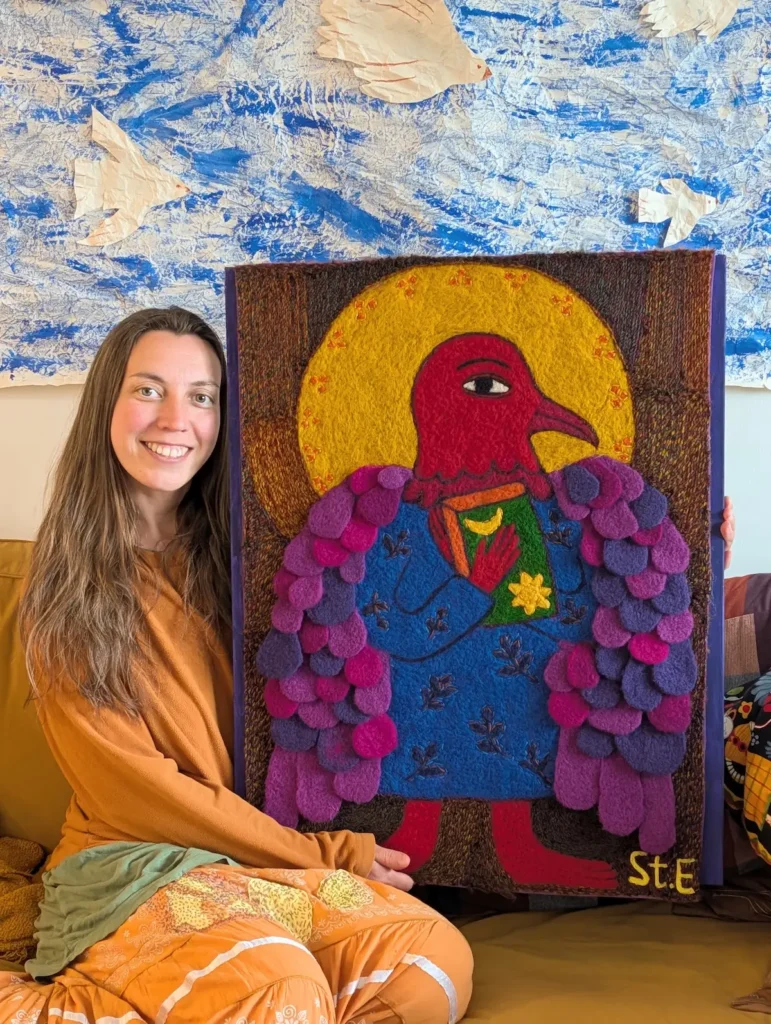
I don’t see animals as secondary to humans. In my work they stand alongside us, with their own personalities. They are often a little anthropomorphic. In my recent Tetramorph work, for example, the animals wear clothes and hold Scripture in their hands.
There is a spiritual dimension to these figures for me. Wool and thread make them more tactile, closer, and often brighter. I really do think of wool and thread as my paints.
What kinds of everyday things catch your attention and make you think, “I want to turn that into art”?
Sometimes an object or a material is enough to set me thinking. A cardboard box from a delivery arrives, and I can already see a frame in it. I ended up making quite a few picture frames that way.
I’ve also cut Christmas decorations from cardboard, painting stars and other little shapes. Give me an occasion and something unwanted lying around, and my imagination starts working.
How did needle felting, hand embroidery, painting, and mixed media find their way into your practice?
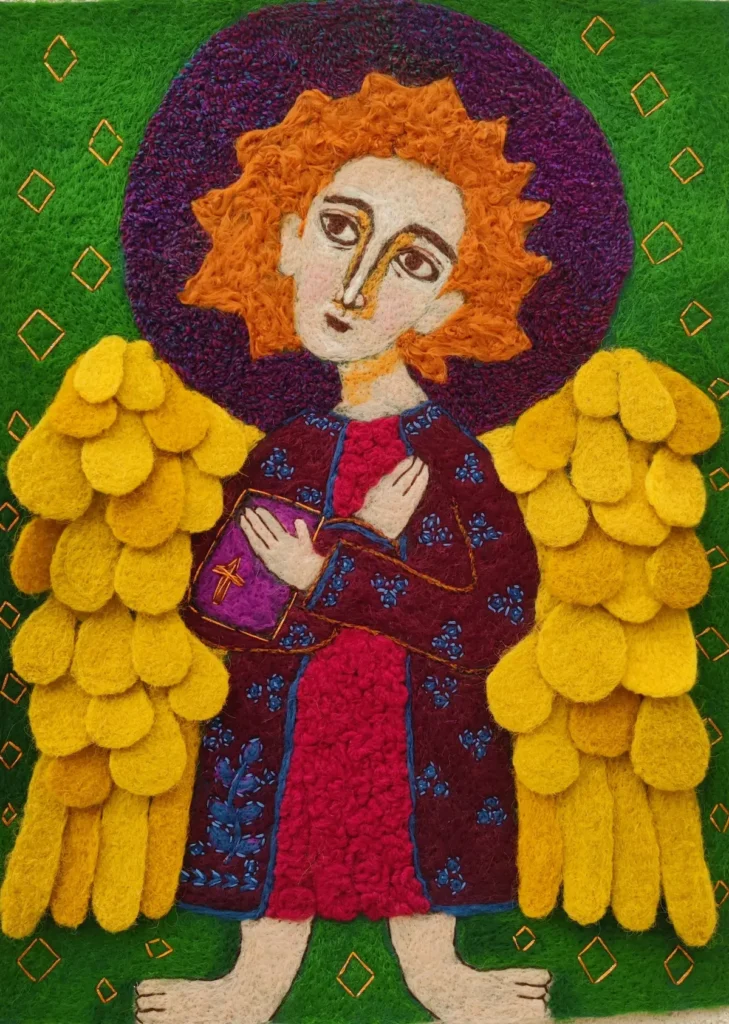
Needle felting came early. A friend showed me how to do it at a workshop, and I was fascinated. I loved the process itself. I couldn’t believe how you could go from a flat surface to a three-dimensional form with wool, and I loved having that material in my hands.
Embroidery came later. I taught myself, but at first I avoided it because I thought I had to follow rules, especially the kind associated with cross-stitch. Then I realized I could work freely, using satin stitch without following a fixed pattern, and decide for myself how to do it. That made all the difference.
Painting and mixed media were part of my search for materials that felt right for what I wanted to express. I tried acrylics, oils, pastels, and gouache, and spent a lot of time seeing how they behaved. I didn’t like everything equally, but I learned from all of it. Now I have different options, and I can choose what an image needs. A lot of my artistic development has happened through those experiments, through listening to myself as I work.
Describe your creative space.
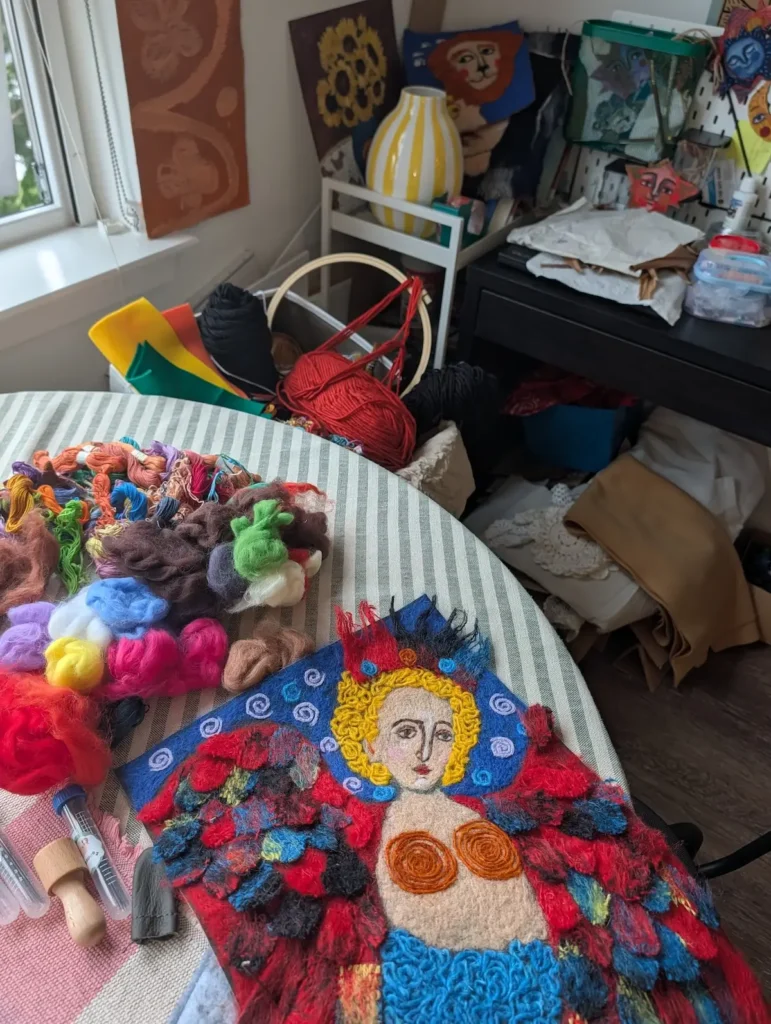
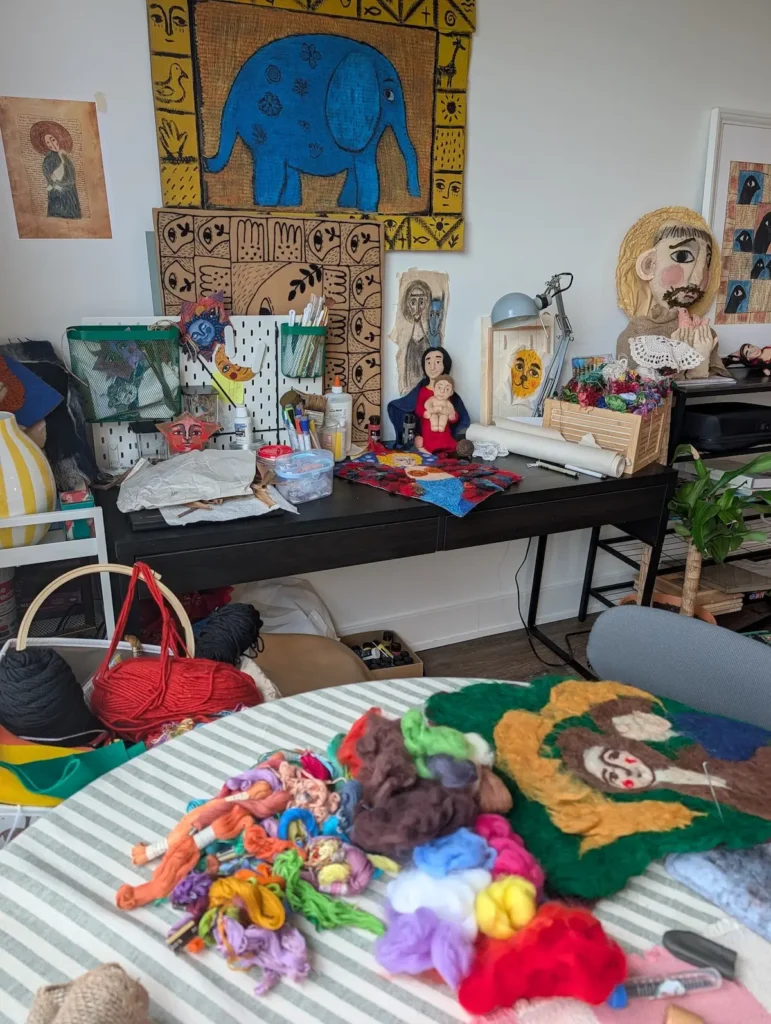
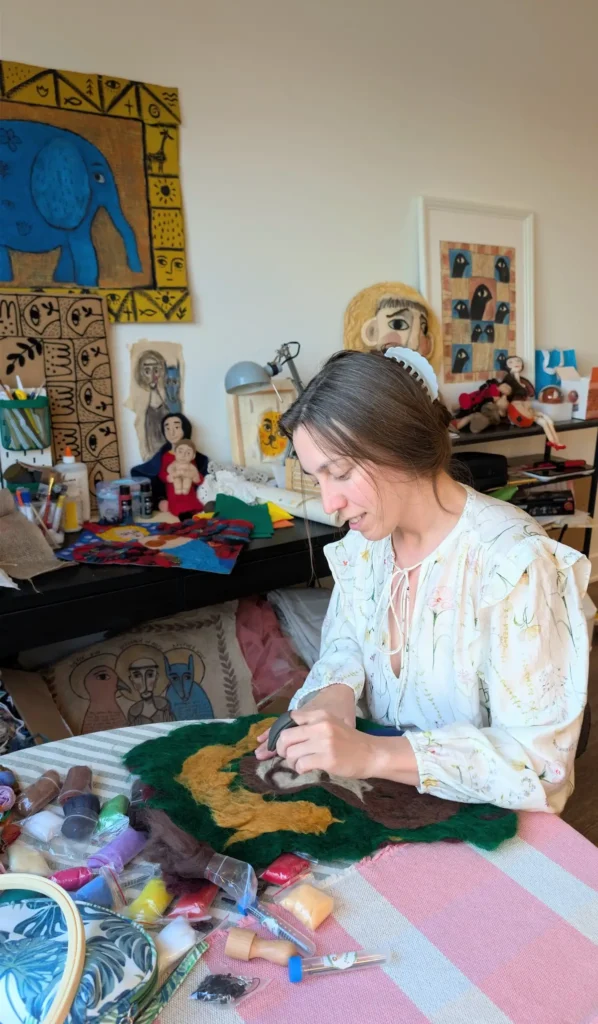
Mine changes with every move. I don’t have a separate studio; it’s a corner of my home. There’s a table, a chair, shelves, and always a lamp. Wool, fabric, and threads tend to spread out around me. Some works are finished, others are still in progress, and some hang on the walls.
My table is usually beside a window. When I stop working for a moment, I look outside and watch the trees and the birds.
What does a typical day in the studio look like?
No two days are quite the same. Some days I make art. On others I’m preparing applications, looking for open calls, or working on my website and Etsy shop.
On days when I can concentrate on making something, the rhythm depends on the piece and its size. I usually prefer to finish one work before starting another.
How do embroidery and painted elements work together in your pieces?
Usually I begin with a sketch. Then I use wool to establish the tones and larger areas of color. Once I like how they sit together, I start needle felting.
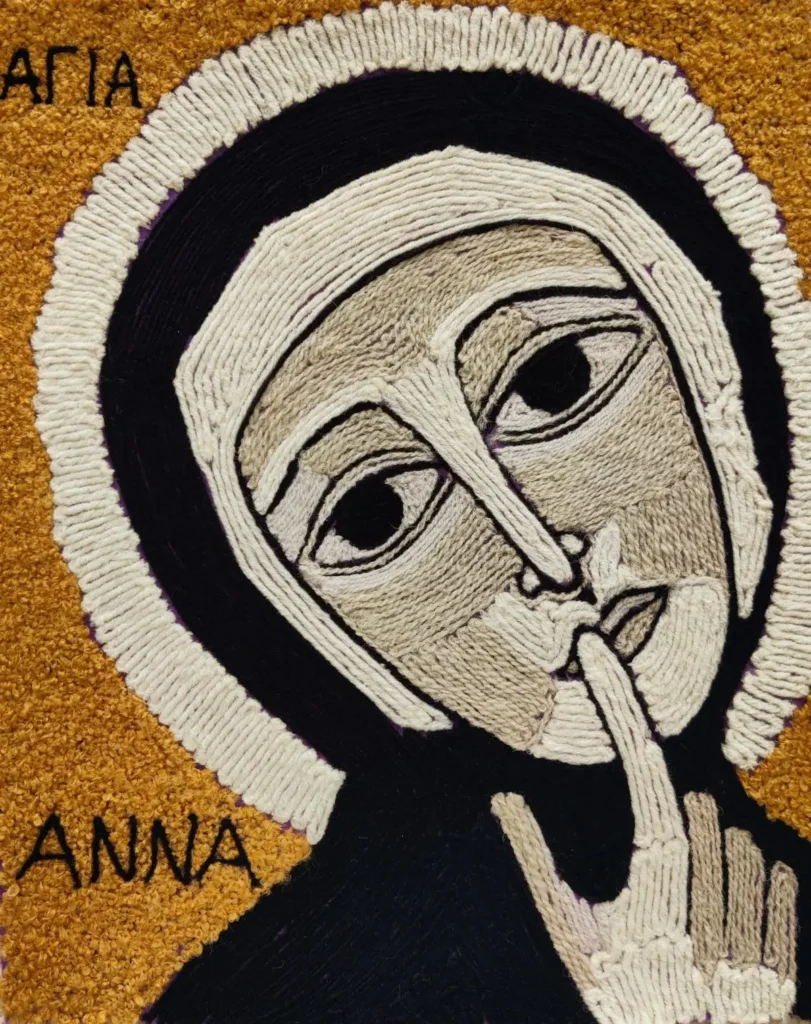
Embroidery comes afterward. I use it to bring out details, add emphasis, and make the figure more precise. Sometimes I add beads, lace, or pieces of fabric. In these works, wool does much of what paint would do on a canvas.
When a new piece begins, do you have a clear image in mind, or does the work reveal itself as you go?
Most of the time I have an image in my head, and I make a digital sketch first. Then I try to bring it into the actual material.
That’s where things can change. Wool is rougher and much less obedient than a digital image. Sometimes a slightly different face or figure comes out of the process. It can be just as charming as the sketch, so I don’t try to control every detail. I like giving the work room to surprise me.
What challenges came with moving from small sculptures to larger textile panels?
Making small sculptural figures helped me when I started making larger textile panels. In both, the figure is the center of everything for me – the face, the eyes, the expression, the color. Ornaments and symbols can come later.
I didn’t find the change of scale especially difficult. Between the small sculptures and the larger panels, I did a lot of painting on canvases of different sizes. So I’d already had experience building compositions at different scales.
What does the individuality of each handmade piece mean to you?
I think of a work as having its own personality, just as a person has a particular character and temperament. My pieces are a little like my children to me. Each one is different, and I love that.
What has sharing your work through Etsy and Instagram taught you?
It’s lovely to see that people respond to my work with warmth, admiration, or gratitude. On Etsy and Instagram, I sometimes get to see that directly.
Knowing something I’ve made has reached another person makes me happy. It’s encouraging, and it makes me want to keep making things and sharing them.
What advice would you give someone trying to develop their own artistic voice?
I would say: make what you love. Try to turn the images you carry inside you into something real, using whatever materials you have. Wool, fabric, thread – they can be your paints, a way to tell your own story.
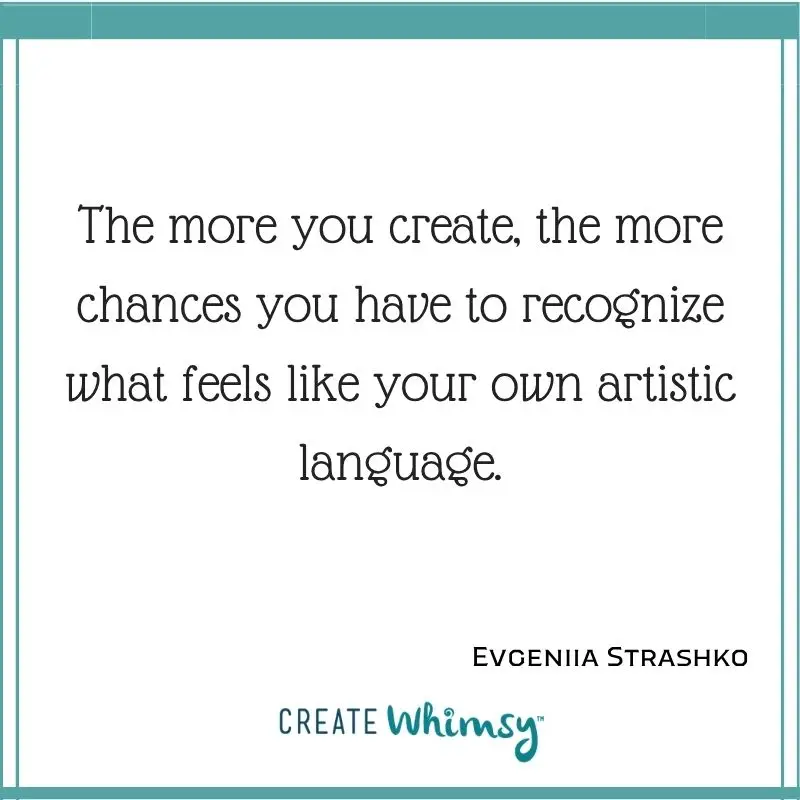
And make a lot of things. The more you create, the more chances you have to recognize what feels like your own artistic language.
Where can people see your work?
Instagram: https://www.instagram.com/shersheladoll/
Etsy: https://www.etsy.com/shop/Shersheladoll
Website: https://www.evgeniiastrashko.com/
Rapid Fire Fun
- Sketchbook or straight to the materials? Straight to the materials. I usually sketch digitally rather than keeping a paper sketchbook.
- Favorite color to work with? Yellow.
- One tool you couldn’t live without? A needle.
- Favorite place to find inspiration? Nature.
- Three words that describe your creative life? Exploration, joy, reflection
Interview posted November 2026
Explore more felting inspiration and stories on Create Whimsy.