
Lena Pugachova’s quilts are where precision meets playful storytelling, stitched together with curves, color, and clever visual surprises. From her roots in Ukraine to her creative life in Ireland, Lena shares how teaching, design, and a love of art history shaped her joyful approach to art quilting.
When did you first feel the pull toward making art with textiles?
It wasn’t until around 2014, but I suppose I approached it gradually and from two directions – textiles and art.
Textile crafts were a part of my life growing up, they ran in the family, and my grandmother taught me some crocheting, embroidery, and knitting before I started school.
Later on, I tried felting, beading, toy making, ribbon embroidery, and whatnot, but all of it was about making something practical.
As an Amazon Associate I earn from qualifying purchases. Read more about our affiliate linking policy.
On the other hand, as a teenager, I did an art course with quite solid training in academic drawing and painting. I decided against pursuing art as a career, but I can draw, and I know the basic theory behind colours, composition, etc.
Was there a single moment that made you say “This is what I want to do”?
Not a single moment, but a period in life – nothing original here, like a lot of women, I started reconsidering my life when I was staying at home with kids.
The art and crafts, which had been on the back burner while I was studying and working, came into their own. I decided to take a patchwork course mostly just to get out of the house, but I immediately fell in love and started thinking about how I can use this technique to make an image, something pictorial rather than just geometric shapes.
I still occasionally make simple traditional baby quilts and bed or lap quilts for my family and friends, but mostly I do art quilts with curve piecing. I suppose, quilting won me over because you work with (relatively) large elements, let’s say it takes you the same amount of time to create a big eye-catching wall quilt as a tiny little embroidery.
How did your time in Ukraine influence your creative foundation?
I was extremely lucky with my teachers, especially Svetlana Kachalova, who ran the patchwork course when it was still quite an exotic hobby in Ukraine, and it was difficult to get proper quilting fabrics and tools apart from the basic ones, and nobody had even heard of a longarm machine. She showed us lots of traditional blocks and techniques, taught us to do our own math and templates, and generally «make the best of what you have».
When I started experimenting with art quilting, she suggested I should teach it to her students who had done the basic course, so, early on, I tried out various techniques and explained them to other people, building up a «toolkit» that I can draw from for various projects.
Did moving to Ireland change how you think about your art?
One of the first things I did after we moved to Ireland in 2015 was joining Irish Patchwork Society, and that was a portal to a whole new world – lots of other quilters, exhibitions, guest speakers, books, fabric shops.
I was learning about quilt designers and quilt artists, and started thinking about developing my own style (before that, my work looked like it was created by a dozen different people, with all sorts of techniques and all sorts of materials).
Besides, I needed a change of career, and I chose to study Graphic Design – a step in the artistic direction, but still not a career in art! However, by learning to work in Adobe Illustrator and other design software, I was able to digitise my patterns and streamline my creative process.
How do you choose the stories you want your quilts to tell?
There are so many ways… Sometimes, I just want to make a great big flower, without any particular story to it, sometimes the image is born from the colours of a fabric bundle, sometimes it’s a proper story from books or myths.
A lot of my quilts are made for a particular exhibition or challenge, and then it’s a whole different process of interpreting the theme. I love it when I manage to create an unusual interpretation, a visual pun (or at least a pun in the quilt name).
My interest in art and design history also plays a role, as I often reference artists or styles from the past; currently, I’m exploring the Art Deco movement, which works perfectly with curve piecing, one of my go-to techniques. All that said, above all, I want my quilt to look beautiful on the wall and bring joy to the viewers, whether or not they know the story, the reference, or the philosophy behind it.
Is there a color or texture that feels like home when you work with it?
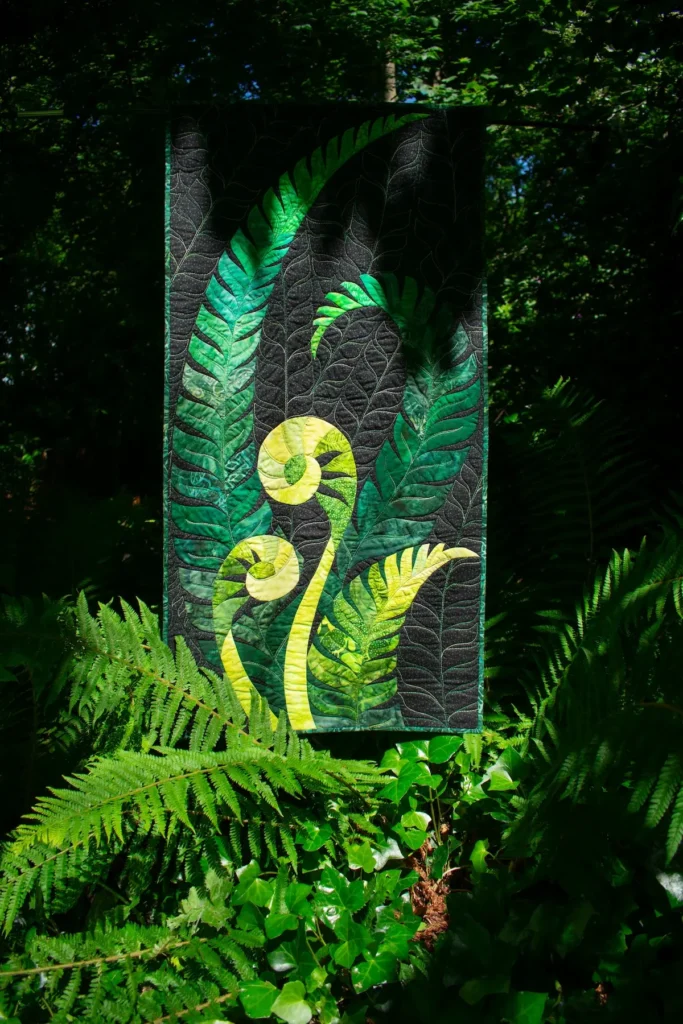
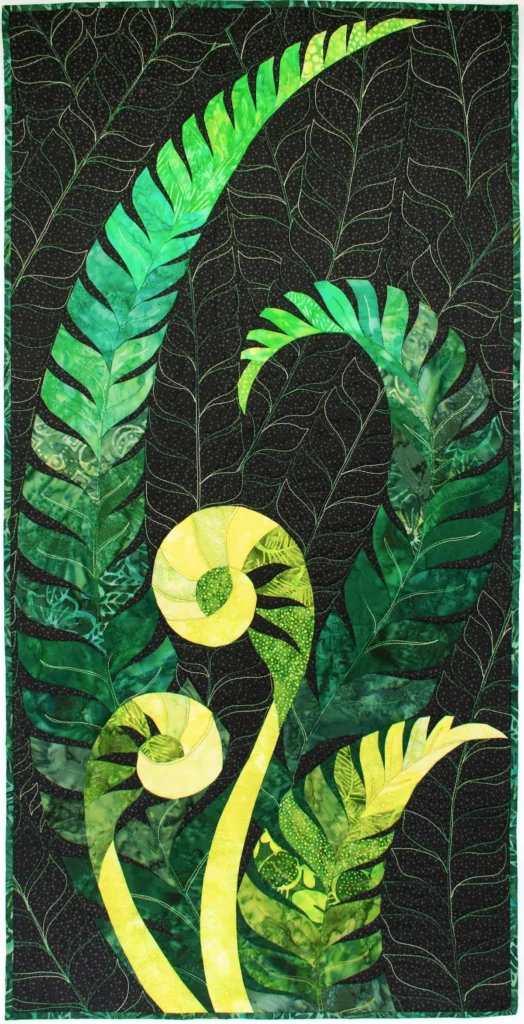
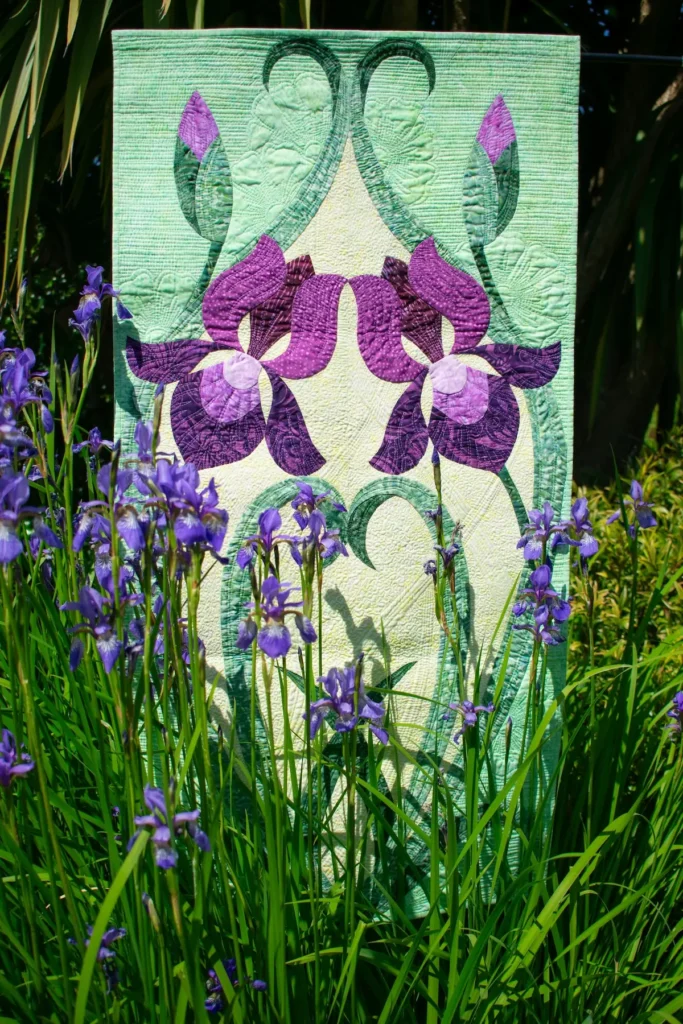
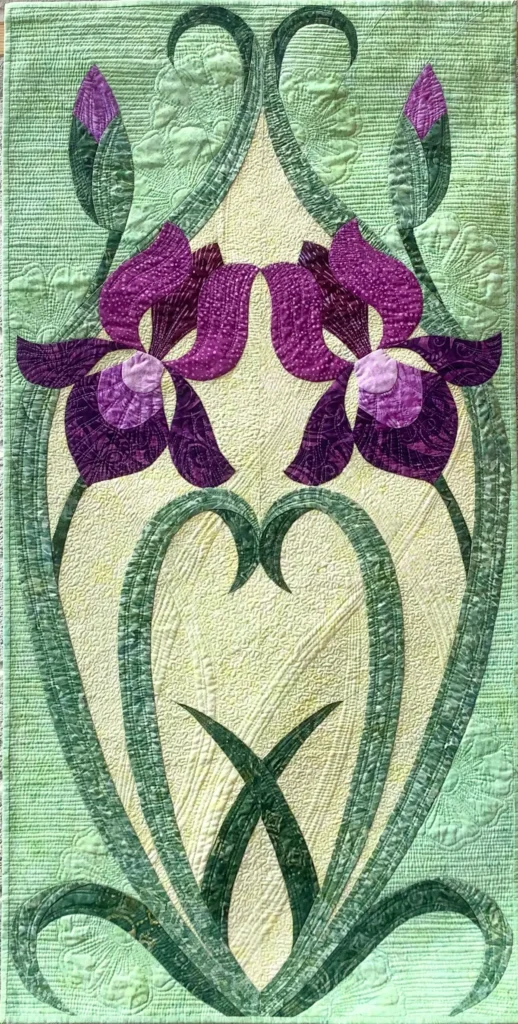
In the last couple of years I have shifted to using batiks in most of my art quilts, and they do feel so good for curve piecing – they are crisp and dense, don’t fray as much; and need I say anything about the colours?
They can be bright or soft, but they always feel so alive and deep. I love the extra dimension that tone-on-tone patterns bring to a quilt, and you can use the natural variation of colour within a piece of fabric to fine-tune the shades in the various parts of your image. Besides, batiks from different collections mix together very well, so you can build a really wide palette from one project to another.
What quilts from your own past work are you especially proud of and why?
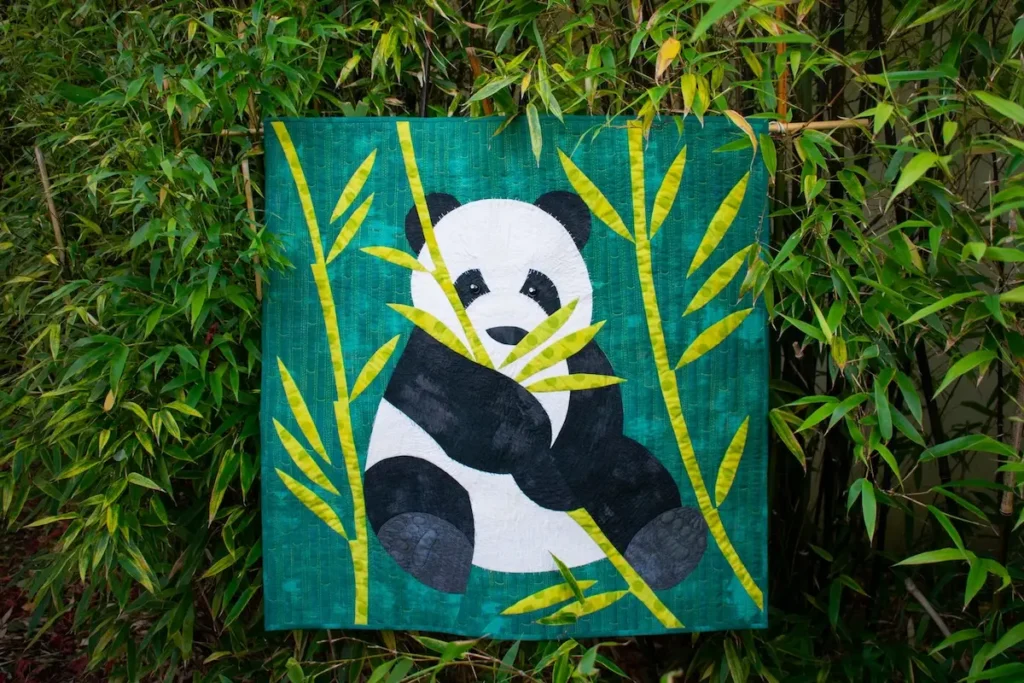
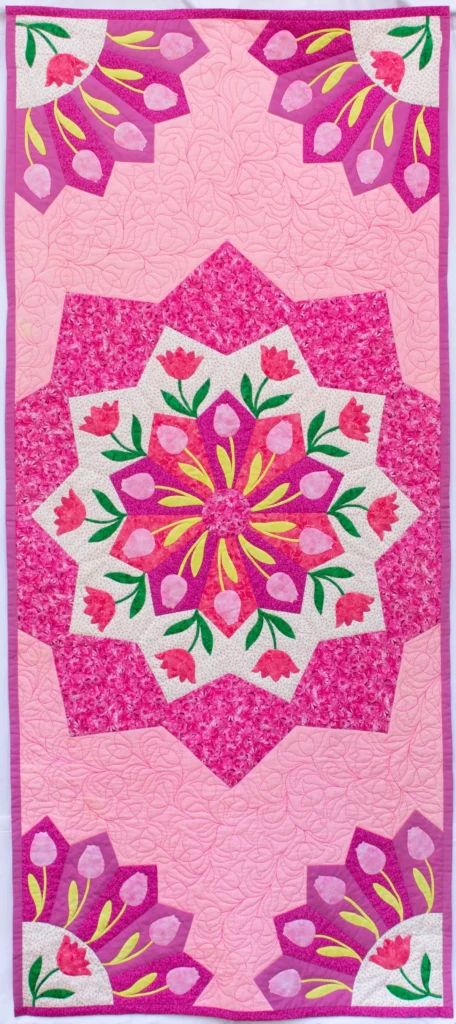
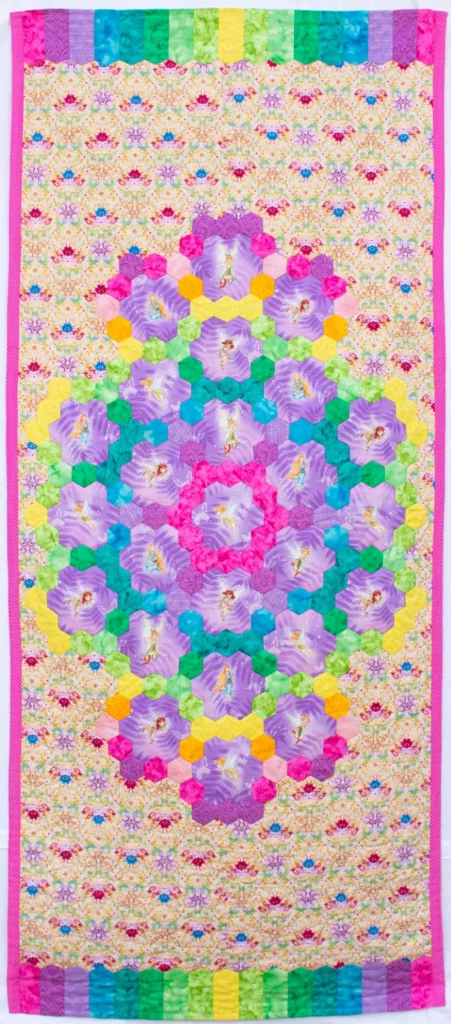
Don’t get me started, it could be a very long list )). Thinking back, two of the earliest quilts I made were for my daughters’ bunk bed and both of them involved a lot of hand appliqué. Now I would think twice before starting a hand appliqué project, but as a novice I was absolutely undaunted. I designed them myself using the limited range of fabrics that were available and I remember hand stitching pieces on a holiday trip and on a bench at the playground.
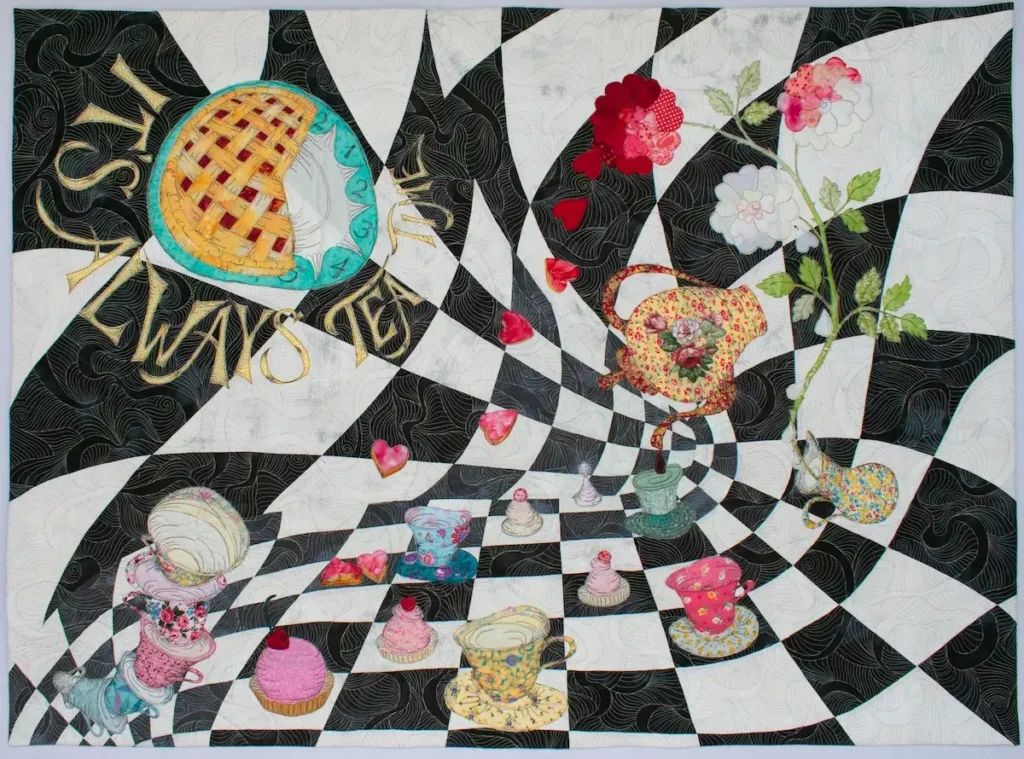
The «Mad Tea Party» quilt stands out in my mind because it was the quintessence of the Covid lockdowns, when everything was not what it seemed and you never knew what time and day it was! It was also challenging technically, because after I pieced together the black-and white background, I then created the raw edge appliqué as I went, basing on my sketches but without a full scale drawing. It was shortlisted in the online edition of the Festival of Quilts (Birmingham) and was part of the SAQA exhibition «Now!» at last year’s Quilt Festival in Houston.
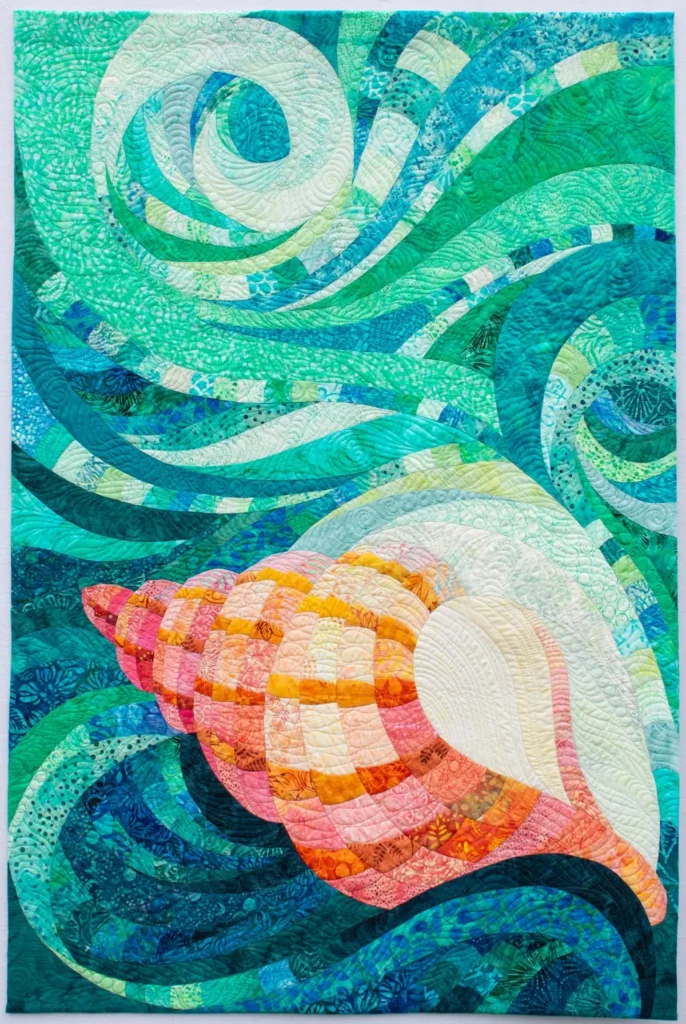
I am really proud of my «Can you hear the sea?» for being selected as one of the 30 finalists in the Carrefour Patchwork «Oceans» contest in 2024.
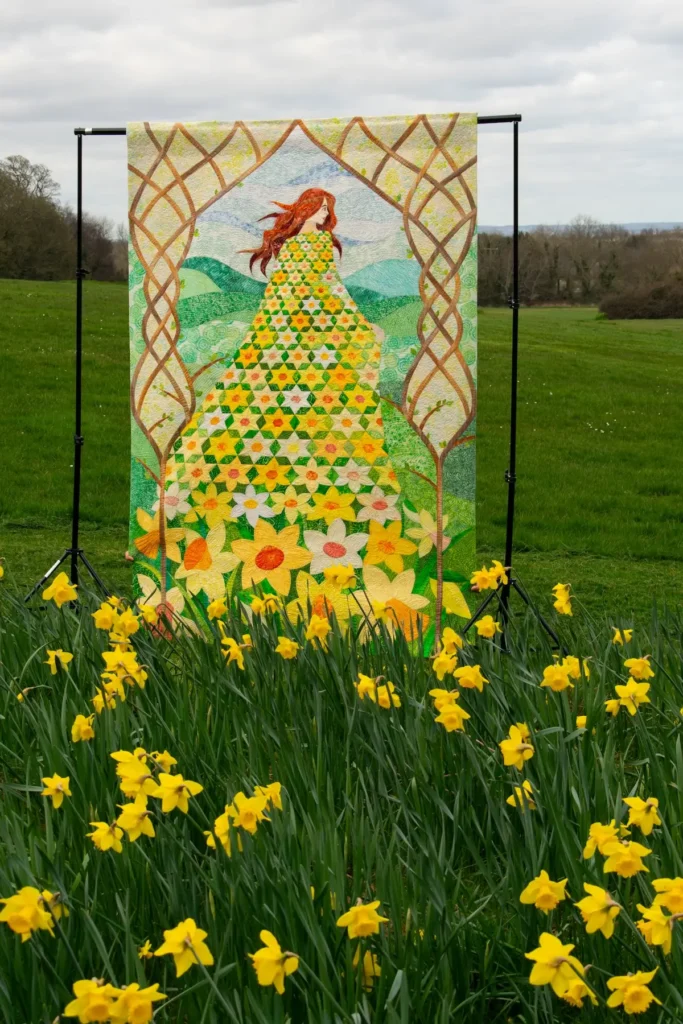
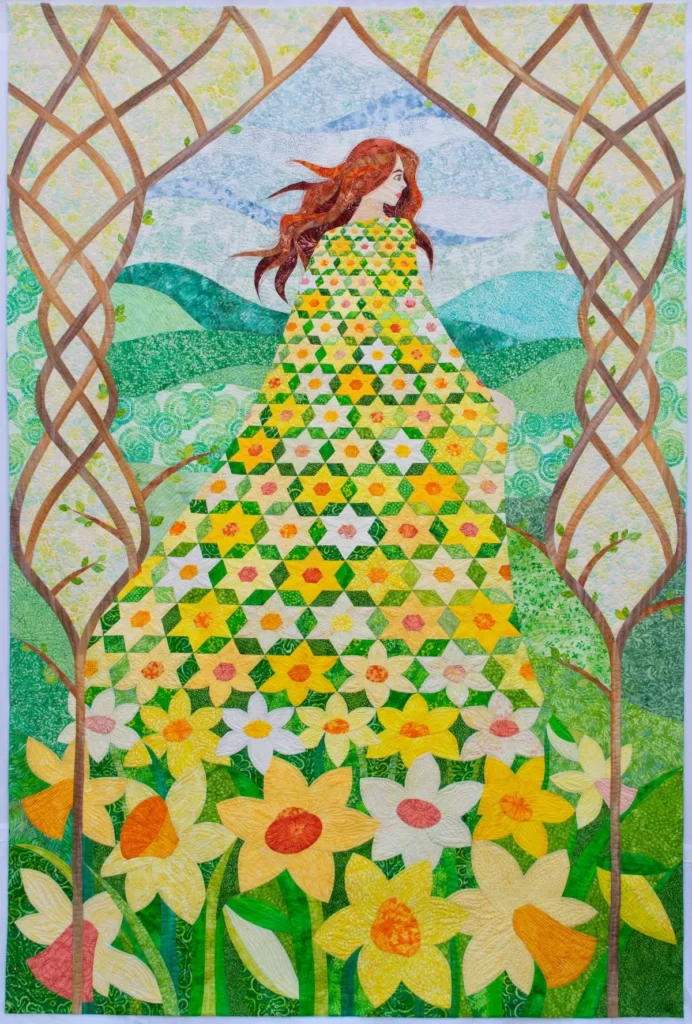
My latest tour de force is «Brigid brings the spring», based on Irish legends about St Brigid, whose saint day falls on the beginning of the daffodil season, 1st of February. Her cloak is made with EPP, with pieces gradually increasing as it goes down, and the rest of the image is machine curve piecing, so marrying the two parts was quite a challenge.
Describe your creative space.
My creative space is quite small, it’s just a table set in the recess at the window in my bedroom, with lots of drawers for tools and materials, ironing mat and the sewing machine. I use my bed to lay out the bits of the quilt in progress.
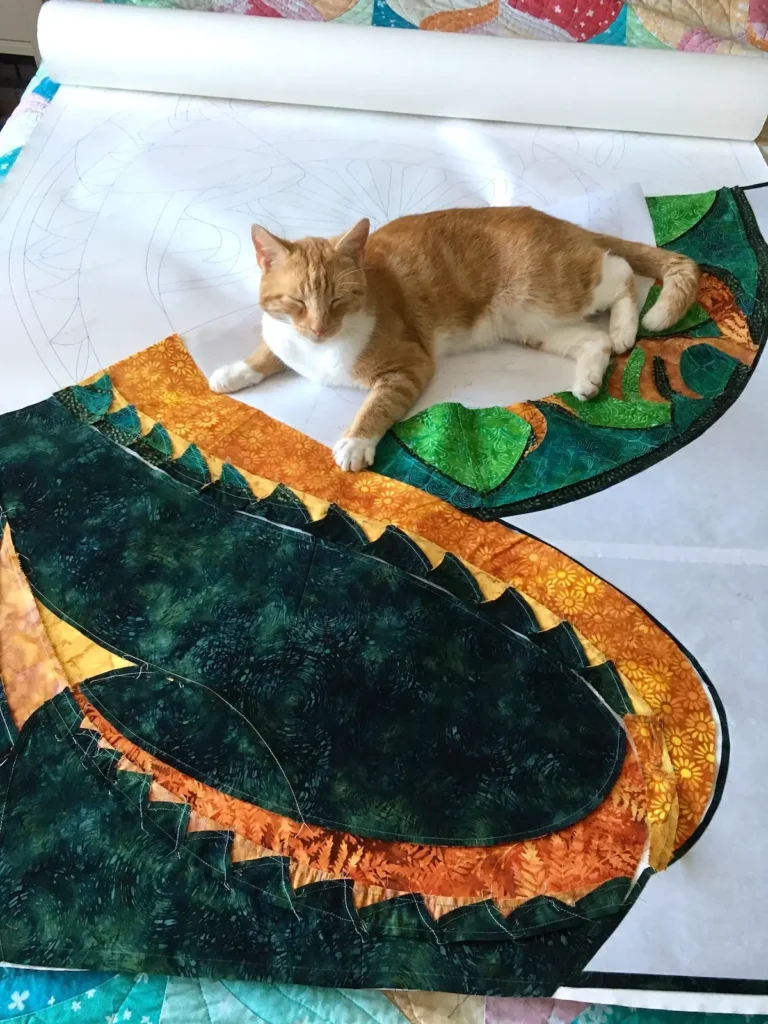
As most of my art quilts involve a printed paper pattern, it’s quite handy to roll everything up when I’m done for the day.
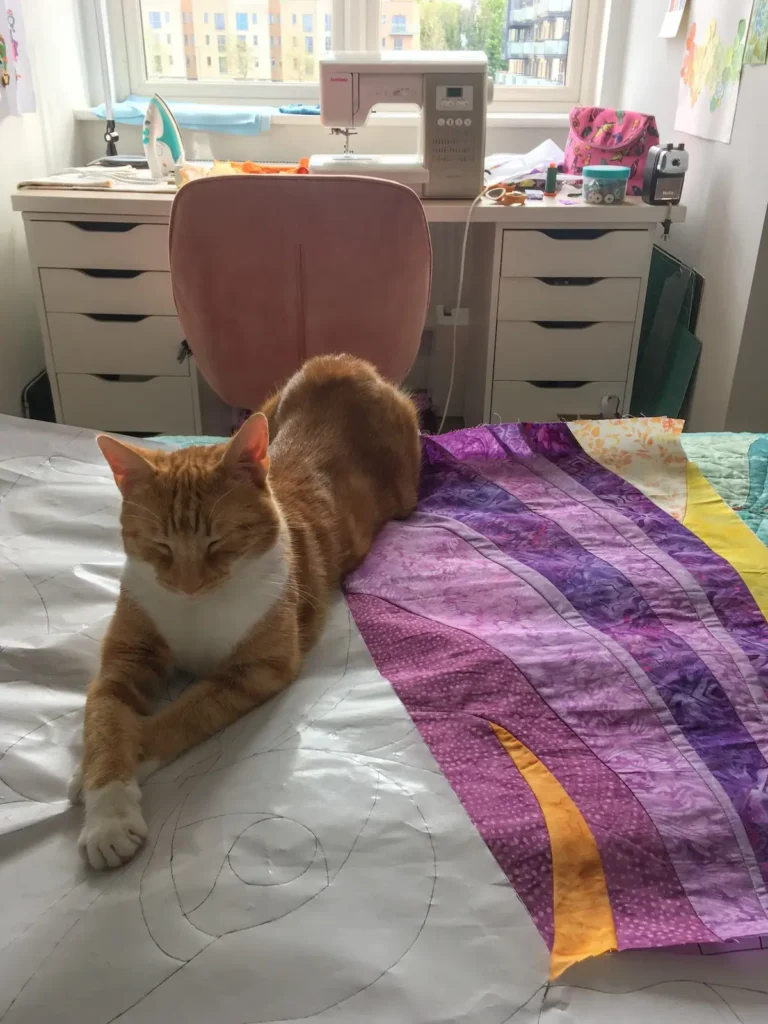
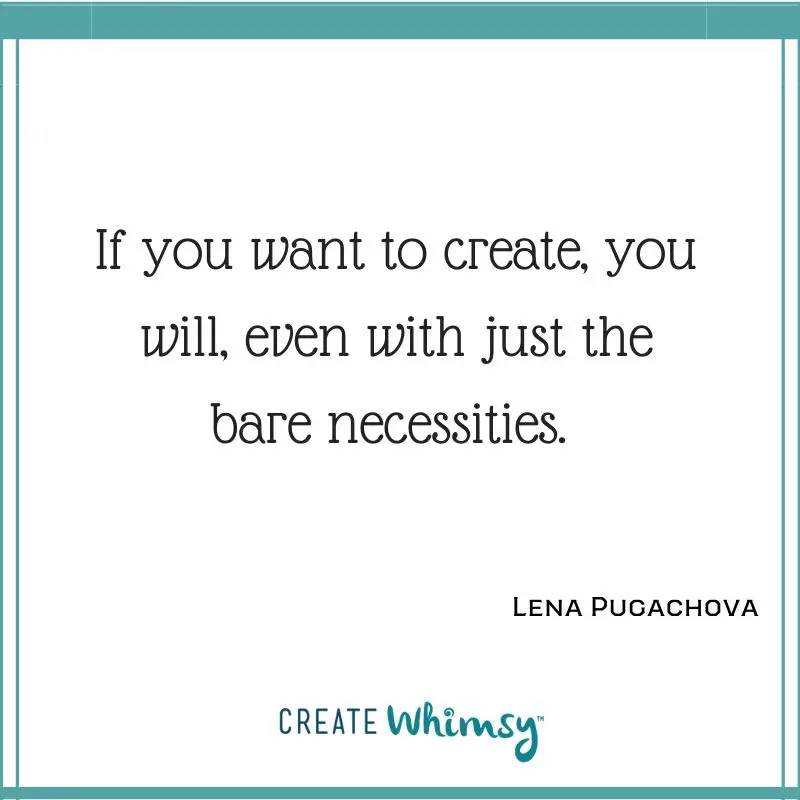
My cat Loki loves to lie on top of the patterns and half-done pieces and supervise the process. I have had one sewing machine since I started quilting – a small but trusty Janome, which I use for everything, including free motion quilting large bed quilts. If you want to create, you will, even with just the bare necessities.
Do you sketch or plan ahead, or let the project surprise you?
My curve pieced quilts require an exact pattern carefully thought through and drawn or printed out at full scale.
I start with lots of sketching, thinking not just about the image I want, but also how it should come together, avoiding Y-seams, partial seams, and sharp curves where possible.
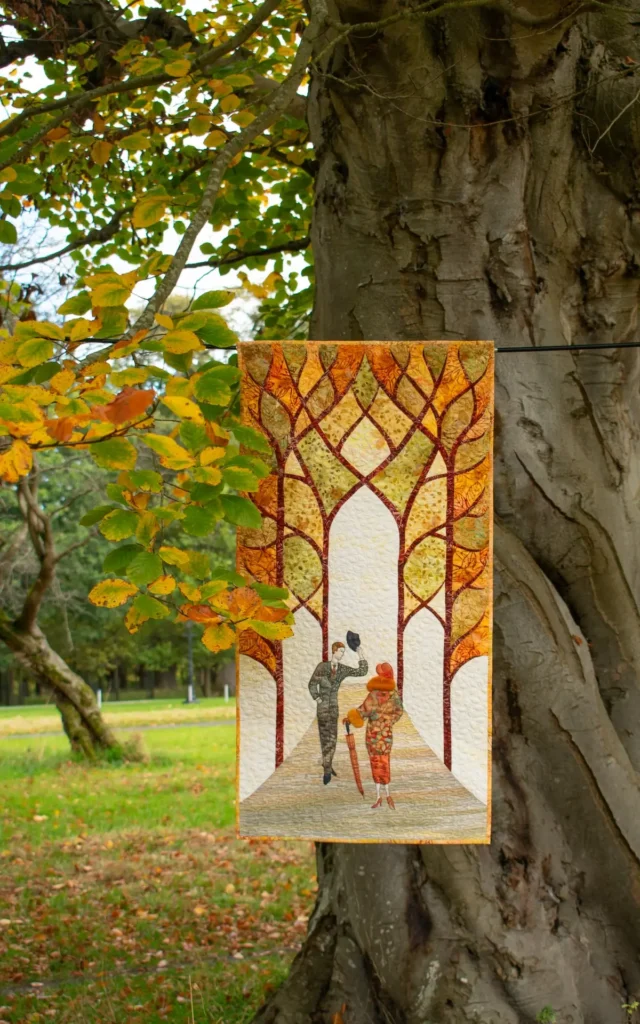
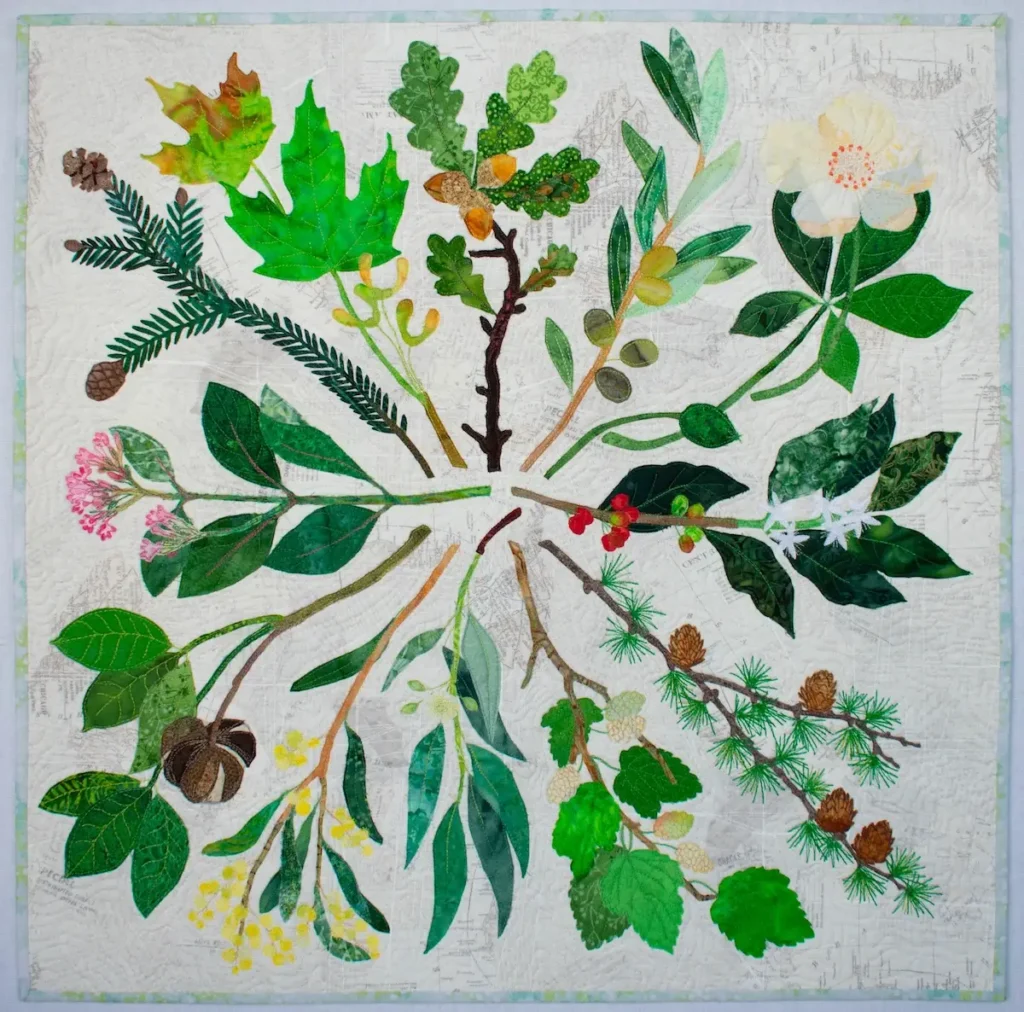
For some other quilts (like «Around the world in 12 trees”) I use raw edge appliqué, and then the process is different, as I cut out appliqué pieces freehand, without templates, just looking at a sketch or reference images, but still the image in general is planned beforehand, improvisation is not my forte.
Walk us through your creative process — from idea to finished quilt. What’s your favorite part of the creative process — and your least?
I have a sort of pipeline: while I’m still working on a quilt, I am sketching another one, drawing a pattern or selecting fabrics for a third. I have way more ideas for quilts than I have time to make, and sometimes one jumps the queue and insists I must drop everything and bring it to life.
In curve piecing, my go-to process, the most important things happen before any fabric is cut – the sketching and figuring out the assembly order.
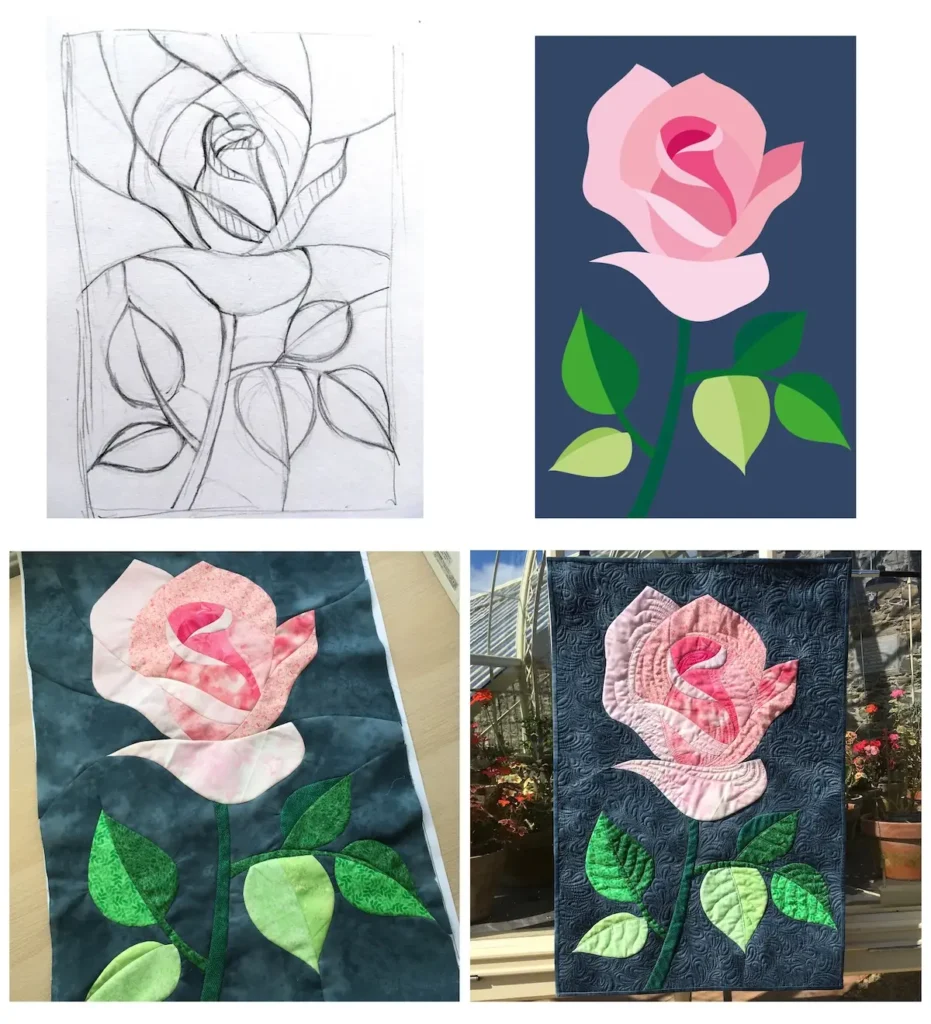
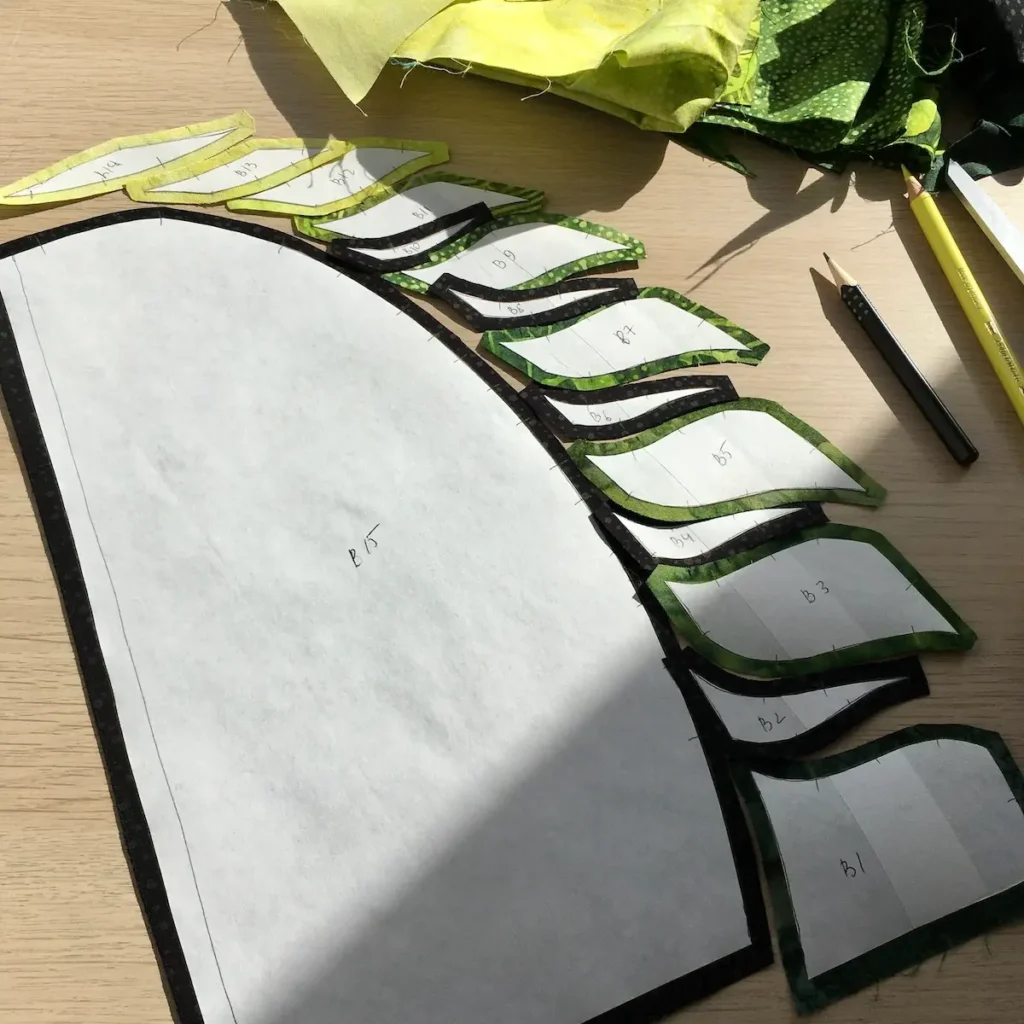
I used to draw the full pattern out by hand; now I can trace my sketch in Adobe Illustrator and scale it to any size I need. I can also experiment with colours digitally before cutting into fabric. Once the pattern is ready, what follows is really more technical work than creative – I trace the pattern to freezer paper, iron the pattern pieces to fabric, cut them out with seam allowance, and start assembling the pieces into blocks, then joining the blocks together.
It feels like assembling a jigsaw puzzle – you need patience and precision, and it’s also kind of addictive and satisfying when everything comes together nicely.
This is my favourite bit – listening to an audiobook and just zoning out, putting together piece after piece. I occasionally get stuck trying to find the right fabric colour or have to redo a piece or two because the colour doesn’t work, but on the whole, it is a smooth process.
Then comes the quilting. It usually takes me a while to decide how to quilt something. I don’t really enjoy this part, but I do try not to let unquilted tops accumulate. It is counterintuitive, but the quilting in my recent works is simpler than it used to be.
My least favourite part is adding the binding or facing; that’s just something that has to be gotten out of the way while my thoughts are already on the next project.
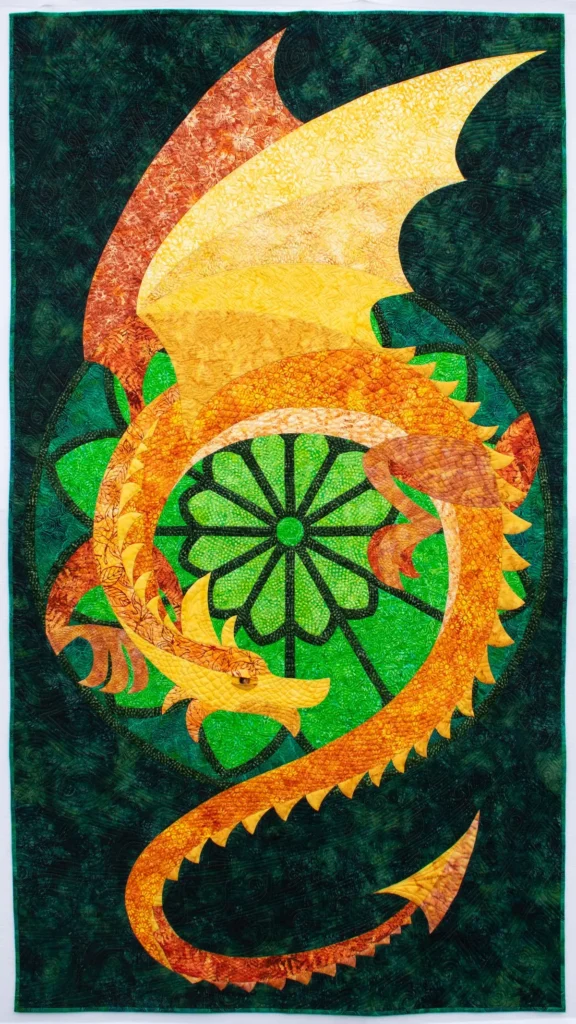
How do you decide when a piece is done?
I don’t usually linger over my quilts once everything that was planned is done, as there is usually the next pattern waiting in the pipeline that I’m already excited about.
If a quilt is not going to an exhibition, I don’t even bother with the label and sleeve, just move on. (If it is going to an exhibition, chances are the deadline is looming and it has to be done and dusted asap anyway).
How do you balance precision with playfulness in your work?
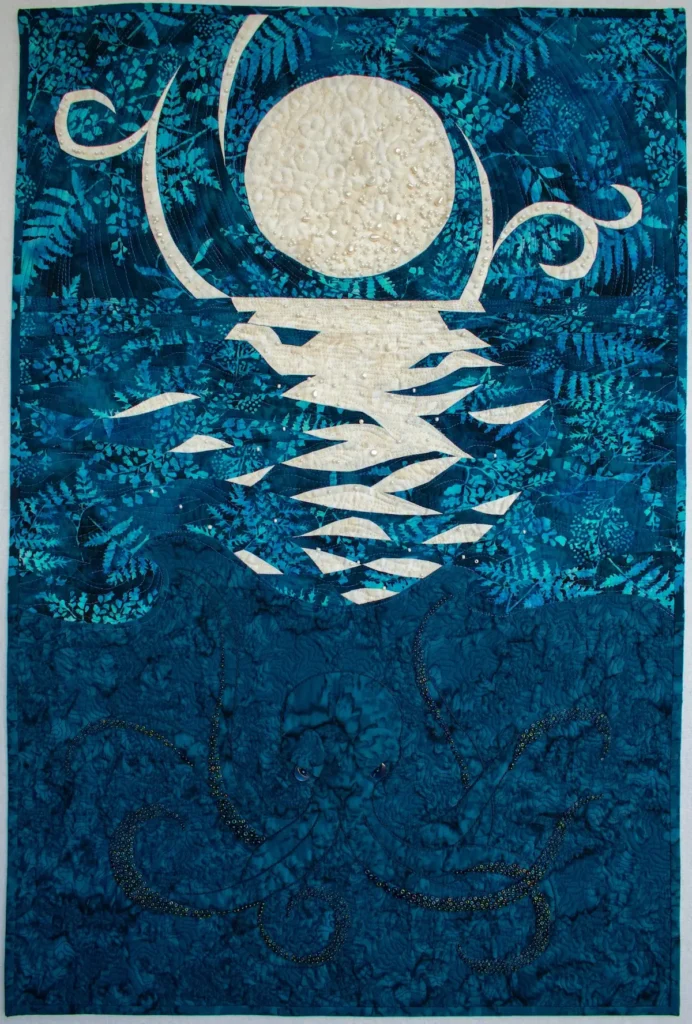
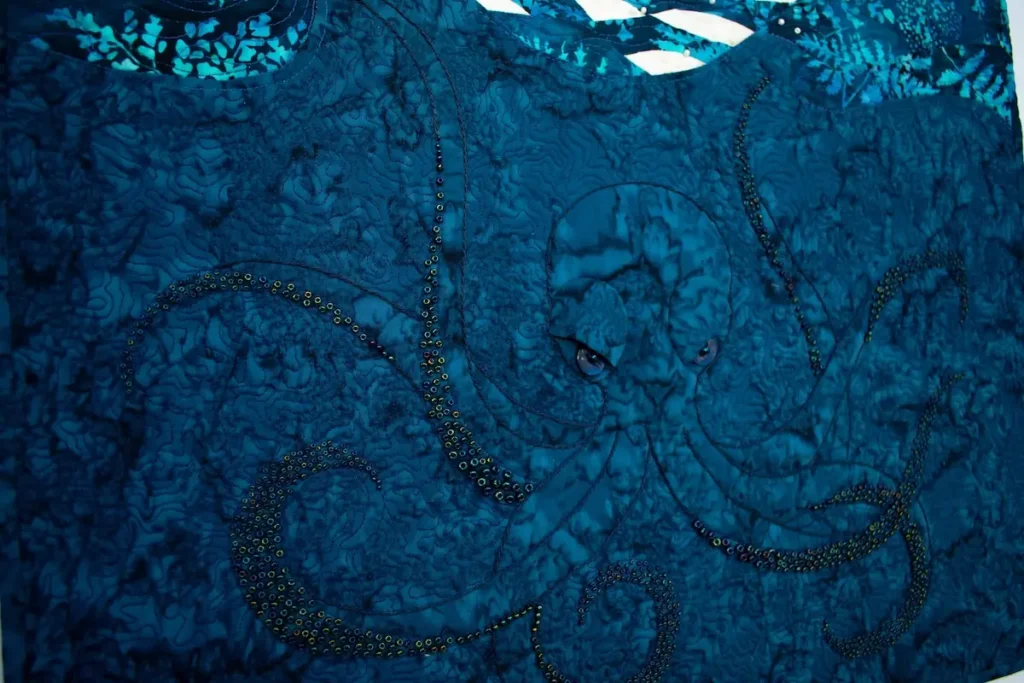
In my mind these are not contradictory things – playfulness can be in the idea, precision in the execution. I love it when my quilt makes the viewer do a double take, as the previously mentioned «Mad Tea Party» or «Moonlight», made for an exhibition titled «Light and Shadow».
Some viewers walked right by it, thinking it just shows the moon reflection on the sea, but most stopped short, noticing dark eyes staring at them, and then realised there is a detailed beaded Kraken in the deep, blending with it in colour, but not in texture (the photos can’t really show the effect). I really loved the feedback on that quilt.
What’s the best piece of creative advice you’ve ever received?
«Done is better than perfect» – I think I could emblazon it on my crest if I had one.
Where can people see your work?
I have a gallery website with most of my art pieces at lenapugachova.art and an Instagram account with more process photos, as well as my «non-art» quilts and other crafts @lena.pugachova. Some of my quilt patterns are available for sale in my Etsy shop lenapugachova.etsy.com
Rapid-Fire:
Morning person or night owl in the studio? Night owl for sure!
Favorite color palette right now? Something like coral pink plus olive green with soft brown or taupe for a neutral (I don’t think I have a quilt in this palette exactly, need to make one)
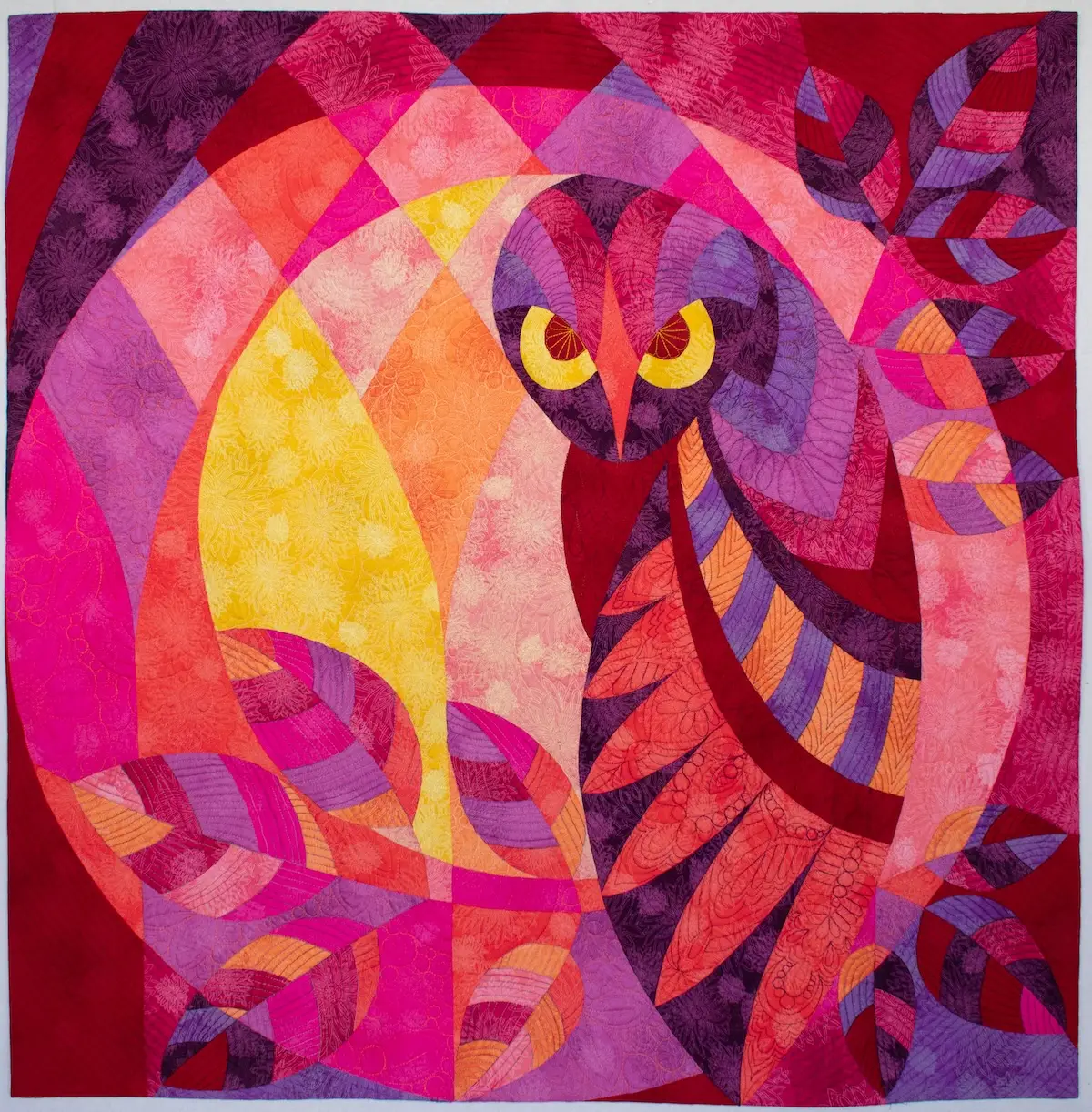
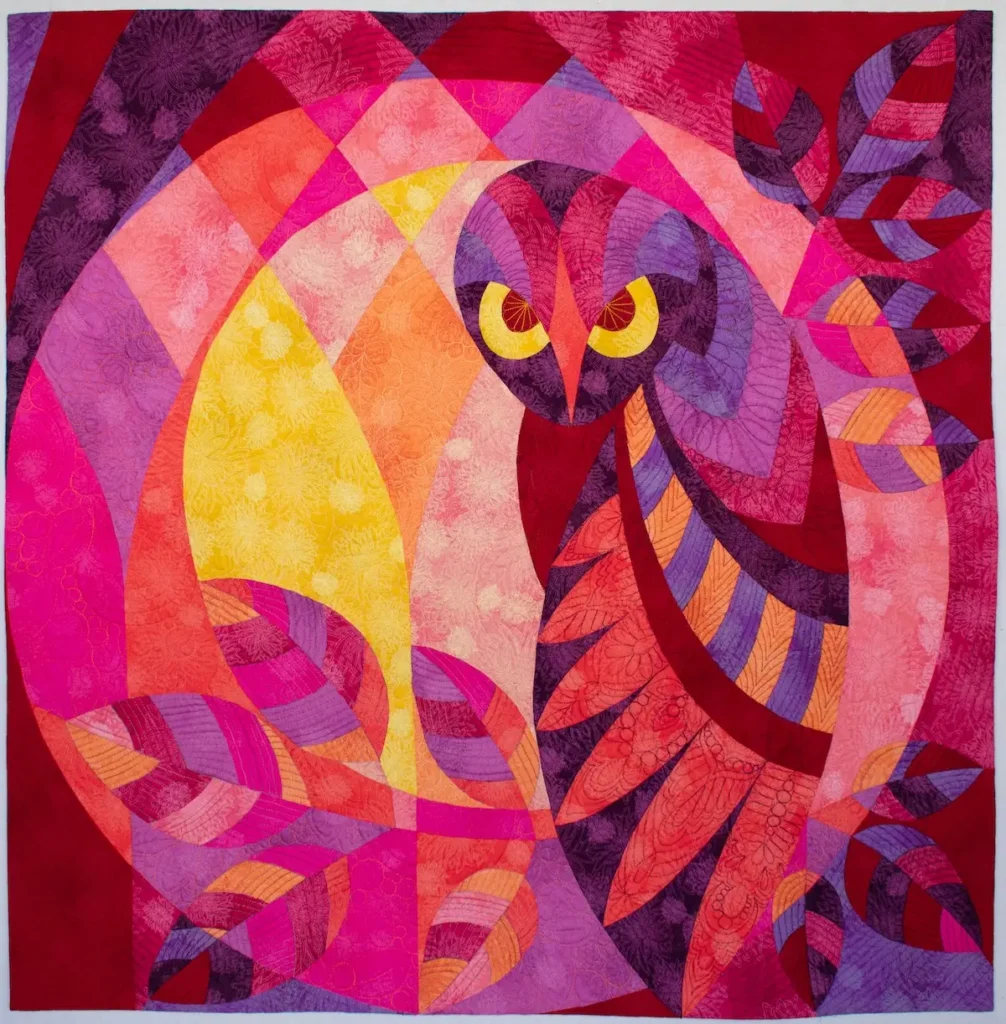
Favorite pattern name you’ve ever given a design? The first thing that comes to mind is «Owl be watching you», probably because it’s on the wall outside my room and it is watching me.
A word that describes your work? Joyful (hopefully)
Interview posted January 2025
Browse through more art quilt inspiration on Create Whimsy.