
After moving to Los Angeles and stepping into a new chapter of life, Jenn Graves discovered letterpress — and it was love at first press. What started as a community class soon became a full-fledged creative passion, blending the tactile joy of printmaking with the quiet beauty of book arts.
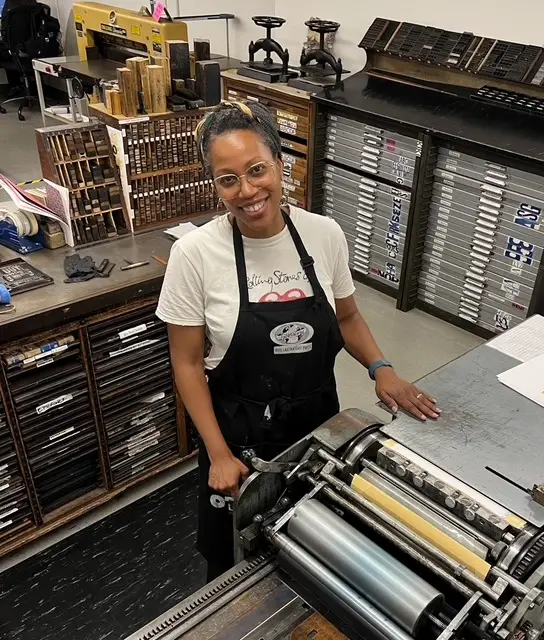
Tell me how you first found letterpress and bookmaking — what was that first spark like?
I first discovered letterpress through a community class after moving to LA. I was a young and newly minted empty nester, trying to figure out who I was without a child at home, in a new city.
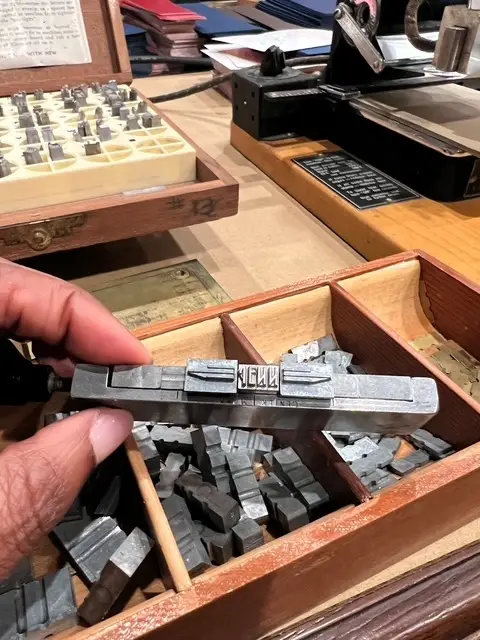
Letterpress was something I always wanted to learn, so when I found a class, I jumped in and was hooked right away. The process of setting metal type, each individual letter placed with care, feeling the bite of the letters and ink pressed into the paper… I couldn’t get enough. It was everything I thought and hoped it would be.
Bookmaking, on the other hand, kind of found me. An instructor needed a TA, and I agreed, despite knowing nothing about making books. She told me, “I’ll teach you everything,” and for 15 weeks, I became her student. That foundation carried me forward, but it was during the pandemic shelter-in-place that I really fell in love with the practice. I gave myself a challenge: one new book every week for 31 weeks. This time of experimentation deepened everything for me.
As an Amazon Associate I earn from qualifying purchases. Read more about our affiliate linking policy.
Your pages and prints sometimes feel playful and sometimes serious — how do you decide the mood for a project? Or, does it just happen?
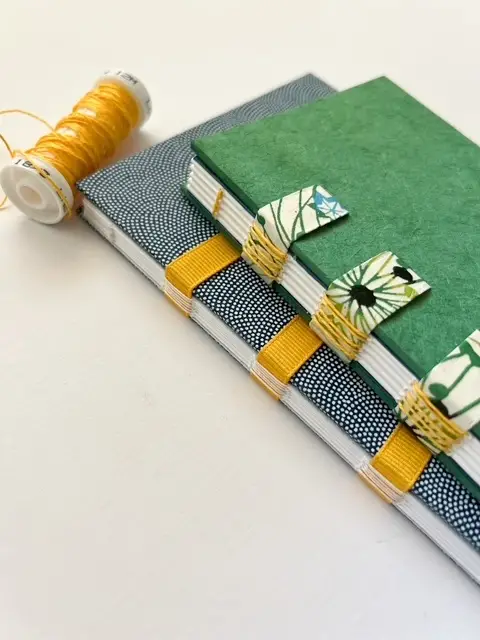
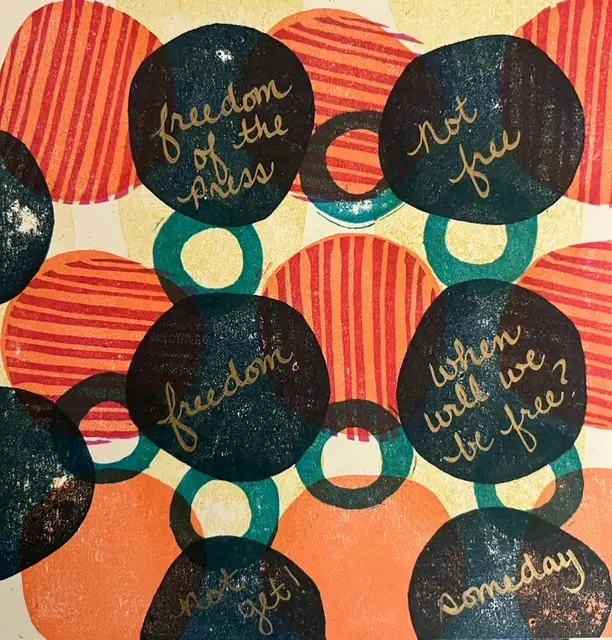
Some projects arrive as play, born of curiosity, sparked by something I overhear or glimpse. Their words move more loosely, more like a dance across the page. The design and color lean toward harmony, carrying a gentle brightness. These are the projects that bring a smile to my heart as I create them, and I hope they bring the same joy to those who receive them.
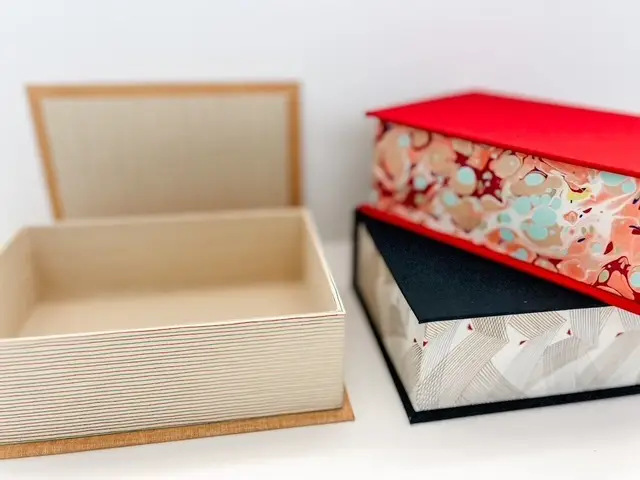
The more serious works emerge out of necessity. They hold weight because they speak to things that need to be said. Creating them is how I process what feels heavy, and I aim to render them with beauty so that even difficult truths can be received with care.
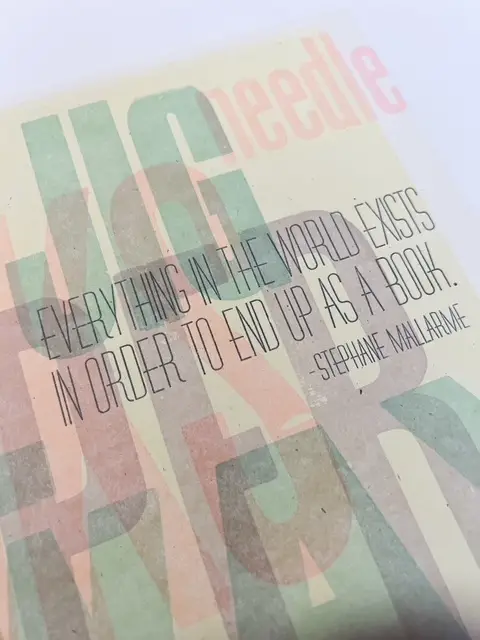
Both sides are necessary; play keeps me open, and seriousness keeps me honest. Whether playful or heavy, every piece is a conversation with what’s stirring inside me. Each one is a way of listening, sometimes to joy, sometimes to grief, always to what insists on being seen. What unites them is alignment: whether joyful or urgent, each project reflects what feels most alive and most true in the moment.
Walk me through a typical day in your studio. What do you do first, and what do you do last?
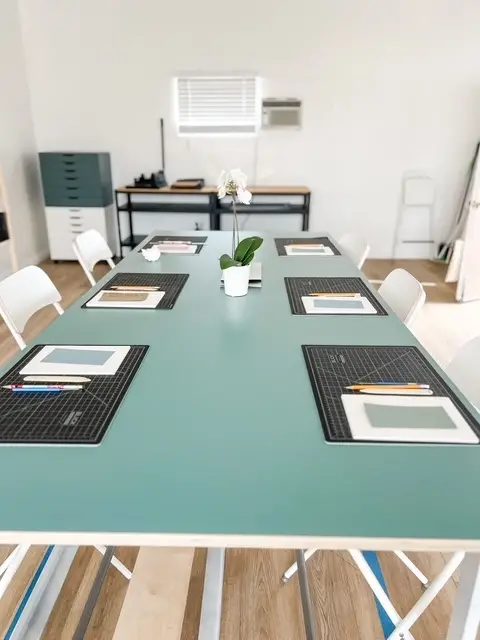
Depending on my schedule, I make it into the studio 2-4 times a week. I like to arrive at the studio early, the earlier, the better. I start by airing out the space, open the blinds (the studio has great natural light throughout the day), and if the weather’s cool, I’ll make a cup of tea.
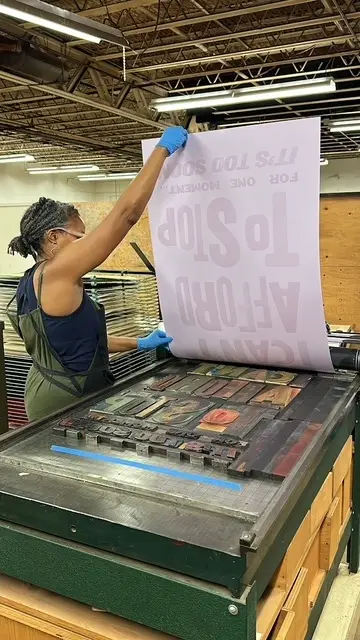
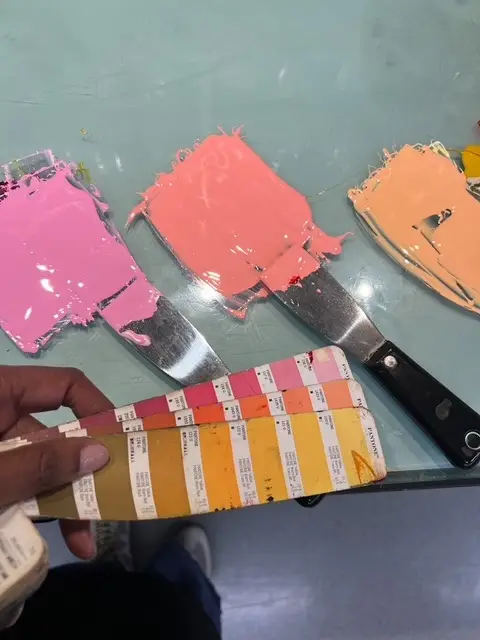
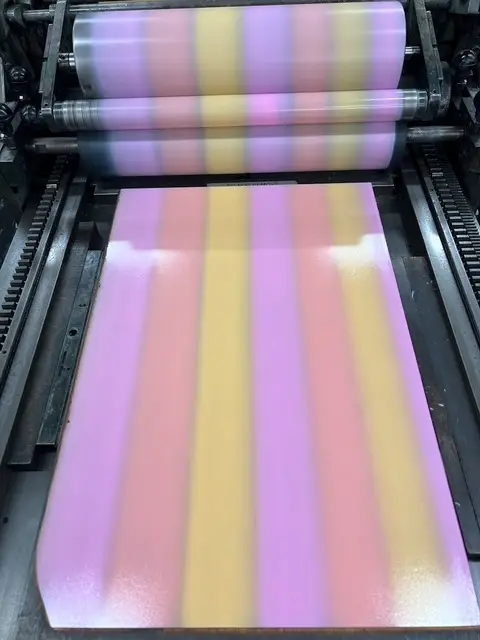
Before I begin, I put away anything I don’t need from the day before. I need a clear space to think clearly. Once a week, I oil the press to keep it running smoothly. If I’m working on a book or preparing for a workshop, I prefer quiet or maybe some lo-fi or rainy-day music in the background. But if I’m printing, it’s always old-school hip-hop or R&B. That’s what gets me into the rhythm I love when I’m working the press.
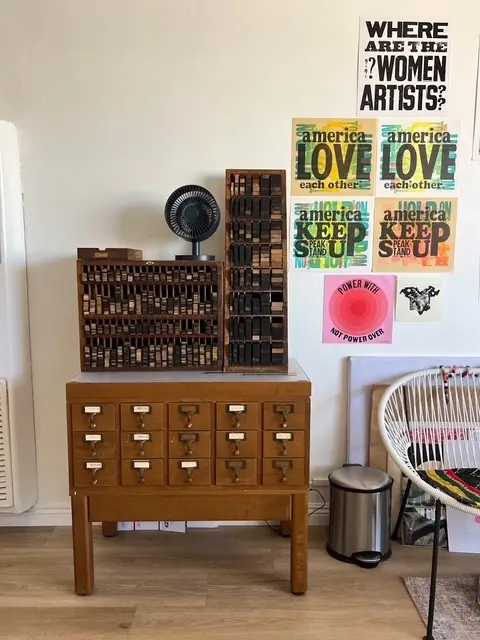
There’s no computer or Wi-Fi in the studio, and I prefer it that way. It’s truly a space for creating or reading without distractions, aside from my phone. I usually work until about three in the afternoon, when the light begins to shift and the day naturally winds down. I decide what I should work on the next visit (though that’s always subject to change), tidy up a bit, close the blinds, and lock up. I always look forward to the next time I can return to the studio.
How do you balance hands-on press time with the admin of running a studio and workshops?
Honestly, I don’t know if balance really exists. I love being on the press, that’s where I feel most grounded, but running a studio also means handling all the admin and workshop prep. I’m good at the basics, like paying bills on time, but I find tasks like marketing, sending newsletters, and refreshing the website to be more challenging.
Teaching and leading workshops require a lot of planning, but the energy of being with people and seeing what they create always feels worth it. I love teaching! Additionally, I have a part-time job that I really enjoy, which makes it even easier to delay the parts of studio life I don’t look forward to. I haven’t explored AI for administrative tasks yet, but I might consider it someday. It seems like one of those tools that could lighten the load. For now, though, it’s a constant back-and-forth, making space for the creative work I love while trying to stay on top of everything else that keeps the studio running.
For makers who only have “scraps” of time, what small practice would you recommend to keep creativity alive?
Participating in workshops is an excellent way to keep creativity alive. Sometimes, we leave a workshop feeling inspired, knowing we’ve nurtured our creative spirit.
Another idea is to set aside just 15–20 minutes each day for your practice. It doesn’t have to be about finishing a project; it’s simply about staying connected. For example, I’ve been using that time in the mornings before work for stamping patterns, not to complete anything, but to ground myself, create using my hands, and gradually improve my skills.
Even when I don’t have hours of studio time during the week, those short sessions keep my creativity alive and leave me feeling accomplished.
Where can people see your work?
scrapscollective.com (new website coming soon)
IG: @jenngraves // @scrapscollective
Interview posted October 2025
Browse through more inspiring interviews on Create Whimsy.