
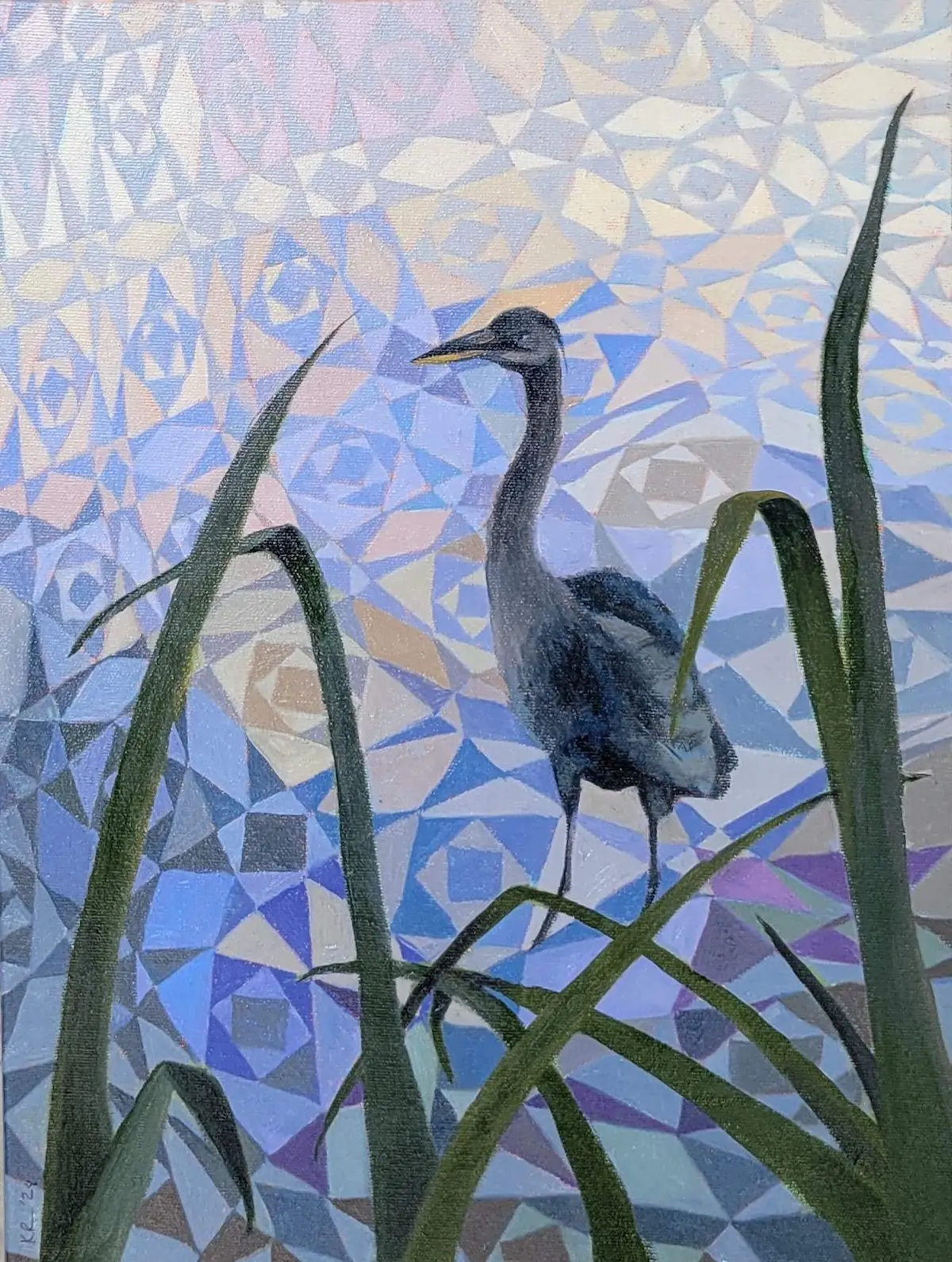
Kathy Roseth’s creative journey has taken her from traditional quilting back to painting, where she finds beauty in color, pattern, and everyday objects. Inspired by textiles from around the world, family memories, and the rich designs of handmade fabrics, she creates still-life paintings that bring these objects to life in unexpected ways.
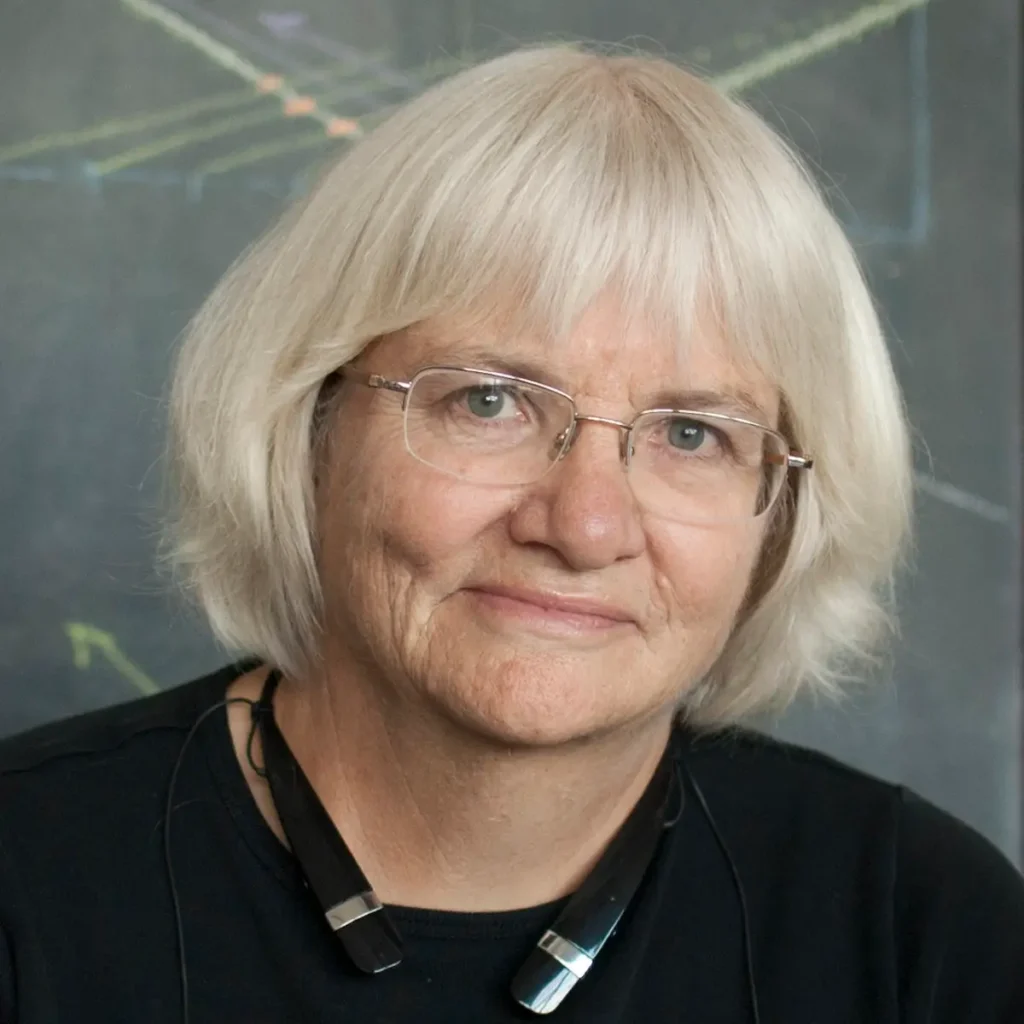
You began painting in high school, then spent about twenty years making traditional American quilts before returning to fine art. What first drew you to making things, and what did you love about creating when you were young?
I was always drawing when I was little, from about 4 years old on –which was in the late 1950’s in Philadelphia.
I copied Disney movie books, Archie comics, pictures in the World Book encyclopedia. I didn’t question it, it was just something I liked to do, and I think my mother was grateful that I could be so quietly entertained (I was the third child of five).
She salvaged paper that had been used on one side and stacked it up for me to use the other side. My parents required us to go to church every week but allowed me to draw all over the program while I sat quietly during the (long) sermons.
As an Amazon Associate I earn from qualifying purchases. Read more about our affiliate linking policy.
It wasn’t just drawing – it was building little houses with popsicle sticks, or melting lead soldiers with a soldering gun and pouring the lead into water to see what fantastic mountains the lead created when it hit the water (yes, that was a kid’s toy in the 1950’s).
My mother taught me to embroider little images on cotton swatches while she did her own sewing, usually clothes for one of us – definitely one of my favorite memories from early childhood.
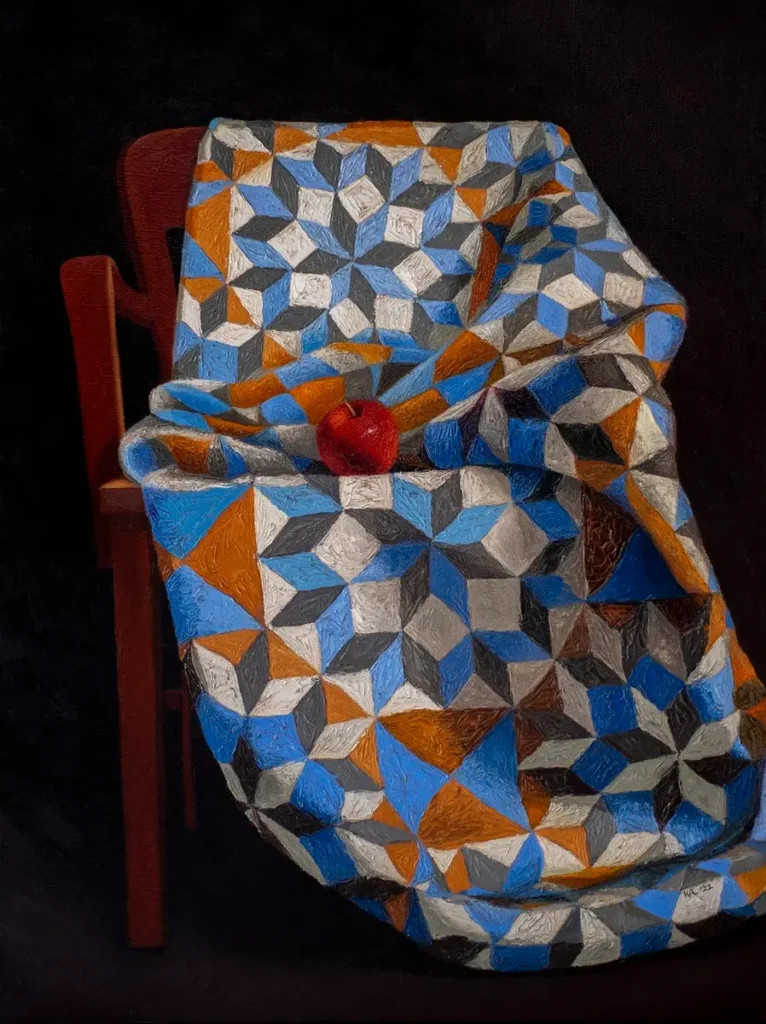
Do you remember the first time you felt that art was something you wanted to pursue seriously? What was happening in your life at the time?
I toyed with the idea of going to art school in the mid-1970’s but I’m really glad I didn’t. I’d majored in English literature in college, and took a few painting classes as electives, but it never occurred to me to take it seriously, even though I read art books for fun and went to the art museum whenever I was in a new town.
I was not very vocationally focused and found clerical work of one kind or another to pay the rent. Then I delayed getting a real job by going to graduate school in English literature and getting a master’s degree, even though I had no intention of being an academic; I was just stalling.
After graduate school, I started painting again. It got me out of my head and made me happy. But after a while I got frustrated because I didn’t have the drawing and painting skills to make the kind of art I wanted to make, which was representational. I considered going to art school, but I’d already spent most of my life in school and wasn’t sure I needed more, and at the time art schools were teaching conceptual art and art criticism and had pretty much given up on basic skills training, like drawing.
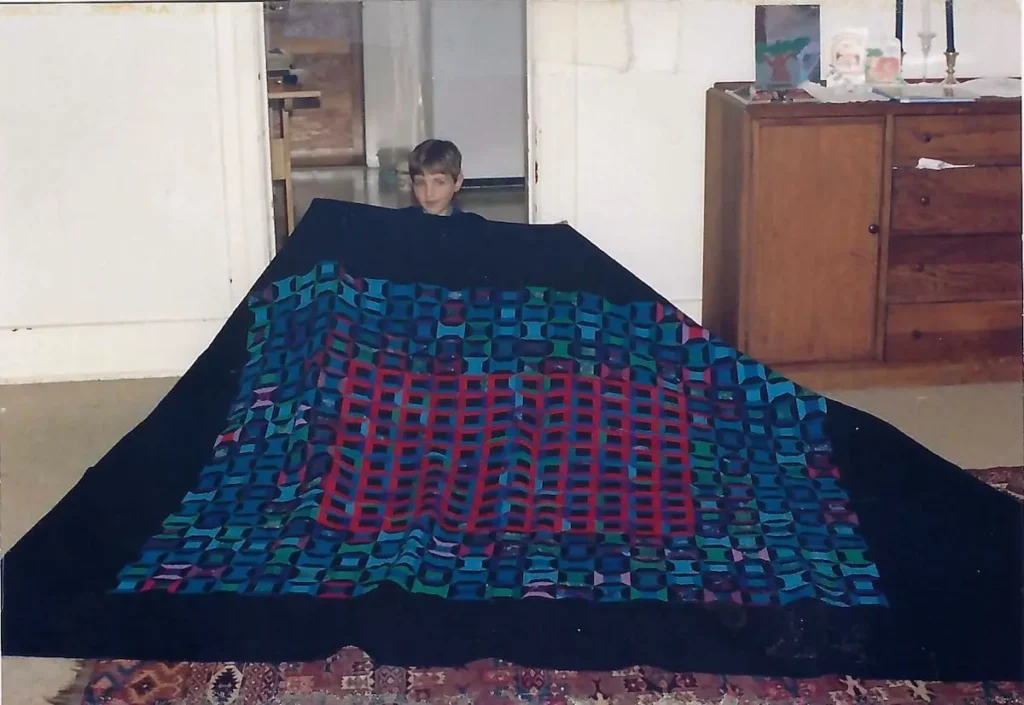
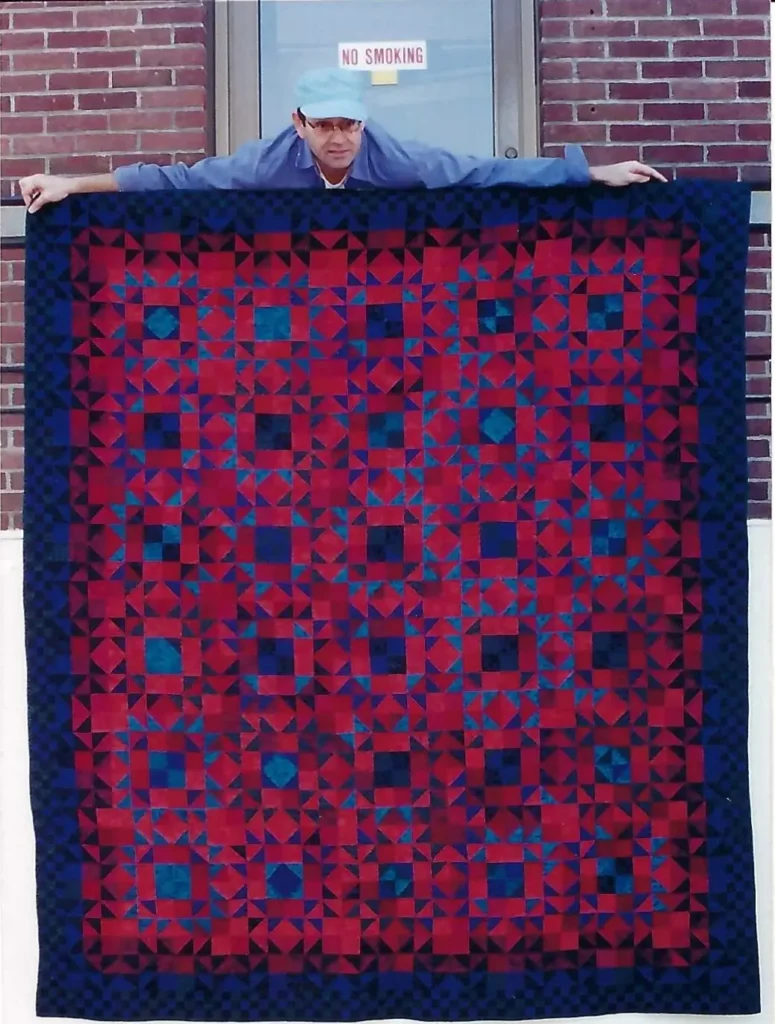
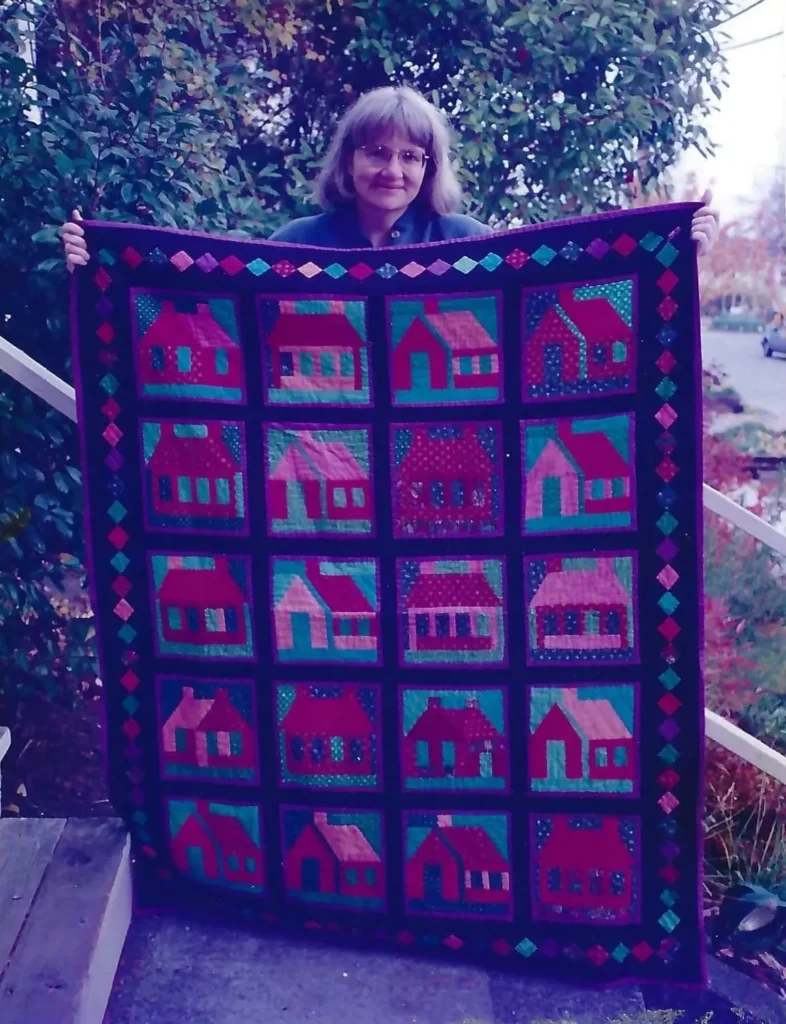
If I’d gone to art school in the 1970’s I’d have run screaming away from art probably forever. A few years later I started making quilts. I remember saying to myself that the world didn’t need another mediocre painting, but nobody objected to a mediocre quilt because it could keep you warm. And quilting had all the sensory pleasure of paint, sometimes more – rich colors in unimaginable variety, and tactile pleasure as well.
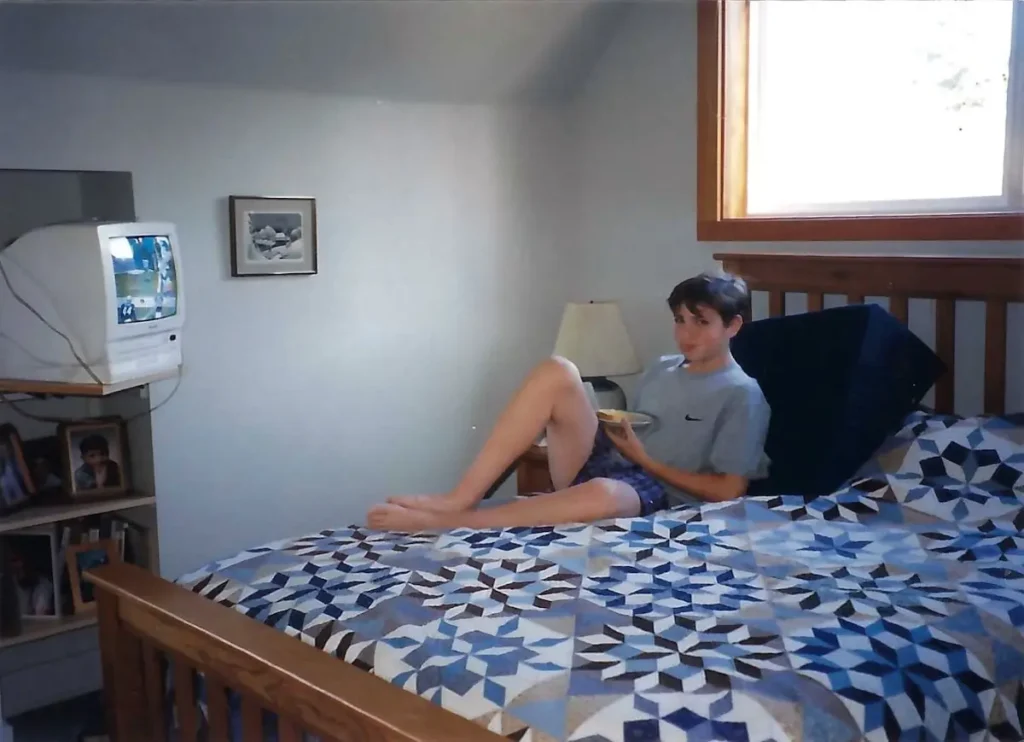
After spending two decades making quilts, what inspired you to return to painting in 2003? Was there a moment when you knew it was time for a change?
Yes, actually, there was.
Our son had left for college. There was nothing about his presence in the house that prevented me from making art, but an empty nest is a big moment of transition.
I remember going bird watching on the Skagit flats with a friend in 2002. We were walking along this great gray horizontal expanse of beach and sky, and I stretched out my arms in both directions and declared, “I want to paint!”
That summer I enrolled in a landscape painting class at Gage Academy, had a wonderful teacher (artist Rebecca Allen) who told me I was a wonderful painter! It was like rain on a desert.
Between 2002 and 2015, I enrolled in 45 Gage classes and workshops while working full-time as a low-income housing professional. I retired in 2014, and then joined one of Gage’s full-time atelier programs. I spent the first five years of retirement in art school.
You were born in Iran and grew up surrounded by Middle Eastern rugs. How did those early experiences shape your eye for color, pattern, and texture?
I don’t know. But I knew that they created softness in the world, humanized and enriched it. And my favorite color palette of alizarin crimson and cerulean blue was probably established by staring at those rugs from an early age.
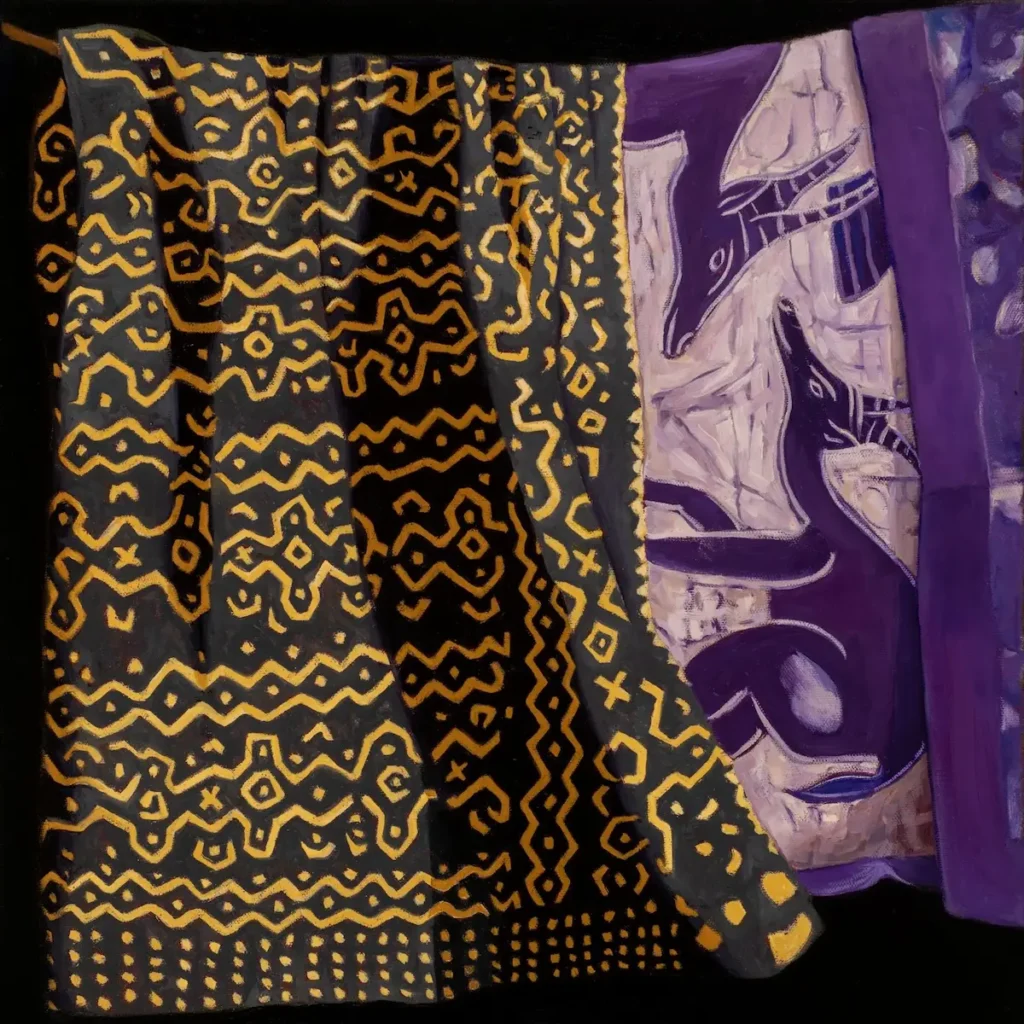
Objects such as your mother’s sari, an Iranian carpet, African textiles, and Mexican embroidery have shown up in your work. What draws you to an object, and how do you know when it has a story you want to tell?
My first gallery show at Gallery 110, in May 2023, was titled “Artist and Artisan: Still Life Paintings;” most of the fabric paintings were made for that show.
I don’t know what draws me to an object. The still-life setup I place it in must have movement and stability in the composition, and something unusual and satisfying in the color.
Once I made the first few paintings of Afghan weavings, I realized what a gold mine I’d discovered in artisan crafts as subjects for paintings, particularly fabrics: endless variety in color and pattern, historical and cultural richness, emotional resonance.
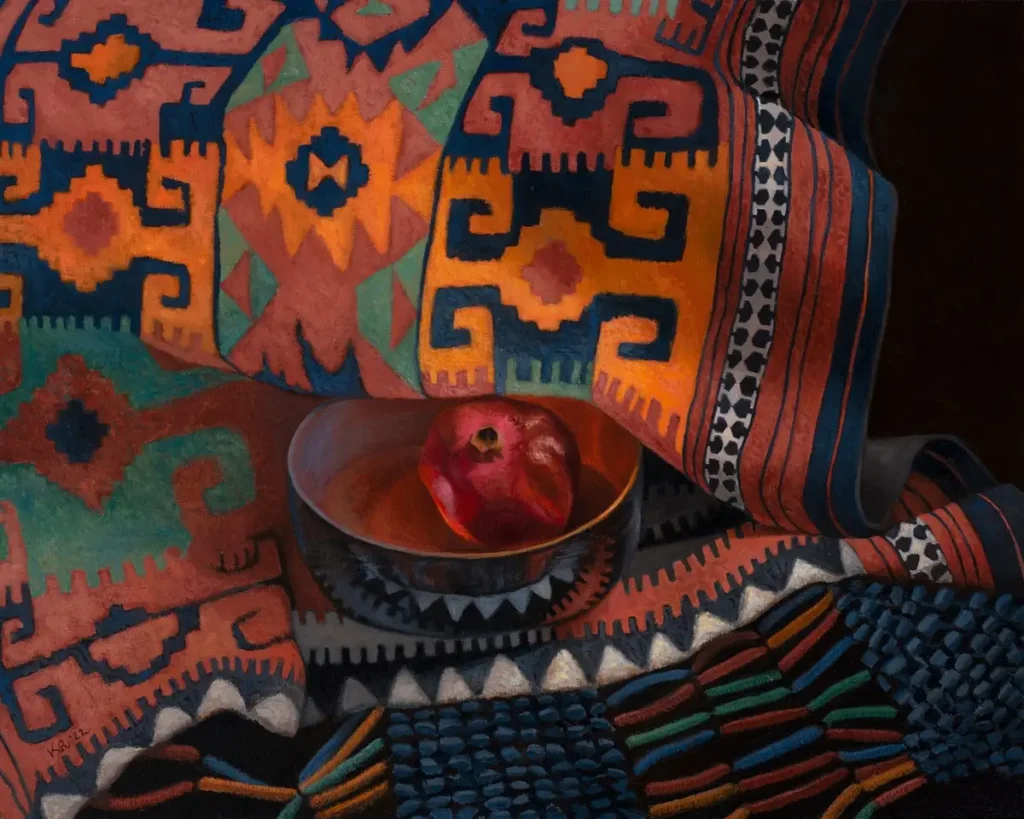
Your interest in traditional crafts grew during your travels in Mexico. Was there a particular place, object, or experience that changed the way you looked at handmade things?
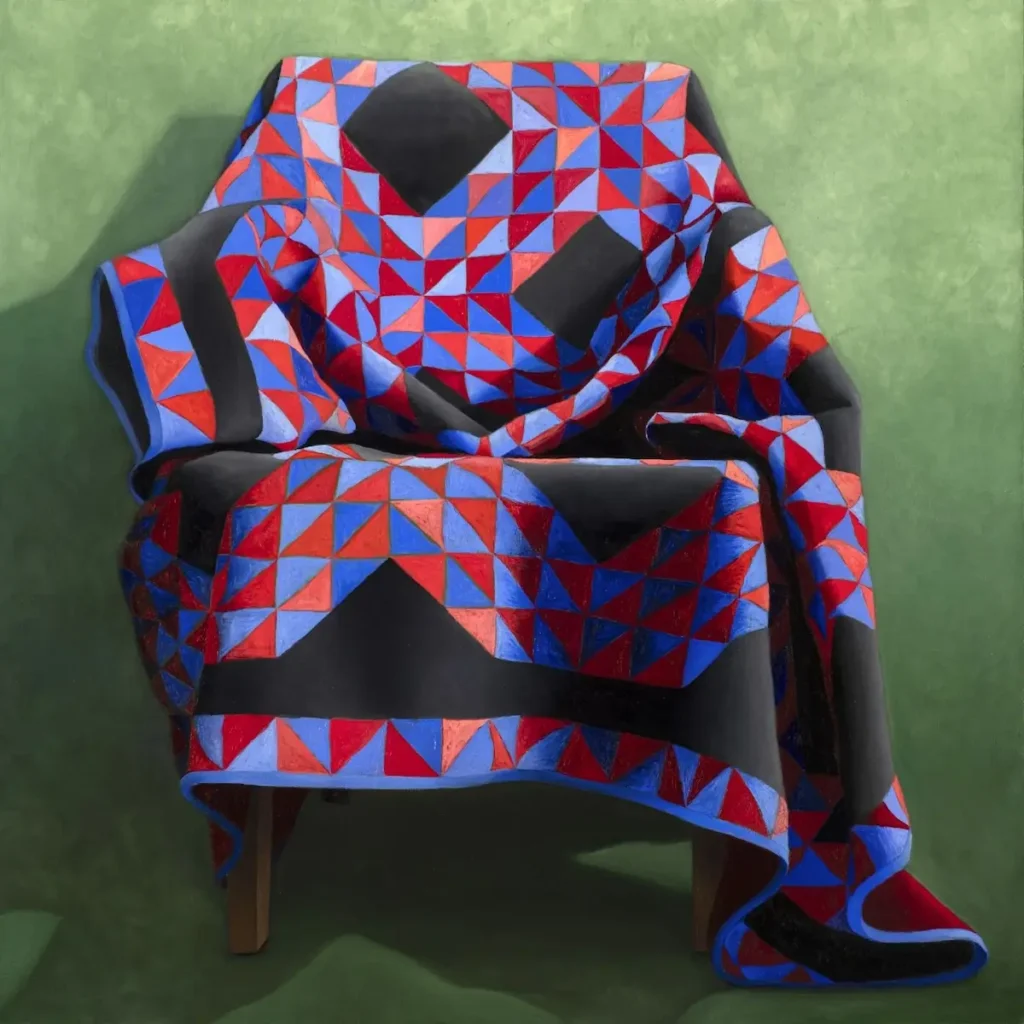
The first time I was struck in this way was when I saw a show of the great old Amish quilts at the Henry Gallery on the University of Washington campus, sometime in the early 1980’s. I was stunned by the power of the rich colors and geometric shapes, and the exquisite craftsmanship. It moved me more than a room of Rothko paintings at the Phillips Gallery in Washington DC. Shortly after that, I took my first workshop on how to quilt, and made a traditional log cabin quilt, hand-pieced and hand-quilted.
Some of the objects you paint have been part of your family history for many years. What is it like to paint something that carries personal memories, rather than an object you have just discovered?
Well, of course, it can be very emotional, especially in the early days of setting up the object in the studio and establishing the composition. At some point it becomes just like any other painting, with a host of problems to solve.
Newly discovered objects can have a lot of power as well. I came back from Dabob Bay with a bag full of moon snail shells, which set me off every time I look at them because they have mute, funny faces and such round bodies.
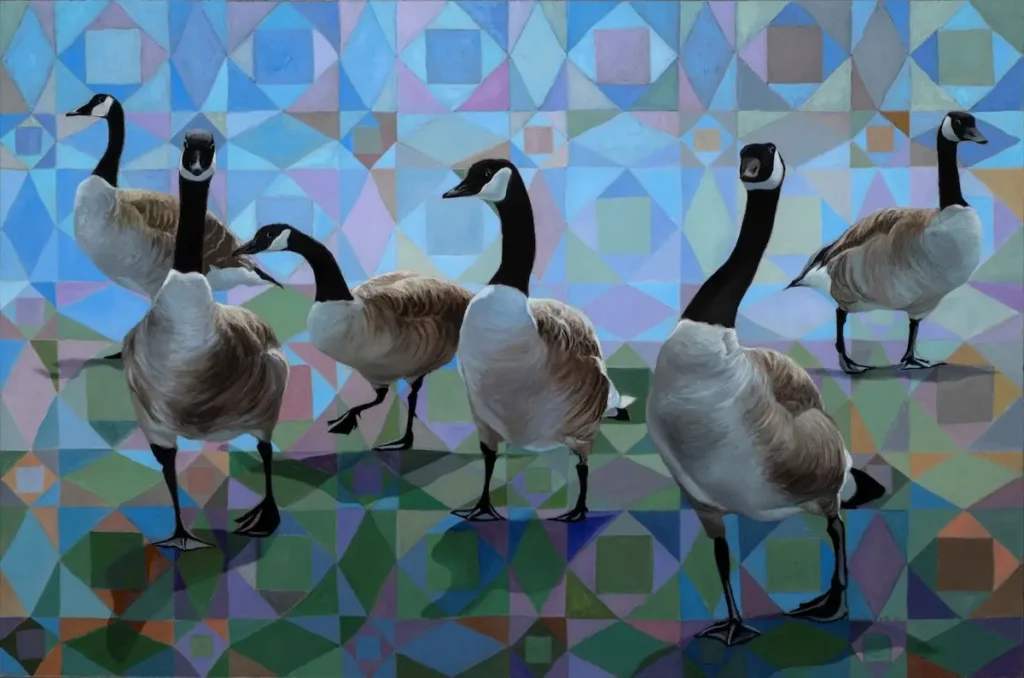
What can painting teach you about quilts, and what can quilting teach you about painting?
They both pose formal problems to solve.
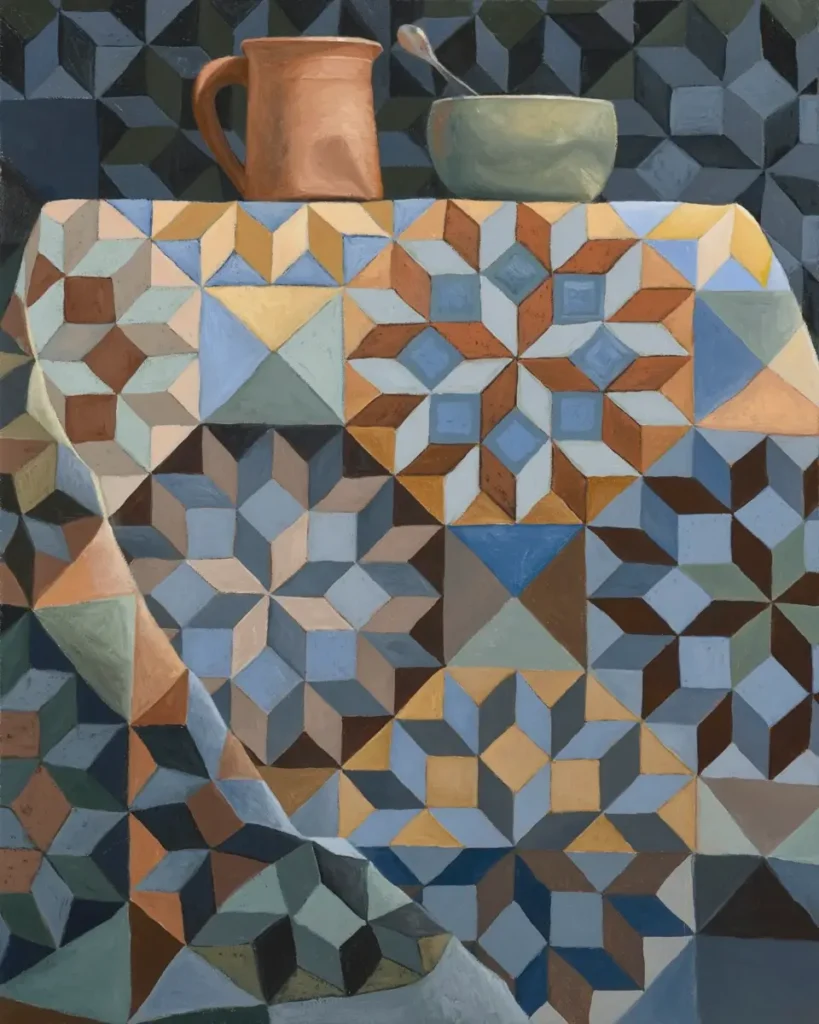
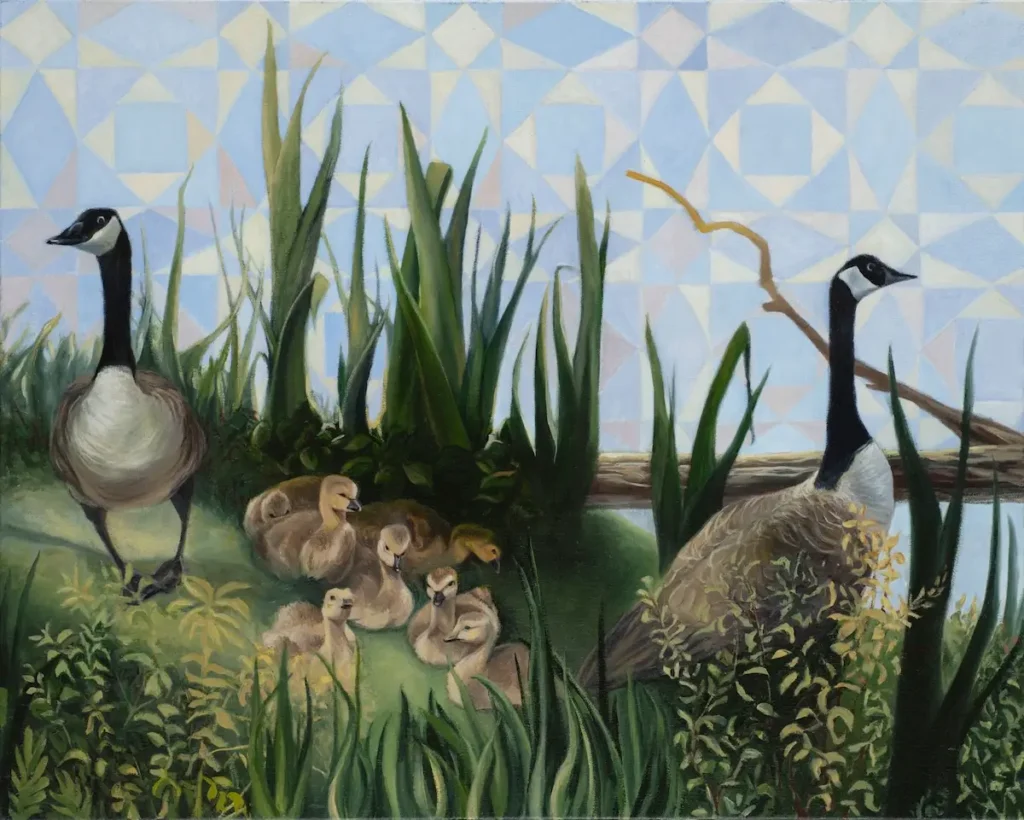
I love the way that traditional quilts with highly geometric patterns set up a rigid framework, through which an infinite variety of colors can flow, forming secondary and tertiary light and color patterns. The strict limitation of the pattern is what spurs the creativity.
Painting can be similar. Artists sometimes limit their palettes to three or four colors or make other rules for themselves (“no straight lines!”) to inspire similar creativity. The limitation starts out as an obstacle and a problem to solve, and the eye and mind get to work generating solutions.
Your still-life paintings have evolved from familiar tabletop scenes to more imagined spaces that place textiles at the center. What led you to explore these less realistic settings?
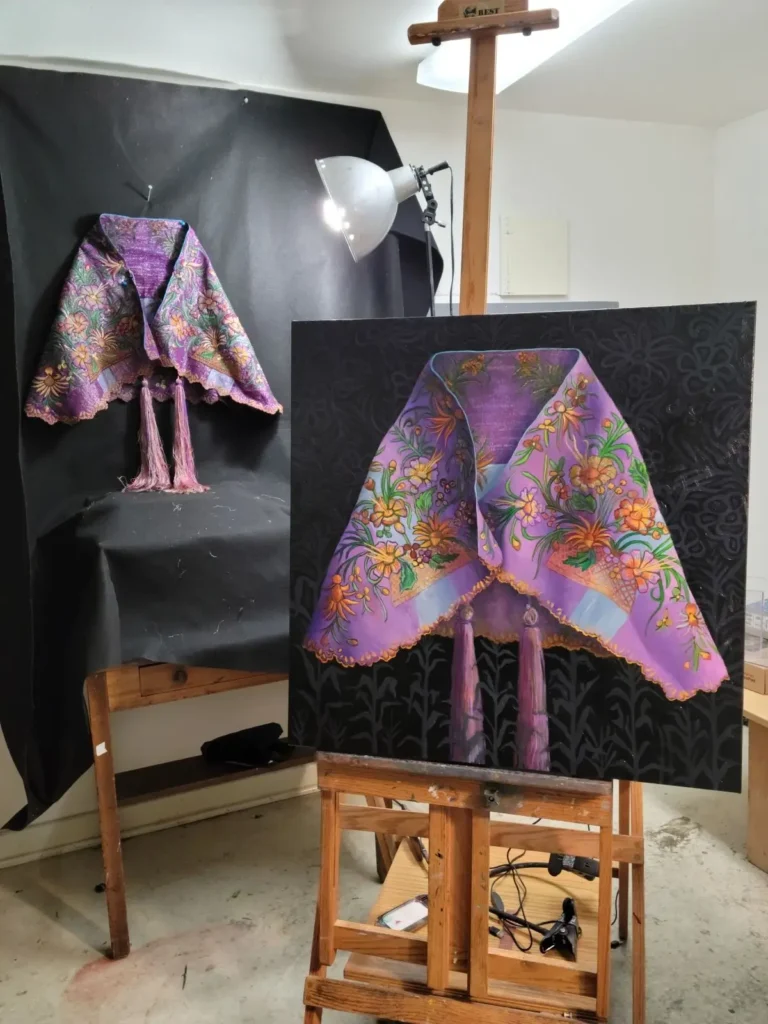
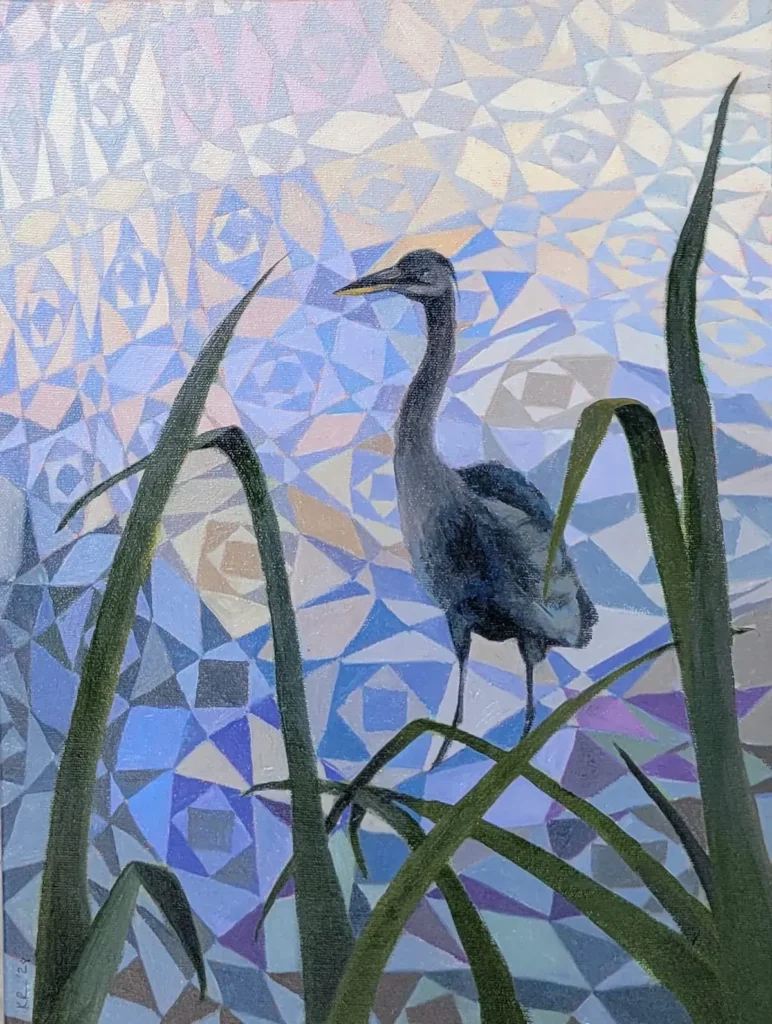
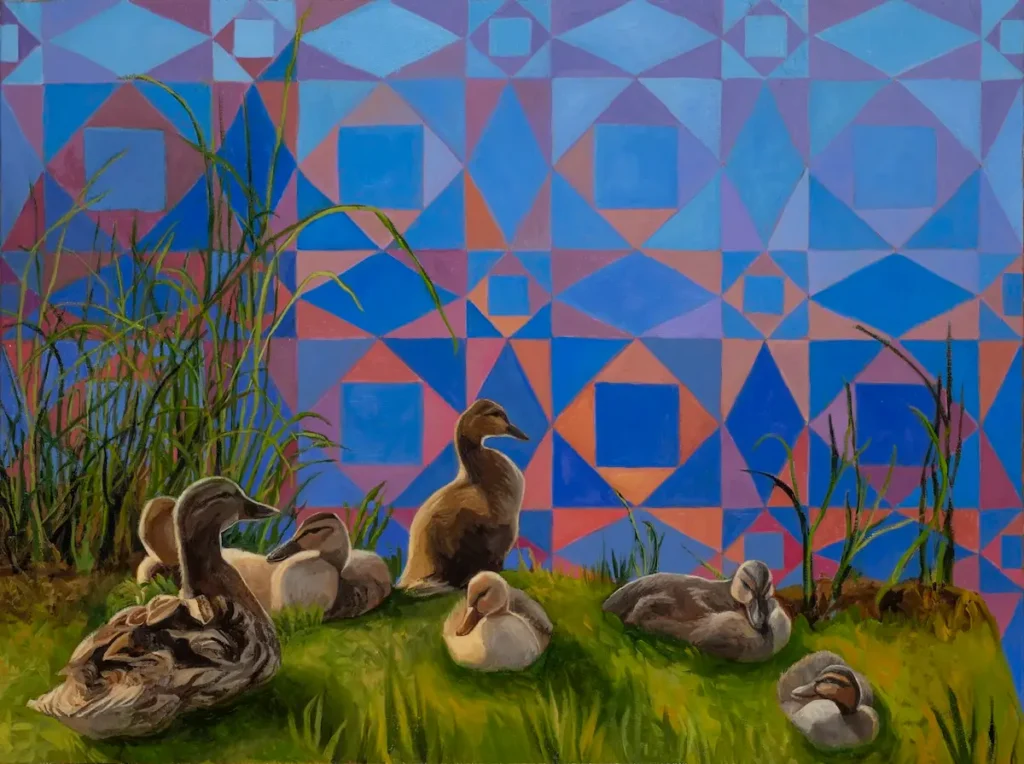
The change was driven by the objects I was painting. Big rugs and quilts aren’t best displayed lying down on a table top. You need to hang them on or from something, which creates the opportunity to have them just dangle in space with imaginary objects populating the negative space around them (like in my painting “Mayan Shawl,” which features ghostly ears of corn brocaded in the background.)
Describe your creative space.
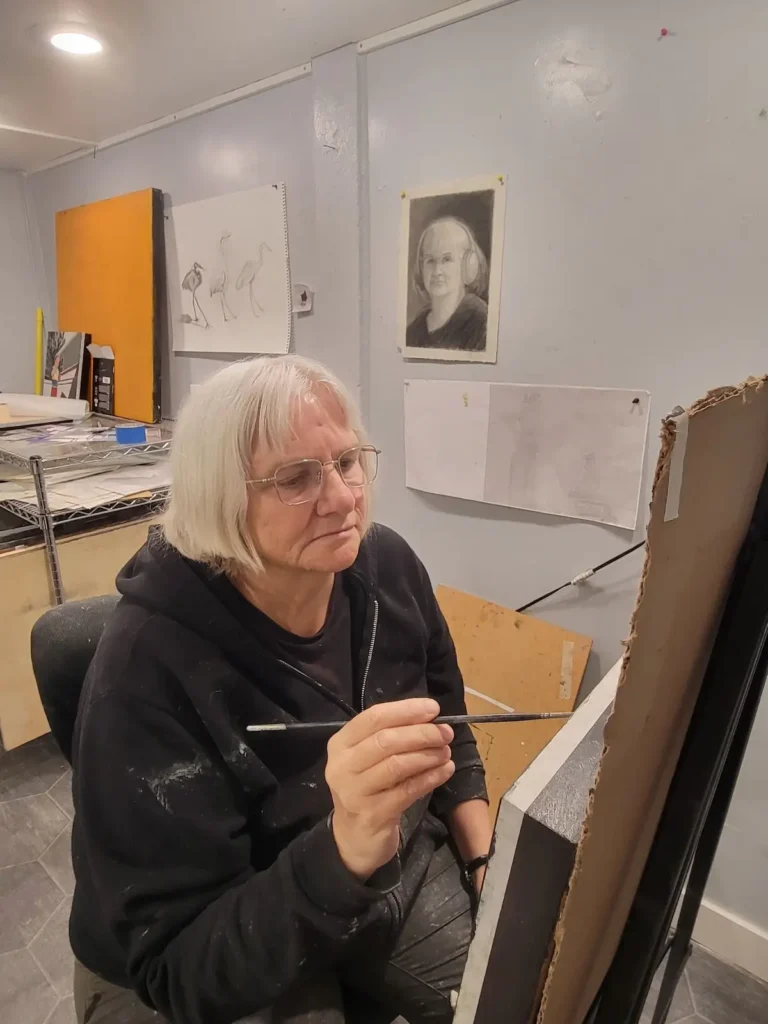
My studio is pretty much the whole basement of our 1917 farmhouse in Wallingford, Seattle. It’s generally dry and has a high ceiling and some rooms have high windows that can open.
I draw and paint in the smaller room (clean, well-lit, and well-ventilated, with just the essentials at hand, not too cluttered), and I have another large room for canvas storage and high work tables for gessoing and varnishing work.
I’ve been steadily adapting the space to the way I want to work over the last 25 years or so. It’s comfortable, and it’s right downstairs.
When you choose an object to paint, how do you set up the scene? Do you work from objects arranged in front of you, photographs, sketches, or a mix of approaches?
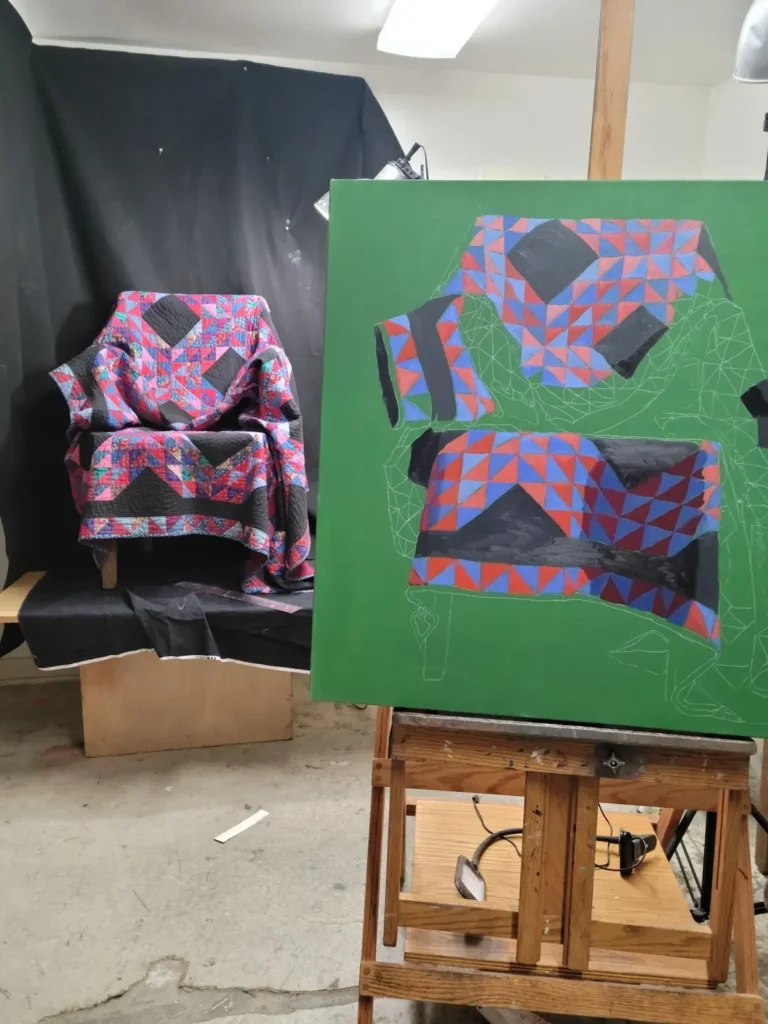
I paint still lifes from life, figures from photographs, and landscapes from both real life (plein air) and photographs. I spend a lot of time establishing the composition, and when I’m working intelligently, I spend a lot of time on the underlying drawing. I always regret it when I skimp on that step.
Light plays such an important role in still-life painting. How do you study the way light falls across a textile, a bowl, or another object, and how do you bring that feeling onto the canvas?
Painting is all about light. This is particularly clear in still-life paintings, but it’s true of all painting.
I have a variety of lamps stored on a shelf in my basement, which I swap in and out when I set up a still-life painting, just as I move the surface the objects are sitting on up and down to change the eye level, until I have a pattern of light and dark that is satisfying.
I sometimes then do a 4-value painting sketch of the setup (black, dark gray, light gray, white) to make sure it works. My goal for the objects in the still life seem like citizens of another world, all bathed in a common light. Done properly, still lifes should be a little spooky.
How do you decide when a painting is finished? Is there a point when you know it has everything it needs, or is letting go sometimes the hardest part?
I had a teacher once tell me that a painting is finished “when every square inch is delicious.” It is not, she said sternly, when you’re tired of it.
When I’m approaching the asymptote (that’s what I call finishing a painting – a Zeno’s paradox – you can never be done done), I find it hard to consider any part of it delicious, it’s all imperfect.
I have learned to stop when nothing I can think of to do will make it better. Sometimes I just need to let it sit for a while, a week or a few months, and then return to it with fresh eyes.
You returned to fine art after many years spent on a different creative path. What has that experience taught you about starting over and giving yourself permission to change?
In switching from quilting to painting, I think the permission-giving came in the form of being willing to be an ignoramus again.
I remember a bible passage from my youth, “you must become as a little child to enter the kingdom of heaven” – it’s like that. I had painted a bit as a young adult, so I was aware of how hard it was to do well. I patiently spent hours in the life room, drawing figures badly, and hours copying master drawings and master paintings, and gradually I became satisfied with my drawing skills, such as they were.
Has your relationship with making art changed as you’ve gotten older? Are there things you understand about creativity now that you couldn’t have understood earlier in life?
I’ve learned a few things.
One, it doesn’t matter what you paint. I used to spend hours traveling to perfect locations to set up a canvas, or browsing in thrift stores for the perfect items for a still life. But images that can be turned into good paintings are all around you, all the time, indoors and outdoors. The hard part is isolating them, really looking at them, arranging them, and then doing it, making the painting.
I’ve also learned that medium-priced art supplies work as well as expensive ones; you can’t buy your way into a good painting.
I’ve learned that a morning spent listening to music and drawing is more peaceful, more Zen-like, than a morning spent listening to music and painting. Painting just presents more problems to solve. You can lose yourself in a drawing—it’s simpler, more direct, and you’re closer to it.
How do you make room for art alongside the other responsibilities and interests in your life? What helps you protect time for your creative practice?
When I was still working and trying to make art, the competition for my time was my day job, which could be very exhausting.
Since I retired (almost 13 years ago), there’s no job to blame, just the inconveniences of getting older, flagging energy, doctor’s appointments, occasional bouts of anxiety and depression as one health issue after another rises up.
I protect morning hours, which have always been my best for making art (or doing math, or learning Greek, when I was younger). I try to create a regular pattern for my afternoons of exercising, seeing friends, and cooking intelligently, to stay as healthy as I can for as long as I can.
What advice would you give to someone who has spent years making quilts, embroidery, or other fiber arts and is curious about trying painting or another new medium?
Take an introductory class at Gage Academy of Art in Seattle. The school is built for people like me. No portfolio review, no admissions process, you just show up, pay a reasonable tuition, and learn from a teaching artist. Gage is full of wonderful teaching artists who are able to teach skills as well as spark curiosity and give encouragement. It has classes online, at night, and on weekends. Very low barrier, very low stakes, perfect for finding out if you’d like to learn a new medium.
Where can people see your work?
I’m a member artist at Gallery 110 in Pioneer Square, Seattle. It’s a nonprofit artist collective where I can launch a solo show every 18 months or so. I have a few pieces in storage there, as well as a flat file full of prints and small paintings. If someone would like to be notified of my next show, let me know, and I’ll put them on my email list. I generally go out to it only if I am marketing a new show, no more than once a year. I also have a website, https://kathyroseth.com, and an artist page on Gallery 110’s website, https://gallery110.com/kathy-roseth.
Rapid-Fire Fun:
- Favorite color to paint? Blue.
- Favorite textile tradition? Traditional American quilts, especially from Amish and Mennonite communities.
- A place that inspires you? Green Lake, in Seattle
- A tool you can’t live without? A palette knife
- One word for your creative process? Searching
- What makes a day in the studio a good day? A good night’s sleep and a free morning.
Interview posted November 2026
Explore more painting inspiration on Create Whimsy.