
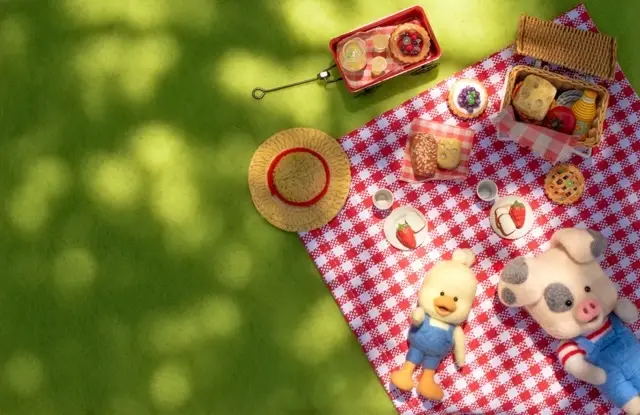
Chelsea Trousdale brings her playful animal characters to life in a whole new way with needle felting. As an illustrator and character designer for studios like Disney and DreamWorks, she combines drawing, storytelling, and wool to create charming sculptures full of personality. In this interview, Chelsea shares how she brings her characters from sketchbook to sculpture and why she hopes to see more handmade texture in animation.
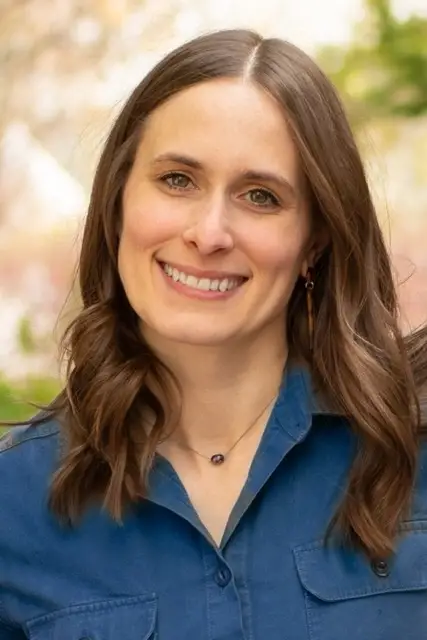
Before needle felting, you were already creating characters as an illustrator. When did you first realize those characters wanted to step off the page?
In character design, you spend a lot of time trying to get proportions and shapes right so a character is appealing. I realized that having physical sculptures of my characters actually made my 2D drawing better.
Being able to use my sculpture as reference helps me understand the characters more when I draw them, which in turn helps me sculpt them better. It’s like a feedback loop where drawing and sculpting feed each other.
Plus, wool takes the light completely differently than something like clay. It has a warmth and texture that fits animal characters nicely. Translating my drawings into needle felt just gives them a totally unique look and feel, especially for an art style like mine.
As an Amazon Associate I earn from qualifying purchases. Read more about our affiliate linking policy.
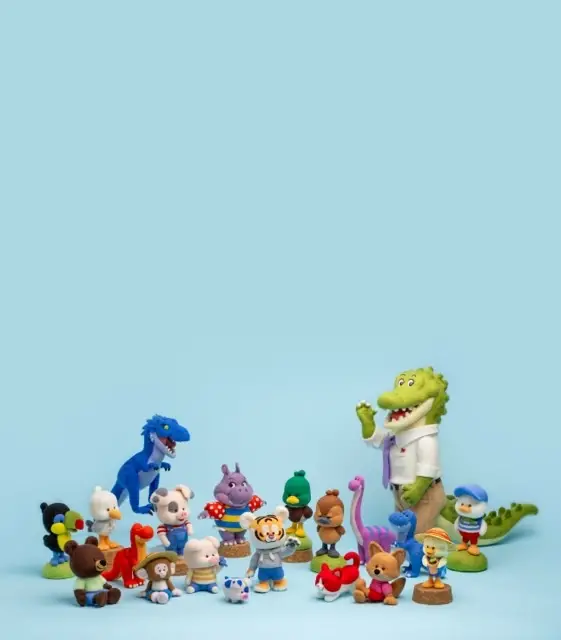
Your characters feel like they each have their own personality. Where do they begin? Is it with a sketch, an expression, an animal, or something else?
It always starts with a sketch. I’m a professional illustrator first and foremost. That’s what I studied in school, and now I design characters for studios like Disney and DreamWorks.
That said, I’m naturally drawn to animals. I’ve always loved them, and drawing them is so much fun because they have such unique shapes and distinct personalities.
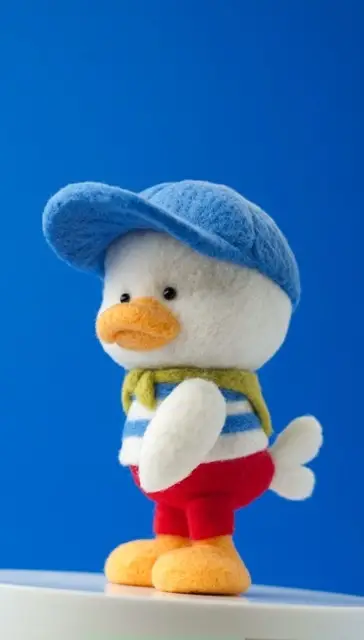
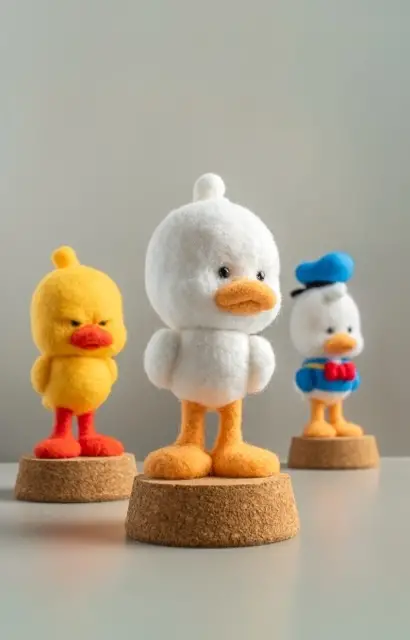
Right now, my husband and business partner Jonny and I are building an original story world around a duck character named Bradly. He’s super cute, and it’s been really fun coming up with his whole family and friends.
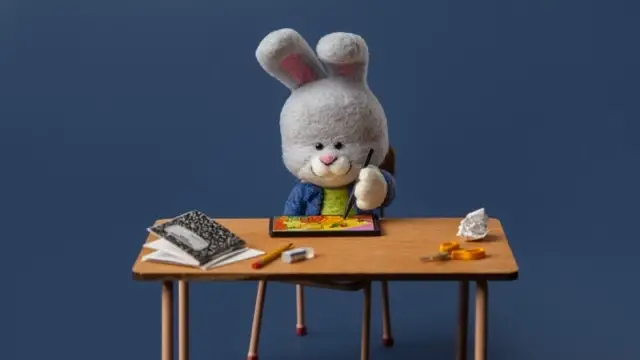
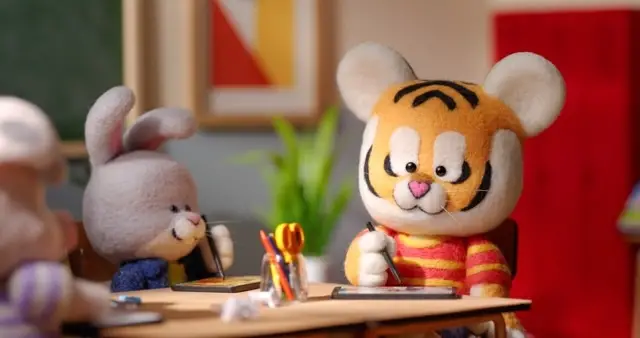
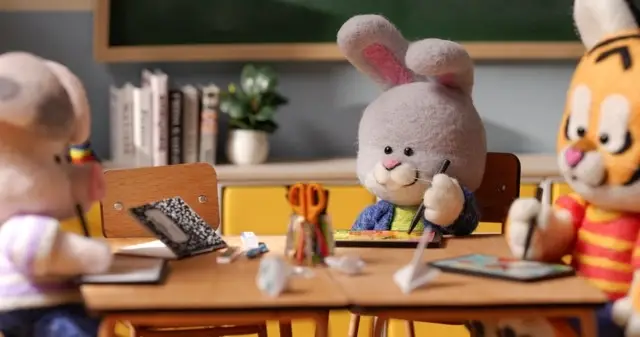
We both love ducks, so it comes naturally for us to immerse ourselves in the world we’re creating. That being said, I am constantly creating different animals, whether it’s for brands like Wacom, for whom we did the Back 2 School campaign, or for other clients.
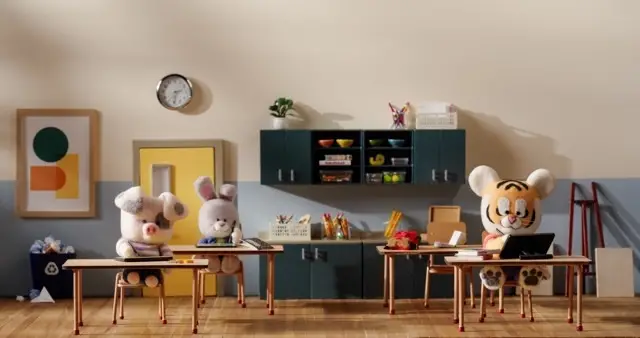
What does your creative process usually look like from the first idea to the finished felt sculpture?
I typically start sketching out ideas either on paper, or digitally on tools like my Wacom Cintiq. I draw loose sketches to get as many different ideas out of my head as possible, and then start to narrow down those ideas to the best ones as they evolve.
I don’t start needle felting until I have a solid design. I plan it all out first because I like to use premium wool with a specific texture, and I go through wool ridiculously fast as my sculptures get bigger and more detailed.
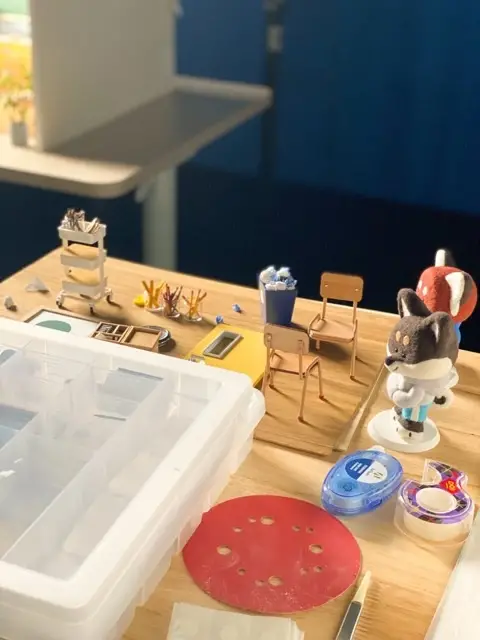
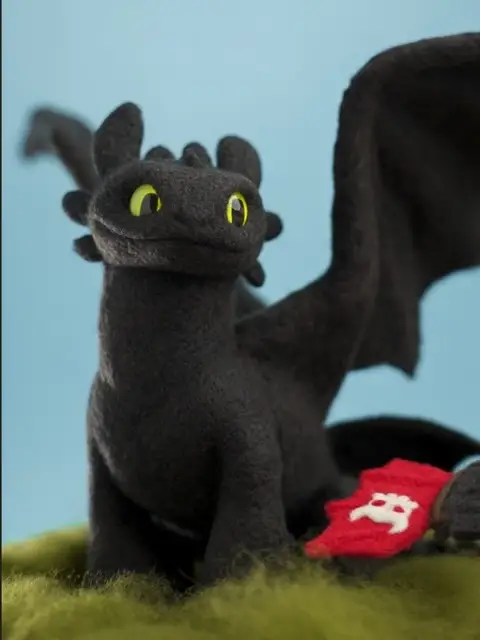
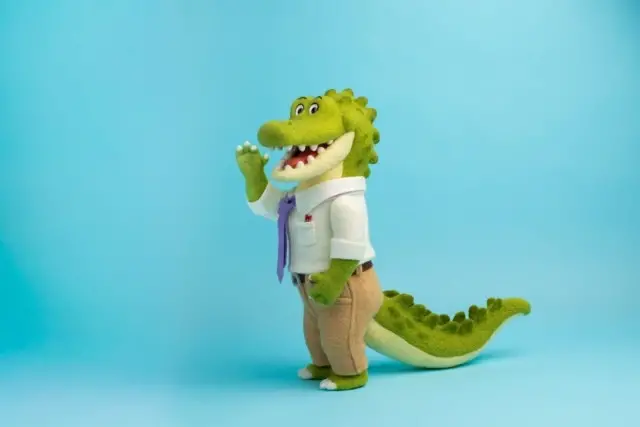
Once I like the design, I build a poseable wire armature for the skeleton and start sculpting the body using carded wool. I’ll often build custom props, whether they are made from felt, 3D printed, or purchased from other creators.
After that, Jonny takes over and does his magic with the photography, video, and editing before it goes up on socials. Credit where credit is due, my friend Matthew Butler (@matts_lookbook) helped with the amazing Wacom campaign photoshoot and video. He’s an amazing videographer, and I couldn’t be more grateful to collaborate with such talented individuals.
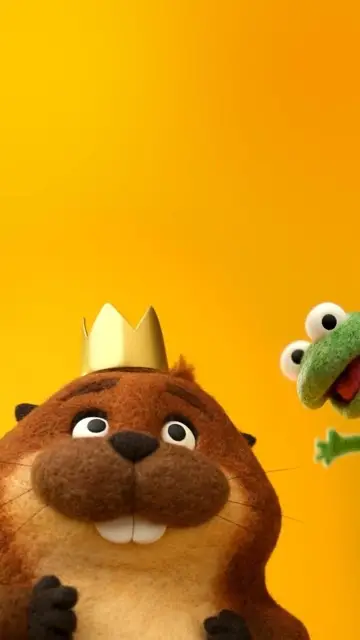
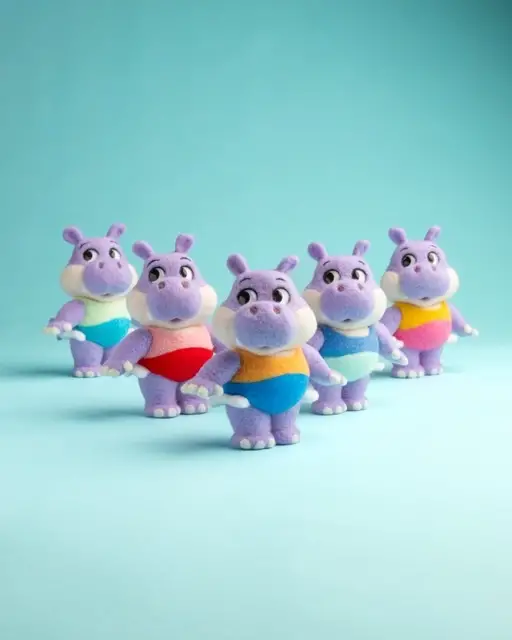
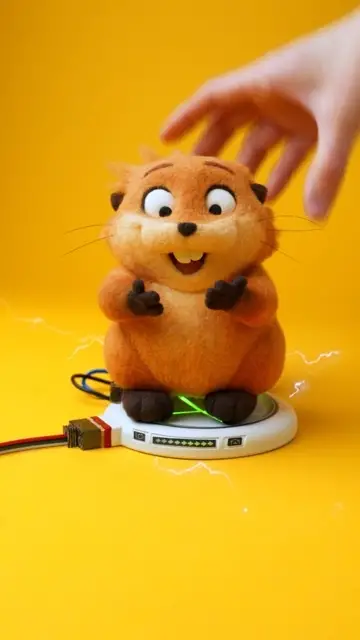
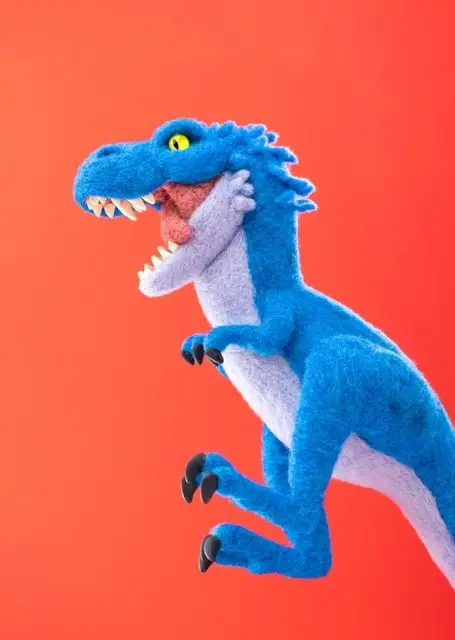
Needle felting is wonderfully forgiving, but it still takes precision. How do you know when a piece is finished?
That’s correct. Wool is super forgiving, and that’s one of the reasons why I love it so much.
I’m often asked, “Chelsea, how do you get your sculptures so smooth?” The key is the type of wool you use. Carded wool felts together densely and evenly, giving my sculptures their soft, smooth finish, whereas wool roving behaves completely differently.
Fun fact: I made a custom sculpture of Mabel from the Pixar movie Hoppers. Instead of starting from scratch, I took an old sculpture of a cat that I wasn’t too fond of anymore to use as the base.
The sculpture now belongs to actor Bobby Moynihan (who voices King George in the film), and he technically owns a cat that has “hopped” itself into a beaver’s body! If you watch that Mabel video on my Instagram, you wouldn’t be able to tell because I didn’t start filming until the cat was completely covered.
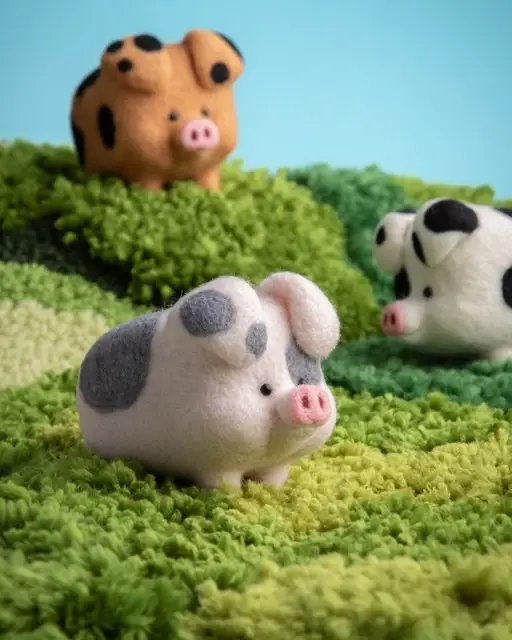
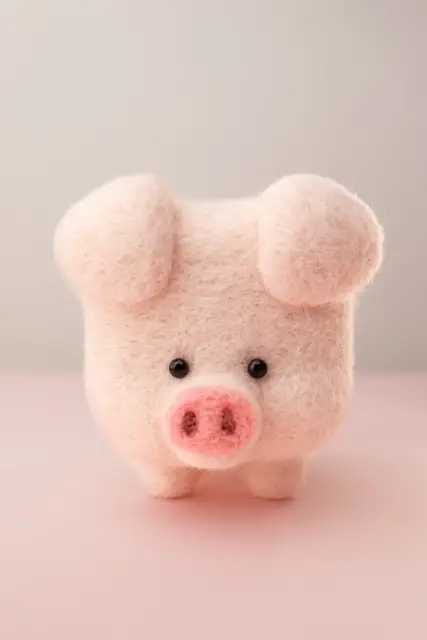
To answer the question: I know a piece is finished when the sculpture matches the drawing. It requires a lot of staring from multiple directions. I’m dropping new art all the time on Instagram (@chelsea_trousdale) and YouTube, and I’d love for you to see the process.
Is there something you’re experimenting with now that feels exciting or a little outside your comfort zone?
YES! I’m so glad you asked. I am at a point in my career where I’m starting to work on some amazing projects. Many of those projects are under NDA (which is kind of unfortunate because I’m so excited for everyone to see them).
That being said, I’m always trying to push the boundaries. On the technical side, I’ve been exploring rigging my characters for puppetry to see how they can move and perform.
On the art side, I recently made a sculpture of Donald Duck in my own style. That sculpture was really fun to make because I incorporated an old-school Disney title card that I made from felt, too. Something straight from the 1940s, something I’ve never seen before.
Anyway, I want to see more handcrafted texture utilized in the animation industry, and I’m pushing for that.
What advice would you give someone who has always wanted to try needle felting but feels intimidated?
I think people either get intimidated by the needles, or they started with a cheap beginner kit that gave them a frustrating first experience.
With needles, just use the proper tools and be careful—you wouldn’t skip learning to cook just because knives are sharp! As for bad first experiences, the key to sticking with any craft is an early win.
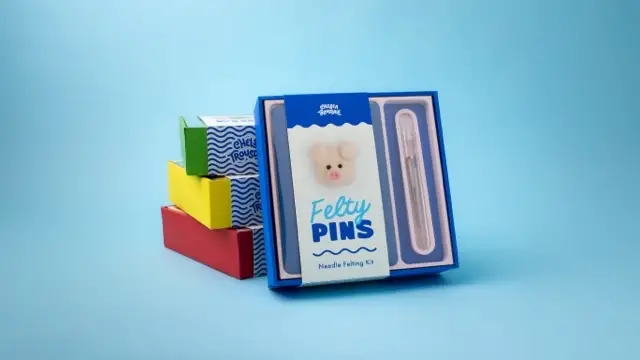
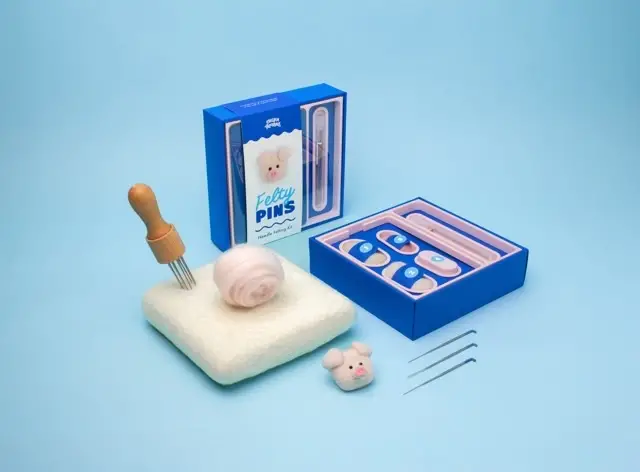
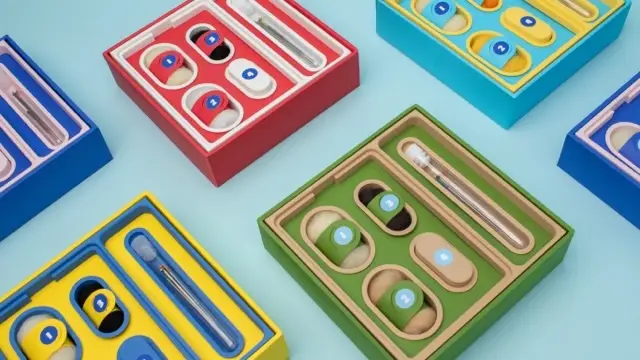
That’s why I designed my own beginner character kits. As a character designer for studios like Disney, I know that charm and appeal are what make an art project exciting. These kits use the exact same high-quality wool and tools I use in my professional work, stripped down to give beginners a guaranteed win with a project they’re actually proud of.
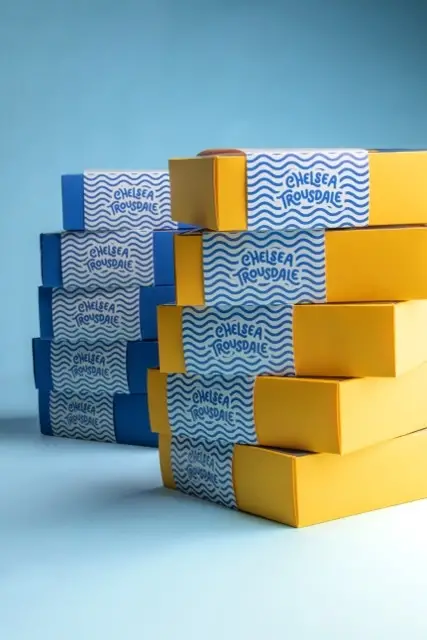
Right now, I still hand-assemble every kit in my studio. But the response has been amazing, and if I keep making them all by hand, I’ll be doing it forever! My goal is to find the right manufacturing partner who can help scale these kits so more people can get excited about bringing characters to life through needle felt.
See more on Chelsea’s website: https://www.chelseatrousdale.com/
Interview posted August 2026
Explore more felting inspiration on Create Whimsy.