
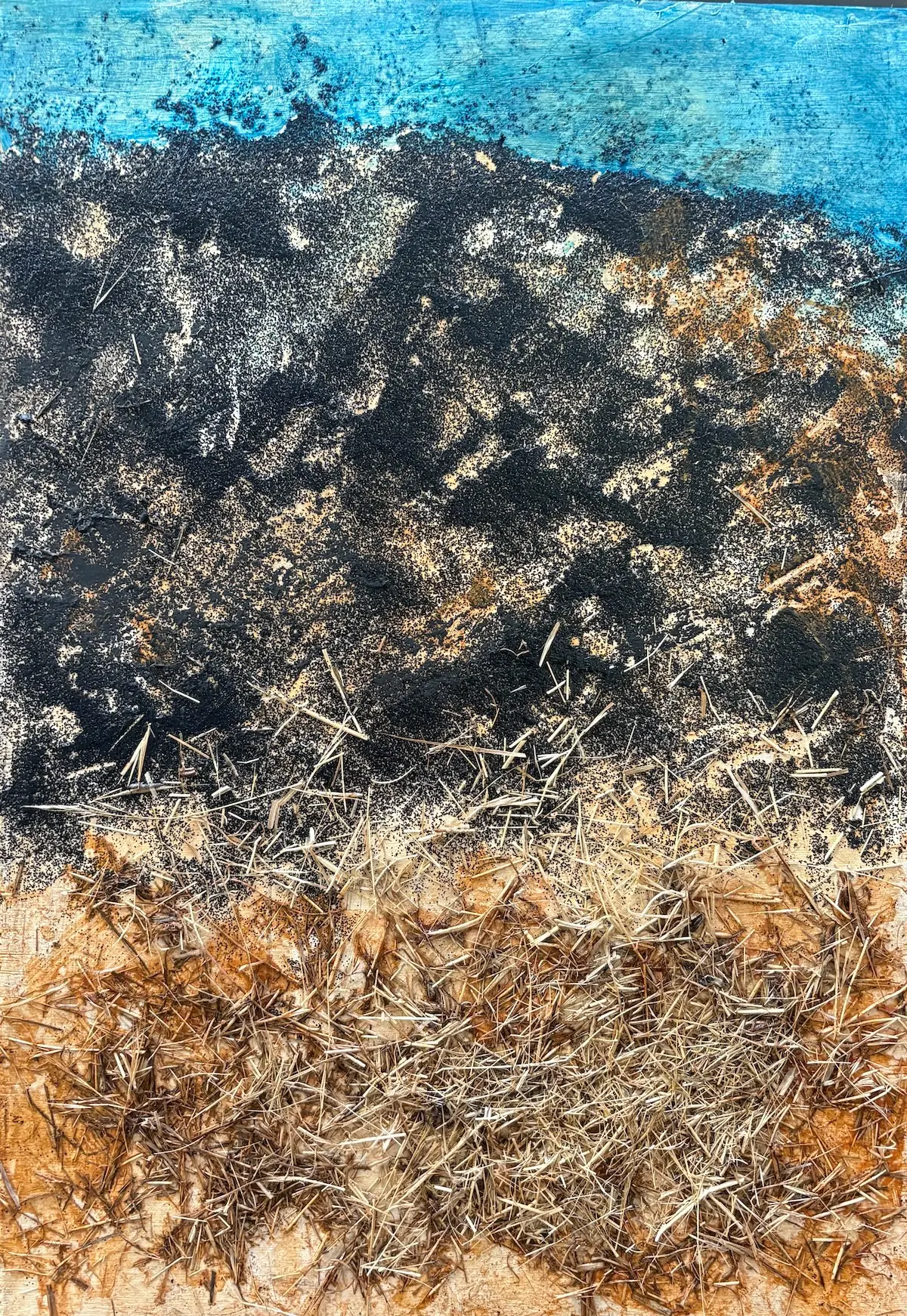
In this soulful conversation, Salma Arastu shares how growing up in Rajasthan planted the seeds of oneness that now flow through her paintings, poetry, and material choices. She reflects on spirituality, intuitive making, and the quiet dialogues that unfold between artist and artwork. It’s a gentle, inspiring glimpse into a practice guided by faith, curiosity, and deep connection.
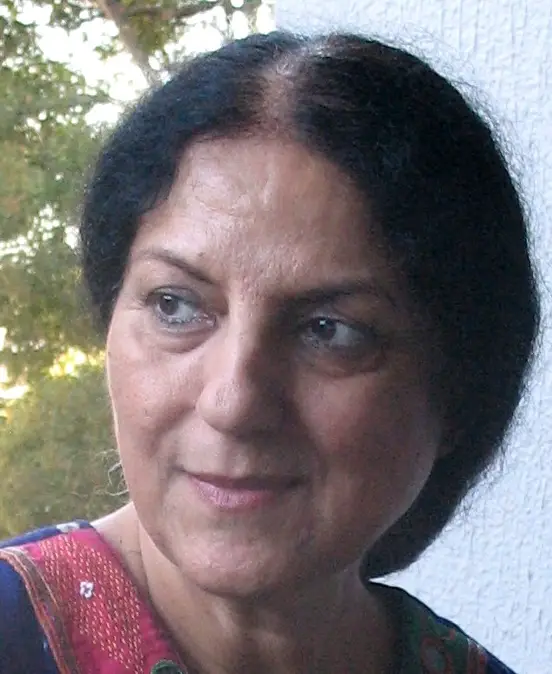
How did your childhood in Rajasthan shape your visual voice?
Growing up in Ajmer, Rajasthan, I was surrounded by a vibrant mix of Hindu and Muslim communities. My mother often reminded us that we are all one. That simple yet profound belief planted the seed of Oneness, which has become the central theme of my work.
Your work reflects many different traditions and cultures — how do you weave them together?
It has been a natural process for me. My faith in oneness allows different traditions, languages, and aesthetics to coexist harmoniously in my work, just as they do in life.
As an Amazon Associate I earn from qualifying purchases. Read more about our affiliate linking policy.
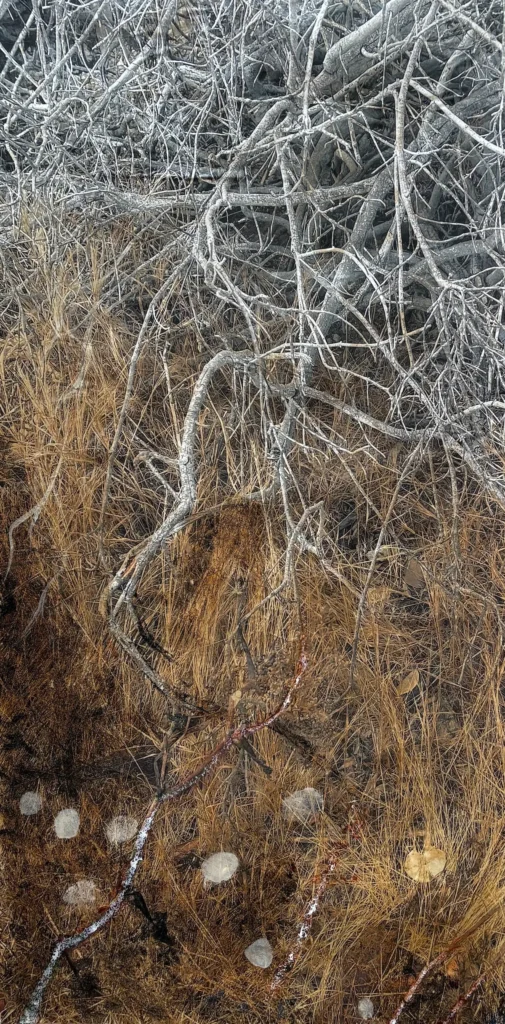
How do themes of unity and connection show up in your work?
Often through a single lyrical line that moves across the surface, connecting gestural figures and forms. That line becomes a visual thread of unity.
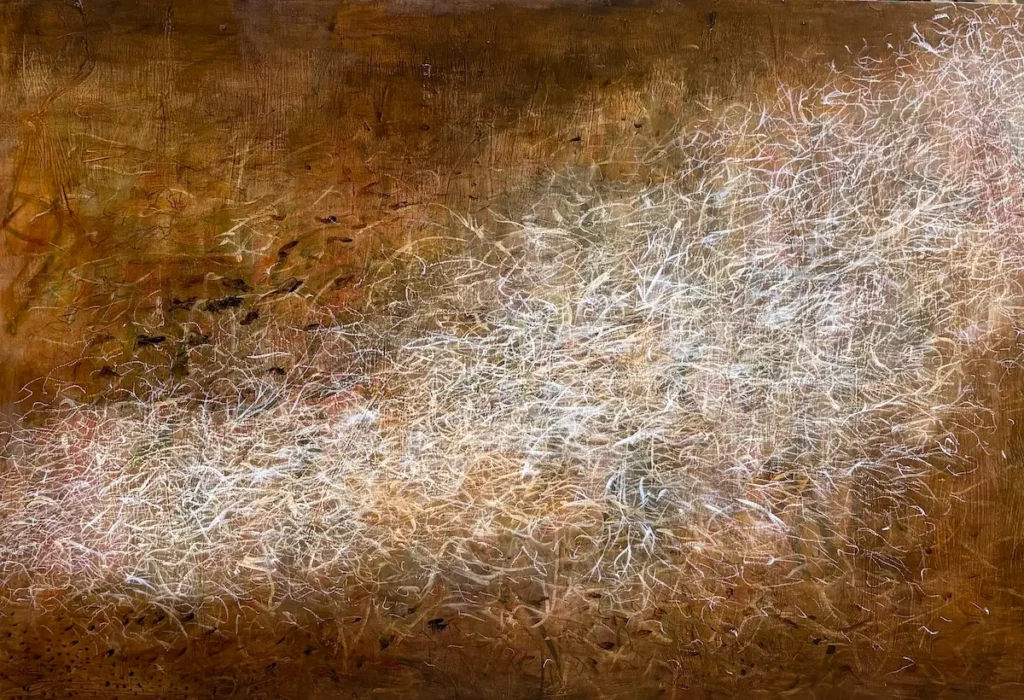
What role does spiritual practice play in your creative life?
My spirituality guides my creativity. I feel I was born with two wings — love for God and love for art — and I have been flying with them ever since.
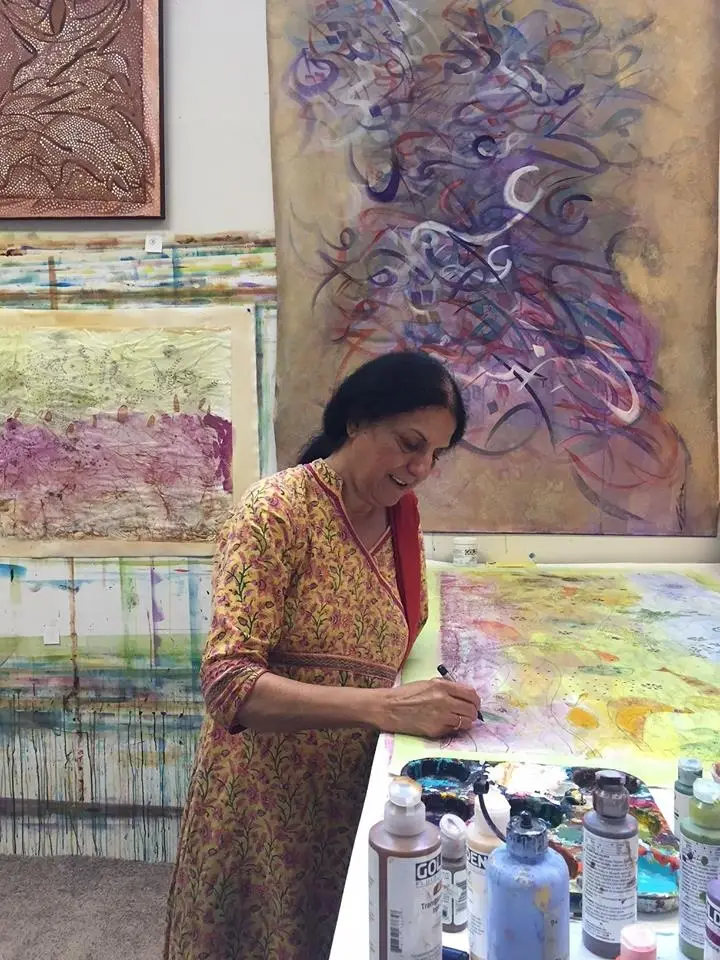
Can you walk us through a typical day in your studio?
I begin my day with a walk along the Bay. Filled with fresh air, light, and energy, I return to the studio inspired and begin working with gratitude and a positive spirit.
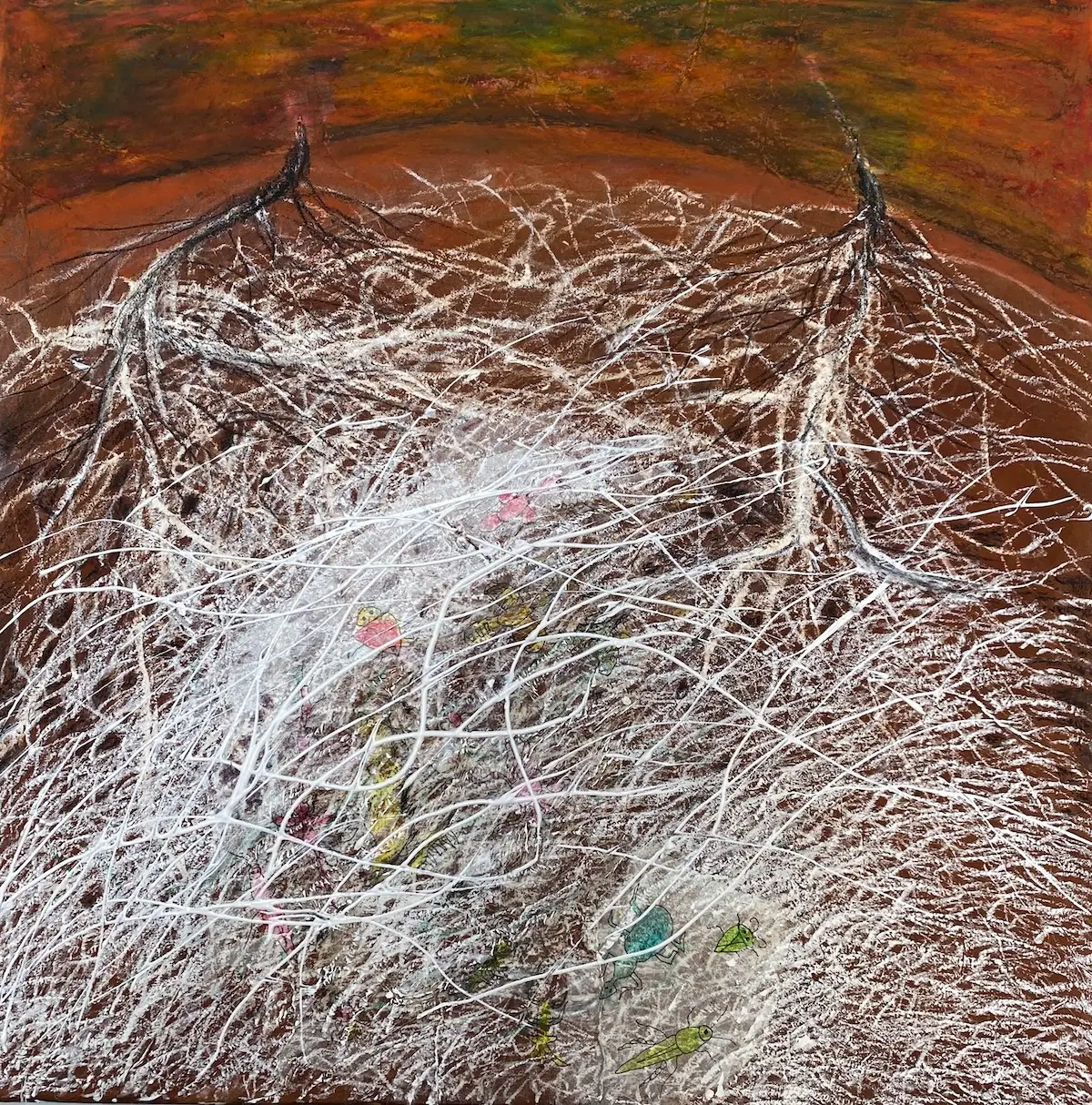
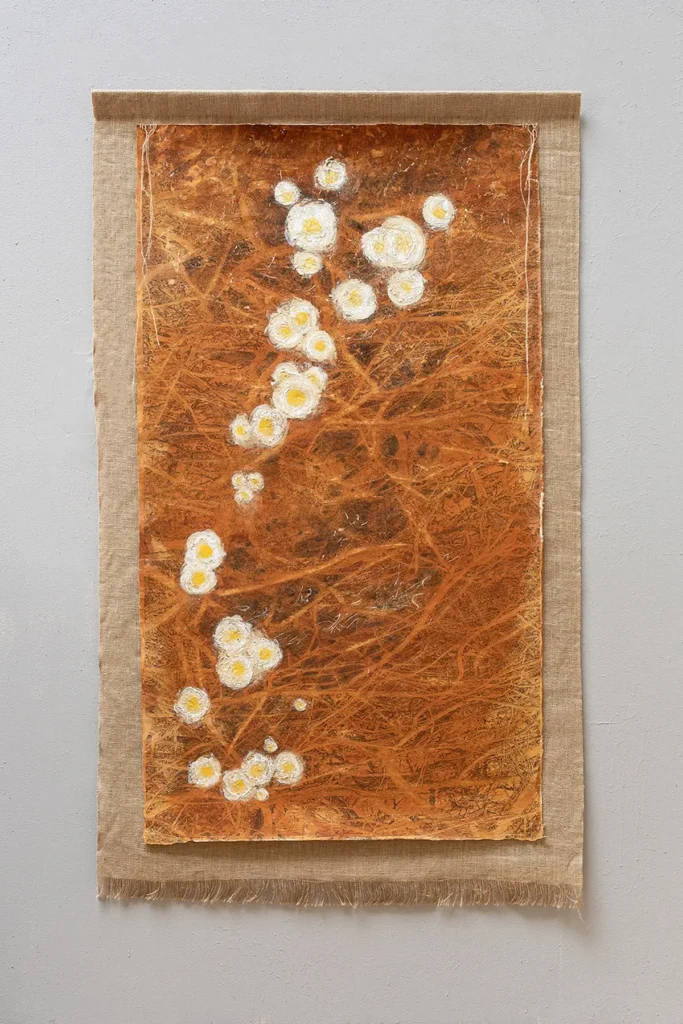
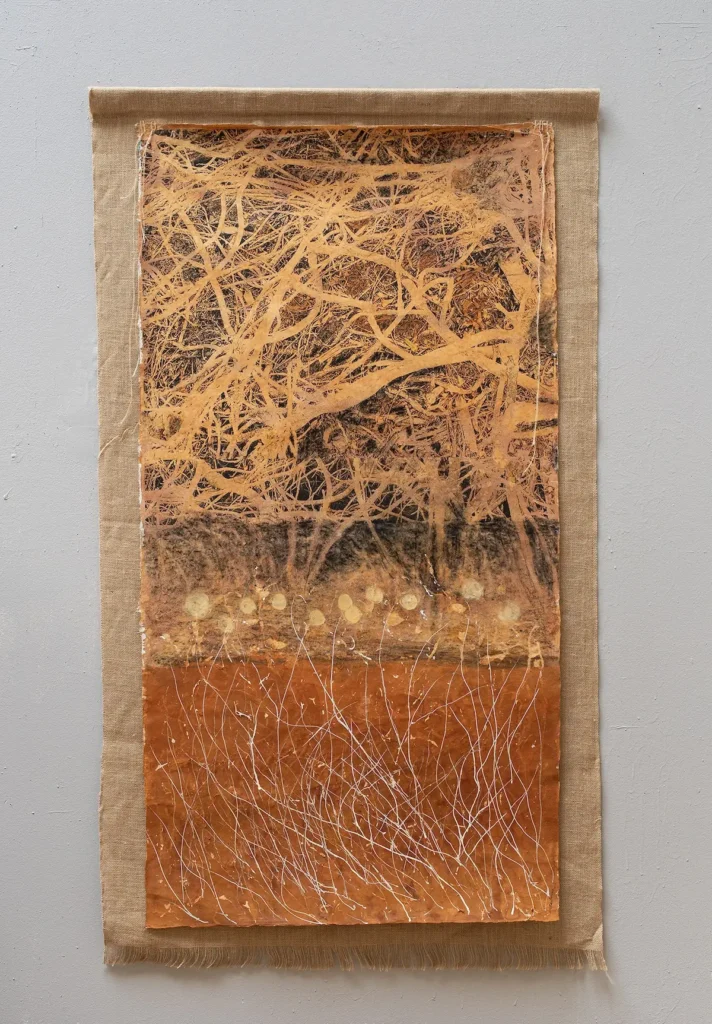
How did you develop your physical and meditative way of working with materials like rope, paste, Hanji paper, and rust pastels?
Each material has its own surface, texture, and personality. I respond intuitively to what it offers. The process feels guided — almost as if unseen forces are collaborating with me.
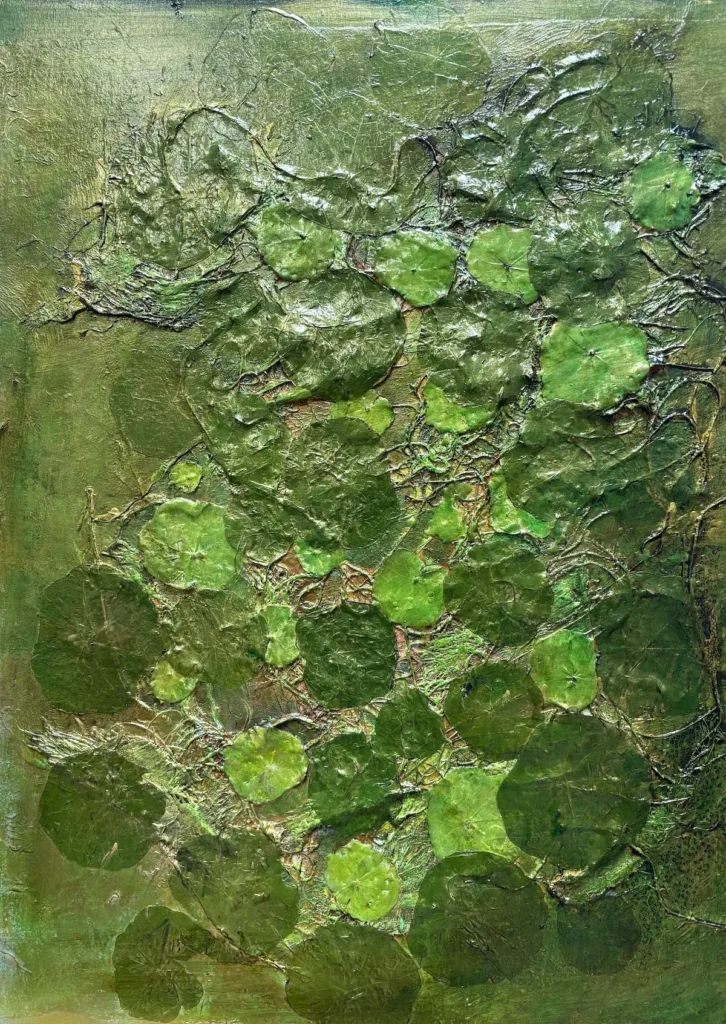
What is it like when a painting begins to surprise you?
It feels like a prayer being answered — something beyond intention revealing itself.
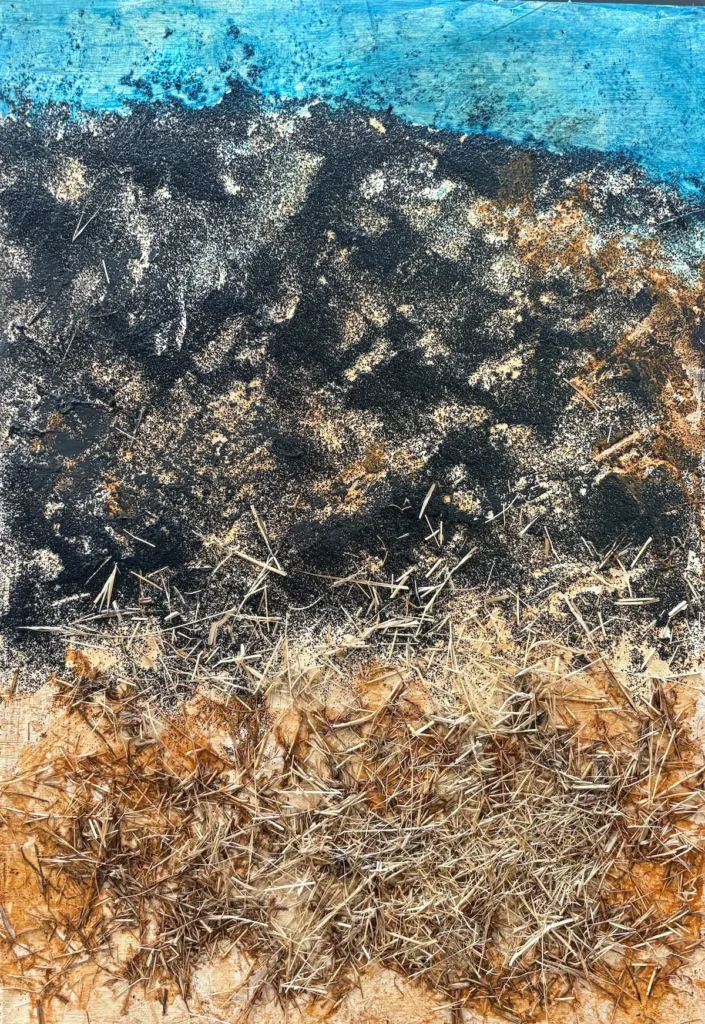
How do you decide when a piece is finished?
When our dialogue ends. I become quiet, and the piece no longer asks for anything more.
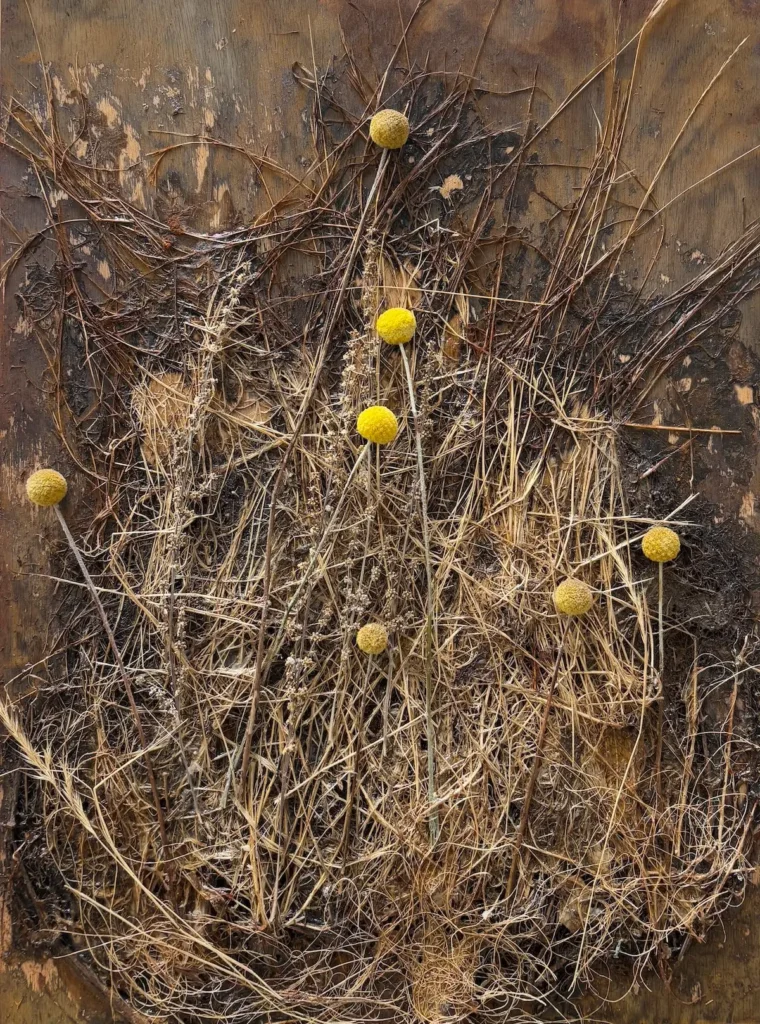
How do poetry and visual art talk to each other in your process?
Poetry often begins as a thought or feeling. Later, it spills onto the canvas as image, gesture, and movement. They are two expressions of the same inner voice.
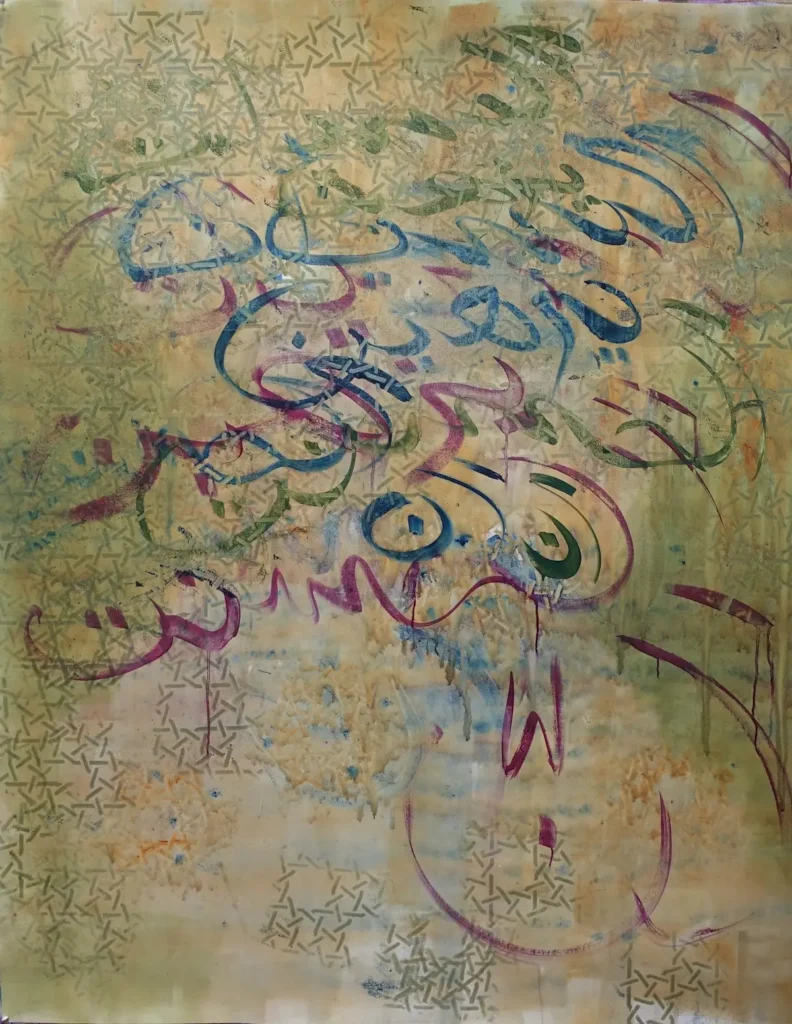
Can you describe the moment when a blank surface begins to feel alive?
It is difficult to explain. Something begins to pour onto the surface, and a dialogue starts. The emptiness transforms into presence.
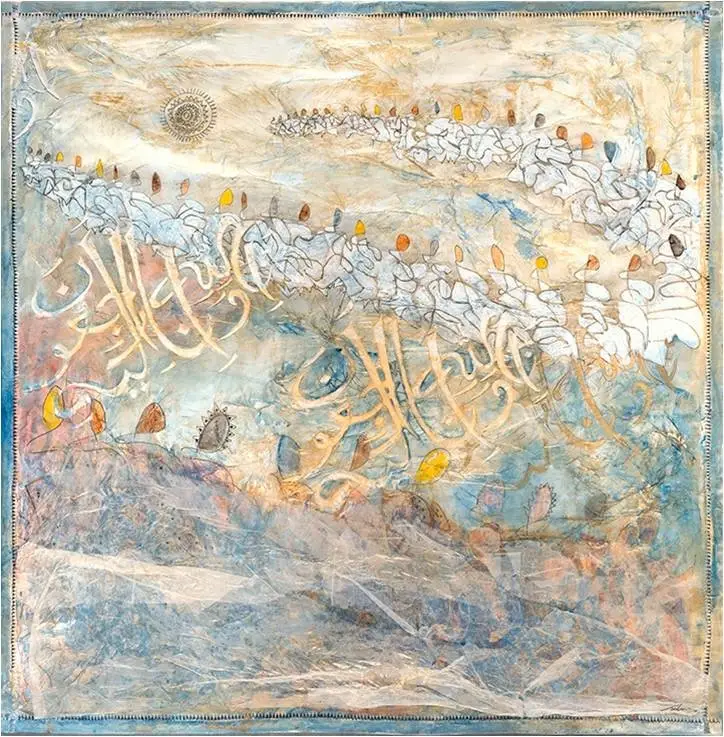
You often work in series — how do you know when one series ends and a new one wants to begin?
It happens organically. A new series is not necessarily the end of the previous one; it often grows as an offshoot of an evolving thought.
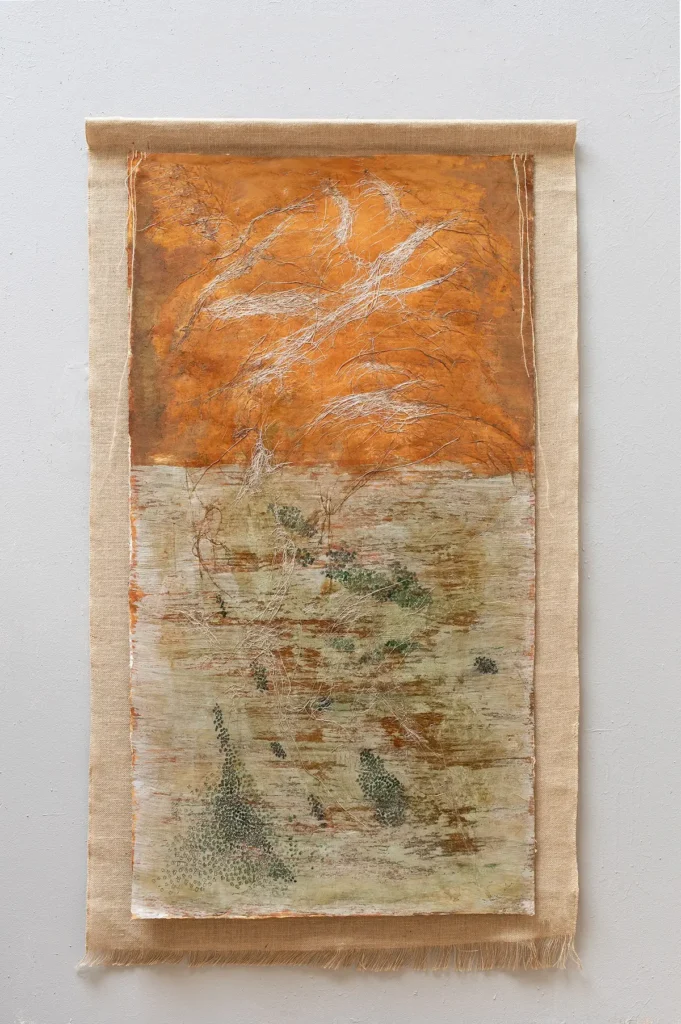
You explore themes of unity, earth, and soul — how do these deepen over time?
Nature and faith align for me. Nature feels like a living manuscript of spiritual verses about love and unity. Over time, these themes continue to reveal deeper layers.
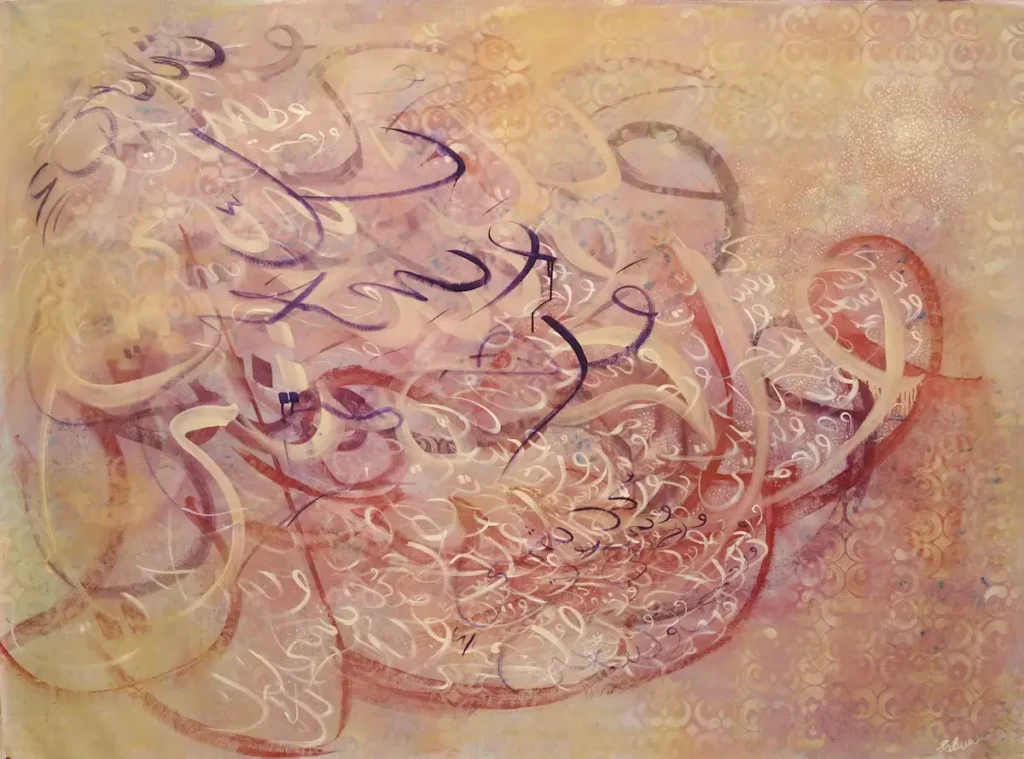
What role does Arabic calligraphy play in expressing your ideas?
It becomes the lyrical line — my freedom of movement across the canvas or board. It carries rhythm, breath, and meaning.
How does poetry act as a partner to your images?
Poetry clarifies and intensifies the thought. Eventually, that thought transforms into visual form.
What do you hope your art can do in a world facing division and fear?
I hope it offers peace, hope, and a reminder of our shared humanity.
What has staying curious taught you in this life of making?
To remain joyful, open, and positive — always learning.
Where can people see your work?
On my website and social media platforms, and through exhibitions.
https://salmaarastu.com/
https://www.instagram.com/salmaarastu/
https://www.facebook.com/salma.arastu
Rapid-Fire Fun
When you start a new piece, what’s the first thought in your mind?
May I create what God wants me to create.
What’s your favorite time of day in the studio?
Mornings — when the light is fresh and possibilities feel infinite.
A poem line that never leaves you?
“I return from the Bay, pockets full of joy and energy that spill into the rest of my day.”
A message for young creators everywhere?
Follow your heart. Stay true to your vision. Don’t give up.
Interview posted February 2026
Browse through more inspiring interviews on Create Whimsy.