
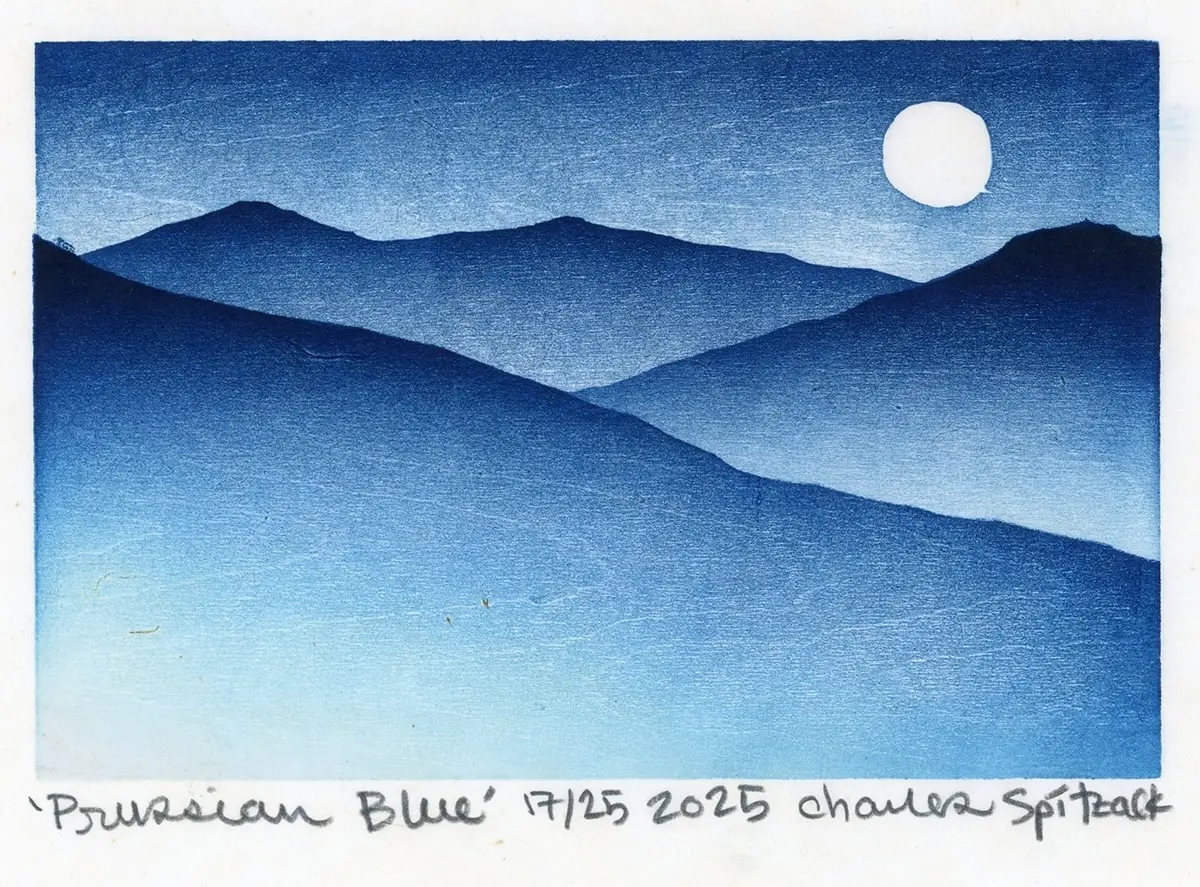
Charles Spitzack has been carving his way toward art for as long as he can remember, with woodcut becoming both his language and his compass. In this interview, he talks about growing up surrounded by art, falling deeply in love with printmaking, and building a life shaped by patience, persistence, and a lot of flying wood chips.
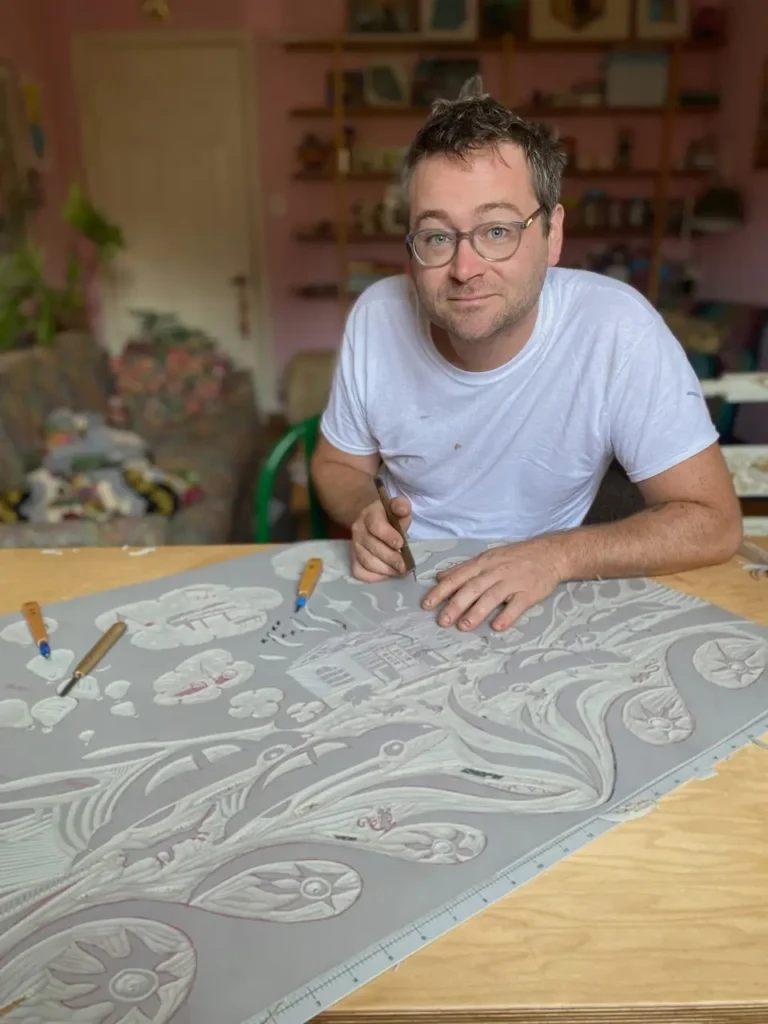
What first pulled you toward making art? Was there a moment when it “clicked”?
I have lived and breathed art my whole life. It was my mom, really, who led me in that direction. She was a graphic designer and a lover of art, and I think if she had been given the opportunity, she would have pursued the arts fully.
Growing up, I always had art supplies within reach in my mom’s studio, and she took me to art classes in the evenings at community centers.
Art was never separate from life. It was just always there.
As an Amazon Associate I earn from qualifying purchases. Read more about our affiliate linking policy.
When did you first try woodcut or printmaking, and what made you stick with it?
I found woodcut at Cornish College of the Arts. I had already developed a love of printmaking in high school, and Cornish has a long history of woodblock and woodcut within its programming.
Once I tried it, I fell in love, and the wood chips started flying. I stuck with it because I love it, and I still love it. It is a deep love that, in many ways, I have centered my life around.
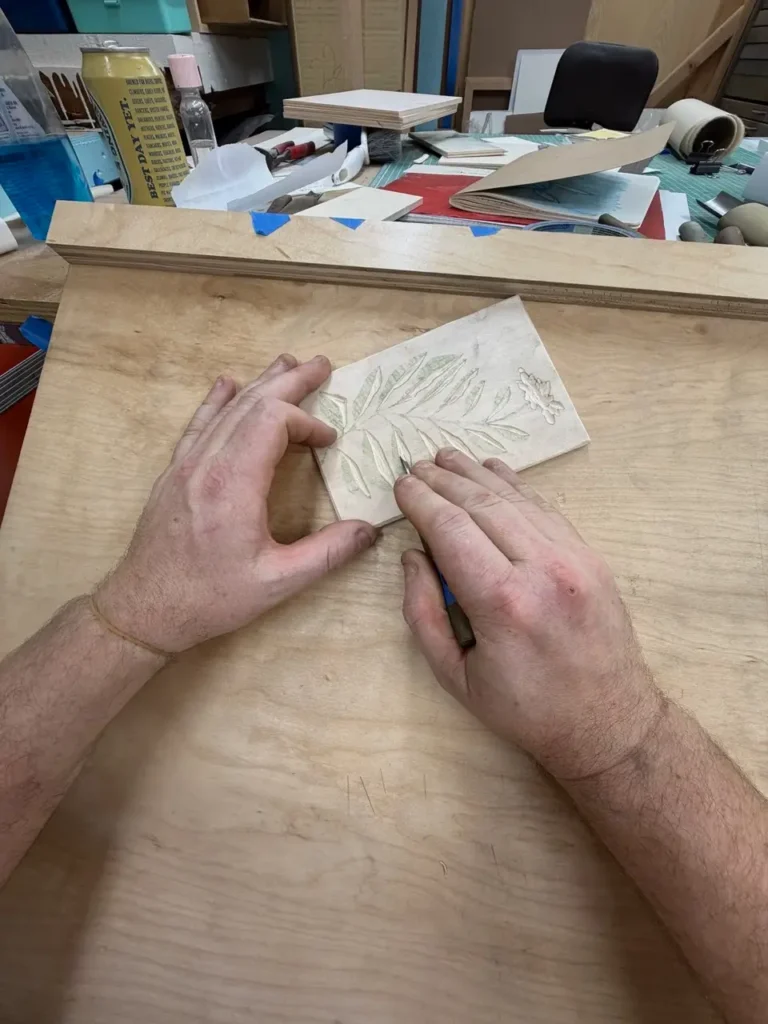
What did your earliest artwork look like, and how does it feel to look back on it now?
My earliest woodcuts were some of my most raw pieces, and they stand the test of time.
In many ways, they are not so different from my current work. The biggest change has been my technical growth, which I would not have been able to see or predict back then.
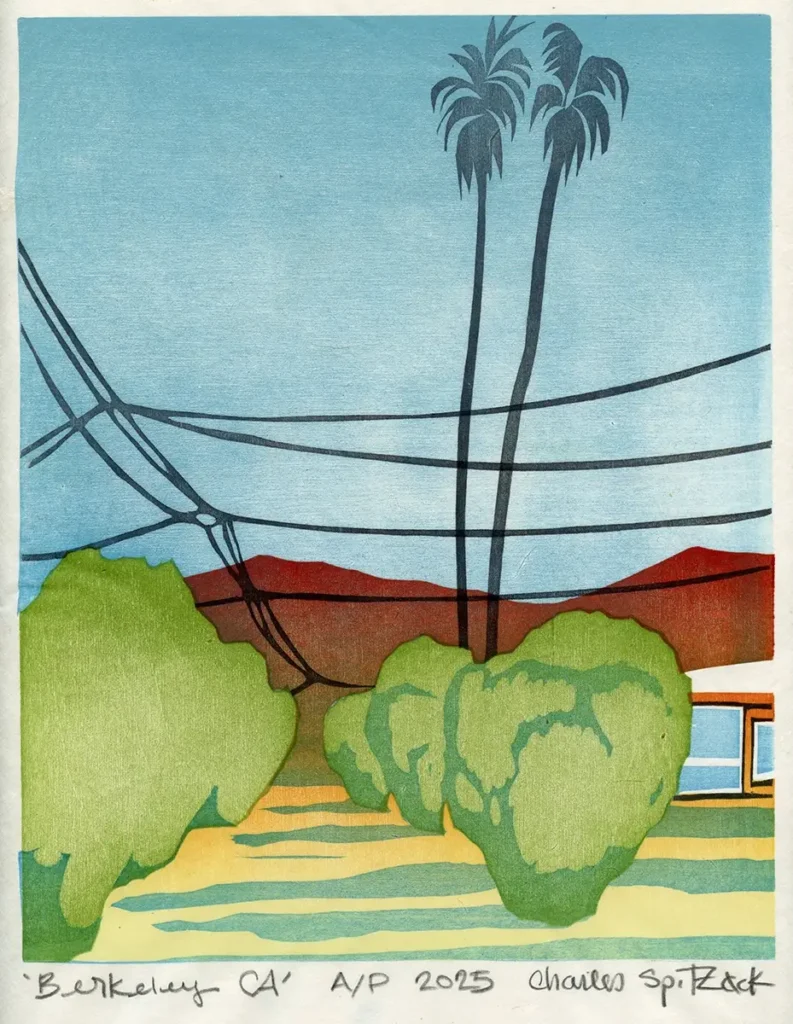
You often work with bold shapes and layered imagery. What inspires those visual choices?
One of the things I love about woodcut is how bold and raw the medium is.
I am also a bit of a loud character, so that energy is part of my personality as well. My inspiration comes from many places, but my drive in woodcut comes from needing a way to process and express how I feel about my life and what I experience.
Woodcut is a really good fit for that. As for layering, that is largely a technique. Not all woodcut is layered, but most of my prints end up being made from five to eight plates.
How do you collect ideas? Sketchbooks? Photos? Thoughts during long walks?
Ideas are endless, and I never have enough time to produce all the thoughts and images floating around.
My sketchbook is a starting place, and I use photos if I do not have time to sit and draw. Otherwise, the studio is where things really happen.
I can sit and draw until I wander into something I love. Woodcuts also evolve as I work on them. I do not have a destination in mind. I cut, print, and cut some more. It is similar to painting in that you build it up over time. I am not trying to capture a photo. It is much looser than people often imagine.
You create in many media: woodcut, drawing, painting, and more. What does each give you that the others don’t?
I mainly do woodcut, because I love it so much, and there is never enough time.
I like to think of myself as more than just a woodcut printmaker, and I am, but when it comes to fine art, that is pretty much what I do. It really satisfies me.
I can never produce at the scale I wish I could, but we only have so much time and so many resources.
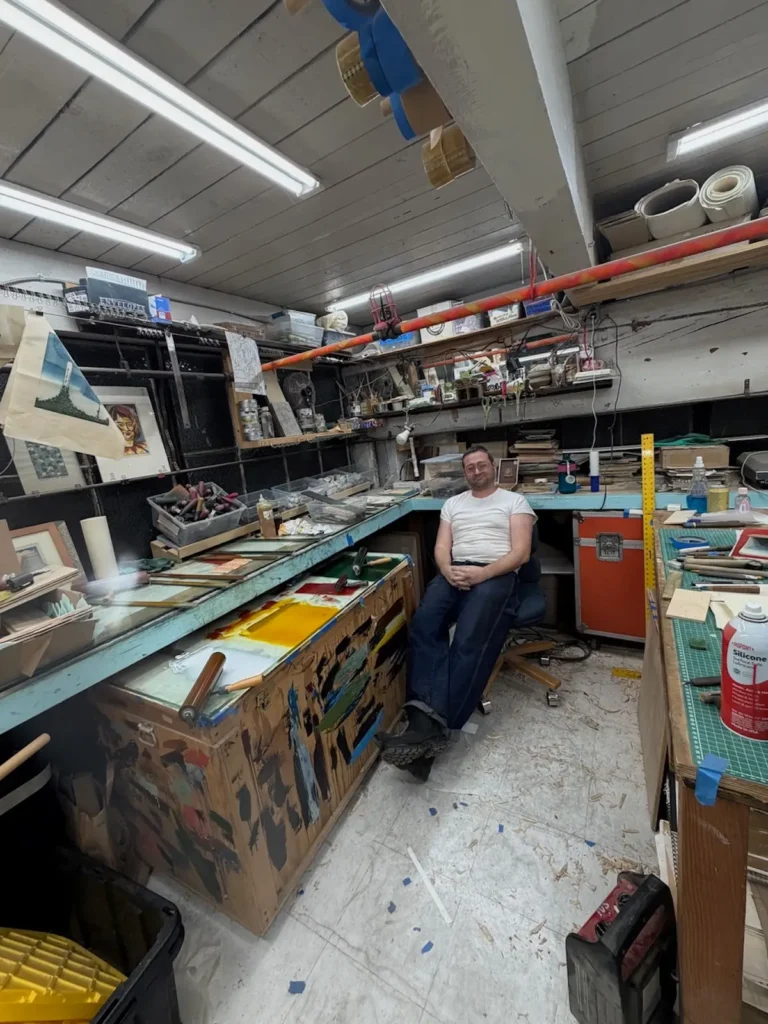
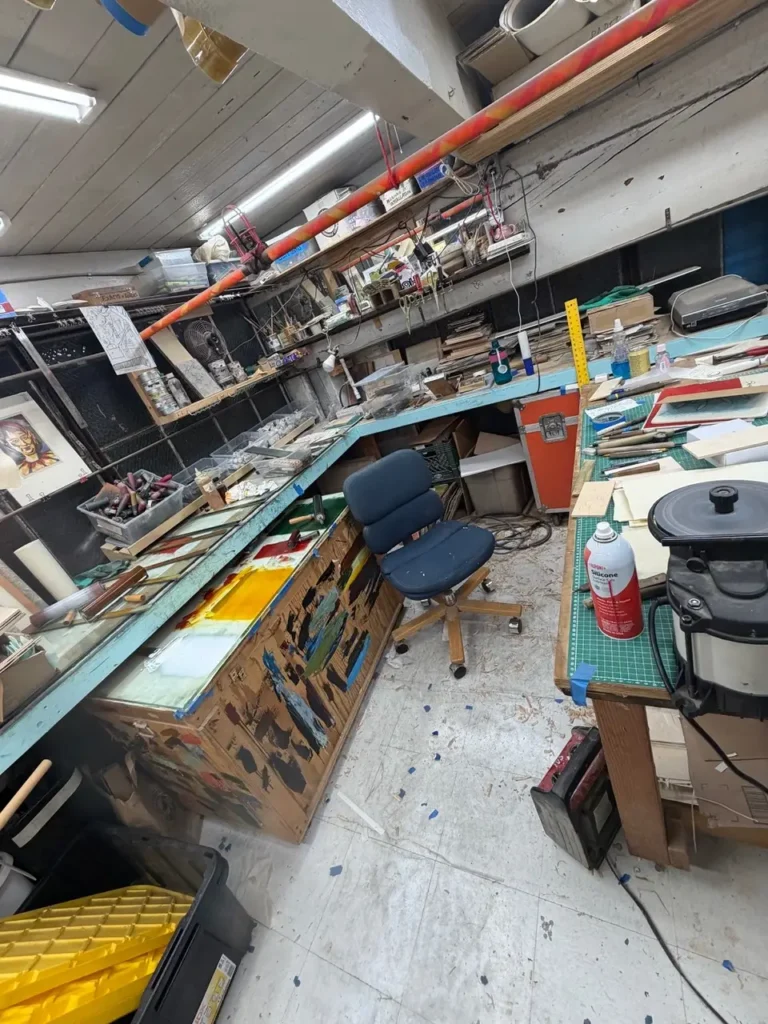
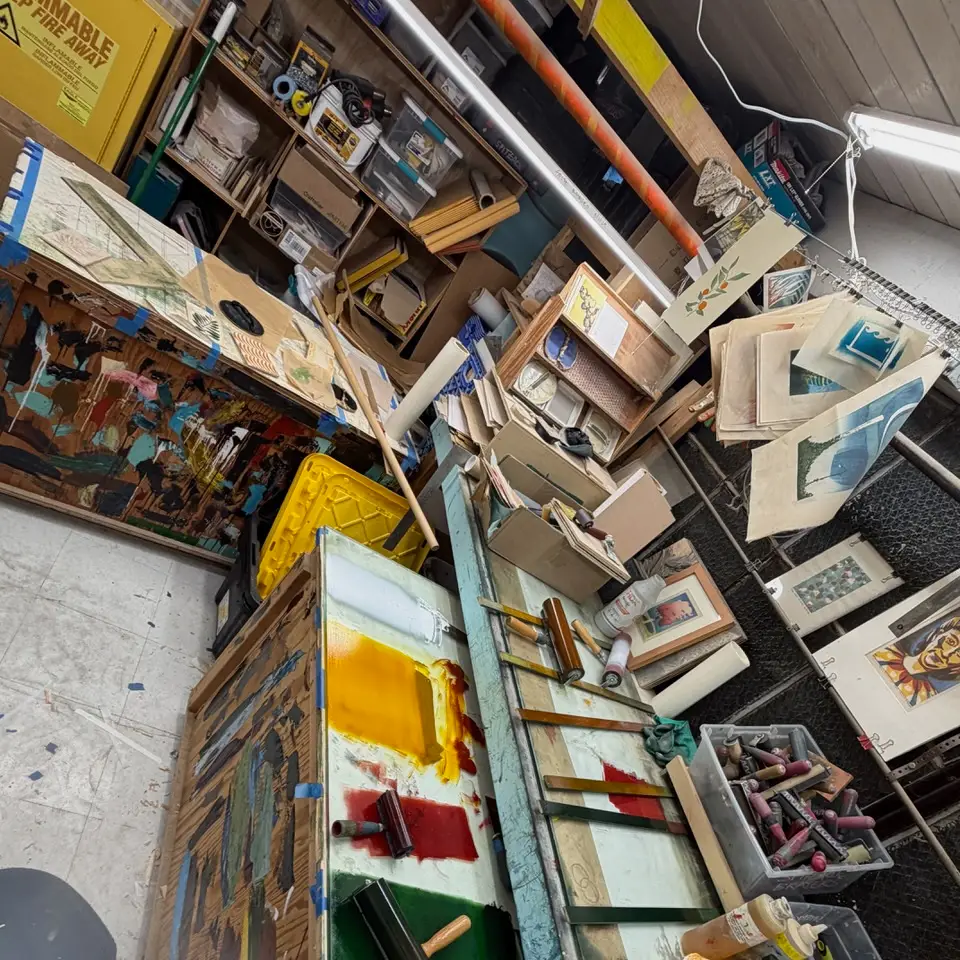
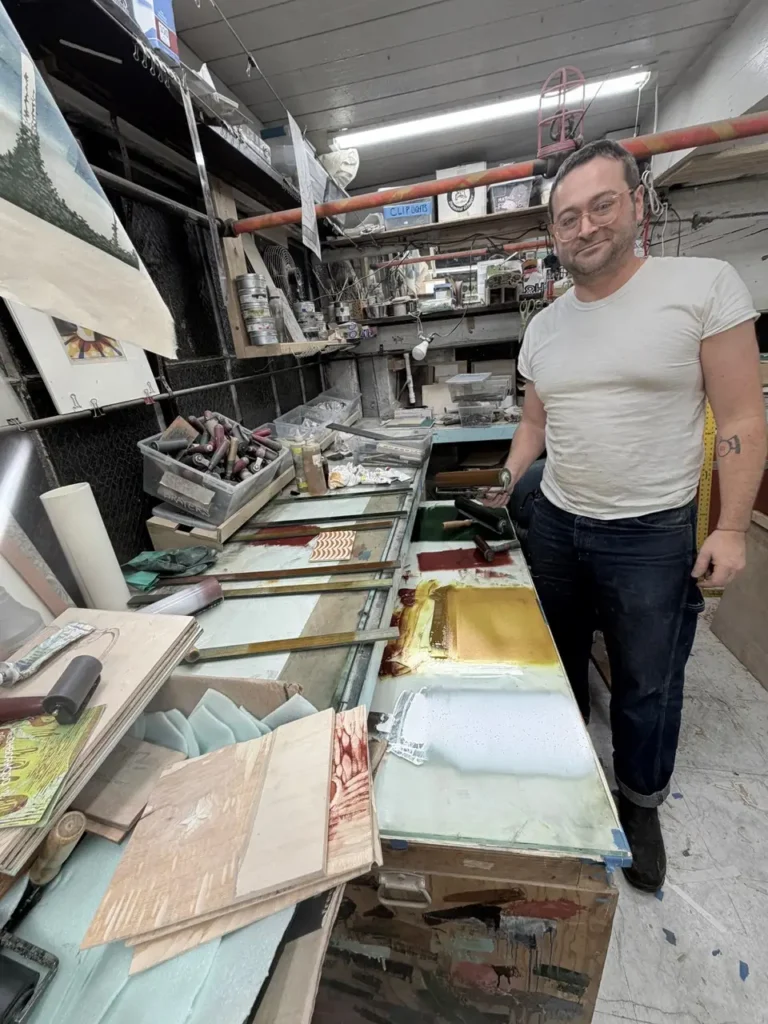
Describe your creative space.
I have a studio loft in a cabinet shop. It is dirty and dusty, hot in the summer and cold in the winter. It is organized and chaotic all at once. It is small, and since I teach in a lot of places, I am in and out frequently. The dust drives me crazy.
How important is physical space to your process?
I need a studio to work out of, and I tend to make my spaces special.
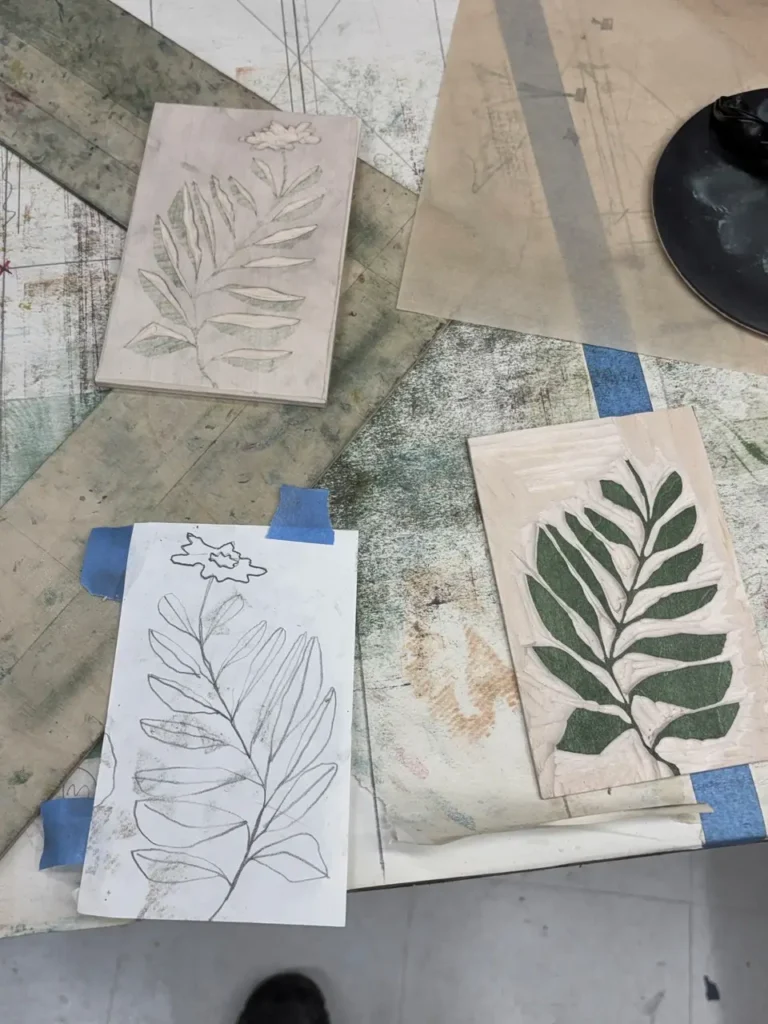
How do you set up your space to make your woodcuts and prints?
I really just do woodcut. I have a carving space and a printing space, which blur together some. And a main table for paper prep and framing.

Woodcut requires planning. How do you balance control with play?
I do not think there is as much planning involved as one might think. I compose as I carve, and I have done it enough that I usually have a loose idea of where I am going.
What part of creating is the most challenging for you?
Allowing creative space for myself while managing a small business and navigating money.
Making art does not necessarily mean making money, and choosing the path of an artist involves sacrifice, especially when you start to see your friends’ investments mature while yours were in art making, which matures in a different way.
Honestly, though, it is more rewarding. I find a lot of emptiness in people and their jobs and mortgages, which is suppose to bring people fulfillment.

How do you handle a piece when it’s not working the way you hoped?
I am getting better at stopping when I see a failure coming. Sometimes I can save a piece, but sometimes it is better to set it down and recognize that you are not going down a rewarding path.
Sometimes, pieces you think will be a great success can flop, and sometimes things you think are not working end up being home runs.
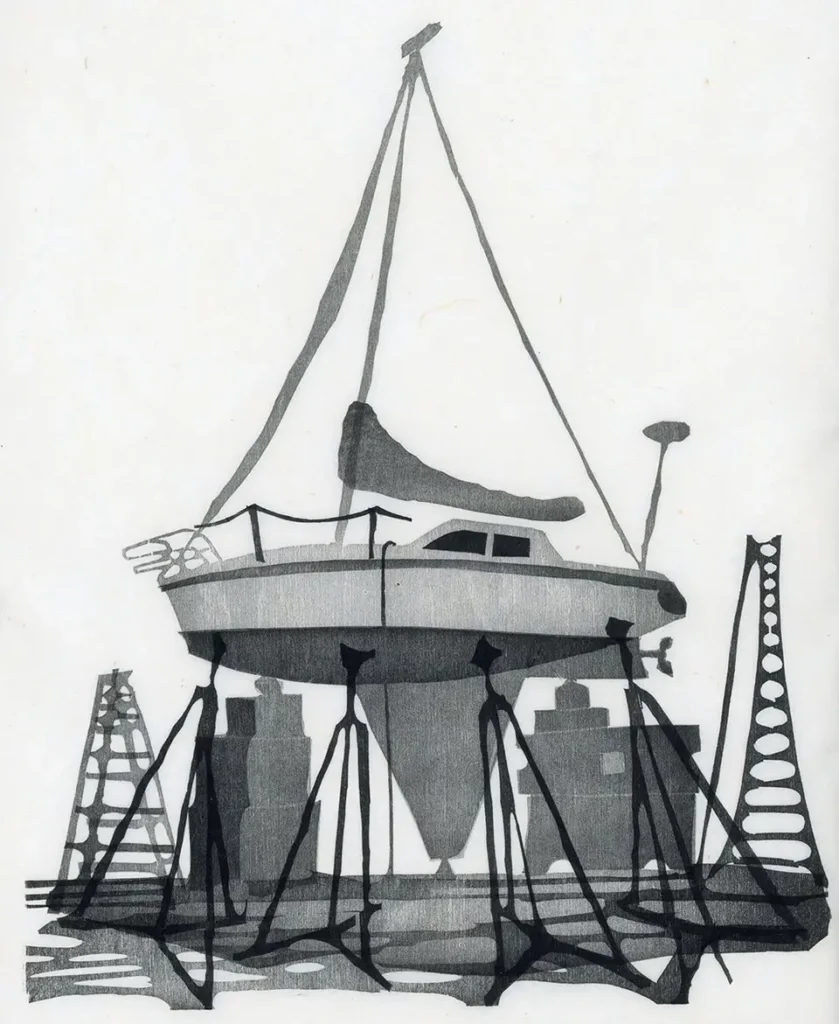
What has the creative life taught you about patience, persistence, or trust?
Printmaking is a process with many stages, and it takes work.
Patience pays off in better results and is a muscle that can be grown.
Persistence is necessary, otherwise things would not happen. Persistence leads to long term growth, learned lessons, and strong rewards.
Trust comes from learning to trust your intuition, which appears through making art, and I have been getting better at that. And that translates to other aspects of one’s life.
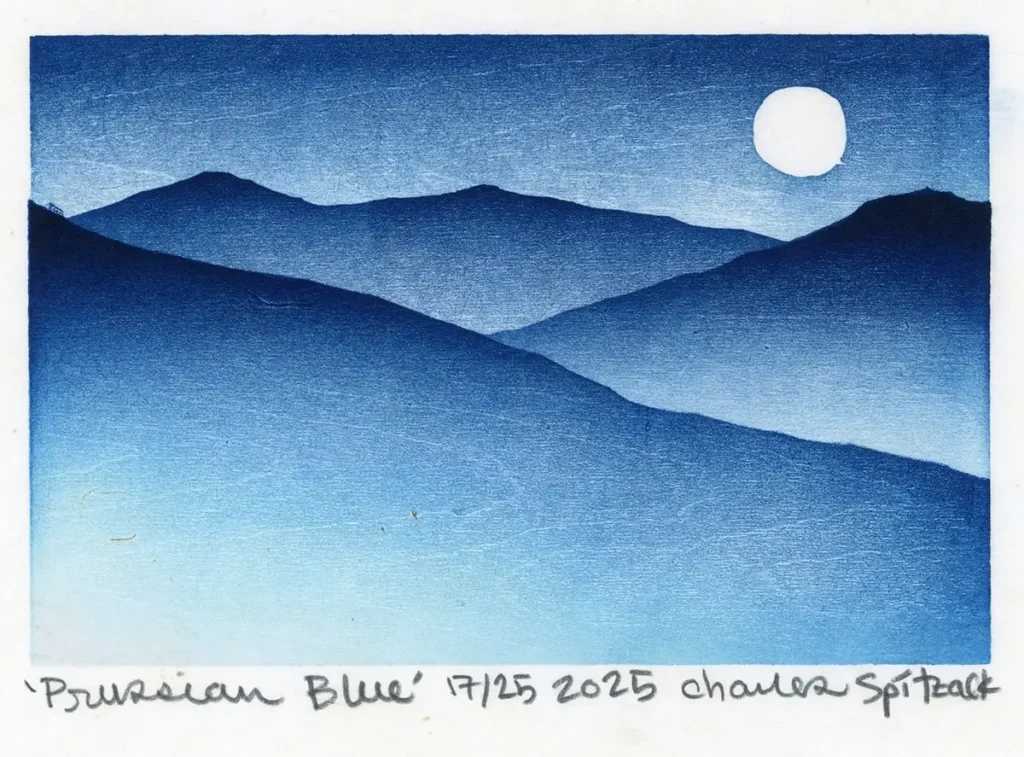
What advice would you give someone who wants to dive deeper into making art?
Jump in and start swimming. And then don’t stop swimming. Keep swimming and swimming, and it will be what you live and breathe.
Swimming (art) takes a lot of time and focus. I tried to keep up an art practice while working 50-hour workweeks, and now that art making has taken more of a front seat in my life, I can see how I was lying to myself about what it meant to truly be an artist. That said, it can play a part in everyone’s life in a different manner.
Rapid-Fire:
Pencil, brush, or carving tool – pick one.: 6B pencil
Early morning or late-night creating?: Late night
A medium you’d love to try someday?: Get back into painting
The last thing that made you smile?: Liz
Where can people see your work?
On my website: https://www.charlesspitzack.com/
Interview posted January 2026
Browse through more inspiring interviews on Create Whimsy.