
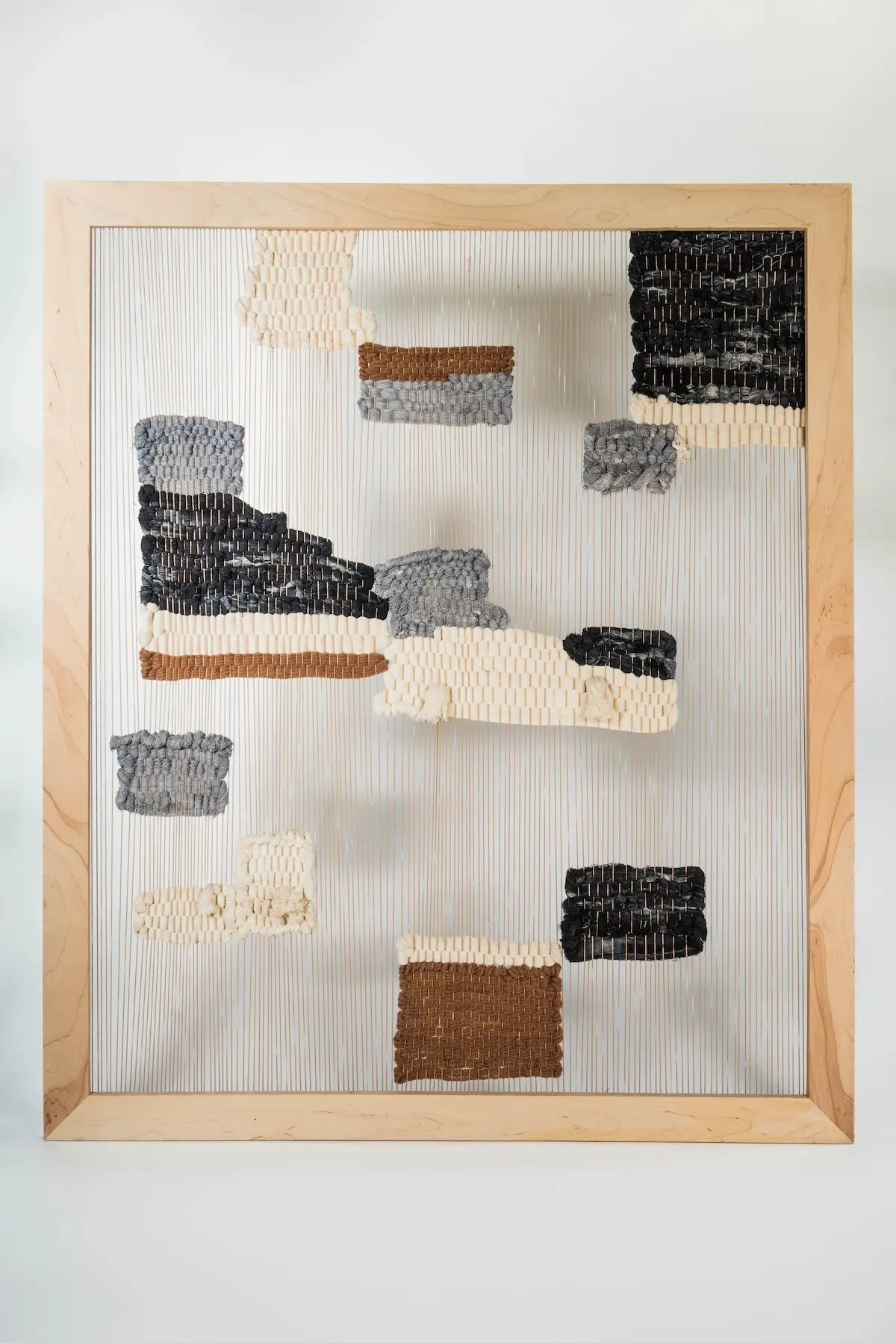
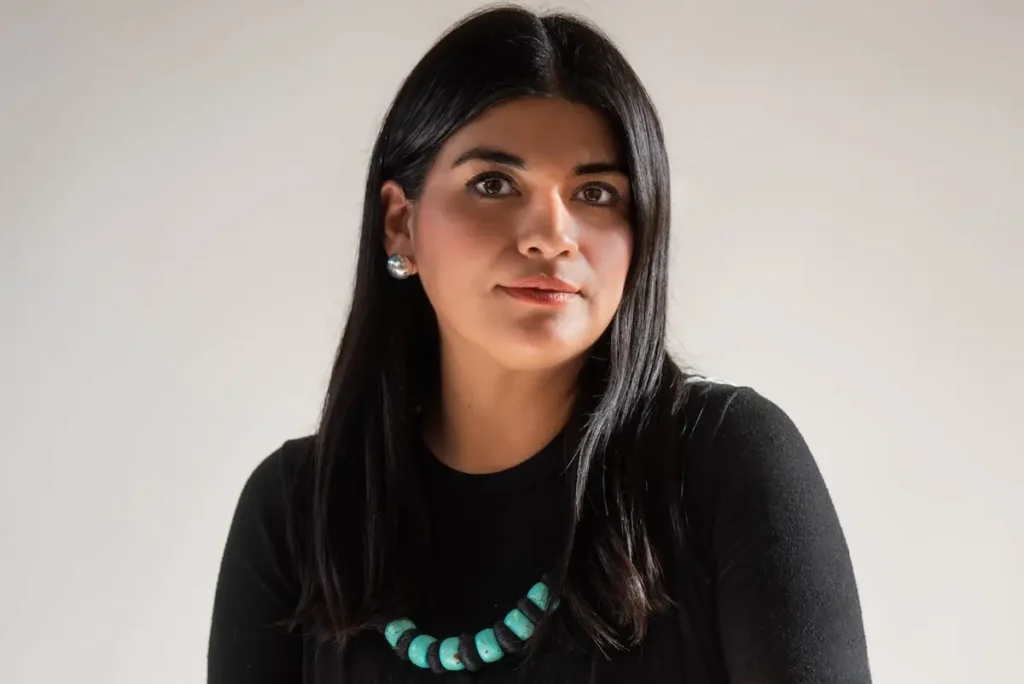
Olivia Arreguín Villa is a textile artist who works with fiber, color, and everyday stories. She explores macrame, weaving, crochet, and embroidery as ways to think, care, and connect. Through her studio, Vicu Textile Lab, she creates a space where art and daily life mix, where threads, kids, and coffee often share the same table.
What sparked your interest in textile arts, and how did your journey begin?
What awakened my connection to textile art was a need for movement.
I was born in a border city, where waiting becomes a way of life: waiting in lines, waiting to cross, waiting between countries. One day, I discovered that carrying yarn and a hook could soften that waiting time.
While the world stood still, my hands kept moving. Since that day in 2006, the thread has become my constant companion, a way to travel through time and borders without ever stopping.
As an Amazon Associate I earn from qualifying purchases. Read more about our affiliate linking policy.
Can you share a memorable moment from your early experiences with weaving or fiber arts?
A memorable moment was realizing that I could live through the act of creating. That what began as a personal practice could grow into something larger: a space for connection, a family business, a creative community.
It was the moment I understood that making with my hands could also build a life, not only objects.
Were there any pivotal moments or projects that defined your artistic direction?
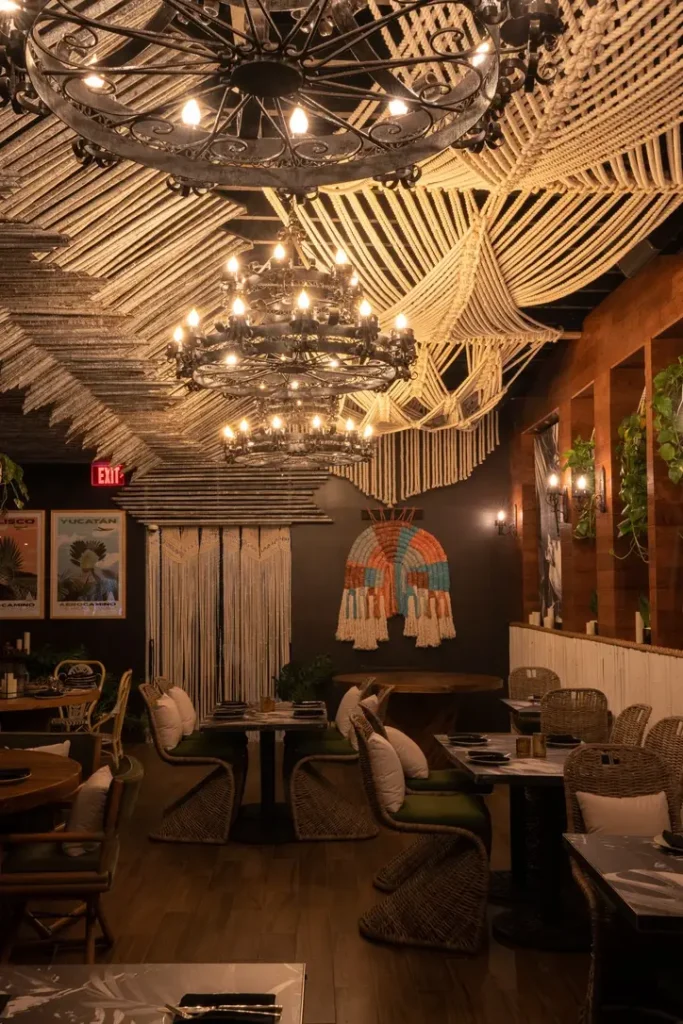
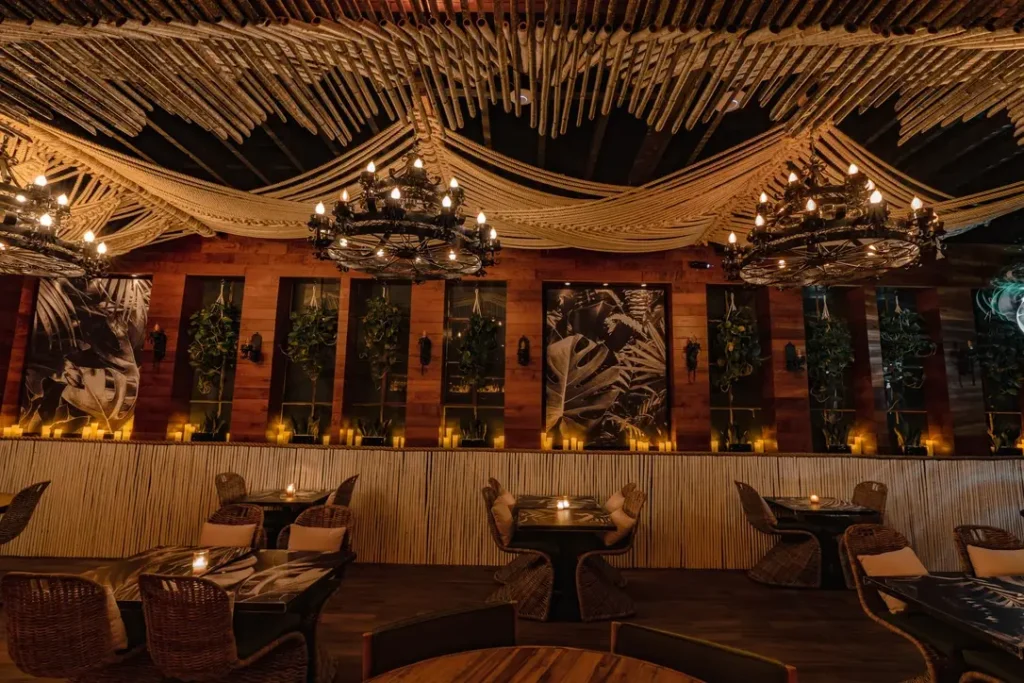
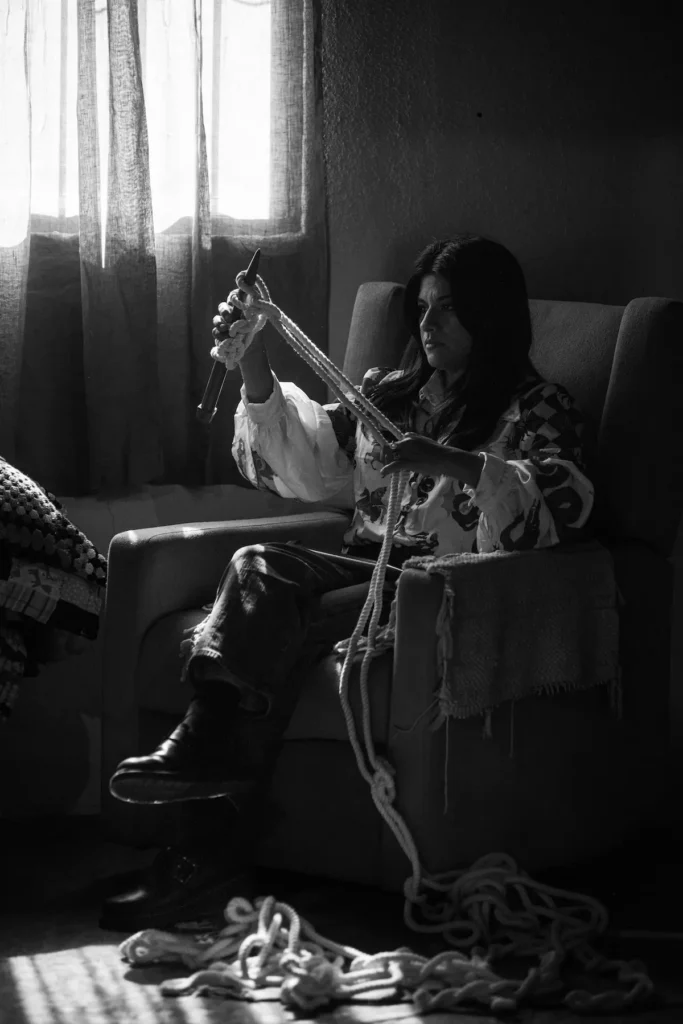
Working on interior design projects was pivotal for me, realizing that thread could shape not only objects, but entire spaces.
Fiber could inhabit architecture, modulate light and shadow, soften acoustics, invite touch, and hold emotion within a room. Seeing how a woven line could guide movement and atmosphere changed everything.
That shift led me to develop my own language of knots, suspended forms that respond to place and the people who move through it.
What was the inspiration behind the name “Vicu”?
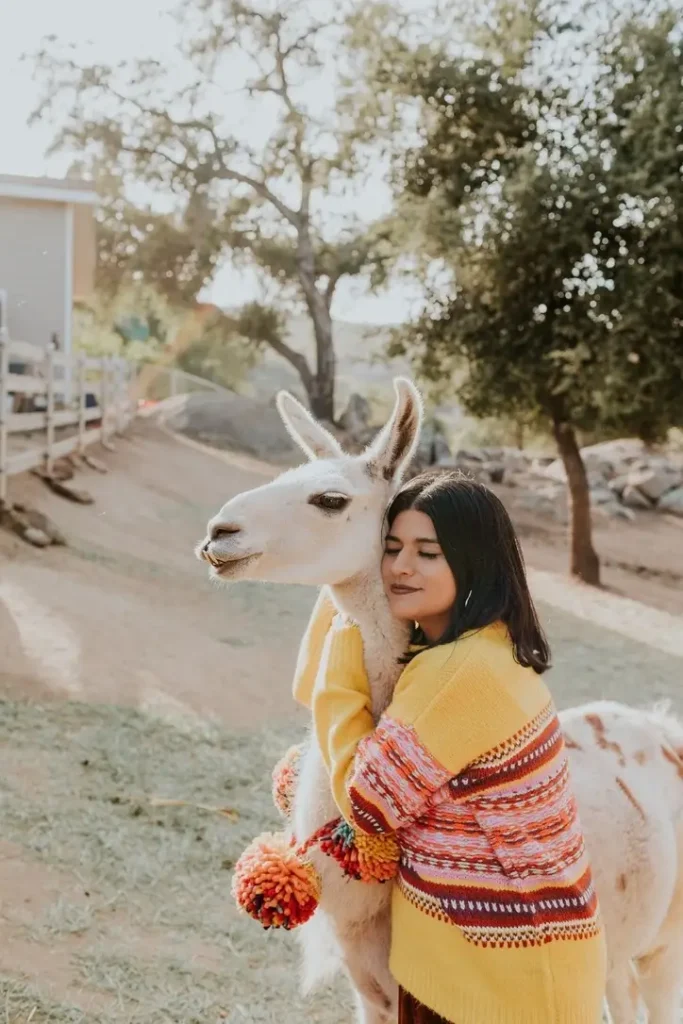
The name Vicu comes from the vicuña, a South American animal known for its strength, grace, and the softness of its fiber. The vicuña lives high in the Andes, wild and free, producing one of the finest natural fibers in the world.
For me, it represents resilience, delicacy, and adaptation. The vicuña is my spirit animal, a quiet reminder that gentleness can also be powerful.
How do you blend traditional techniques with your own modern style?
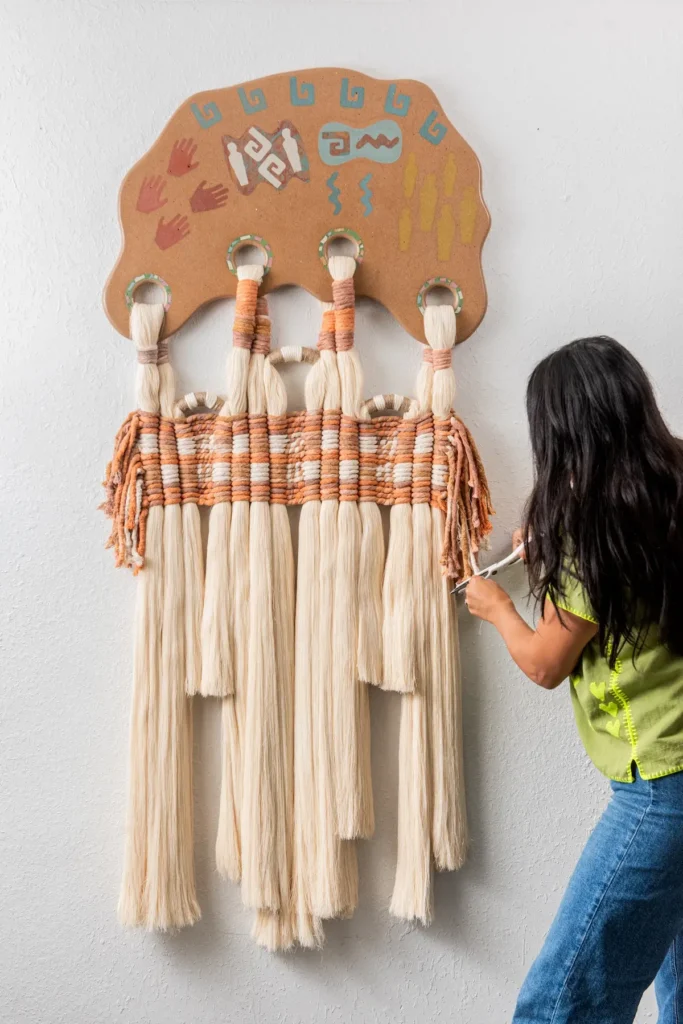
For me, tradition is a living practice, something that breathes and evolves. I work with techniques like macrame, weaving, and embroidery, learned from women’s hands that came before me.
I reimagine them through scale, context, and materials. I use industrial materials, alongside hand-dyed fibers, natural pigments, and contemporary forms. Through this dialogue between old and new, I try to preserve the ancestral gesture while giving it space to move, to speak about life on the border, motherhood, and the ways we hold and repair what we love.
How does your heritage inspire your designs and materials?
I find inspiration in the everyday, in the mess, the rhythm, and the beauty that shows up when things aren’t perfect.
I’ve always been drawn to simple materials and small details, like how colors fade or how fibers twist and fray. Those things remind me that nothing stays still; everything keeps changing.
My work comes from that place, from noticing, fixing, reusing, and finding meaning in what’s already around me. It’s a way to turn ordinary moments into something that feels alive.
Which traditional Mexican textile techniques do you feel particularly connected to?
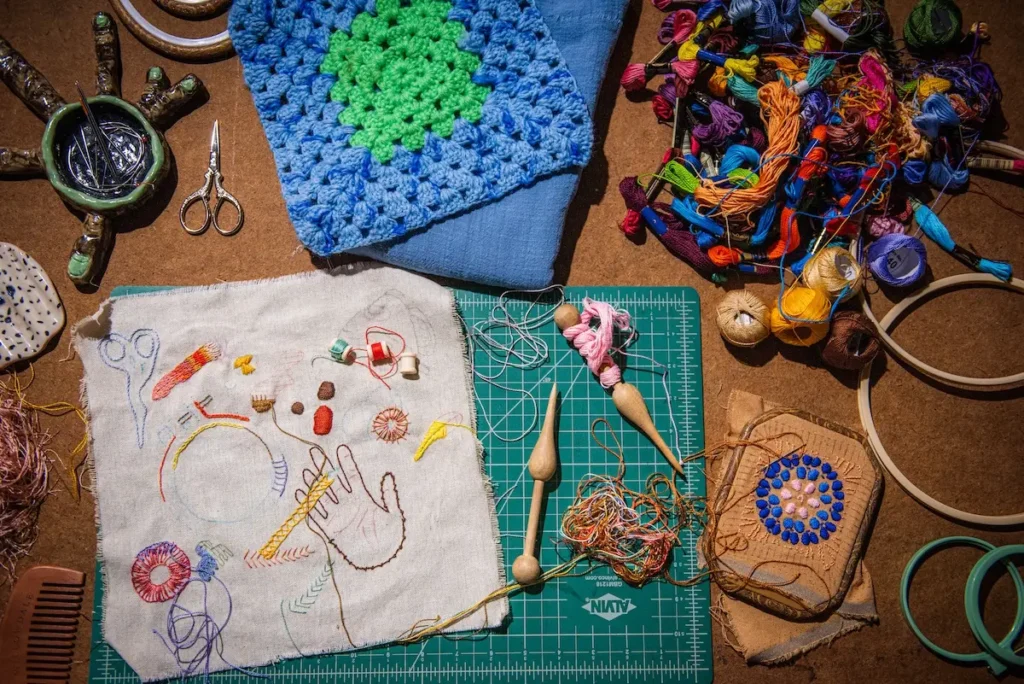
Crochet was my first language, the one that taught me patience and rhythm. I’m also fluent in macrame and weaving; they feel like extensions of the same movement, just spoken differently.
Lately, I’ve been learning embroidery, and I’m fascinated by it — by the thousand ways a single thread can speak, whisper, or shout depending on how you guide it.
Every technique feels like a new conversation with the material, and I never stop listening or learning from what the thread wants to become.
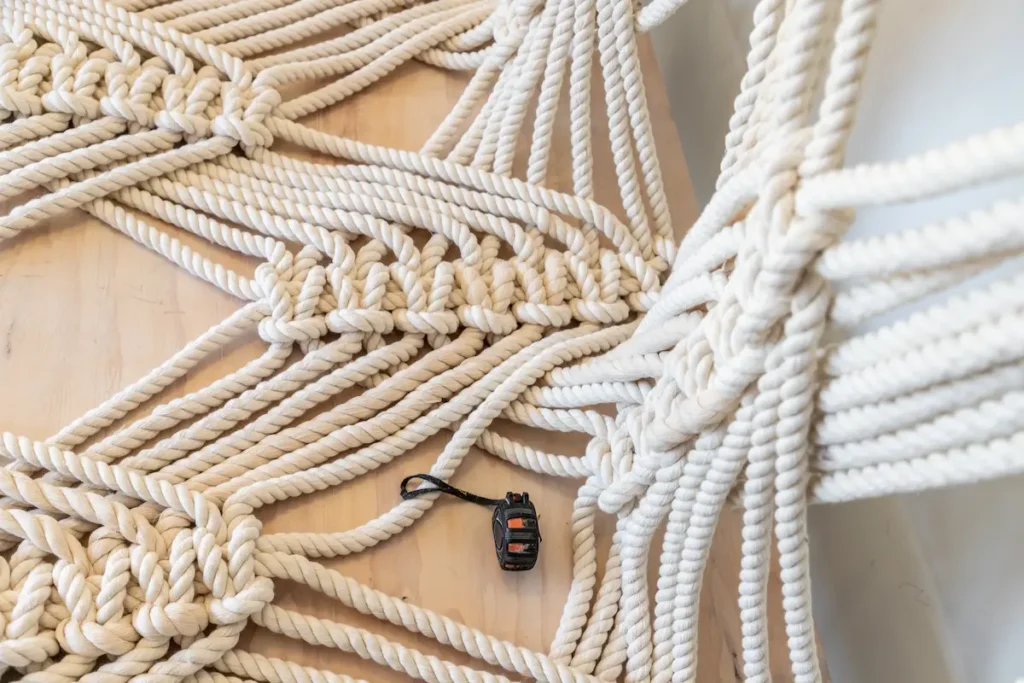
Are there particular stories or traditions that inspire your pieces?
I’m most inspired by the process itself. More than showing a finished piece, I like to share what happened along the way, the decisions, the pauses, the things that didn’t go as planned.
Every stage has its own story, and that’s what feels real to me. The process becomes a mirror of life: full of knots, restarts, and unexpected beauty.
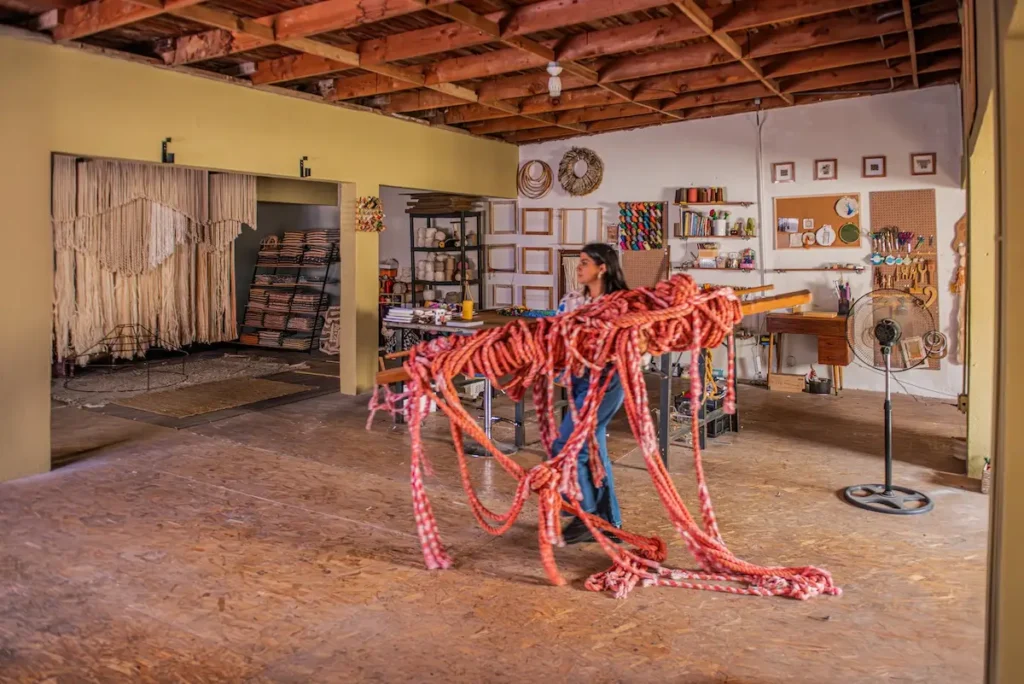
Describe your creative space.
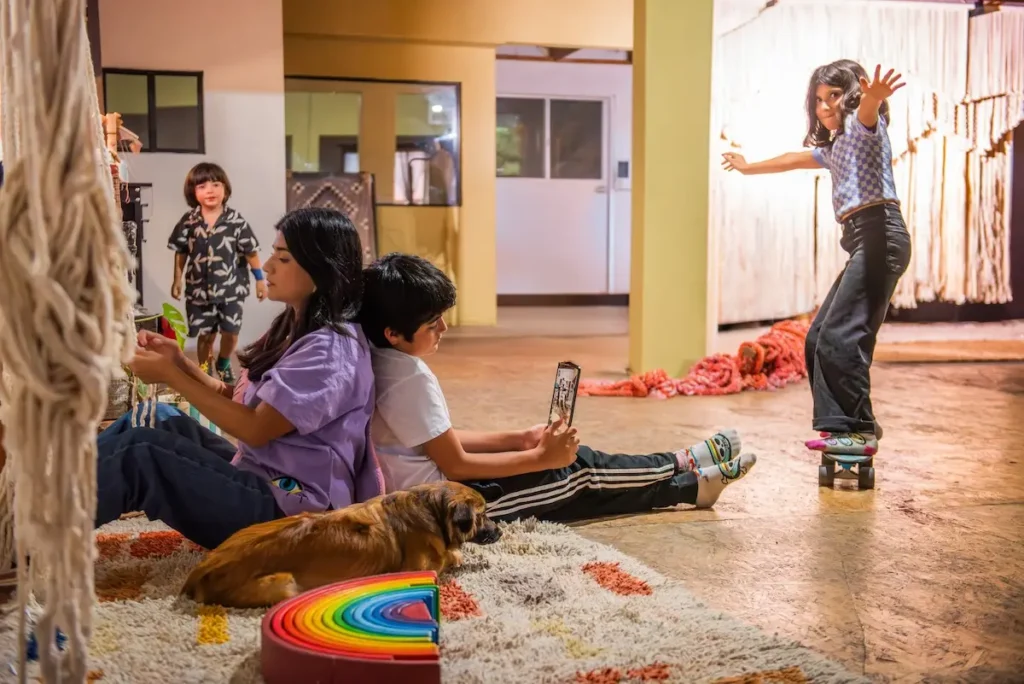
My studio is an extension of my home. To be honest, most of my work over the past nineteen years has happened in my living room or kitchen.
I’ve only had a separate studio for the last few years, and I truly treasure it; it’s where ideas finally take shape. It’s also a space where I can be with my children. Having them close and letting them be part of my creative process feels essential to me. It keeps my work honest, grounded, and full of life.
What materials are essential in your studio, and why?
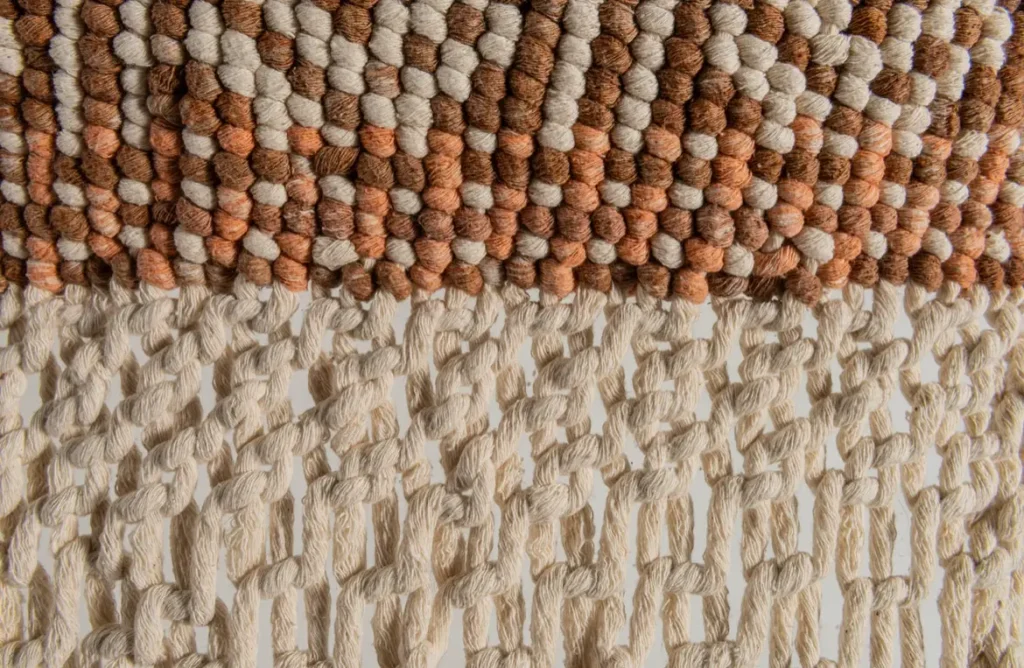
There’s always rope, yarn, and natural fibers around, cotton, jute, hemp, sometimes hand-dyed, sometimes tangled. I love materials that have a life of their own and change with time.
I also keep bits and pieces I find or reuse; they always end up sneaking into new projects.
And honestly, the one material that truly guides every project is a good cup of coffee. Nothing happens before that first sip.
How do you organize your workspace to foster creativity?
Having my own studio has made a big difference; now I can keep everything close and within reach. I like seeing the materials around me, and little by little I’m learning to organize them better (one day I’ll finally sort everything by color!). The more I organize my space, the easier it is to focus and let ideas flow naturally.
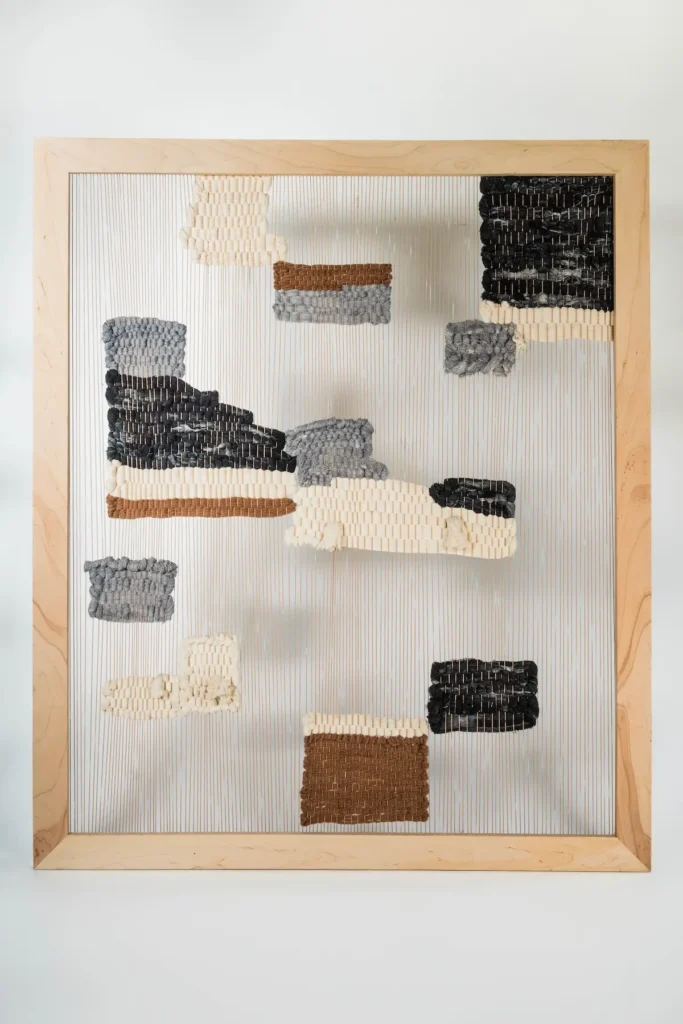
When beginning a project, how do you choose the fibers and fabrics you work with?
I usually start with the concept, the emotion or story I want to explore and then look for the material that can hold that feeling.
Each fiber has its own language: some are soft and forgiving, others are strong and stubborn. I choose based on what the piece needs to express.
Sometimes the material comes first, and it quietly tells me what it wants to become. Either way, the dialogue between idea and fiber is what sets the tone for everything that follows.
Can you share a behind-the-scenes look at a recent project? What is your creative process from concept to completion?
I usually start with research and the development of an idea. Then I make sketches, and sometimes small models or mini versions of the piece. After that comes my favorite part: choosing colors, testing dyes, and deciding on the technique I’ll use.
Something that has really shaped my practice is learning to embrace mistakes and repetition. Both are spaces of learning for me. Re-doing, adjusting, or even failing has become part of the process, a fertile ground where new ideas grow.
Finally comes the installation phase, where I also learn a lot. It’s where the piece meets the space and starts to breathe on its own. Each stage teaches me something new, and that’s what keeps me creating.
How do you maintain a balance between craftsmanship and artistic expression?
For me, there’s no real separation between the two.
The craft is what allows the idea to exist, it gives it structure, rhythm, and honesty. And the artistic part brings emotion, intuition, and meaning. One can’t live without the other.
When I’m working, I try not to force that balance; it happens naturally through the repetition of gestures and the time spent with the material. The hand knows when it’s ready.
What has been your most rewarding project to date, and why?
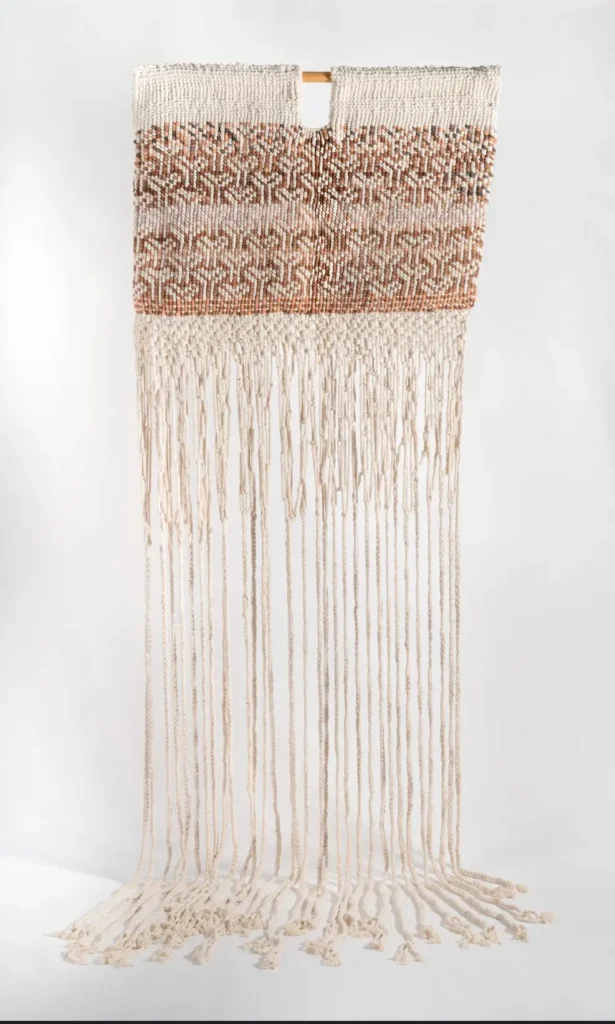
One of my most rewarding projects has been creating the collection Tapestry of Hues. It allowed me to express my voice through themes that were deeply personal and present in my life at the time. The process was chaotic but ended in great satisfaction.
Another project that filled me with joy was a large-scale macrame ceiling, about nine feet wide, that I created during my third trimester of pregnancy. It was a time when I felt incredibly powerful, full of life, and creative energy. Not long after, I made a forty-foot piece during the postpartum period. Both works were woven together with other women, and that collaborative act is something I’ll never forget.
What’s the best piece of advice you’ve received on your creative journey?
Not to be afraid of redoing or making mistakes. In textiles, just like in life, everything can be redone. 🙂
Learn more about Olivia on her website: https://holavicu.com/
Interview posted November 2025
Browse through more inspiring weaving projects and stories on Create Whimsy.