
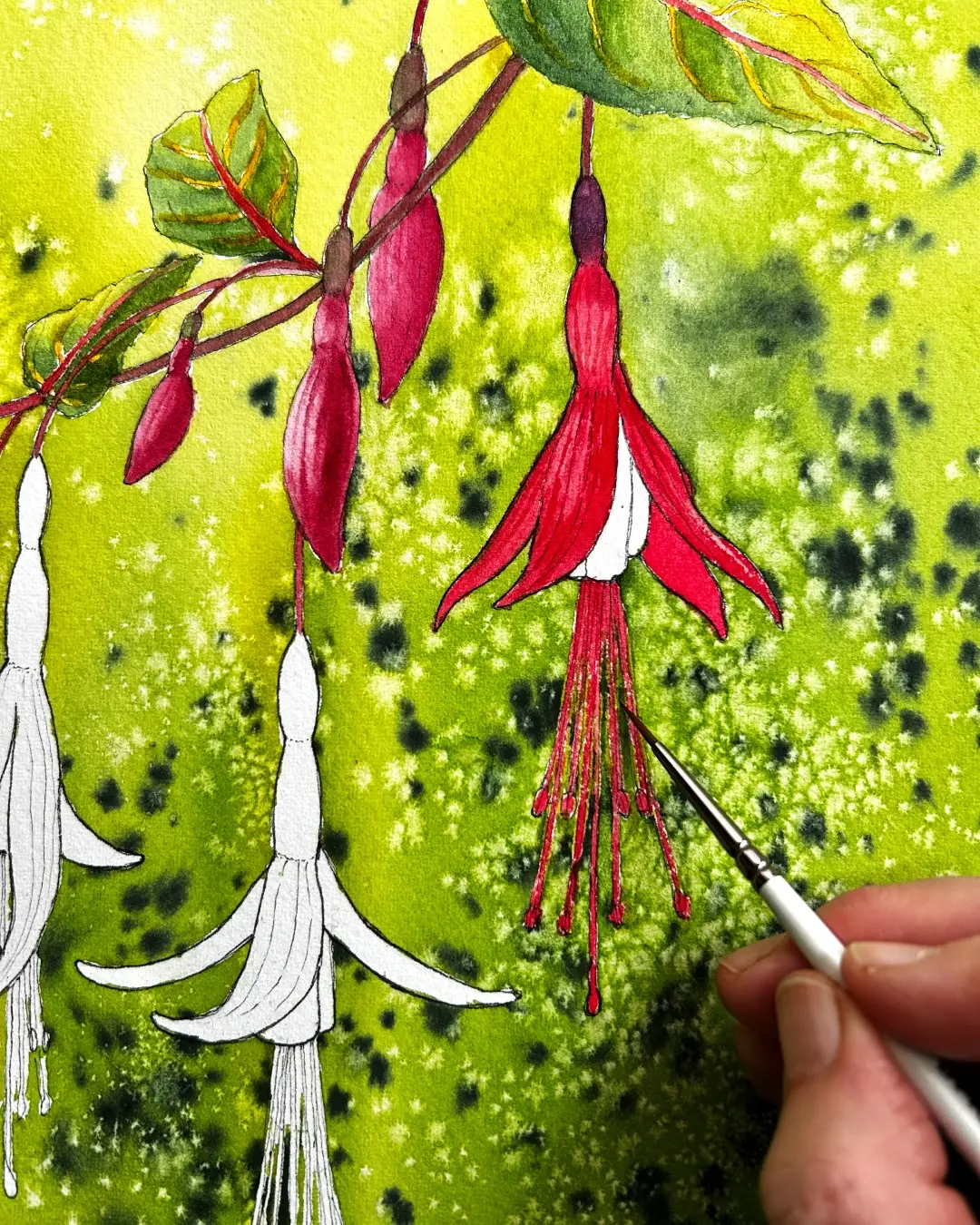
Step into a world where paint feels like petals and every brushstroke tells a story. Artists Lois and Morgaine Davidson work side by side, turning their love of wild flowers, open skies, and seaside walks into soft, glowing watercolour art.
In this conversation, the mother and daughter team share how they created their new book Flowers in Watercolour, what it’s like to make art as a team, and why trying, failing, and trying again is all part of the magic.
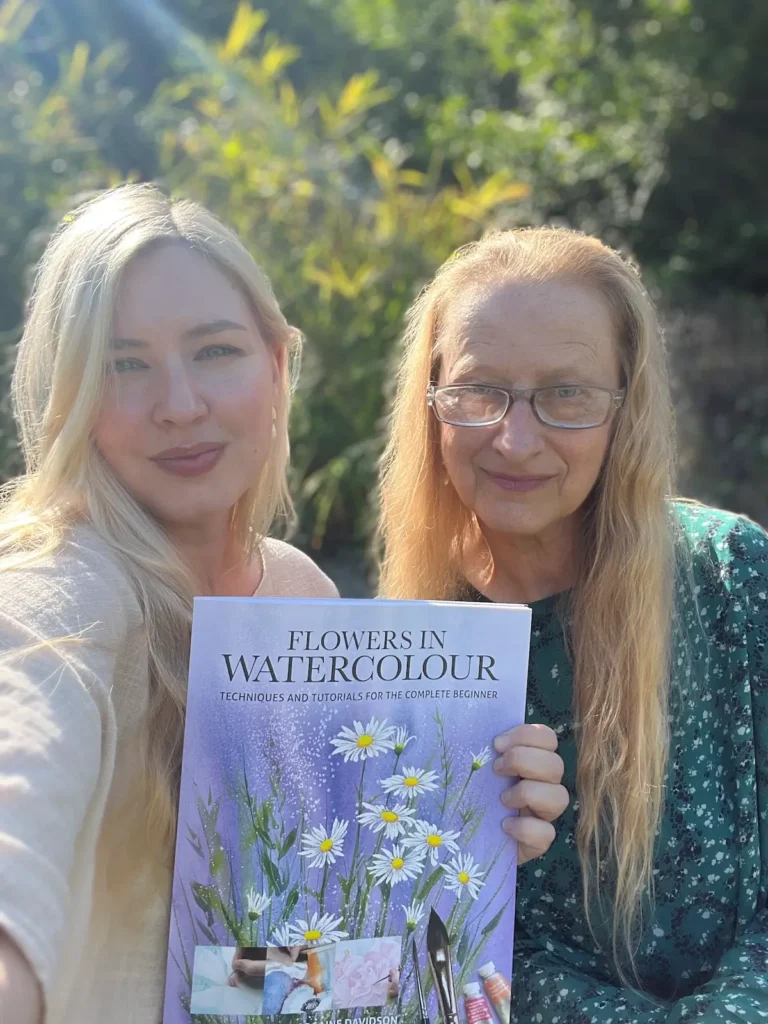
Congratulations on your new book, Flowers in Watercolour! How did the idea for this book first come about?
Thank you! After Lois’s success with her previous book, ‘Landscapes in Watercolour’, the idea was floated for a new title: something that focused in more closely on flowers, plants, and these beautifully decorative elements that make up wider landscape scenes.
Both of us are nature-lovers, so it felt like a very natural direction to take the project.
As an Amazon Associate I earn from qualifying purchases. Read more about our affiliate linking policy.
Why did you choose flowers as the focus for this book?
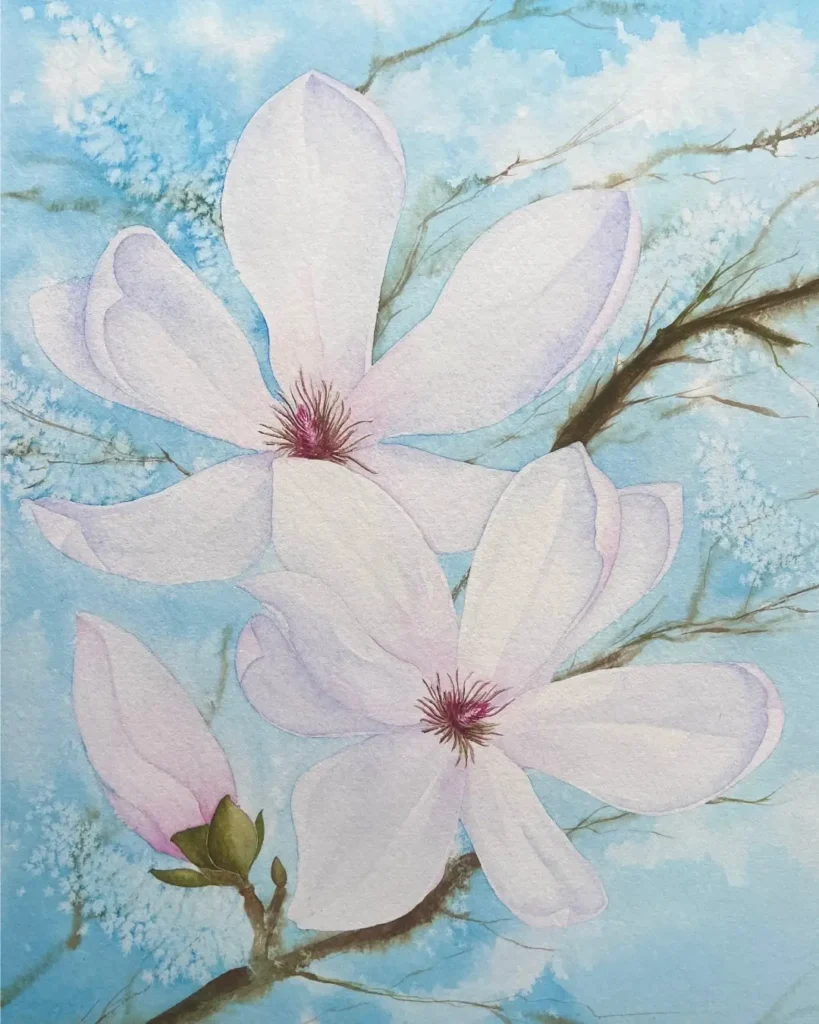
Flowers are the ideal subject for watercolour painting.
Not only do they come in a huge variety of colours, forms, and shapes, but they also have a wonderfully delicate, liminal quality, which we think lends itself perfectly to the medium.
Watercolour paint is translucent, and relies on the play of light and careful layering to build colour and texture; it’s perfect for capturing the delicate and ethereal qualities of most flowers.
How did the two of you divide the work while creating the book?
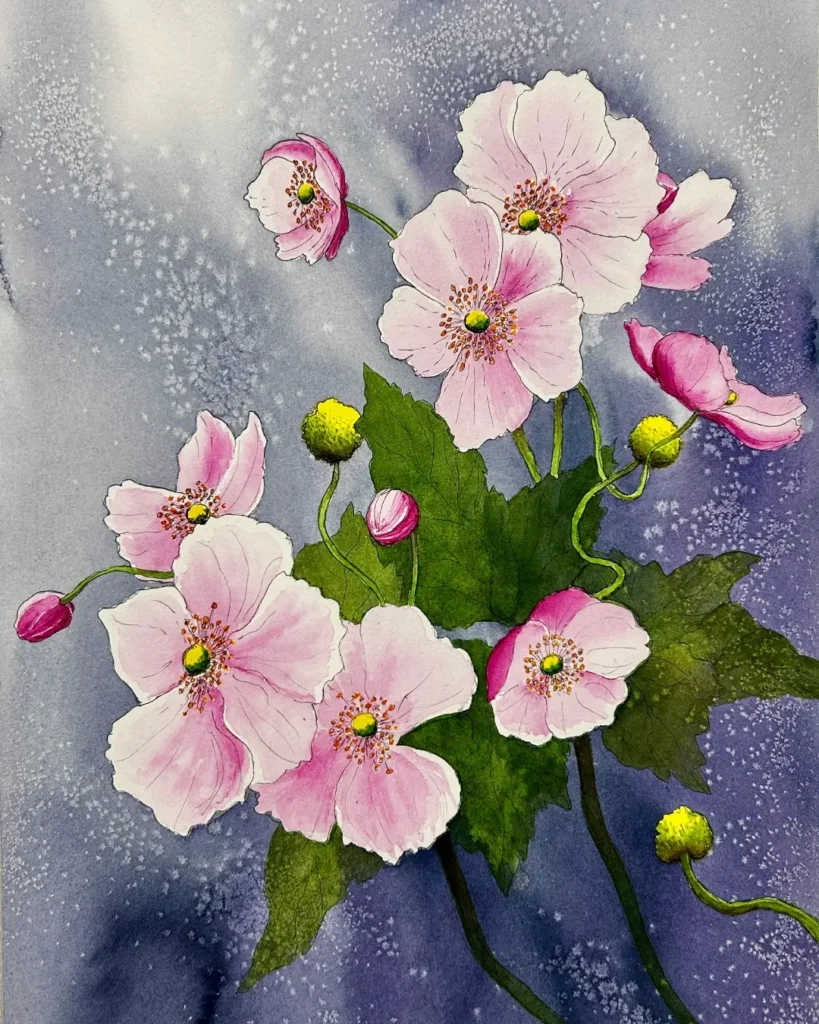
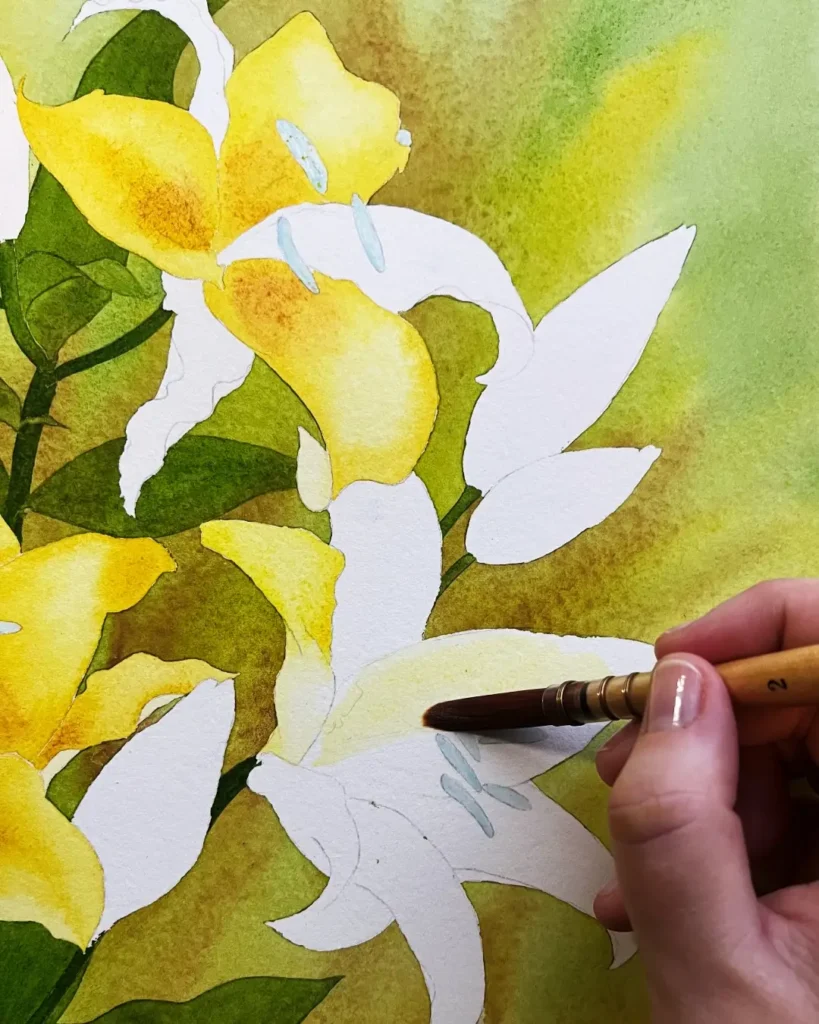
The book has ten key, step-by-step projects in it for readers to follow along with and learn from.
We decided to divide these in half and work on five projects each. This gave us the creative freedom to work in the ways that suit us, to plan and prepare each scene, from the very first ideas through to creative drafts and sketches, all the way through to the finished pieces.
We kept in constant communication throughout the entire process, partly to make sure there weren’t any issues with any projects turning out too similarly, and also, because we have always worked best as a team!
The rest of the book’s content was a more collaborative affair, with both of us contributing images and ideas to the text.
Was writing a book together different from creating videos or teaching online?
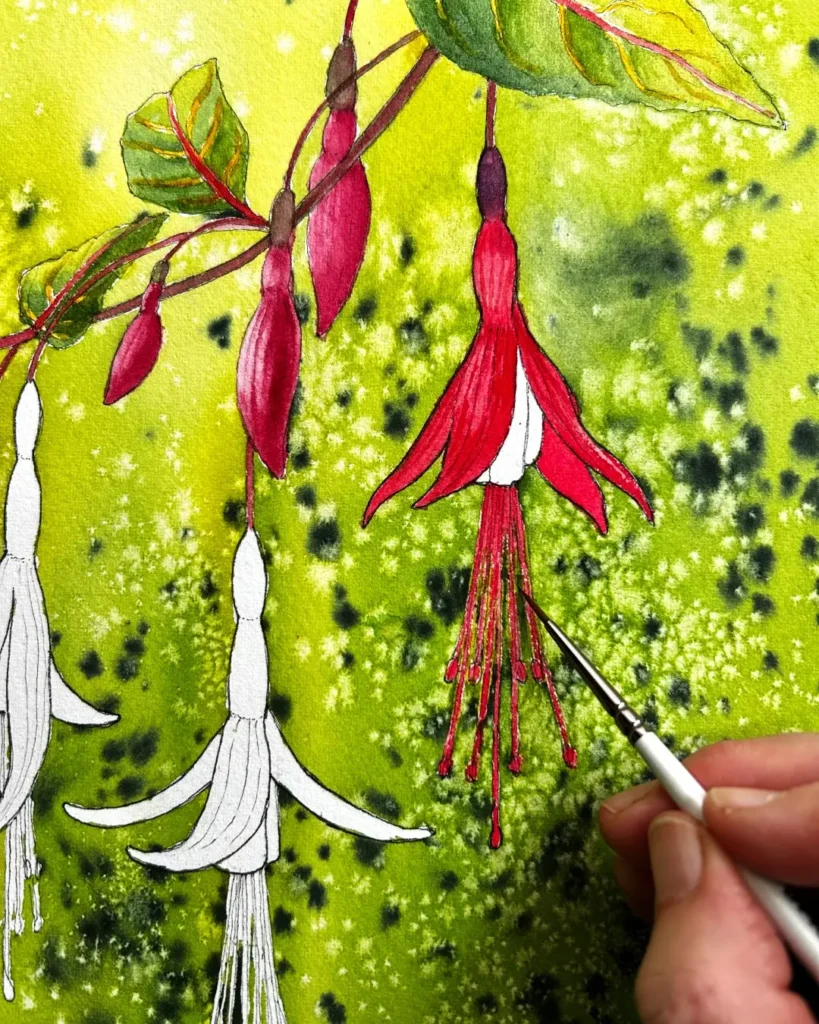
Very much so! Teaching online is a very different beast from writing a book. There are certain skills that transfer well from one form of media to the other, but of course, many things that we had to find new (and more concise!) ways of explaining.
Fortunately, Morgaine has an MA in English & Creative Writing, so she was able to provide decently sturdy foundations for the book’s written content, while Lois was the main driving force behind making sure the right techniques and beginner-friendly information were all properly explained.
Describe your creative space.
Messy, mostly! We are both very visual people, so when working on creative projects, we love to be surrounded by the things we find inspiring. These can be anything from photographs, old paintings, sketches, fresh flowers, beachcombing finds, books, maps, or magazine cuttings… even music!
Do you each have favorite materials, or do you share everything?
Fortunately, we’re mostly able to share! We both have similar tastes when it comes to colour, so we’re able to easily pool our paint resources. We have slightly different tastes when it comes to paper: Morgaine is a hot-press devotee, while Lois is more flexible and enjoys working on a wider variety of surfaces.
Are there certain flowers, plants, or landscapes that always call you back?
Absolutely!
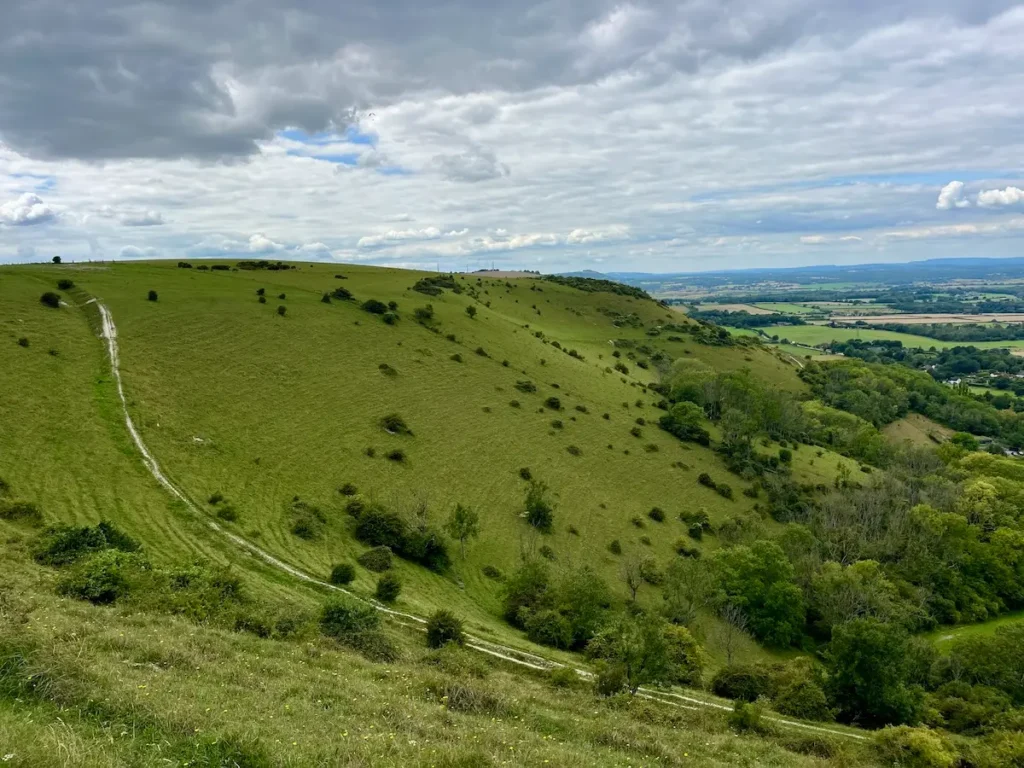
We both have a very deep, personal connection with the landscape around us, particularly the chalk downlands in Sussex, and the spectacular coastline around Cuckmere Haven and the Seven Sisters cliffs.
There is something so unique and magical about the area, from the magnificent open skies to the clear expanse of blue water; from the tiny wild flowers of the chalk to the rolling hills that, on a clear day, look like vast green swathes of ocean, trapped in time.
Everywhere, flowers and plants thrive naturally, even on the salty coastline: yellow horned poppies and sea-kale grow in abundance, alongside startlingly purple viper’s bugloss; and across the downland, flowers grow through all seasons.
In a single walk, you can come across so many different and beautiful varieties, from wild thyme and meadowsweet to bright buttercups, gorse, and birds-foot trefoil; from delicate nodding harebells and violet scabious to the cheerful, ever-present dandelions. Little and large, we love them all!
Even in the dead of winter, there are wonders to see: the deep red of hawthorn berries and indigo sloes line pathways decorated with green lichen and ivy.
What role does experimentation play in your studio practice?
Experimenting is a vitally important part of the painting process.
Nobody can simply sit down and paint a masterpiece on their first try! Finding a way to get an idea out of your head and onto paper can be a challenging process, and a lot of trial and error is usually involved – which is okay!
A lot of beginners worry about making mistakes, or doing things ‘wrong’ – however, these so-called mistakes are often one of the most important parts of the learning process.
After all, you’ll never be able to figure out what you like and what you enjoy if you don’t also know the direction you don’t want to go in!
Learning to experiment freely can also lead to unexpected discoveries and new techniques. It’s all part of the process.
What is the biggest lesson you’ve learned from working together?
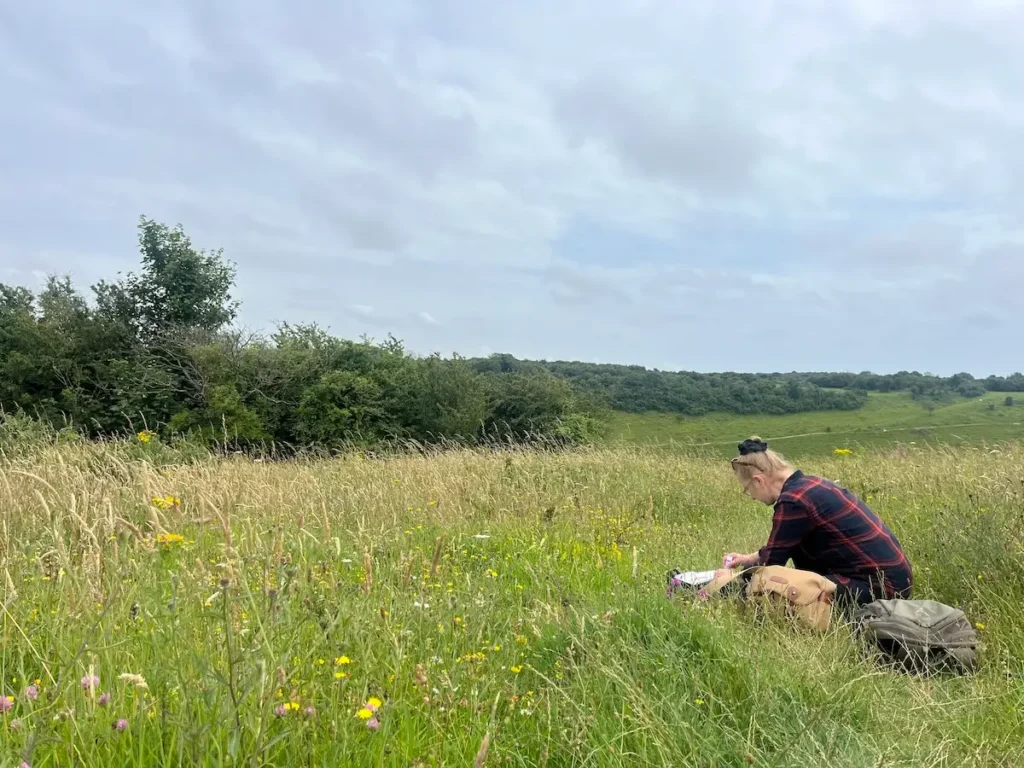
Communication, mostly! When you’re accustomed to spending time and working with a certain person, you begin to assume that they know exactly what you’re imagining and thinking, which isn’t always the case!
A large project like this one required us to be really open about what ideas we were having, concepts we both liked and didn’t like, and which particular subjects simply had to be included.
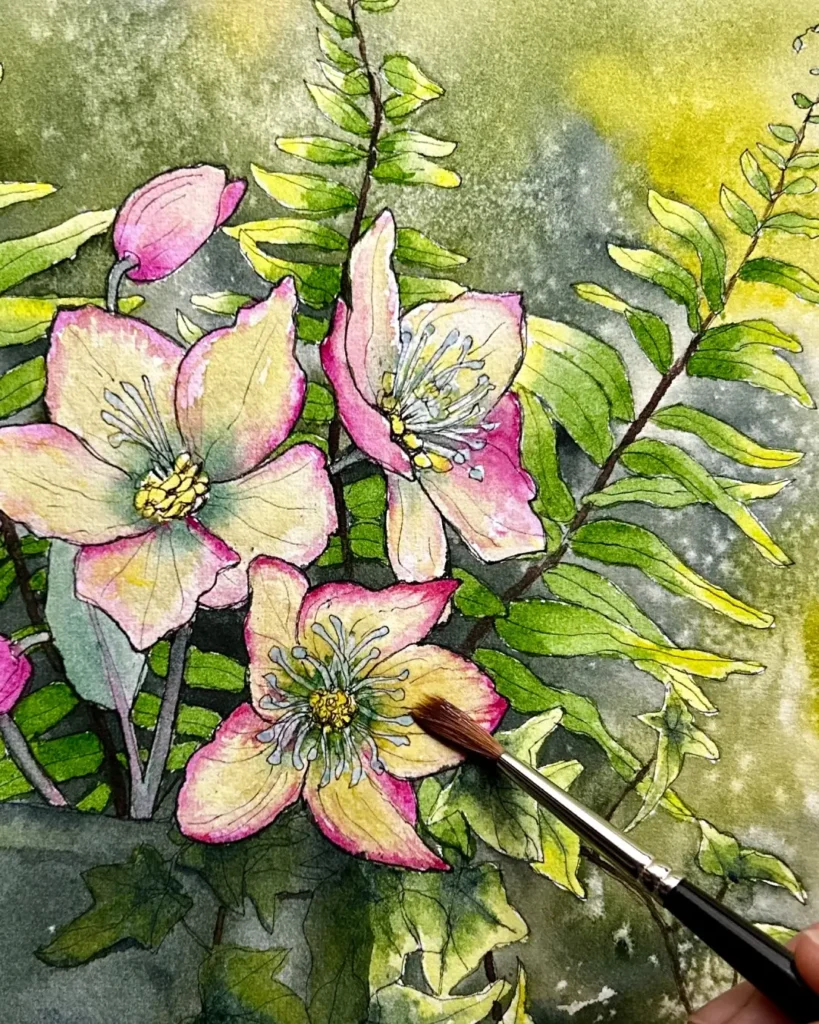
For example, Lois has an abiding love of ivy, ferns, and all things green, which evolved into the project Winter Hellebores with Ferns and Ivy; while Morgaine has a deep affection for all things wild and overlooked, which led to the creation of the final project in the book, Bramble Ramble.
How do you celebrate a finished piece or completed project?
With a walk around one of our favourite wild places, usually: the chalk downlands, the woods, or the beach!
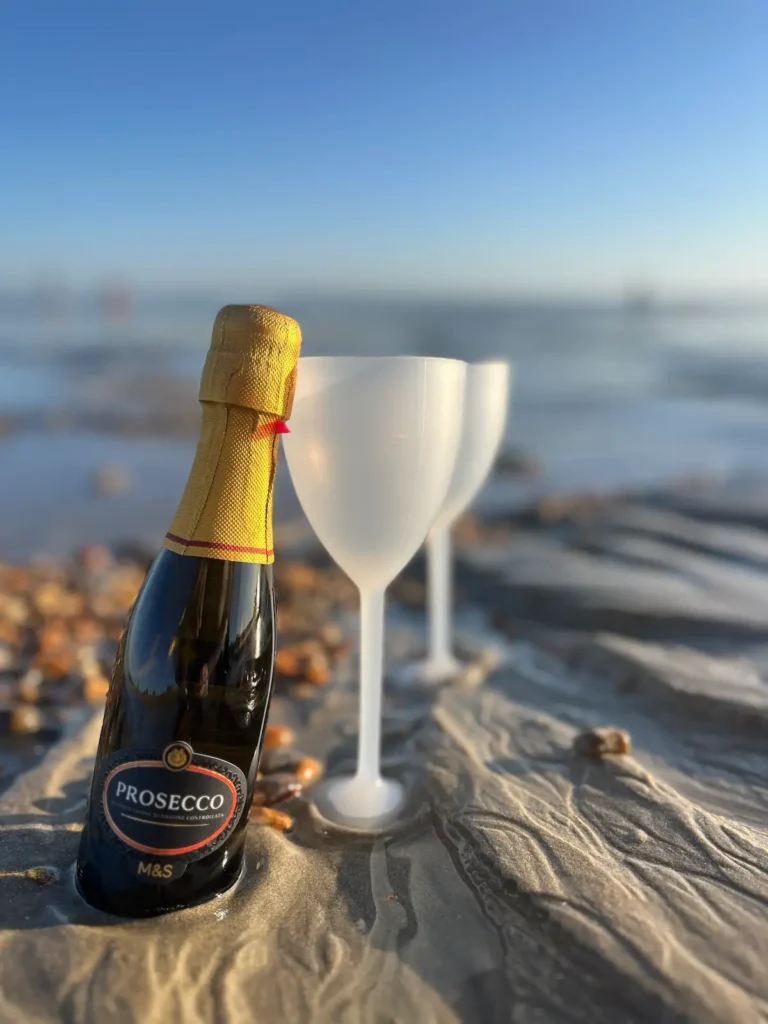
When we finished ‘Flowers in Watercolour,’ we brought a small bottle of bubbly and two glasses down to one of our favourite spots on the beach, and toasted to the completion of the project. We were fortunate enough to have clear skies and a stunningly beautiful low tide!
You teach watercolour through YouTube and Patreon. What do you enjoy most about teaching art online?
One element we both like is the immediacy of it: the ‘show’ aspect. It is, in some ways, easier to teach in this way, rather than through a book, because with the use of video media, we can describe and demonstrate how to perform a certain technique simultaneously, which is a really great way to learn.
It’s also been wonderful to receive so much positive feedback over the years as to our teaching and painting style, which we can use as guidance to keep building content that our online audience will enjoy. We like to focus on things we know beginners will find really useful, as watercolour painting can be a complicated thing to get to grips with at first.
What have you learned from the people who follow your work?
Just how amazingly friendly and supportive online communities can be!
We’re so grateful to have this amazing opportunity to share what we’ve learned about art and painting with other people around the globe. Being able to give back in the form of teaching is an incredible thing, and creating art in any form is one of the most rewarding pastimes in the world.
We both firmly believe that anyone and everyone should have access to art, in some form or another: to be able to create and learn in ways they enjoy and find fulfilling.
Where can people see your work?
We both have Instagram pages, where we share photographs and short videos of our own personal artwork, as well as updates for upcoming videos and tutorials!
Lois can be found under @loisdavidsonart, and Morgaine can be found under @morgainerose_art.
We do exhibit in some local art shows and galleries as well, details of which we share online as and when they occur; for example, Lois’s painting ‘Yellow’ and Morgaine’s painting for the project Bramble Ramble were top 200 winners in the IWM2026 Contest (the International Watercolour Masters 2026) and will be hung alongside other winners for the show at Shropshire, UK in May 2026.
Rapid-Fire Fun:
Morning studio or late-night creativity?
Late-night creativity! Neither of us are early birds, much preferring to let the world wake up and have its coffee before we begin our work.
Music, silence, or nature sounds while you work? We both love working to music, but we do have different tastes! Lois loves classical and Celtic harp music, while Morgaine tends to enjoy something a little louder; her current favourites are Sleep Token and Poets of the Fall.
Favorite flower to paint? Hard to choose – there are so many! But if we had to pick, Morgaine’s would be hedge bindweed or white star clematis, while Lois loves all meadow flowers, especially poppies.
A colour you never get tired of? Again, this is a hard one – there are so many to choose from! Lois loves deep blue-grey neutrals such as sepia, indigo, and Payne’s grey, while Morgaine simply cannot exist without a tube of burnt sienna.
One word that describes watercolour to you? Technically, this is two words: one from each of us! Lois says ‘expressive’ and Morgaine says ‘magical’.
Interview posted April 2026
Explore more painting inspiration on Create Whimsy.