
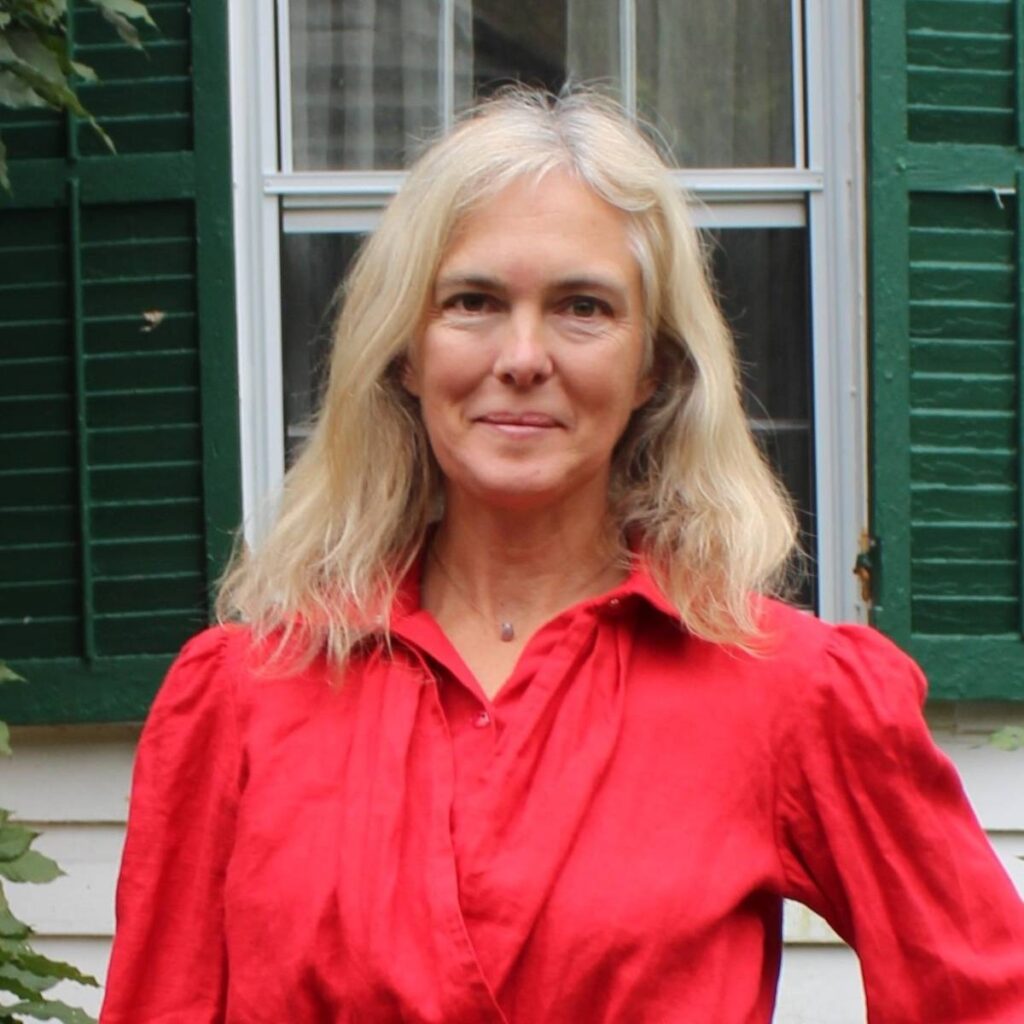
From a childhood spent stitching scraps beside her grandmother to leading a beloved heritage brand, Molly Hamilton’s story is sewn with heart, history, and purpose.
She sees clothing as more than fabric—it’s a way to carry culture, memory, and meaning through time. With curiosity as her compass and a deep respect for tradition, she brings old-world garments to life for modern makers, one thoughtful pattern at a time.
What are some of your earliest memories of making things with your hands?
My earliest memories of making things with my hands are being with my grandmother in her sewing room. I would watch her sew and take the scraps of fabric she had and put them together. She eventually taught me how to sew, and I would draft and hand sew clothes for my Barbies and Cabbage Patch dolls.
I found one of the dresses I made for a doll the other day (it was so ugly! but I remember being very proud of it at the time). I eventually learned how to use a sewing machine. I also did a lot of cooking with that grandmother from a very early age.
As an Amazon Associate I earn from qualifying purchases. Read more about our affiliate linking policy.
Did sewing or textiles play a role in your childhood, or did that come later?
Yes, Sewing and textiles played a fairly large role in my childhood.
My grandmother was a very good seamstress, and she made most of the clothes that my brother and I wore when we were young.
My father died when I was young, and my mom was a single mom and sometimes struggled. I think my grandmother showed her love and support by providing a lot of the clothes we wore. Then she taught me how to sew, and I enjoyed making clothes for my dolls, and then eventually for myself.
What first drew you to Folkwear and its unique collection of patterns?
The first time I ever saw a Folkwear pattern was in a sewing shop, and I noticed the cover.
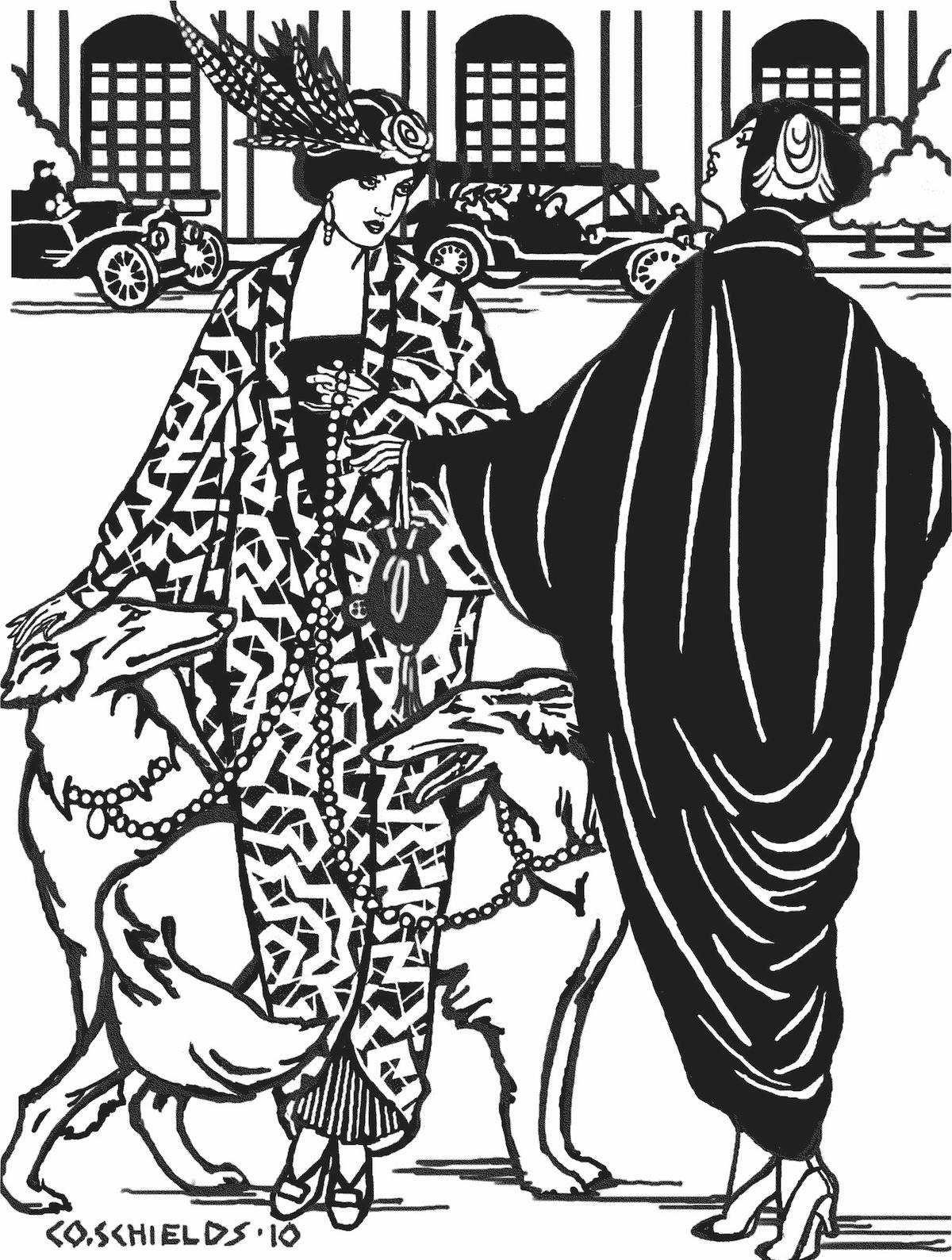
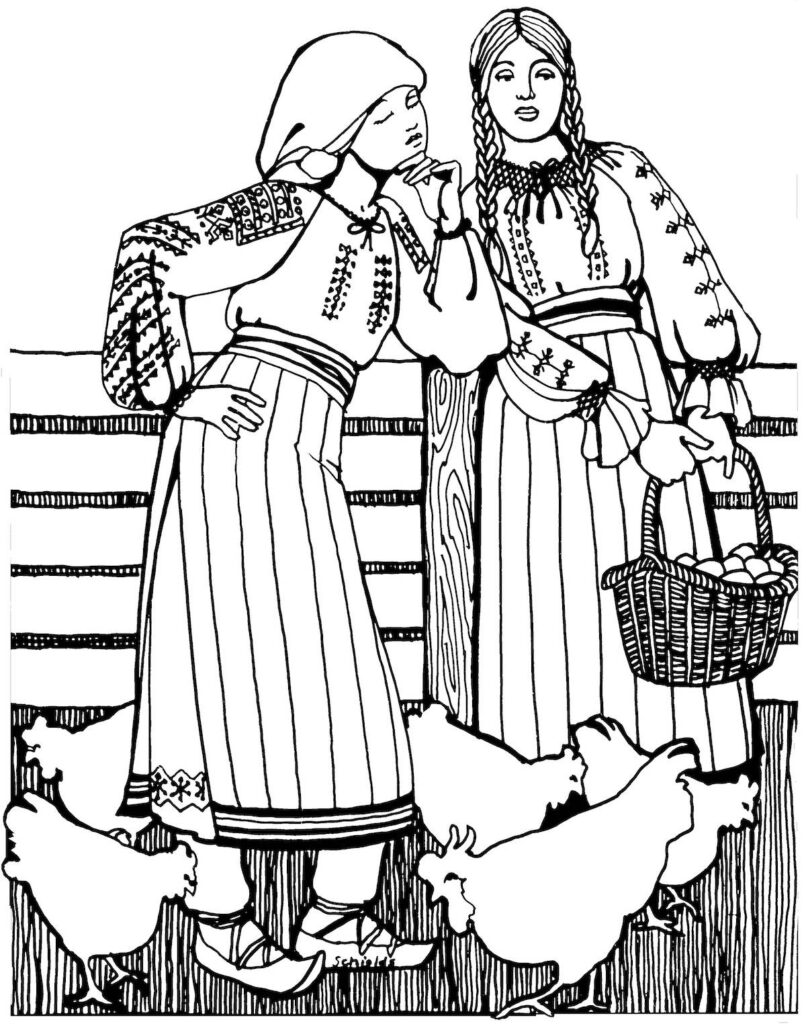
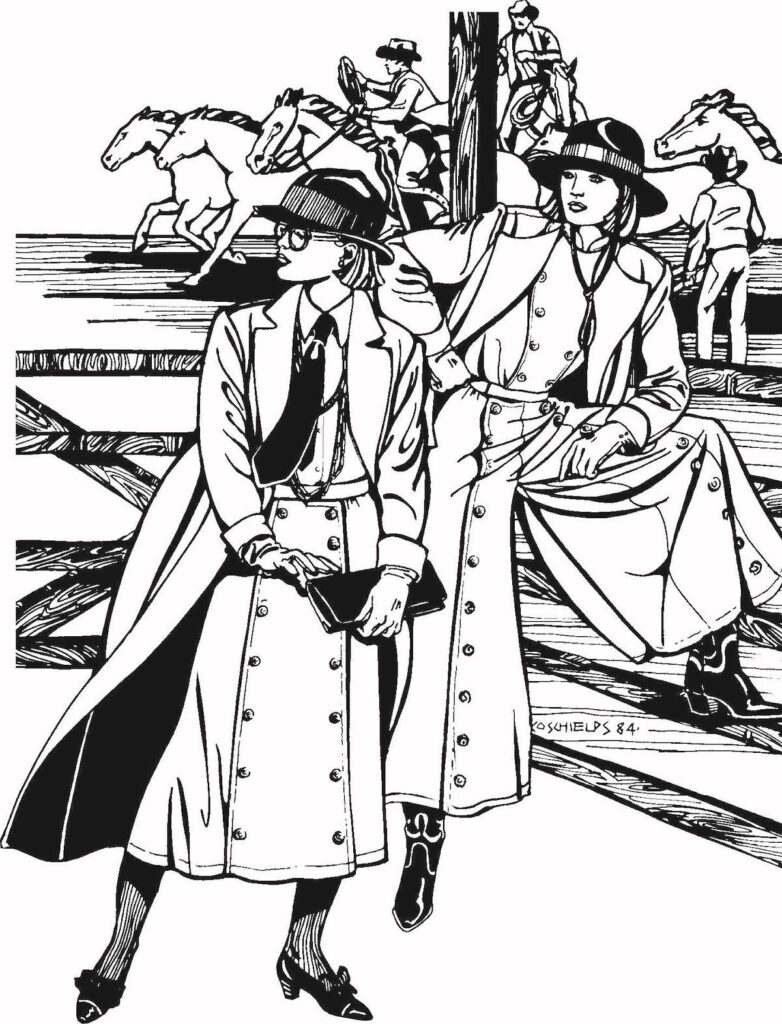
If you haven’t seen them, most Folkwear pattern covers feature the iconic illustrations by Gretchen Schields. The pen and ink drawings are eye-catching and evocative of imagination and romance.
Many years later (about 11 years ago), I met Kate Mathews, the former owner of Folkwear, who gave a talk at a local textile group. She talked about Folkwear and its history and showed samples from the Folkwear collection. I was enraptured. I thought this was one of the coolest companies I’d ever seen.
At the end of the talk she said “I really want to retire and I want a young woman to take over this company”. And I thought, “That’s me.”
How did you come to take on a leadership role with Folkwear?
I approached Kate almost a year after that lecture where she spoke about Folkwear, and I mentioned that I would be interested in taking over the company if she hadn’t found someone else. She got back to me and said she was in talks with several others, but she was really interested in meeting with me.
We met and talked, and it seemed like a really great fit. Lots of things had to work out, and eventually they did.
I bought Folkwear from Kate and took over running the company in late 2016. Kate served as a mentor to me for several years, and she continues to be a friend and supporter.
What was the moment when you realized this work was more than just a job for you?
I don’t think my work at Folkwear has ever been just a job to me. This work has felt important because I feel like I’m stewarding a legacy brand forward. And not only a legacy brand, but a brand that stands for cultural appreciation and preservation, historic appreciation and preservation, and textile and fabric appreciation and preservation.
It is also my livelihood — I am a single mother of four children, and the success of Folkwear is important to me. I want it to be able to support all the people who work for Folkwear, and I want Folkwear to continue on into the future well after I am no longer with the company.
When you first started, what felt exciting—and what felt a little overwhelming?
Pretty much all of it was overwhelming and exciting. I was probably the most excited about sewing more of the patterns and learning about the history and background of the patterns, as well as the historic sewing techniques.
I was overwhelmed by the website management and bookkeeping. But I created a new website, and that made a huge difference in being able to manage orders, shipping, and inventory.
And I do like that aspect of running this business. And, I learned more about bookkeeping, and eventually hired someone to do that work.
Folkwear patterns are rooted in culture and history. What draws you most to these stories?
I love that Folkwear patterns are connected to cultures and to historic eras.
I’ve always had an interest in geography, history, and anthropology (even though my educational background is in science), and I love that these patterns can connect people to cultures and time periods.
We see people who get the Korean Han Bok pattern in order to be able to make and wear it to attend a friend’s Korean wedding. And we see customers get the Navajo Blouse pattern so they can make the traditional Navajo blouse for their niece or granddaughter who is graduating from high school. These stories mean a lot to us.
How do you balance honoring tradition while making designs feel relevant today?
We don’t change the traditional designs to fit a modern aesthetic (though occasionally we will add pockets).
The designs that Folkwear uses for patterns are based on original garments, and few, if any, changes are made.
I do think that Folkwear, over the years, has chosen garments to make patterns from because they are relevant to the modern time — whether that was the resurgence of the popularity of Edwardian aesthetic with the lace and the ruffles, or interest in Norwegian- American heritage coming from those connecting to their ancestry.
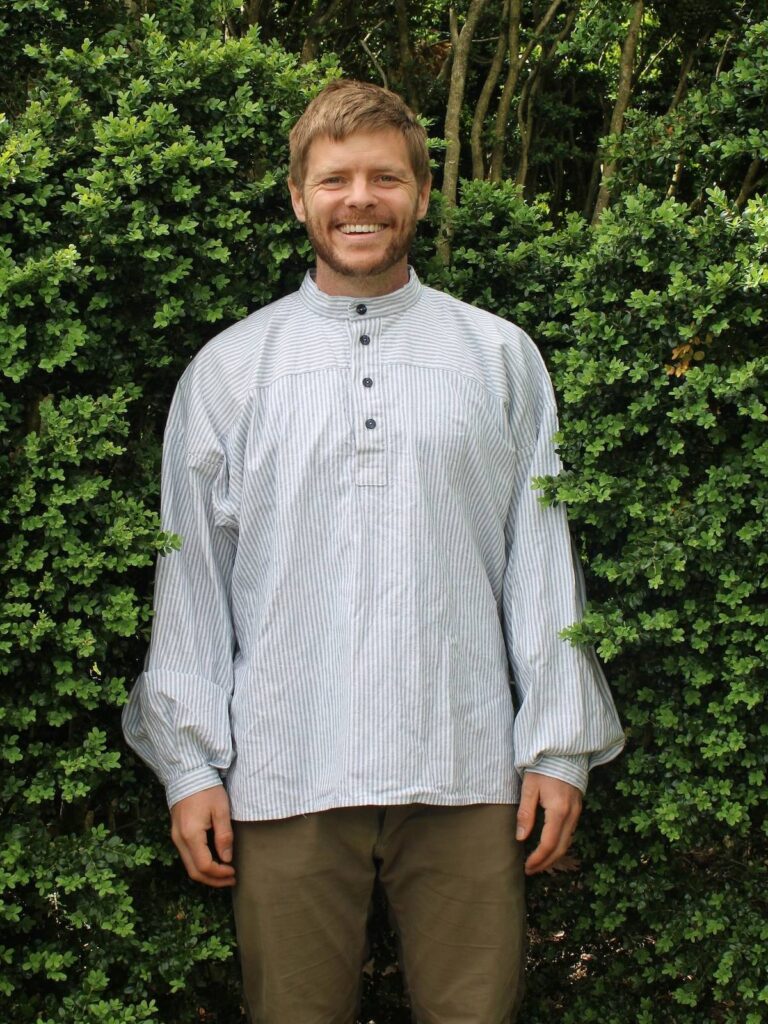
But we don’t change the garments to fit a particular, modern aesthetic. For instance, our folk work shirt patterns are made with underarm gussets and rectangular pattern pieces, and that is fairly unusual to see in any modern sewing construction.
Do you have a favorite pattern or collection that feels especially meaningful to you?
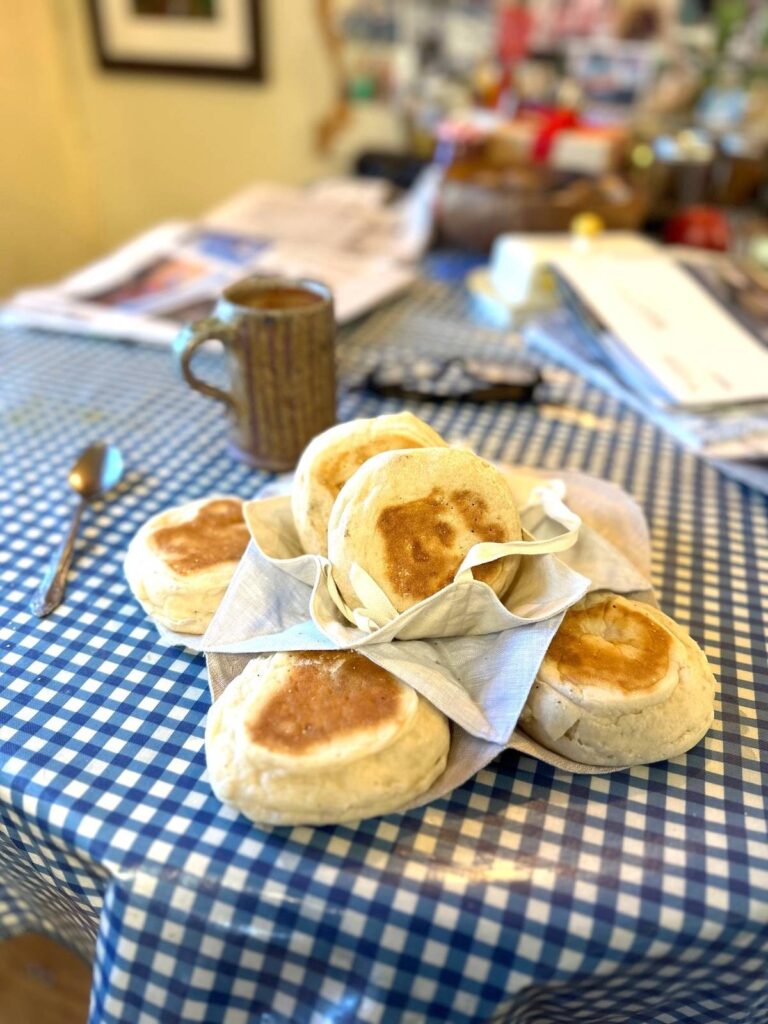
I think possibly 303 the English Cottage Kitchen pattern, which was my very first Folkwear pattern. It always makes me think of a beautifully set table for tea — with a cute tea set, scones, strawberry jam, and clotted cream, a bowl of peonies, and my beautiful handsewn linens on the table.
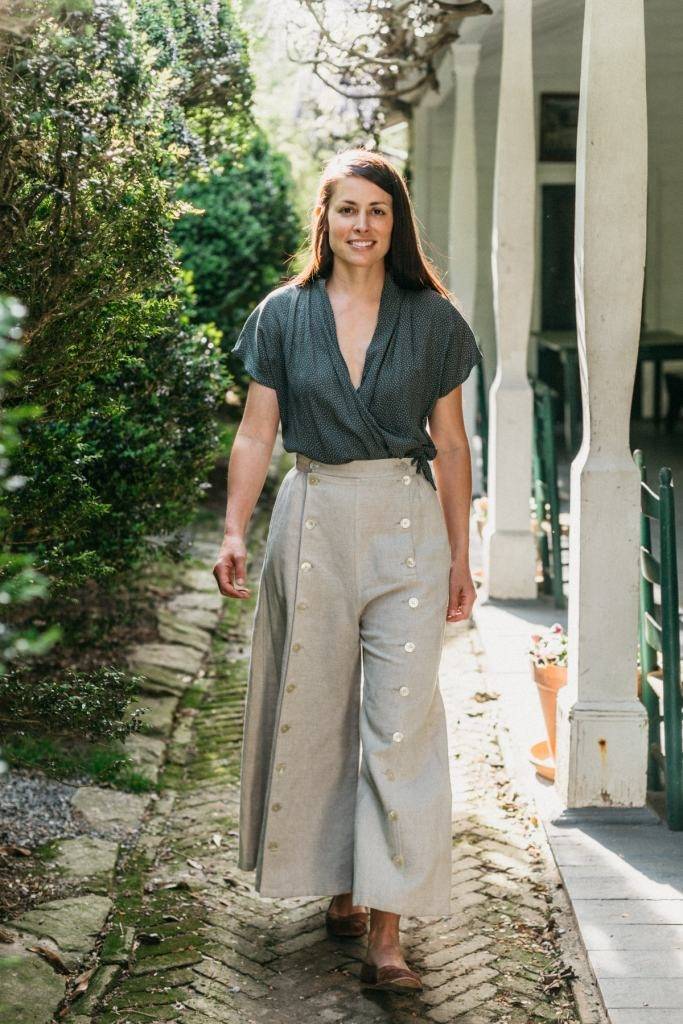
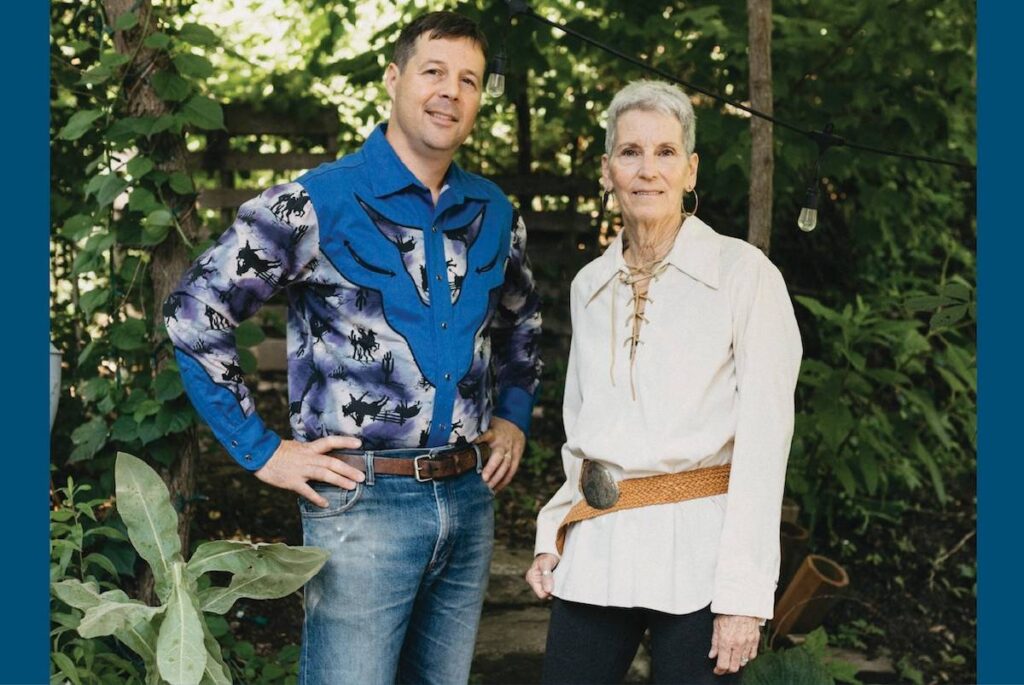
It is very hard to pick a favorite pattern. Right now, I really love the 212 Five Frontier Shirts — the modern view without the decorative yokes makes a perfect buttondown shirt.
What does a typical day look like for you at Folkwear?
I love that every day is a little different, and we constantly have new projects.
I generally do computer work in the morning — emails, marketing, inventory management, order placement, etc. Then I try to get to sewing in the afternoon — working on samples, tutorials, or testing patterns.
I usually have to leave the office by 3 to pick up children from school or sports, but I will spend another hour at night checking emails or working on a blog post.
How do you organize your ideas, projects, and patterns?
That is a good question. I don’t have a great system, but it works ok for me.
We have files of project ideas that we turn to a couple of times a year. I have a notebook with a running list of all that needs to get done, and I work from that.
I meet with our (very small) team a couple of times a year to do strategic planning — creating goals, talking through ideas, and setting up a calendar plan.
How do you stay connected to the hands-on side of sewing while running a business?
I do try to spend a few hours a week sewing samples or testing patterns, and I really like to set aside some time to do personal sewing as well.
I love to sew, but it doesn’t have to be my job. I want to have space to play with my own ideas too. And it’s always good to sew other things (other than for my business) because it gives perspective and new ideas. So all of those are ways I stay connected to the hands-on side of sewing.
Can you walk us through how a new pattern comes to life at Folkwear?
We start with an idea, which sometimes comes from customers, sometimes comes from a garment we find, or sometimes comes from the Folkwear archives.
We draft a pattern for the garment (which can be complicated), then decide and test how the pattern gets sewn together as well as how it fits. When we are happy with that, we will grade the pattern for the different sizes and test the sizes to make sure the pattern works.
Meanwhile, we write instructions for sewing the pattern, create illustrations for the instructions, figure out yardages for all the sizes, and develop a cover for the pattern (including a pattern description, fabric suggestions, and notions).
Once we are happy with all of this and it has gone through lots of edits at each stage and quite a bit of testing, we make a final copy, make samples, photograph samples, and get the pattern printed. We print some patterns in-house, and we print some patterns with Simplicity. We print instructions and covers locally. And we develop each pattern for PDF files as well.
How do you decide which garments or traditions to explore next?
This usually comes from customer requests or from the Folkwear archives. Sometimes we come across a garment that feel classic or iconic and it fees like a good one to make a pattern for.
This happened with the 160 Hawaiian Mu’umu’u and the 280 Resort Kaftan. Employees actually brought in original garments for both of these, and we thought they would make great Folkwear patterns.
How has your work—and Folkwear itself—evolved over the years?
Folkwear has gone through a lot of changes over the years, but the core of the company’s values and mission have remained the same.
We have graded a lot of patterns into a larger size range over the last 10 years. We have also made most of our patterns available as PDF or digital patterns.
The business of printing sewing patterns has changed a lot as well. We lost our major printer in 2022 and adjusted from there to figure out how to keep patterns in print (for the details, you can read our blog post here). Then, we got into the printing business two years ago. I wanted more control over printing patterns and how they were printed, and decided doing the printing in house made sense.
We invested in wide-format printing and folding equipment. Now, we spend quite a bit of time printing and folding patterns. Which we also do for individuals and other businesses through our printing service: https://www.folkwear.com/products/pdf-printing
What have been some of your proudest moments along the way?
I am proud of the new patterns we have released, and the new sizes added to old patterns. I am proud to bring back so many old Folkwear patterns back into print, and to usher in in-house printing.
What lessons have shaped you the most as both a maker and a business owner?
Hearing from customers has shaped what we do, and I think that is a lesson that is important. Our customers provide lots of input and suggestions, and requests, and we want to have a company that reflects what is needed.
And as a maker, I have been shaped by other people, other makers. From creative inspiration, to lessons on time manangement, to learning a better way to press fabric — I feel like I constantly learn from others.
What do you hope people feel when they sew and wear a Folkwear pattern?
I hope they feel a connection to a culture or to a past time period. Whether that is to their own culture and heritage or to a place or time they admire.
I hope our patterns evoke an appreciation of how fabric, textiles, and clothes connect us all — around the world and through history.
What advice would you give to someone just starting their sewing or creative journey?
Be patient. Sewing and creativity take practice. Enjoy the process, keep learning, keep experimenting.
What do you wish more people understood about handmade clothing?
I wish they understood that all clothes are handmade. Even in a factory, the clothes are sewn by a person on a sewing machine. And that clothes have been made by hand since the beginning of people wearing clothes.
This is a tradition and history that is passed down (a folk tradition in many ways). And, there is a diversity of ways to do it. Making clothes is different in every culture and village, yet the same.
Website: https://www.folkwear.com/
Instagram: https://www.instagram.com/folkwearsewing.patterns/
Facebook: @folkwearpatterns
Rapid Fire Fun
- Hand sewing or machine sewing? Machine sewing (though I love hand sewing for short amounts of time, like 10 minutes)
- Favorite fabric to work with? Linen
- One pattern everyone should try? 142 Old Mexico Dress
- What are you making just for fun these days? I just made a quilt top from some Liberty of London scraps. And I am making a pair of pants for my son from a Green Pepper pattern.