
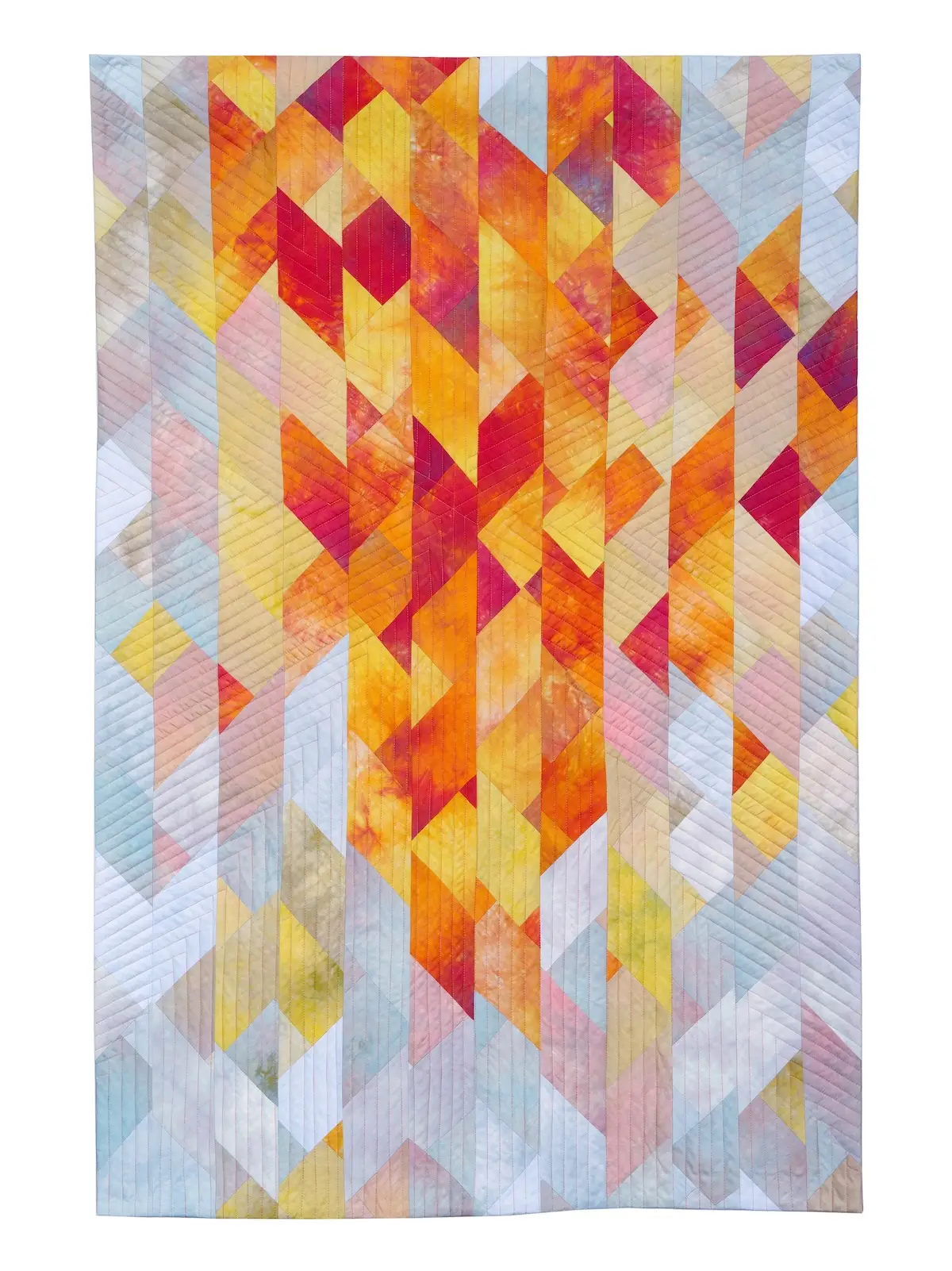
Mary Lou Alexander brings together two worlds that may seem far apart: science and fiber art. Her work explores repetition, pattern, color, and the natural world, turning hand-dyed fabric and careful stitching into bold, thoughtful art. After 25 years studying monkeys, Mary Lou followed her passion and became a full-time fiber artist, proving that it is never too late to make room for creativity.
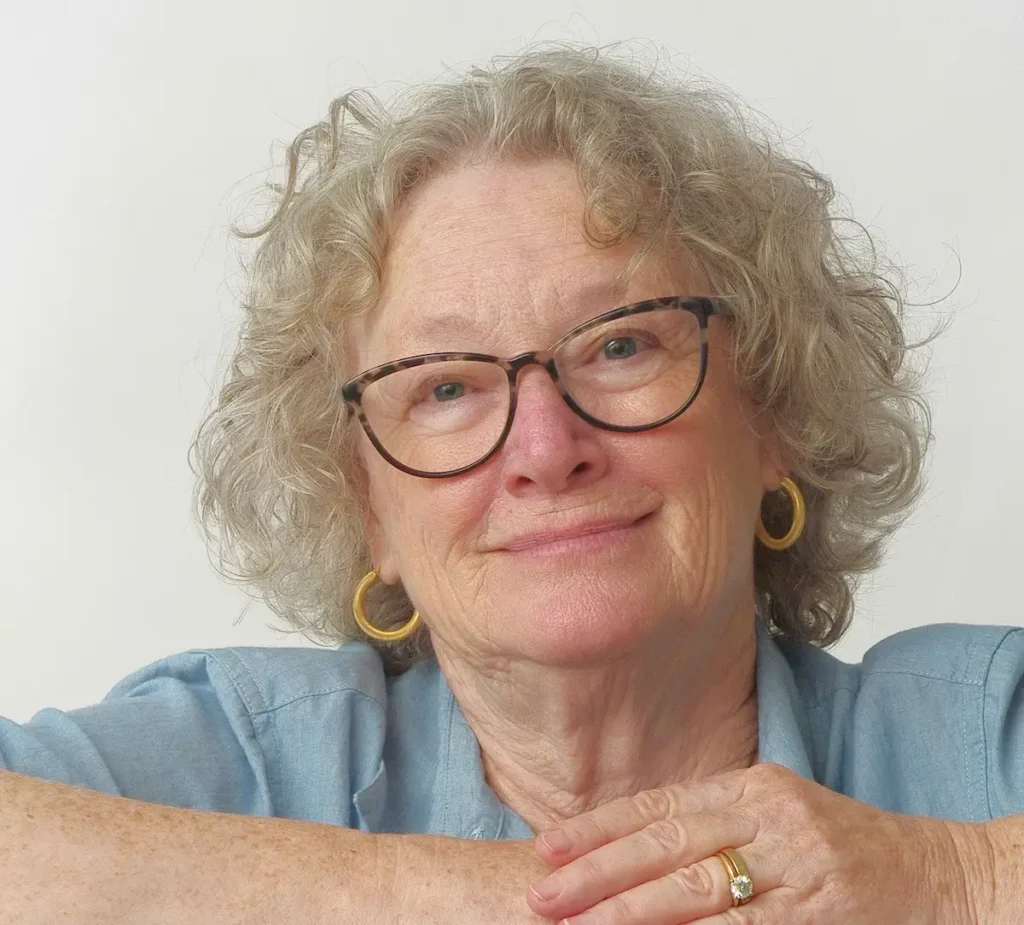
You spent 25 years as a biological anthropologist studying monkeys before you became a full-time textile artist. Can you take us back to that moment — what made you finally say “I’m doing this”?
Well, as one of the very few tenured women in my department of 55 professors, I was being gently nudged into administration, and that was never my goal. I was spending a lot more time in committee meetings than I was in the classroom or in the field. I really felt a need to DO rather than ADMINISTER.
My wonderful husband understood my situation and told me unequivocally to DO what I wanted to do and to forget the academic demands. Aside from hiking through forests, stitching and dyeing were my favorite things to do.
Did you make quilts or art quietly on the side while you were still teaching, or was leaving academia the real starting line?
As an Amazon Associate I earn from qualifying purchases. Read more about our affiliate linking policy.
I have stitched clothing and quilts since I was in high school, and minored in studio art in college.
Back in the day, I decided to make a king-sized bed quilt. I chose the traditional Texas Star design which employs hundreds of small diamond -shaped pieces and forms an eight-pointed star. Since I was over-enthusiastic and completely self- taught, after many hours of labor, my quilt had seven flat points, and the eighth emerged directly toward the ceiling in the middle.
At that point, I decided that graduate school might be easier. Failure is critical to success
Looking back, do you think your years studying animals and nature were quietly preparing you to be an artist, even before you knew it?
Absolutely!
Among all disciplines, I think that biological sciences and art are the most closely aligned. Each is highly dependent on visual information.
A biological/anthropological scientist has to depend on the visual representation of data to understand and communicate information. Observation of behavior, graphic representation of events, even just recognizing individual animals is vital to getting things right. So “seeing” is the basis for success in both endeavors.
Also that time taught me the importance of patience.
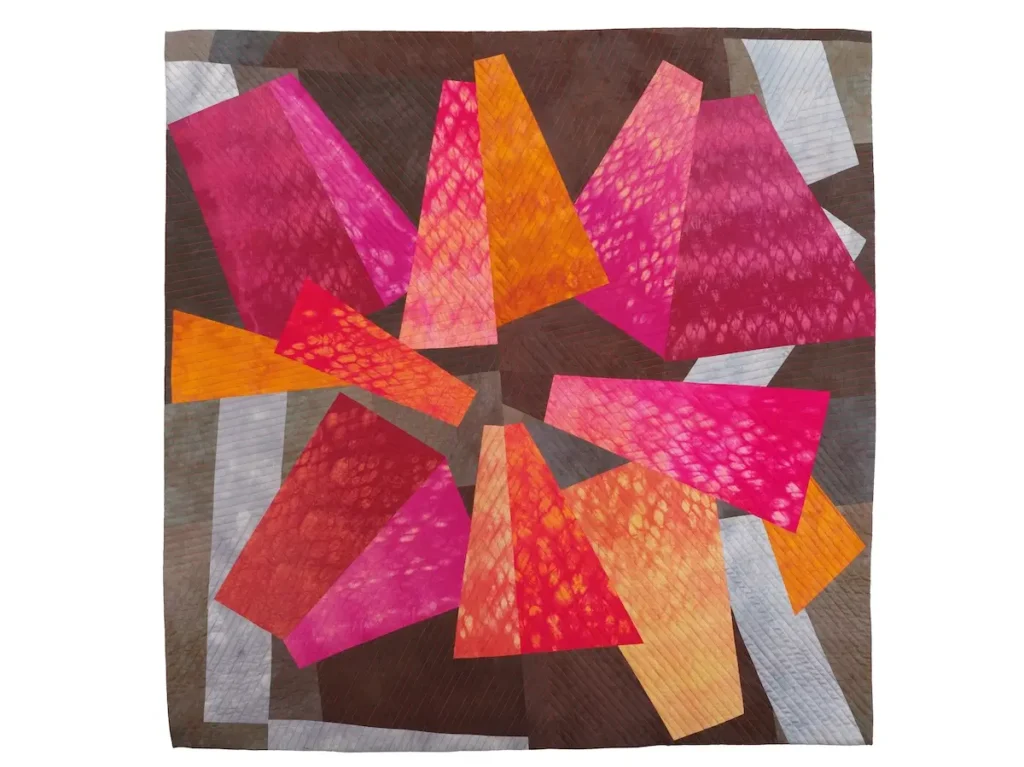
In art, the best ideas aren’t always the quickest. In some series of my work, I think that the best are the first, or at least the early ones. But that’s not always the case. My most recent series, The Luminous ones, has improved with each effort. I have just finished number 20 and begun number 21. Each is a different variation on a theme, and I think they improve with each try.
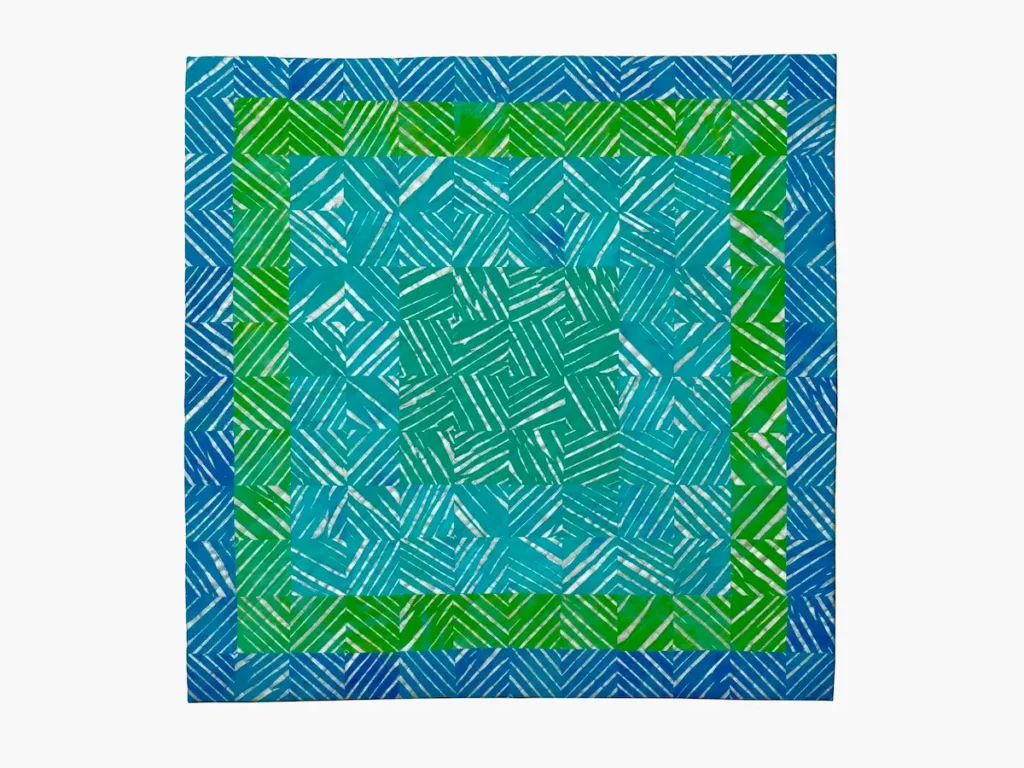
I brought some things from my science career with me: first repetition: In science, something that’s repeated over and over, like a behavior, and event or an object, can become interesting just because it’s repeated.
In visual arts, the power of an image is magnified by repetition. Then, in both science and art, repeated items form a pattern and things get really interesting.
And things get even more interesting when variations occur within a pattern. These are things I think about when I work.
If you could go back and give brand-new-quiltmaker one piece of advice, what would it be?
Learn the basics from a good teacher. I was pretty much self-taught early on, and my early quilts reflected that. Without instruction, you are reinventing the wheel. A good teacher makes all the difference in terms of design and workmanship, raises your standards of excellence in your work, and keeps you moving forward.
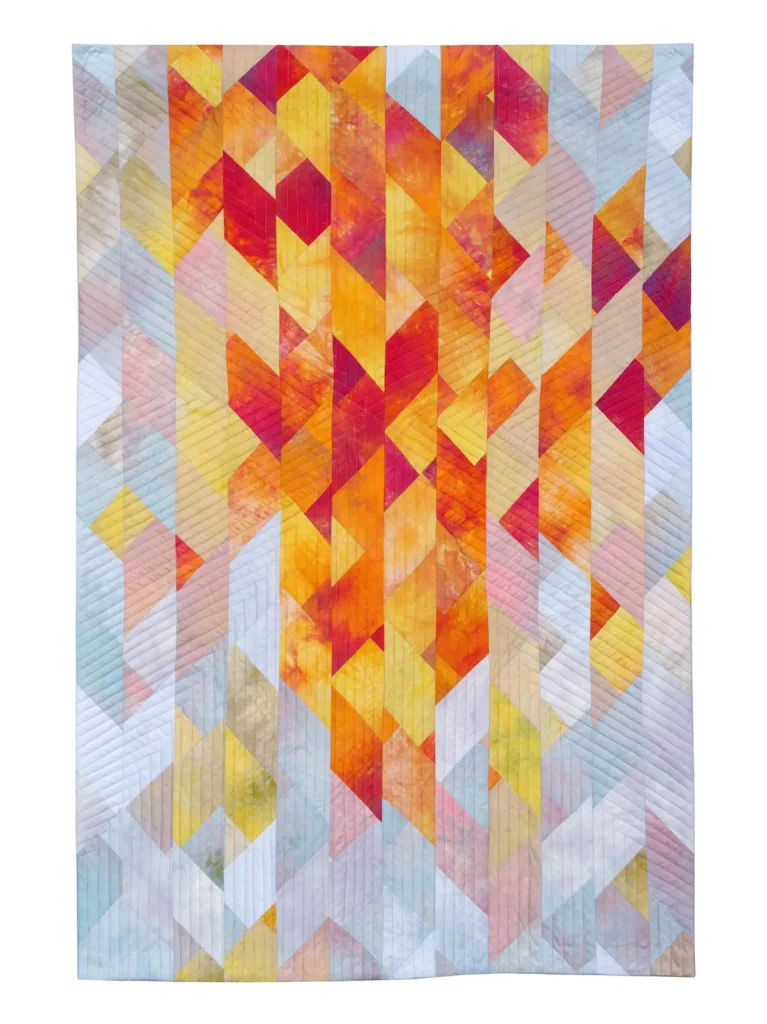
Your series names — Luminous, Metamorphosis, Big Bang, Things Fall Apart — feel like they come from a mind that has spent a lot of time thinking about how the world works. Where do these ideas start for you?
I feel strongly that at least sometimes, an artist has to emerge from the studio and see the world. I think that Biology, Physics, Astronomy, and Poetry are as basic to human life as DNA. We all see ourselves as part of a universe, even if only a small part. We need to acknowledge that and allow it into our work. We too are part of the universe.
How did studying the ecology and behavior of monkeys in the wild shape the way you see pattern, color, and design today?
Observing monkeys in the wild certainly brought me joy. I don’t think that I can make art without joy. Learning about how the world works is, to me, the point of art and science. I’m so grateful to have contributed in some small way to each.
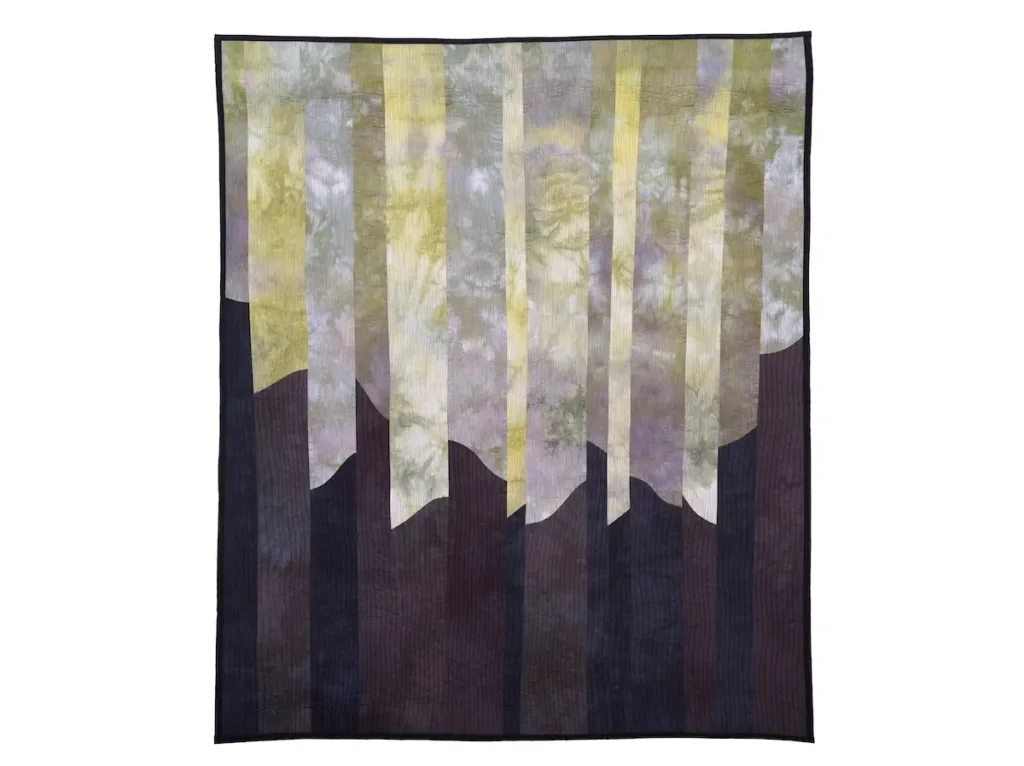
Your “Justice” series is titled after a line from Dr. Martin Luther King Jr. What pulled you toward making art about justice, and how do you turn something so big into cloth and thread?
One of my most basic beliefs is that all humans are equal, and all deserve equal justice regardless of their culture or geography. Dr. King expressed this belief so beautifully, and it moved me to try to celebrate it. This has been one of my most successful series in terms of shows and sales.
To me, it’s so encouraging that so many people have responded so positively to it.
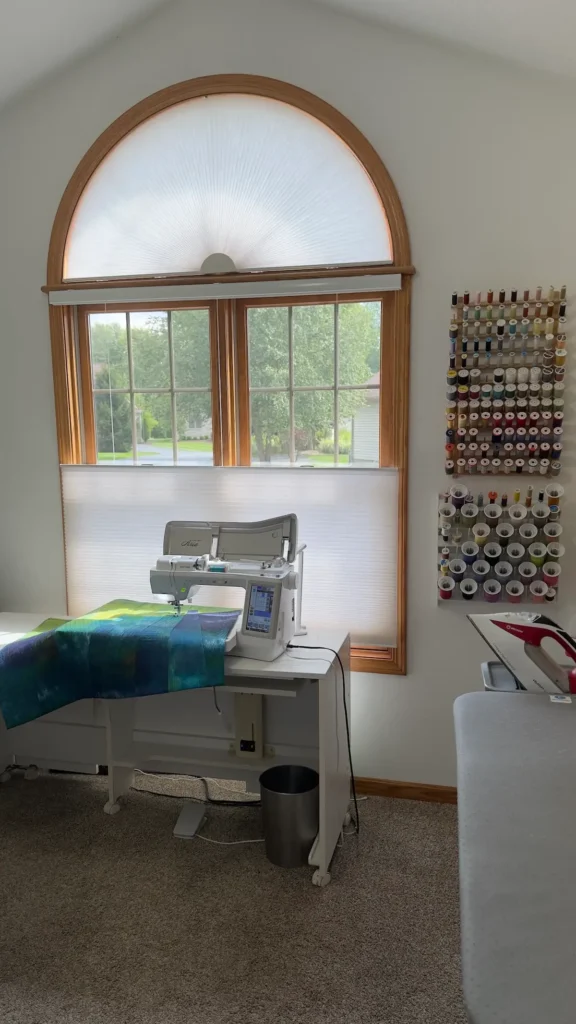
You’re known for hand-dyeing your own fabric, including natural dyes. What drew you to dyeing your own cloth instead of buying it ready-made? Is there a step in your process — dyeing, folding, stitching, quilting — that feels the most magical to you?
Dyeing my own fabric seemed the only way to make art that was one of a kind. By mixing my own dye colors and patterning cloth to my own liking, I could make a statement that was all my own.
The most exciting moment is opening a newly dyed piece to see the result! It’s a little like opening a gift. It’s never exactly what I expect, and usually it’s better!
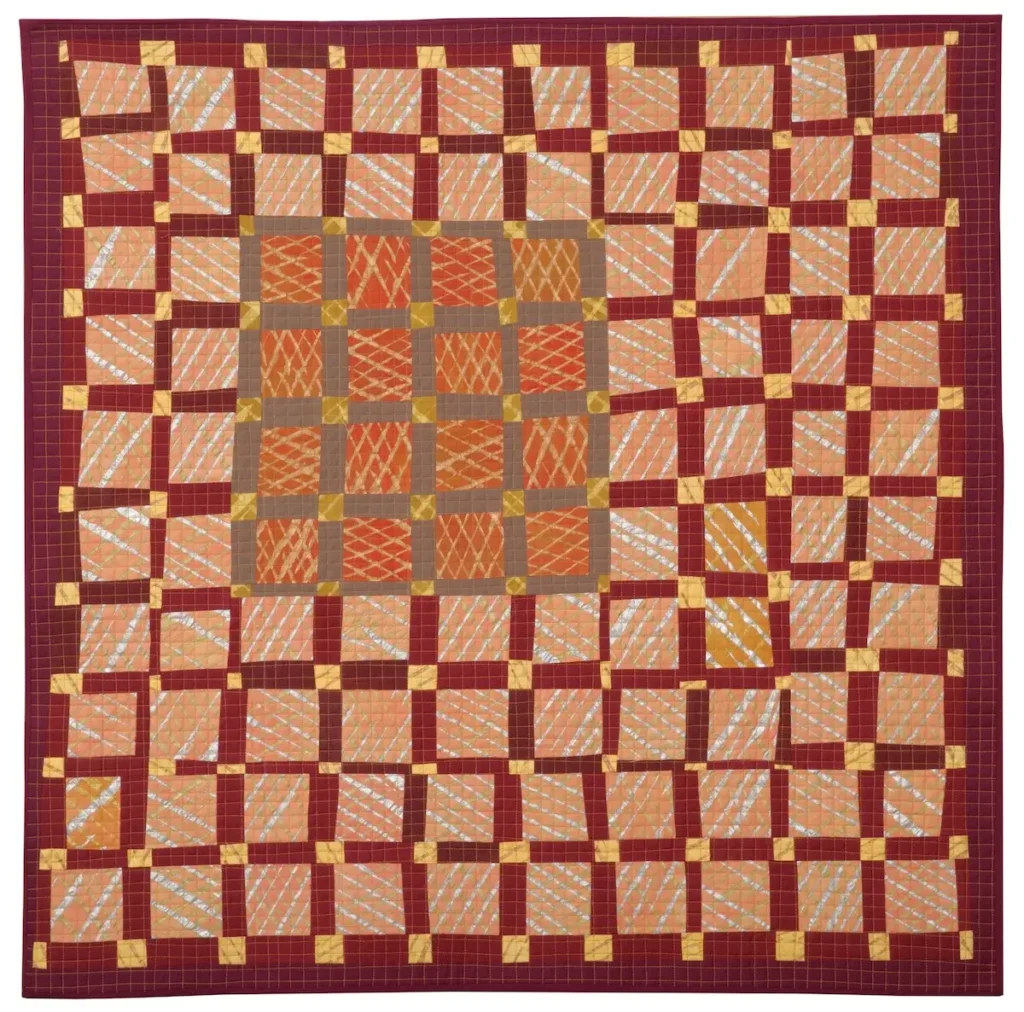
When you begin a new piece, do you plan it out first, or does it grow and change as you go?
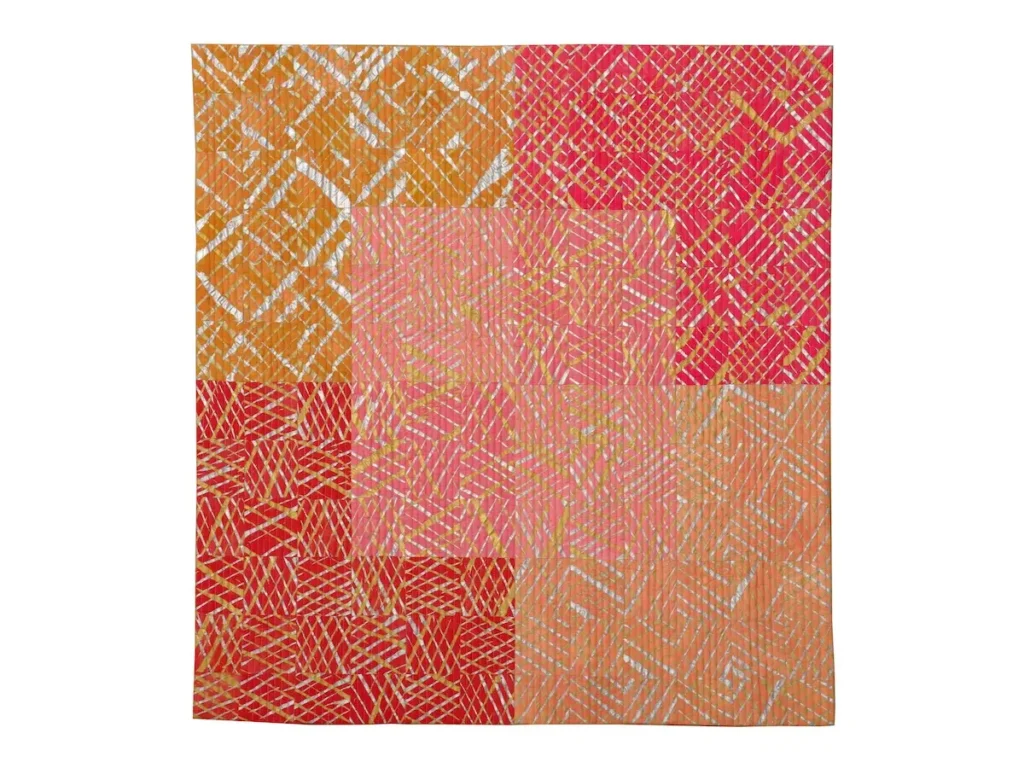
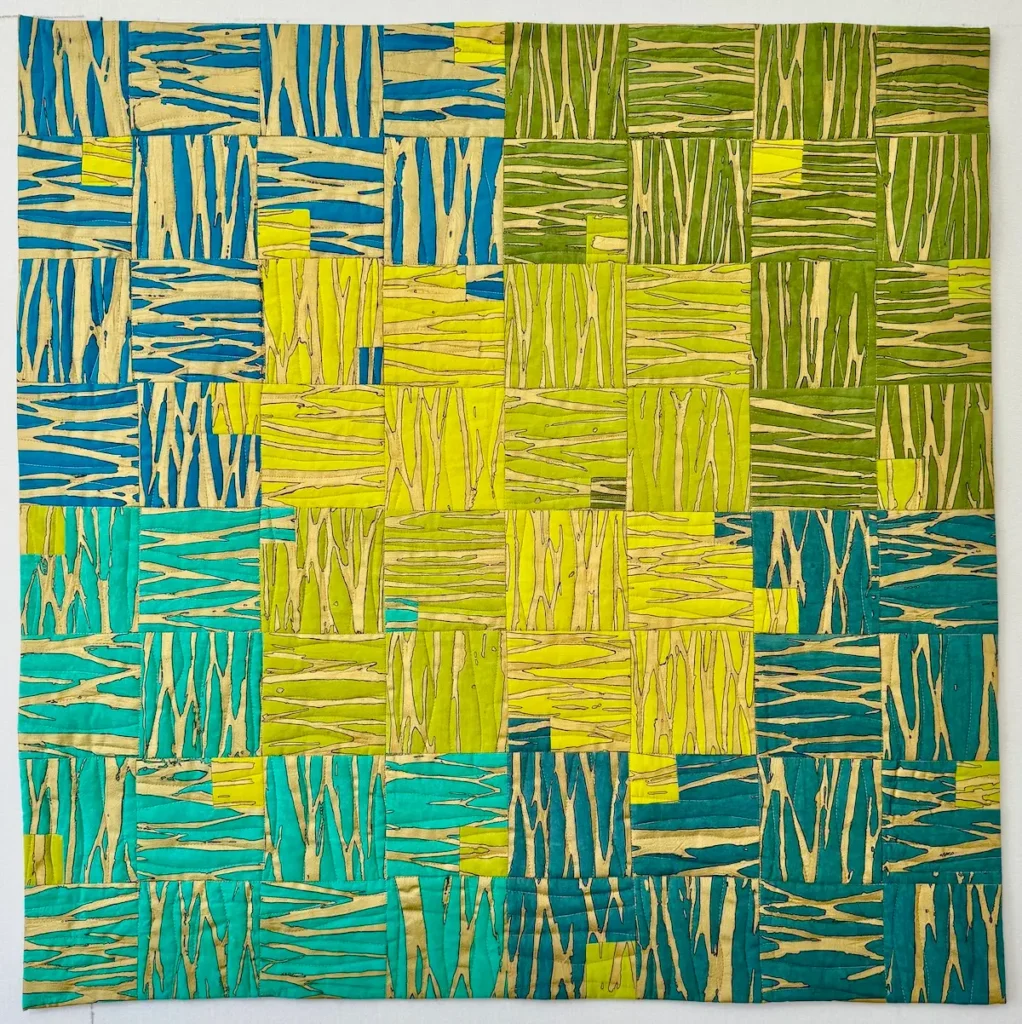
I usually have a loose idea because I tend to work in series. My current series, called “Luminous”, is based on a “square-in-square” design, so each of the 20 works that are finished is similar. But no two are alike. They vary in colorway, placement, quilting technique, surface design, etc.
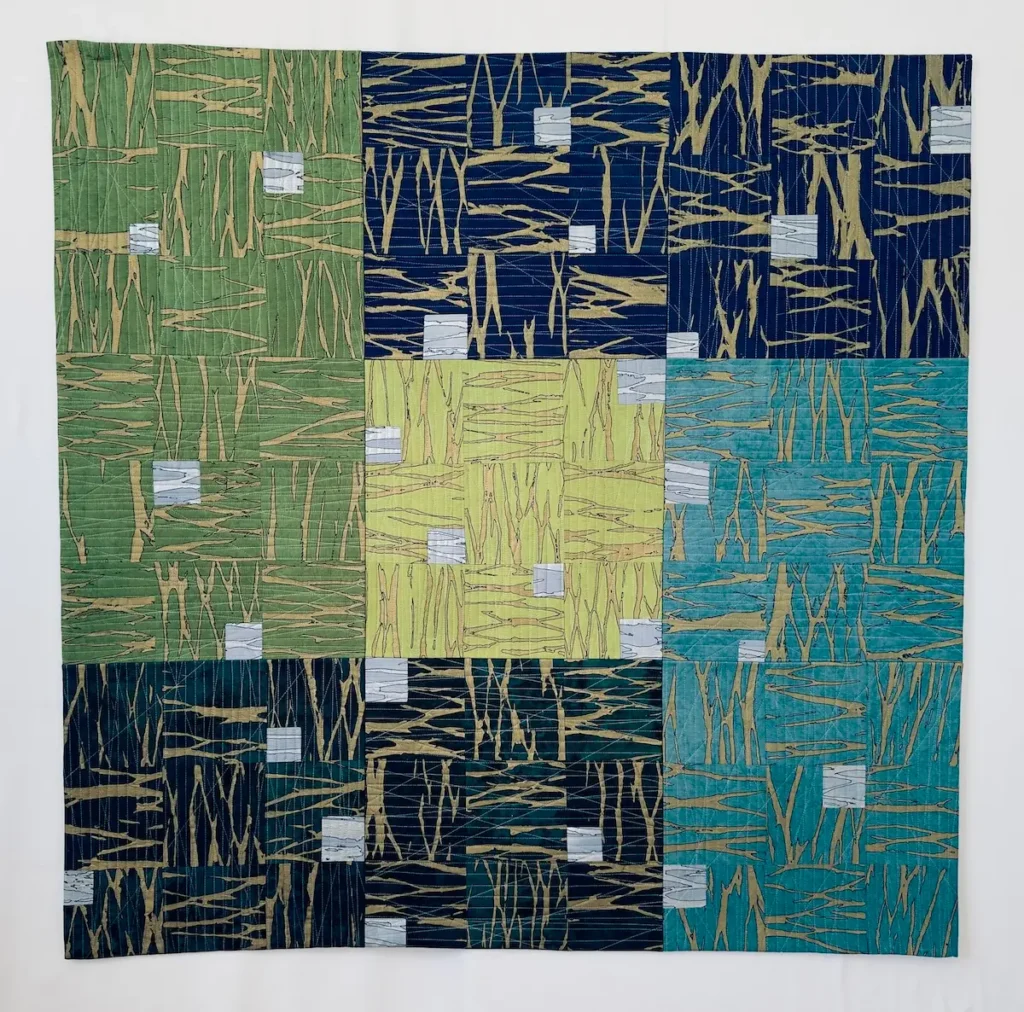
What advice would you give to someone who has a full career already, like you once did, but is dreaming of becoming a full-time maker?
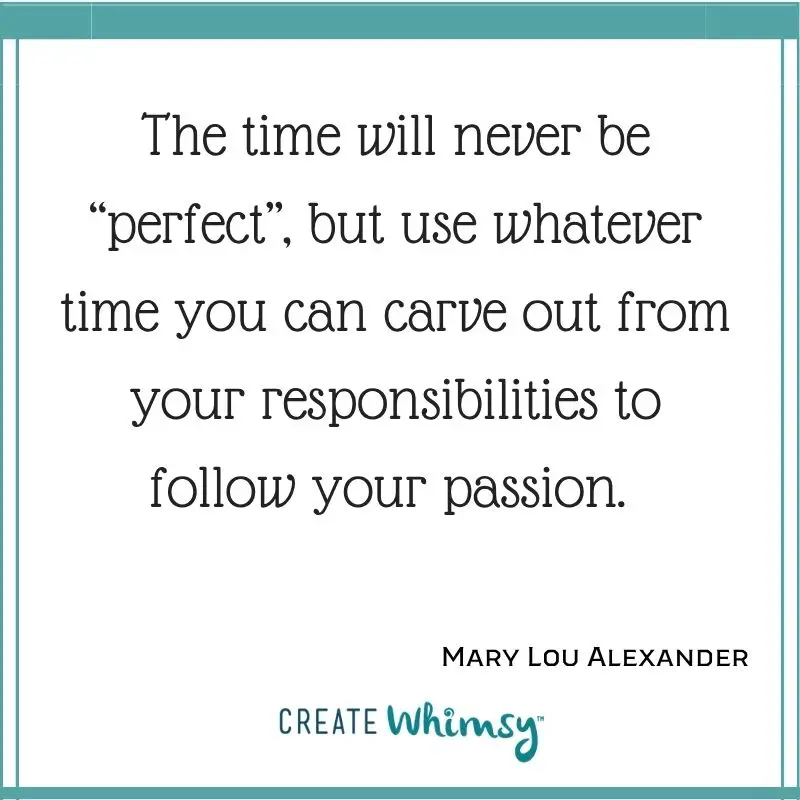
Don’t wait. Use whatever time you have available to pursue your goal. The time will never be “perfect”, but use whatever time you can carve out from your responsibilities to follow your passion.
Where can people see your work?
Right now, Luminous #20 is included in “The Best of Ohio 2026” organized by the Ohio Craft Museum, and exhibited at the CVA galleries at Kent State University, Kent OH. Two other Luminous works are included in the Northern Ohio Textile Artists annual at the Beachwood Community Center in Beachwood, OH. Luminous #17 was invited to the Textile Study Group of New York’s online exhibition called Traditions Reactivated and can be seen on their website.
And I try to keep my own website, maryloualexander.net updated.
What’s bringing you joy right now? Luminous #21 in the early stages!
Interview posted September 2026
Explore more art quilts on Create Whimsy.