
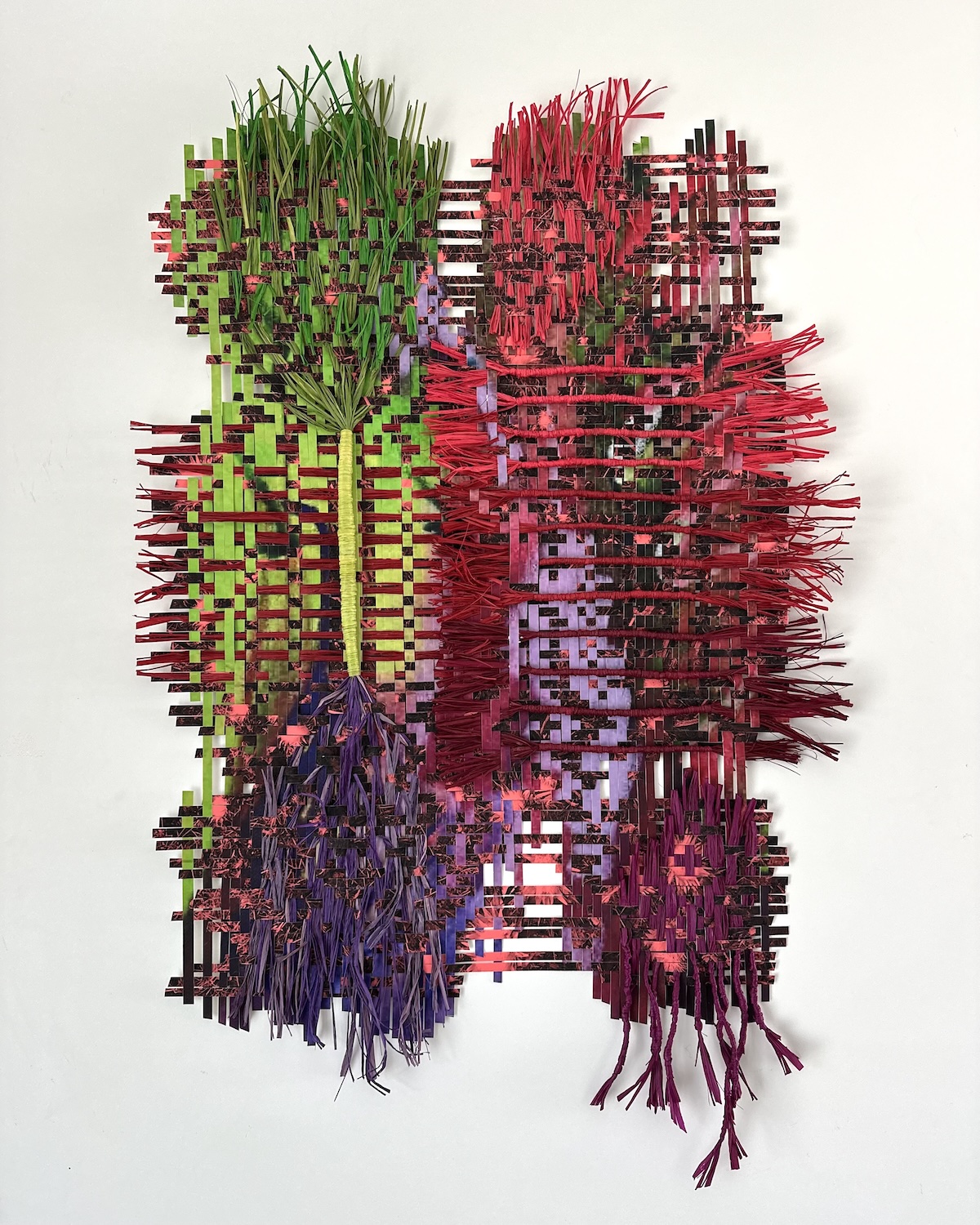
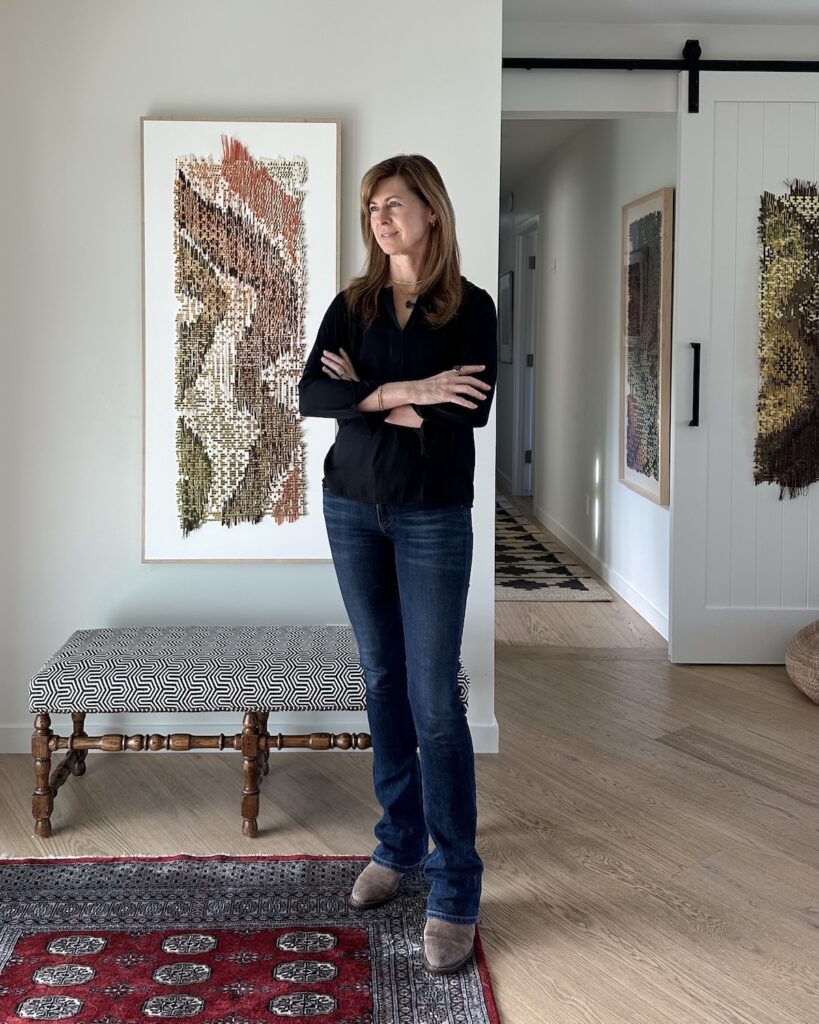
Libby Raab turns photographs of nature into woven works of art that mix paper, texture, and unexpected patterns. Drawing on her background in architecture, she finds beauty in worn surfaces, missing pieces, and the marks left by time. Her art invites us to look closer and see the beauty in things that are imperfect and always changing.
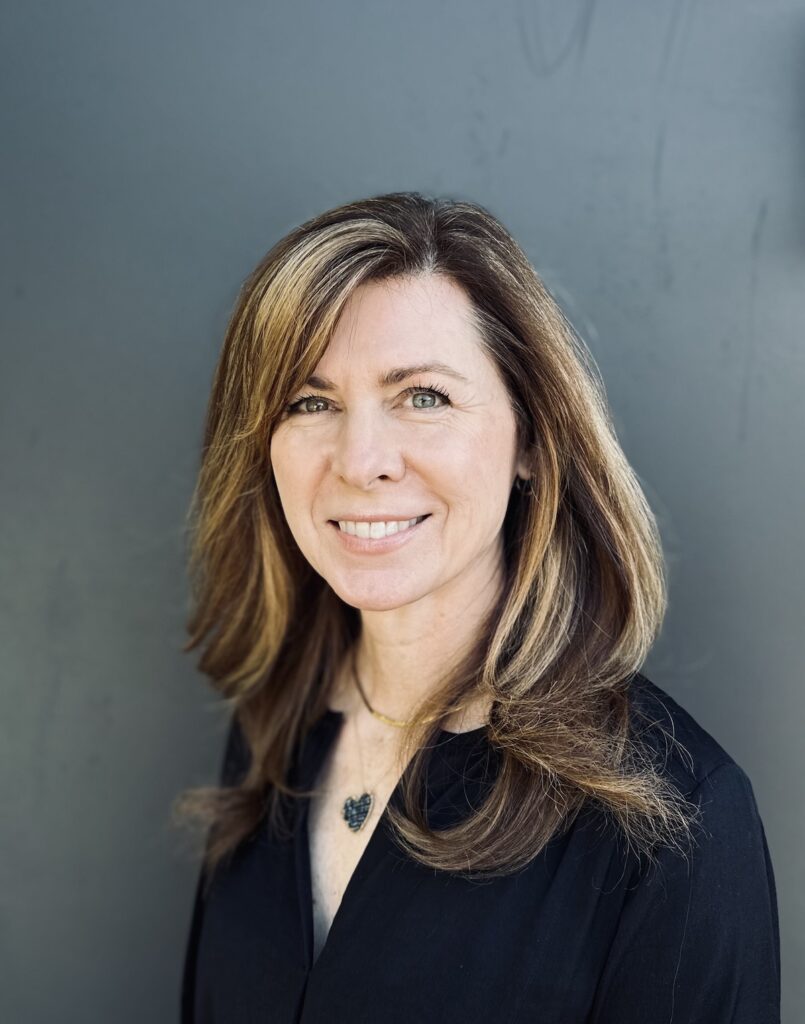
You studied psychology and art history before becoming an architect. What first drew you to making things with your hands, and what role did art play in your early life? Before you began making paper weavings, you had explored other kinds of handwork, including knitting and quilting. What did you enjoy about those activities, and what did they give you that other parts of life did not?
I grew up in a family of architects and artists, so creativity was simply part of the air.
Our unfinished basement was a playground of silkscreen equipment, a darkroom, and drawing and painting supplies. Nobody told me what to make or how it should turn out, so art was never about perfection, only exploration.
I didn’t appreciate the gift of that space at the time, but it planted a curiosity that took years to germinate. Even while studying psychology, I kept drifting toward the art history department. Studying art from the ancients to modernity gave me a new way to understand culture and the expression of civilization through art and craft.
As an Amazon Associate I earn from qualifying purchases. Read more about our affiliate linking policy.
After graduation, I worked at Wellesley College, where the women in my department taught me to knit during lunch breaks. I loved the rhythm of knitting, and later of quilting.
Both are built from small, repeated actions that accumulate into something larger, which is a very architectural idea. They also gave me something my professional life rarely did: immediate results.
Architecture involves long project lifecycles, code review, and client negotiations, and a building can take years to complete. With handwork, I could sit down in the evening and see progress by bedtime.
Quilting also taught me to think about color and pattern relationships, and both crafts allowed me to be meditative without needing to be perfect.
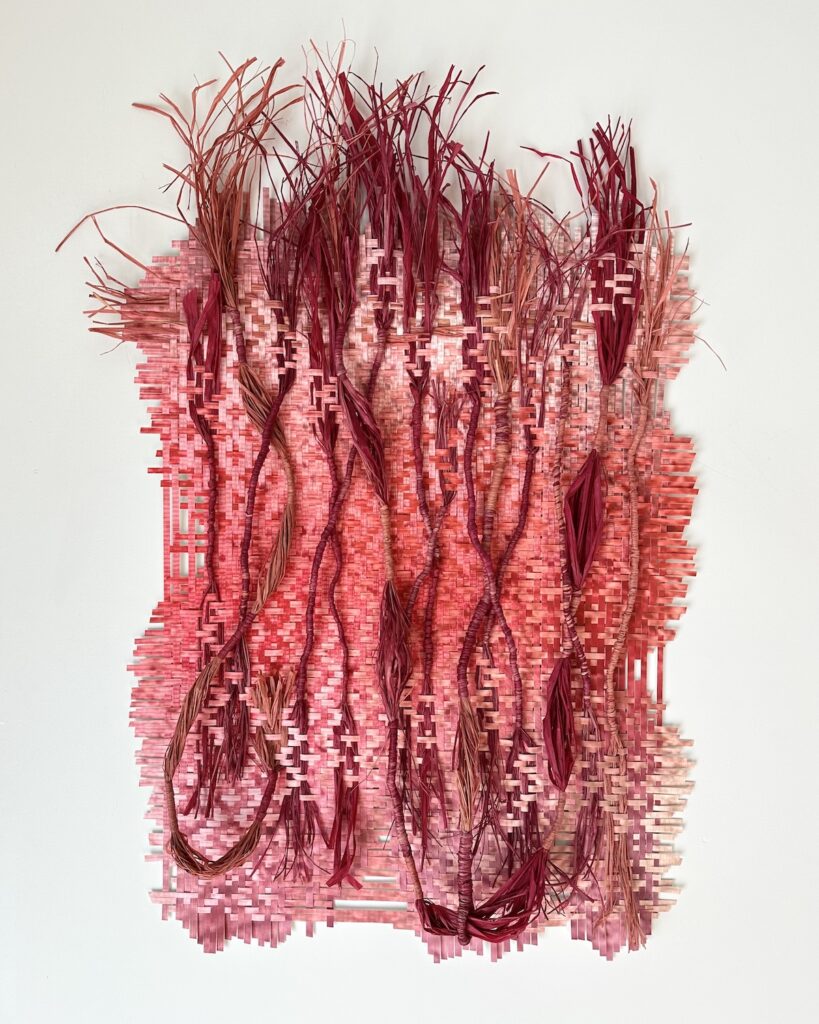
Your work often begins with photographs of nature, including tree trunks, mushrooms, and other natural patterns. What catches your eye when you are out in the world, and how do you know when an image might become a work of art?
I’m drawn to texture, repetition, and anything where time has left its mark: bark fissures, lichen spreading across stone, mushroom clusters, slime molds threading across a log. My camera roll is full of them.
I’m also looking for contrast, especially deep shadows, because those make a weave suggest depth. I know an image has potential when I can already imagine it cut into strips and rewoven.
If the pattern still holds my attention after it’s been fragmented, or if I can see how color might transform it, it becomes a candidate. Often it’s just a gut spark, an immediate pull without words.
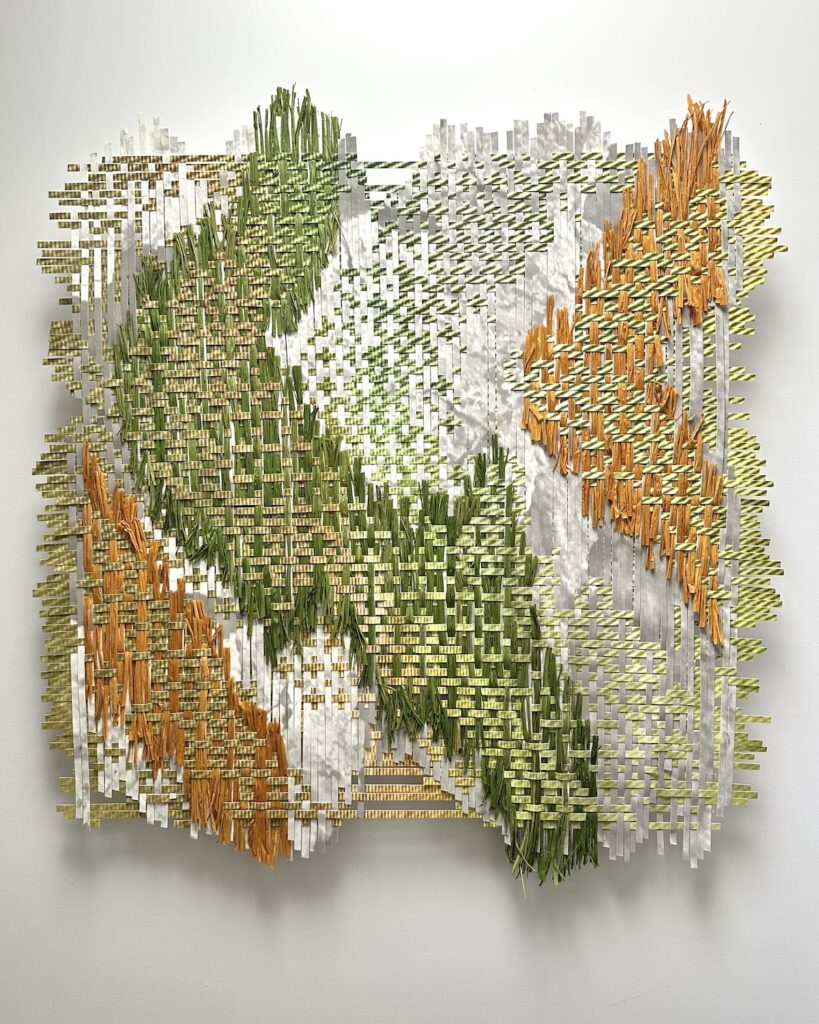
Many of your pieces bring natural patterns together with images that look almost digital or computer-made. What interests you about putting these two very different kinds of imagery together?
I love the visual tension. I create what I call “digital fabrics” by enlarging and screenshotting images over and over until they become wavy and glitchy, almost like pre-woven textures.
When I pair those with photographs of tree bark or lichen, the organic and the synthetic start a conversation. Neither is quite what it seems: the nature photos become abstract, and the digital patterns start to feel like textile. It also reflects the world we live in, where the handmade and the digital are constantly intertwined.
The physical weaving adds another layer, because the hand slows everything down.
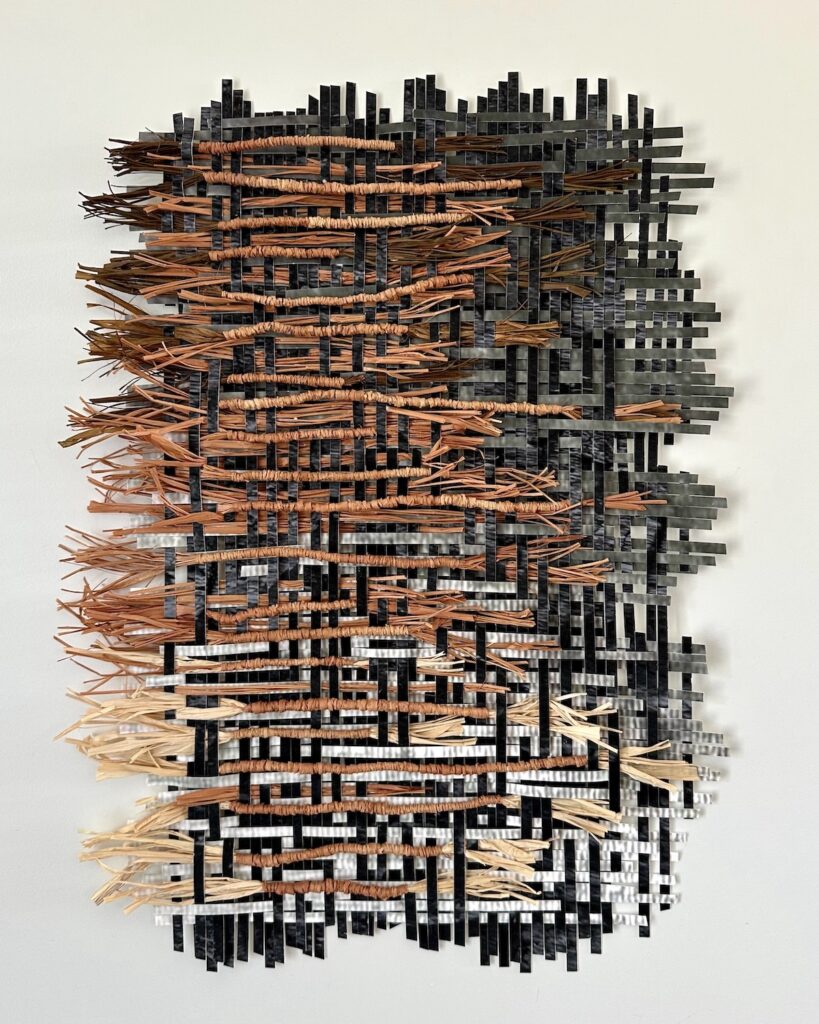
Your work often explores the passage of time, from the way natural materials change to the way old textiles wear away. Why are you drawn to things that show signs of age, damage, or change?
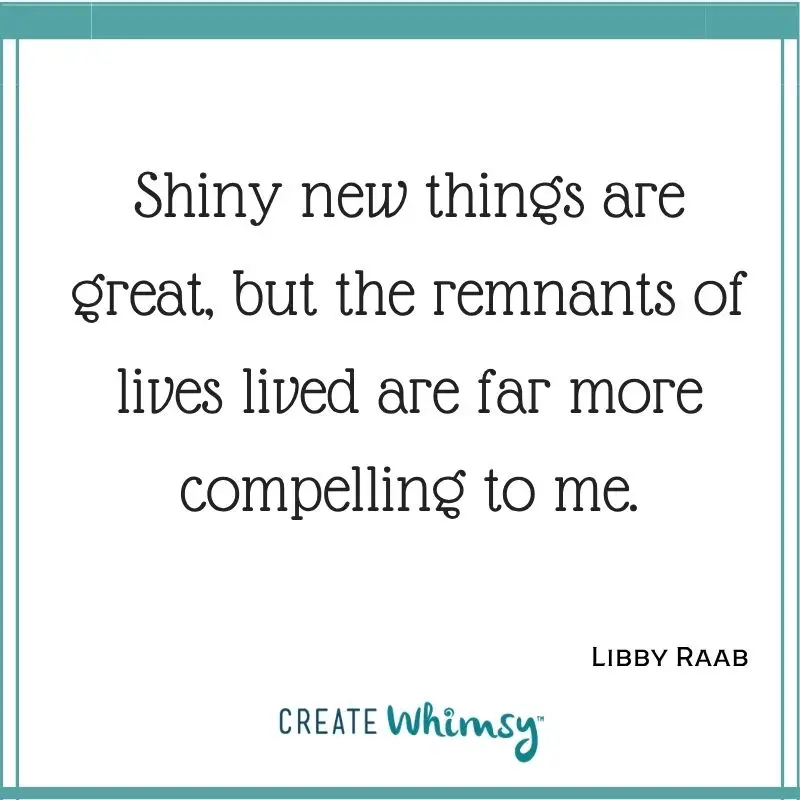
Shiny new things are great, but the remnants of lives lived are far more compelling to me.
I’ve always loved architectural ruins and worn textiles because they hold evidence. A faded thread or a patched tear tells you that someone was there, and that something mattered enough to be repaired.
Looking back at my architecture school work, I realized I’ve been exploring the same themes for decades: the rhythms of time, the evolution of forms, and the way things break down and reform. Decay isn’t just an ending. It’s transformation, and it often reveals beauty that perfection hides.
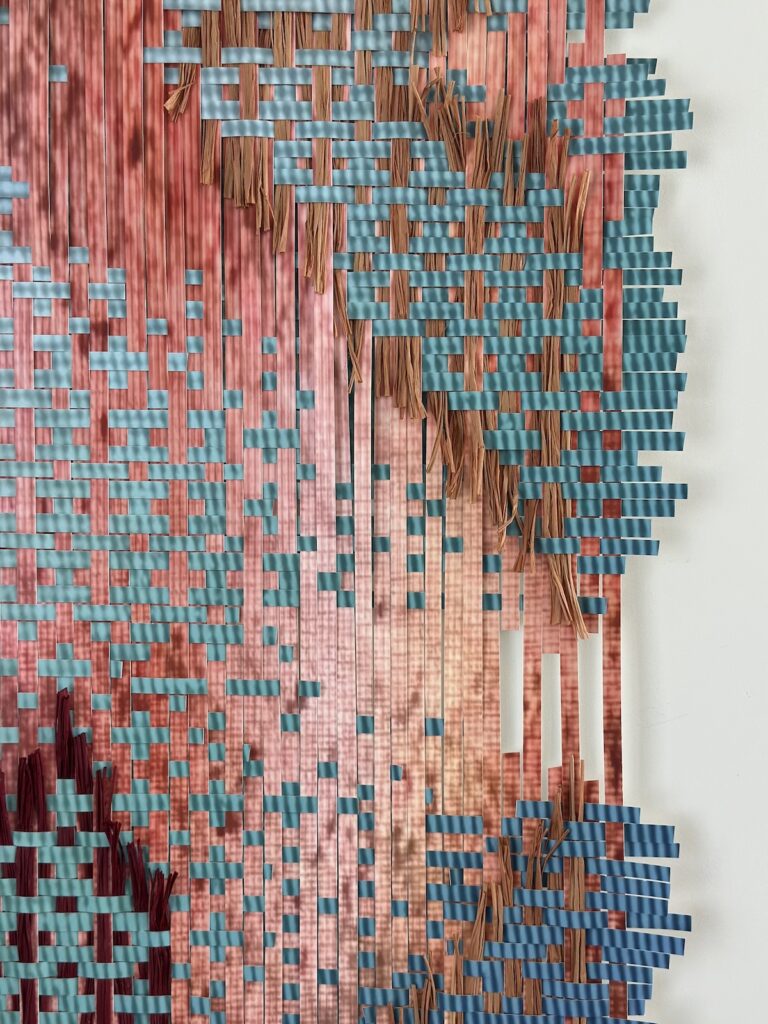
When you look at an old textile fragment in a museum, what do you see that someone else might miss? Is it the pattern, the missing pieces, the marks of time, or the story you imagine behind it?
All of it, but I’m especially drawn to the missing pieces. The gaps carry as much weight as what remains.
I also notice the repairs, the places where someone made a decision to hold something together, because they feel like small acts of care across time.
Then my imagination takes over. I think about countless hands, about who wore or used the piece, and about how the structure survived, or didn’t.
As an architect, I also read the construction: how the threads were interlaced, where tension built, and where the structure failed first. For me, the story and the structure are inseparable.
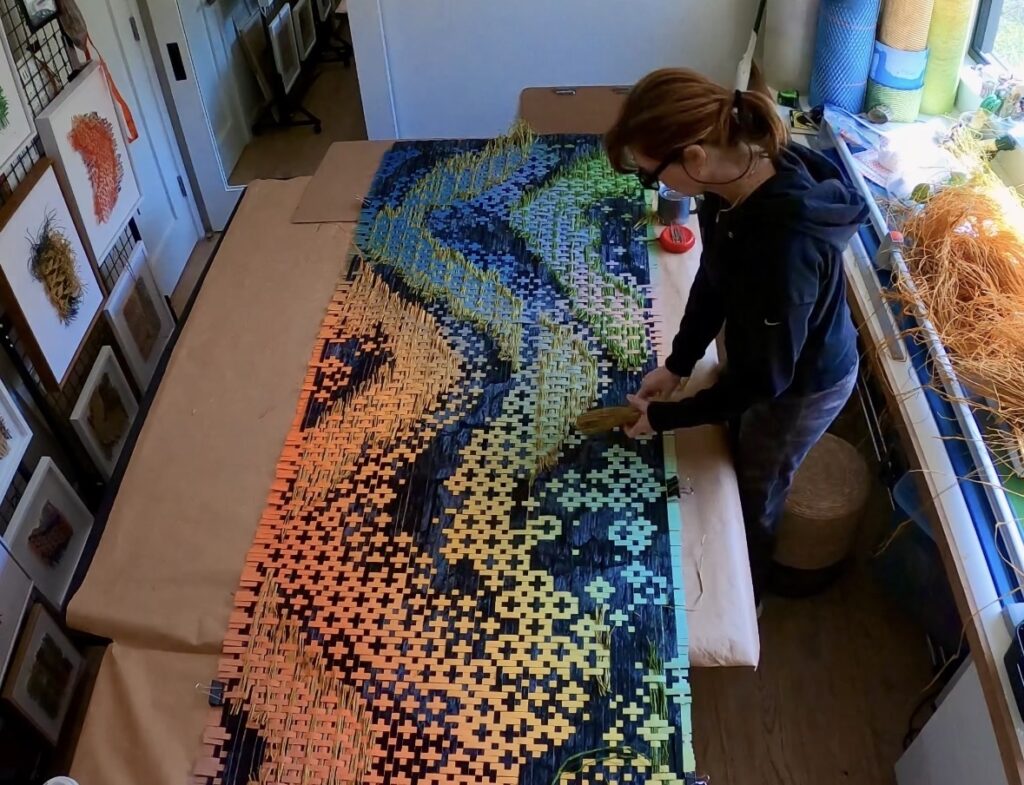
Describe your creative space. Are you someone who likes everything in its place, or do you spread out your materials and follow ideas as they come?
Both, in two different spaces.
The first is digital and ordered, where I design custom weave patterns, colorize photographs, and plan my approach. It’s the buttoned-up, methodical side of me.
The second is analog and gloriously chaotic, with rolls of printed images, heaping bins of raffia, configurable tables, and several large paper cutters. That’s where I weave, play, and let my hair down.
I need both. The digital space gives me the rigor to start a piece, and the analog space gives me the freedom to finish it.
Structure and freedom are in constant conversation, and the work lives somewhere between them.
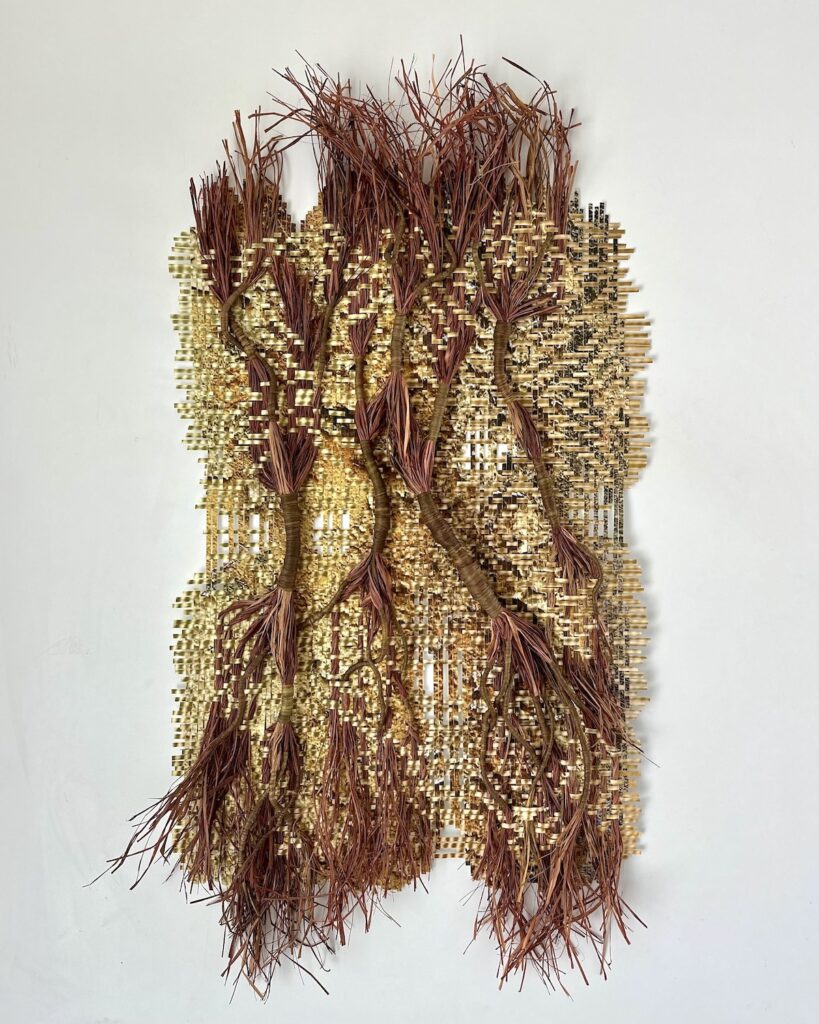
You do not need a traditional loom to make your work, but your process combines handwork with digital tools. What tools and materials are essential to your practice, and which ones might surprise people?
The essentials are paper, a good paper cutter, and my hands.
I prefer hot press fine art paper because it holds its integrity when cut into narrow strips, whereas thinner papers tend to twist. I also use paper raffia, which I coil, wrap, and weave.
On the digital side, I rely on photo editing software and Excel. What might surprise people is how much of my process involves screenshots: I enlarge and screenshot images repeatedly to create glitchy digital textures.
More recently, I’ve used a weave image generator, coded with the help of AI, to preview patterns.
Perhaps most surprising, I check my work by photographing it with my phone mid-process, because I’m so immersed in one small section that I need to step back and see the whole.
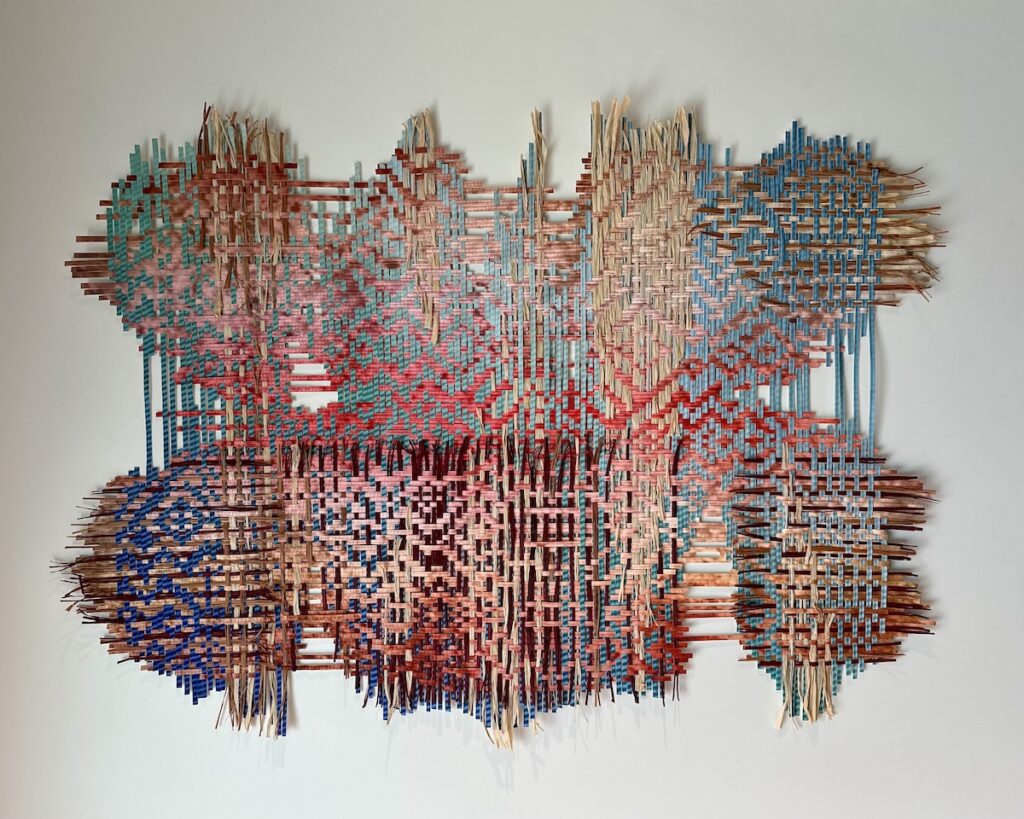
Your work begins by bringing strips together, but you also remove parts of the weave. At what point did unweaving become an important part of your process, and what made you see the possibilities in taking your own work apart?
Early in my practice, I made three versions of a similar weave, each less “perfect” than the last. The final one was riddled with holes and gaps and had raffia interventions, and it looked like a fragment of textile that had already lived a whole life. Those gaps suddenly looked like history in the making.
At first, I used raffia to mark places where decay might have happened but had scarred over, and I treated holes as injuries that hadn’t healed but were still trying to hold everything together.
Over time, unweaving became almost as big a part of my practice as weaving.
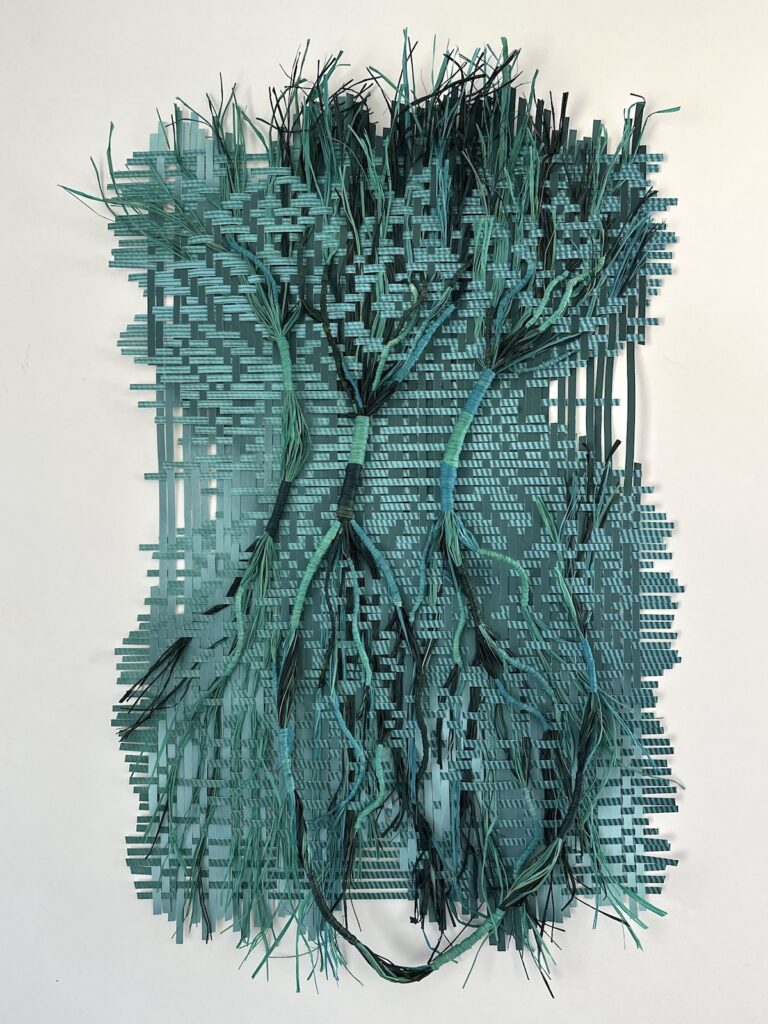
How do you decide where to cut away the paper or leave a hole in a piece? Do you plan those openings from the start, or do they emerge as you work?
Mostly they emerge.
I usually have a general sense of intention from the start, my version of an architect’s “parti,” but the specifics reveal themselves as the weave develops. Some pieces want minimal decay, and others want to be deconstructed and reshaped.
I look at where the image is strongest, where the pattern is doing too much, or where the weave needs room to breathe. Cutting into something I’ve invested hours in can be nerve-racking, but the most extraordinary moments come when I let go of the plan and trust the process.
Every cut-away creates negative space that matters just as much as what remains.
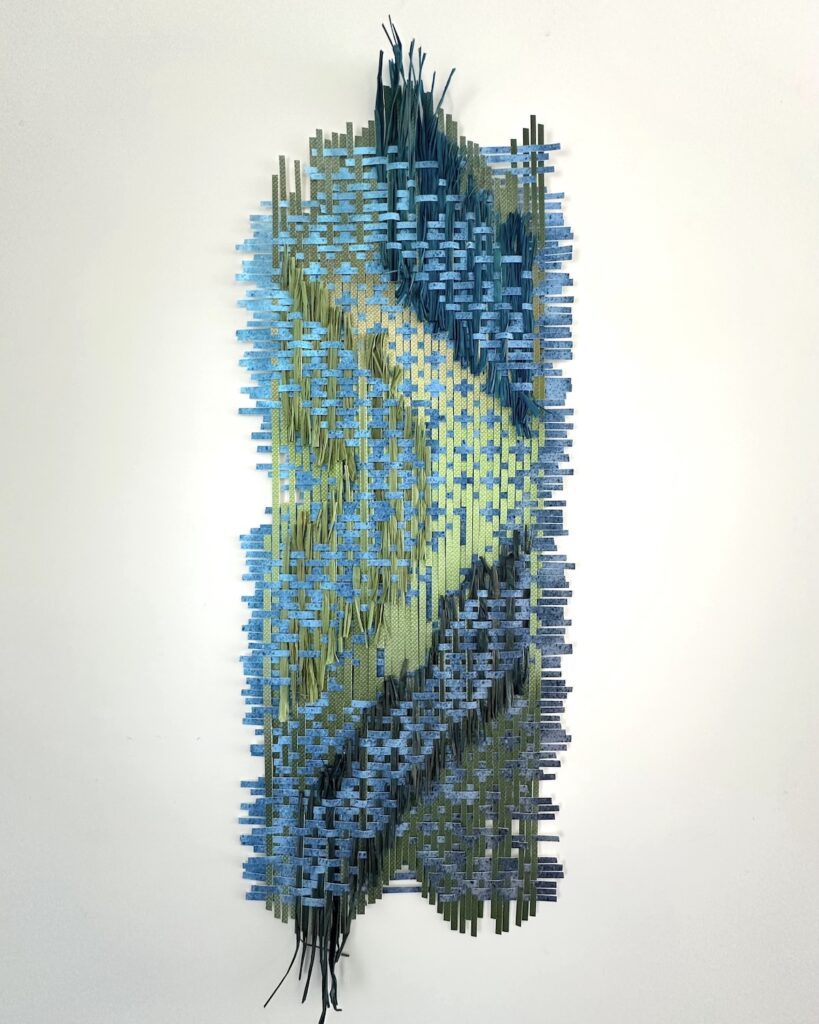
You spent decades working as an architect before beginning your art practice. Which skills from architecture have been most useful in your artwork, and which parts of your creative life have required a different way of thinking?
Architecture taught me to hold an initial concept and check back against it as the work evolves, to understand how materials come together, and to find rhythm in repetition.
Project management has been surprisingly useful too, especially for commissions: coordinating a cabinet maker, a painter, a framer, and art transport takes the same skills as running a building project.
What required a different way of thinking was letting go. Architecture demands precision, codes, and client approval. My art asks me to be intuitive, to tolerate uncertainty, and to make things with no practical function at all.
Learning to trust myself without a checklist has been the real shift.
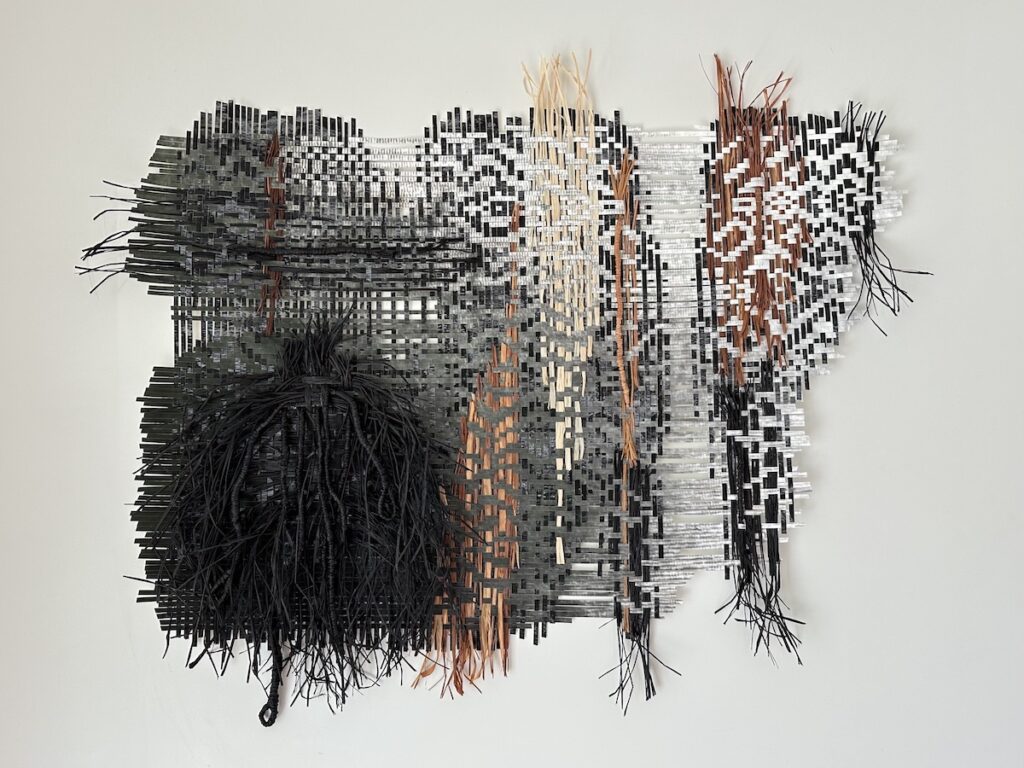
You have said that you hope your work will continue to evolve rather than stay within one category or medium. What are you curious about exploring next, and how do you give yourself permission to follow an idea even when you do not know where it will lead?
I’m curious about dimension and about materials beyond paper.
I’ve been collaborating with a colleague who makes ceramic bases to which I can attach wrapped raffia coils, experimenting with soft sculptures made from coiled forms, and exploring prints made from the backs of my weaves. Leather strips and wood veneer are also on my list.
As for permission, I try to treat each piece as a sketch rather than a verdict. I keep checking in with myself and keeping things fresh, without preconceived notions of genre or commercial appeal. It helps to remember that the same themes keep resurfacing no matter the medium, so I’m never really starting from nothing.
Where can people see your work?
Online at my website: www.libbyraabart.com or on Instagram: @libbyraabart
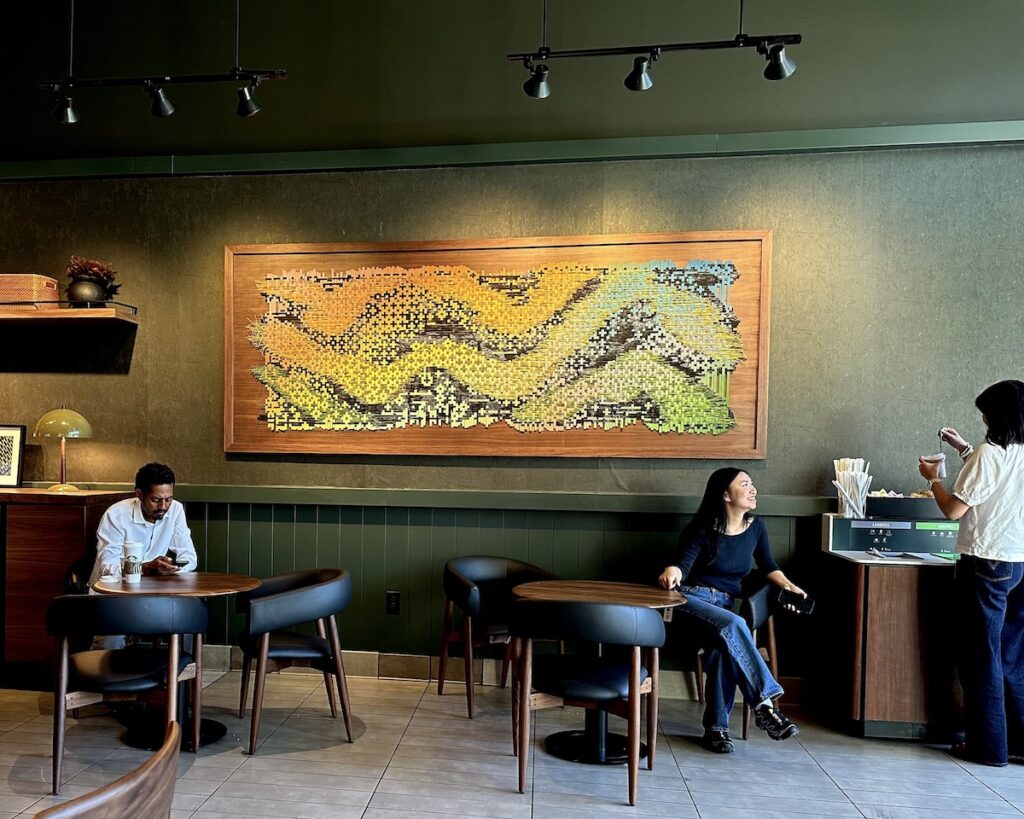
In person at various galleries in the Bay Area, Shelter Island and New Orleans. I also have a larger commissions open to the public in the Starbucks at Santana Row in San Jose, Ca.
Rapid-Fire Fun:
- Nature walk or museum visit? Nature Walk
- A material you cannot resist? Raffia
- Plan it out or see what happens? Both! Plan it out in the beginning, see what happens in the process
- One word that describes your creative life? Addictive
- What is next on your studio table? Large scale, multi-piece weave that combines many previous themes.
Interview posted October 2026
Explore more weaving inspiration on Create Whimsy.