
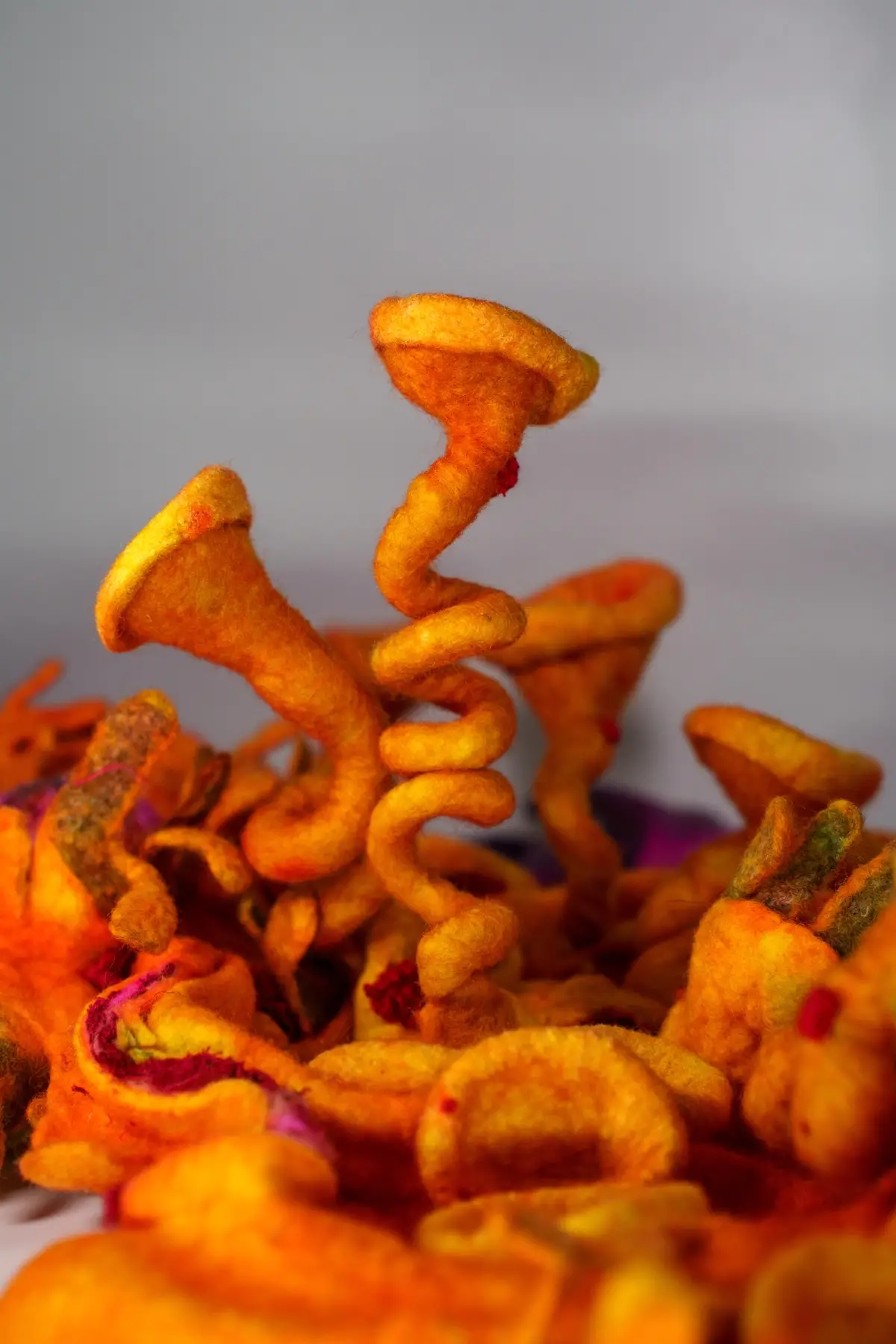
Niki Collier turns wool into bold, playful felt sculptures that invite us to look at difficult subjects in a new way. Her work grows from curiosity, life experiences, and a belief that making art can help us find light in dark places. Niki shares how felt became her medium, her creative journey, and why she wants everyone to have a chance to discover their own creativity.
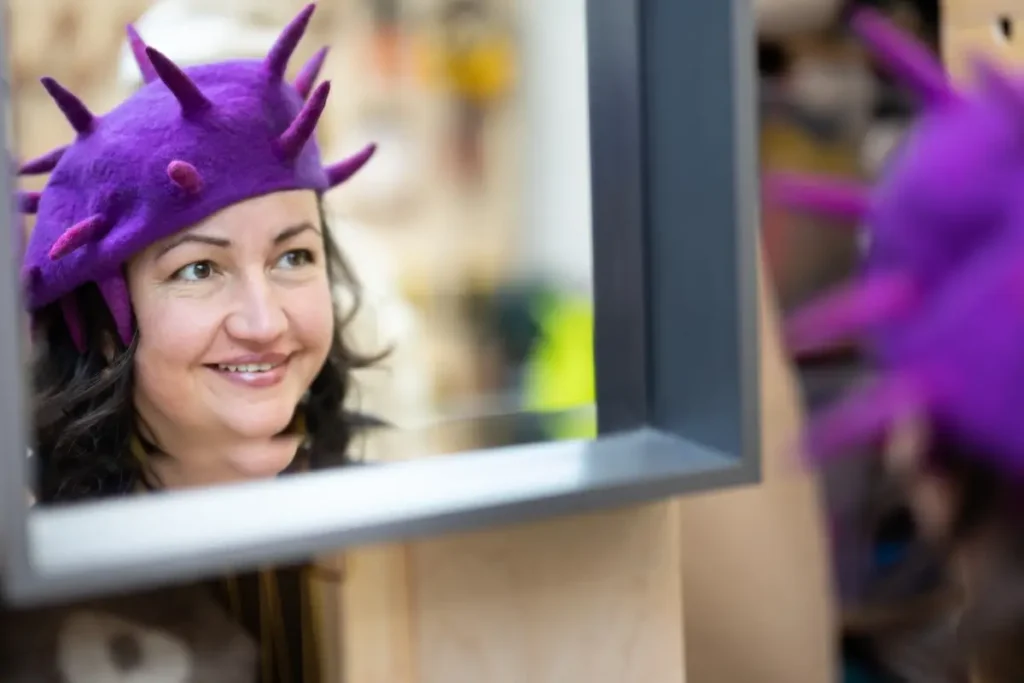
Growing up in Bulgaria, did you always enjoy making things with your hands? What kinds of creative projects filled your childhood?
Growing up in country that was time rich was a blessing. It made everyone organically engaged with nature, material and community.
I grew up looking at grandma’s knitting and seeing neighbours dropping by to discuss patterns and processes with mum. Mum loved making her own clothes. I learned to knit at 7, constructed my dolls’ furniture set at 10, and sewed my first clothes at 11.
I was not special; everyone was doing it. Nobody then told me I couldn’t do it, as I have limited use of my right hand, but I guess even if they wanted to say something, my fierce mum would have told them to shut it.
As an Amazon Associate I earn from qualifying purchases. Read more about our affiliate linking policy.
You studied teaching, English, computer science, and design before becoming a full-time artist. Looking back, how did each chapter prepare you for the work you do today?
Yes, I was so unaware of who I wanted to grow up to be that I studied a long time and in variety of fields in the road of self discovery.
As in many other aspects in our life, my challenges and the lessons I have learned during my studies are my own, but people’s attitude and how it fluctuates depending on how much they know about my education is an entertaining thing to watch.
Knowledge gives me resilience, while the certificates I hold remind me that boundaries are always available when we come across unsavoury behaviour.
In my daily adventures, both science and art are deployed in projects regardless of how big or small. If I am making original work which comments on social issues, I develop engagements to collect data- interviews, workshops, collaborations, performances- I am there to learn and the creations that happen after are resilient as they challenge not only my skills, but also are rich in context and carry multitudes of expression.
You have shared that felt first entered your life while you were designing a lampshade. What was it about that moment that made you think, “This is what I want to do”?
Everything!!!!!
The process of feltmaking is a humble one and, in my case, full of generosity.
It starts with wool and is transformed into felt with a few flakes of soap and warm water through imagination and hard work. In my case, the soap is gifted by a fellow soap maker and the wool is gifted by a farmer up the road. It is simple and eye-opening.
When I saw the process and how it bursts into all sorts of projects, and when I started making in felt, I felt free – I could make anything small or giant in this medium. All I needed was to develop skills, be ready to learn, and trust wool.
Today, I specialise in teaching beginners. It is my way of hoping that fewer people will be told that they ‘cannot do it’ or that they are ‘not creative’. Just trying to make sure that people get a fighting chance at the start when they try felting. Everyone should try it.
Many people are afraid to leave a successful career for an uncertain creative one. What gave you the courage to make that leap?
Felt chose me and I was grateful. So I just followed our mutual love for each other.
It lets me make my projects. If I imagine it, I can make it in felt. Although sometimes it takes 10 years to do it.
Even when I fail in a project, it opens up possibilities. Felt has enabled me to see myself as fearless in developing ideas and working with others. I knew I would be most myself through it. How can I ignore that blessing?
Felt has shown me how to heal, how to connect to others, and sometimes I even allow myself to annoy them helplessly with it. It is magic.
When you look back at your very first felt pieces, what do they tell you about the artist you were becoming?
My first felt piece was a lampshade with enclosures and found objects. It told me the most common thing- I am always looking to belong, never fear to ask for help and never hide my dreams.
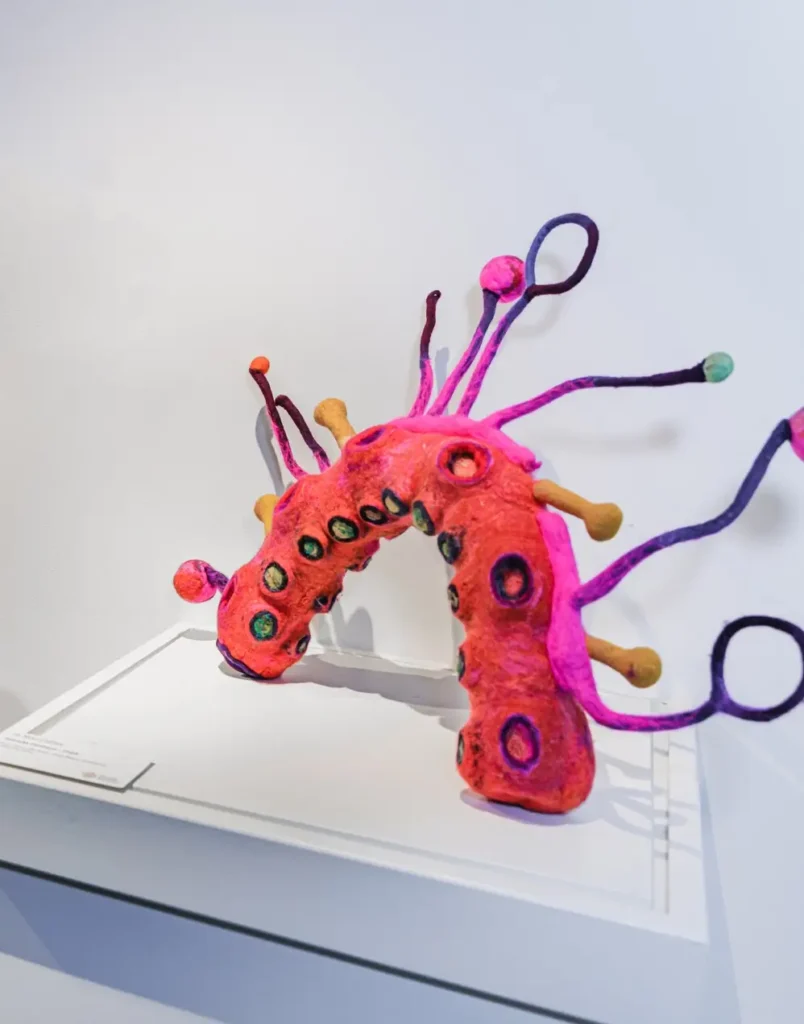
My first body of work was complex 3D objects, which made some of the most ambitious international teachers spin their heads. It was called My City is my Sanctuary. It was also in the first year that I made viruses – Vomiting and Diarrhea bug and AIDS. It was my way to connect science to art, to heal from life changing event as a result of a virus and also to keep perspective – not just on what can and cannot kill us or make us stronger, but also on what is the lesson that is important to take away from something.
Originally, for example, with making viruses, I couldn’t get over how something so beautiful could cause so much damage. The more I worked and reflected on viruses, though, I started to see that humanity’s misplaced understanding of being superior to other species is such a dangerous approach to existing in nature.
I try to challenge people to see that viruses are not good or bad. They are part of nature. And we behave as a destructive force towards so many natural creatures; we really need to own our behaviour.
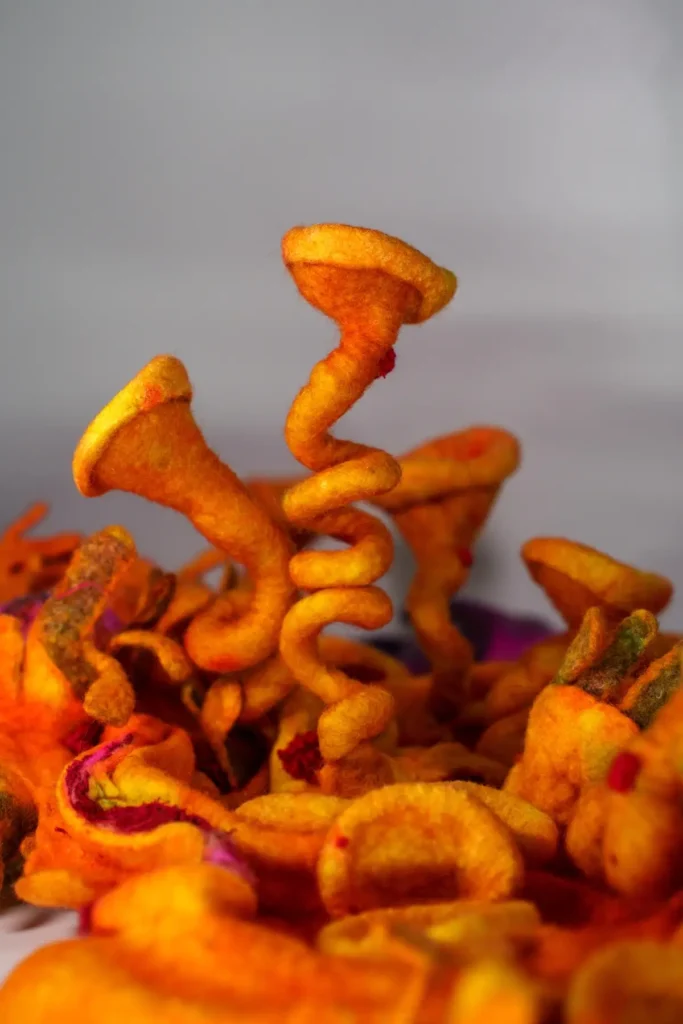
Your sculptures often begin with ideas that many people overlook, from viruses to tiny organisms to imaginary creatures. What attracts you to subjects others might not immediately see as beautiful?
It is more that I deloy my insecurities to heal emotions and see the impact others have had on me as a result of their insecurities.
As a brave and open person, my weak spots are other people’s mediocrity and fear, but I have to accept that their insecurities are part of Mother Nature and learn to navigate through them.
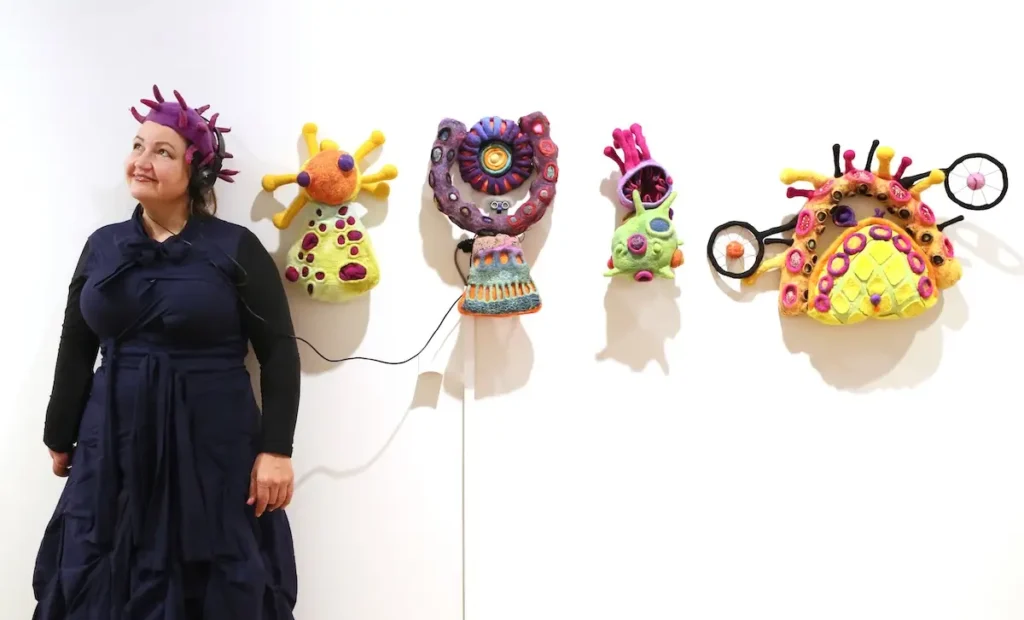
Your Fofusaka Creatures seem to have their own personalities. How do they first appear in your mind?
Oh, they start from a really dark place.
Each Fofusaka Creature is a deeply personal story of forgiveness and the magic of creating love and truth in times of darkness. These particular creatures are informed by that darkness which challenges us. Reality is no longer an option. Accountability is an insult. Being human is allowed to a small, selected few.
I call it the final sting of the dying breed who tries to drag the true heroes with themselves into the abyss of darkness. What is coming is light and strength, so the small contorted creature is just a silly shape that evokes the opposite of what it portrays – it is joyful and original. As is always the outcome from challenges we are ready for.
Fofusaka Creatures are my response to people’s insecurities and my personal confrontation of darkness.
I made those joyful creatures to heal. The creatures are very, very generous to me. I have participated in World Craft Council show with them, was at the front of the Irish Times, and got loyal clients as a result of them. I feel that clients enjoy that each Fofusaka is a portrait of the muse that inspired her. They are all Karens. They are also often developed in their presence.
As an immigrant, a disabled woman, a carer and wife to an English bloke in Ireland, it is easy for local Karens to feed my inspiration. The thing is, I often develop opportunities where I give them a chance to express themselves through my workshop engagements. Nevertheless, I am an immigrant, a disabled woman, a carer and a wife to an English bloke. They would just have to be made to live with the acceptance that I am also a committed practitioner, fearless collaborator, and lucky to have my work understood and needed in the cultural Zeist.
Is curiosity something you intentionally practice, or has it simply always been part of who you are?
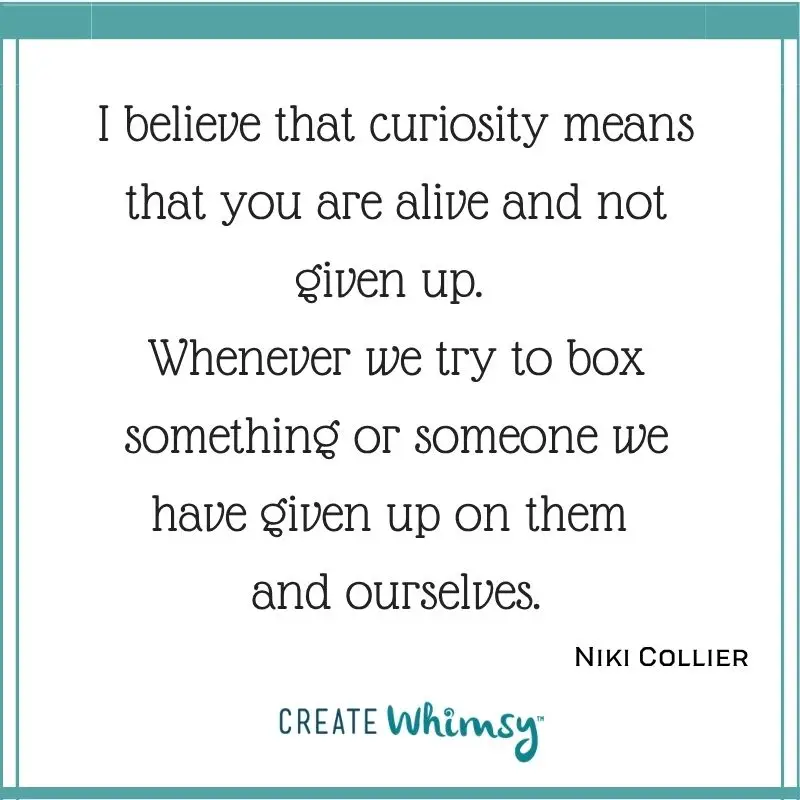
Both I think. I believe that curiosity means that you are alive and have not given up.
Whenever we try to box something or someone, we have given up on them and ourselves. Also, I often find that we seem to be killing curiosity in others due to our own insecurities. So I try to stay curious.
Describe your creative space.
My studio is a destination for buying original artisan work directly or experiencing the making process in real time.
Set in a professional creative space amongst some of the most influential artists in Ireland, throbbing in the heart of Dublin city, it is a special community space. My woman-cave is home to a ton of wool, a kilometre of silk, and over 500 tools you can get your hands on and play with, creating your very own hat, scarf, or garment from local luxury wool.
The studio concept, in its bespoke fitting, pays homage to both process and heritage.
The workbench is built for felting. The free-standing walk-in wardrobe is designed to protect the heritage building. The tool wall displays my original felting rollers and amazing scissors collection. All of it is fleshed out in copper pipe and beech wood.
The desire is to showcase the feltmaking process –hot water makes wool fibres a fabric (hence the pipes), and then the fabric is finished on grooved wooden boards and hat blocks (hence the wood fitting). The copper pipes allow multifunctional use as well as easy transformation. They are configured both as frames in the display area, shelving units for hat blocks, and boiler and hangers for scarves or towels.
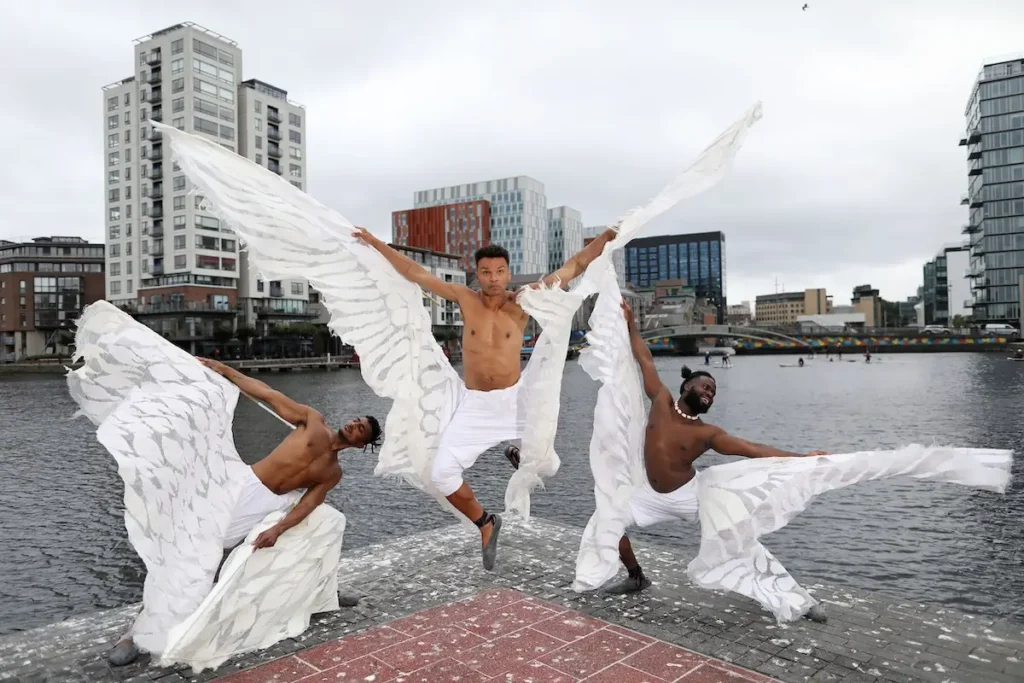
Wool is at the center of your practice. What keeps you excited about exploring this material after so many years?
It is limitless. Limitless.
It comes from humble origins- literally grows every year as a coat of a creature and needs to be sheared in order for the creature to live its best life.
Due to its abandonment, it can be used for everything – simple making just grab a handful and make a picture, a small sculpture, or a hat. It also lends itself to the most sophisticated fashion projects – cold wool fabric is the dream of Savile Row tailors, or building projects – you could build a house from wool! It carries its local DNA.
It adapts to the land and the climate. It is ready to disappear after it has served its purpose. There are varieties that work for each idea one has, and there is wool that would never let you tame it, but will generously teach you a lot.
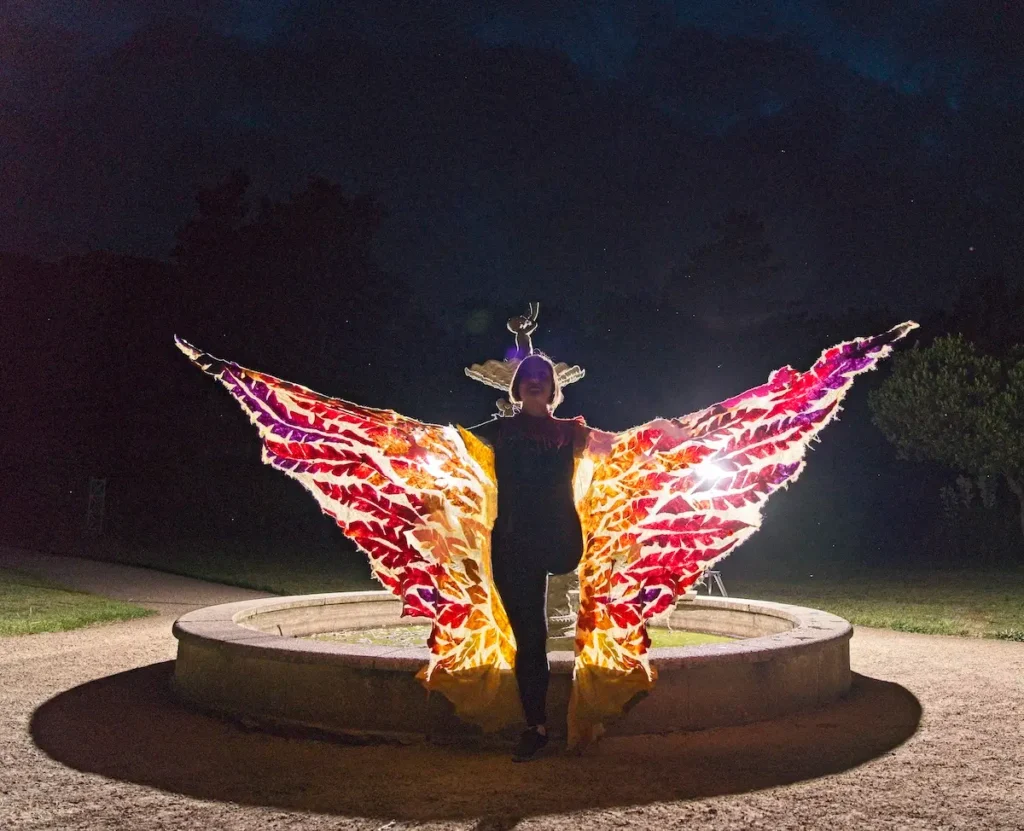
Your work ranges from wearable art to sculpture and installation. Does your studio change depending on what you’re creating?
Well, it seems to become a Frances Bacon abode whenever I start a new project.
My workbench has a mechanism which enables it to vary in height. And although I have 50 scissors on my tool wall, I can never find them as they hide under wool and cloth, which disperses around the studio while I work. My studio reflects very clearly the stage.
Your pieces often include incredible texture. How much of that comes from careful planning, and how much comes from letting the fibers lead the way?
My work is intentional. Most comes from careful planning.
In fact, it is often a fight to make sure that my hand and skill catch up with the image in my head. Sometimes when I am stuck, I go to masterclasses with the intention to learn the principles that would enable me to make my work. I do not like working by letting the fibres lead the way, as I always use the medium to say something, not usually to make something…..It starts with a concept and a question, so I need to embody it in a conversation that is clear and captivating.
Where does a new body of work usually begin: with a question, an emotion, a material, or something completely unexpected?
Oh, it starts from a place of intensity, joy, fear, anger, happiness.
I know something has truly captured my imagination because I want to felt it. Texture, event, human villain or hero. I want to embody it in felt.
In each process, I humble myself to be curious, not judgmental, as eventually the aim is to bring light into darkness.
If the starting point is filled with big pain, it takes time to discover the humanity narrative, but I stay curious and strong. And often remind myself that felt gets stronger through trial.
Many of your projects invite conversation rather than simply observation. What do you hope people talk about after seeing your work?
I hope people talk about themselves with forgiveness. I hope my work reminds them to be curious and curtails the lazy desire to hurt someone because they are afraid of them.
Is perfection something you chase, or have you learned to welcome imperfections along the way?
I believe the work I put out there as a professional artist should be executed to perfection, made with intention and installed professionally.
Most recently, this got me into disadvantage with a community-led organisation, as they did not want to include my work unless it showed a tacky frame. I had to politely decline participation. I am too long in the game to be cutting corners. It is irresponsible and hurts the industry if someone with my experience starts to phone it in.
On the other hand, while I am teaching, I remind everyone that we are all a work in progress and need to explore ourselves through art and different mediums. And I create a safe space for people to do so. I treat every beginner as an artist; I encourage their self-expression and applaud unusual outcomes and approaches.
Your work has grown from functional felt pieces to ambitious sculptures, installations, and performances. What has driven that evolution?
Oh, I was in it for the scary part from the start. It was the personal work that mattered to me. But I needed to develop skills and try to build a network.
Meanwhile even my multiples had very strong messages and were developed through rigorous conceptual and design processes. Once the necessary level of skills was developed, I reaped beautiful engagements with the British Museum and Hillary Foundation.
Still, I needed to focus and be brave to engage with my personal work and through meaningful collaborations. So I did. We are all work in progress, though – at present, I seem to be not able to find my clique. And the void is a bit of an exploration.
What part of being a professional artist brings you the greatest joy that people rarely get to see?
The moment something is done. The moment a piece is installed, and it looks right, and it belongs. It is ready to live outside the story and beyond the studio.
The quiet moment that I see my work outside my own being and belonging here and now is the quiet joy that you cannot explain. Intimate, liberating quiet beauty.
What advice would you give someone who is just starting with fiber art?
Find your voice, communicate your work and be clear and strong.
Where can people see your work?
Museums, Office of Public Works, Bulgarian Embassy, private collections, World Crafts Council Shows. Unesco Heritage Sites.
Website: https://www.nikicollier.com/
Instagram: https://www.instagram.com/nikicollierfelt/
Rapid-Fire Fun
- One material you’ve never worked with but would love to explore? glass
- Favorite color right now? The colour of wool
- A place that sparks creativity? The village where we are building a house – Palamartsa, Bulgaria
- One tool you always keep within reach? Scissors
- What is bringing you joy right now? I am looking for joy at present. I am at the onset of the project exploring festivals of fear, so there is a lot of processing and a lot of workshop engagements and interviews. I have started making the first objects in the project, and they fill me with insecurities and wonder. My next engagement is a solo show with a strong installation strand at Culture Night- a festival in Dublin celebrating venues that home creative live. I am launching my solo show, “Monsters and Me”, the result of a year of reconnaissance into the culture of festivals celebrating fear and transformation. The multidisciplinary conversation draws from participatory art events exploring Bulgarian Kukeri and Irish Mummers traditions. The exhibition features masks and sculptural works that examine identity, ritual, and collective memory. The event includes a live performance and an artist talk.
Interview published September 2026
Explore more felt projects and inspiration on Create Whimsy.