
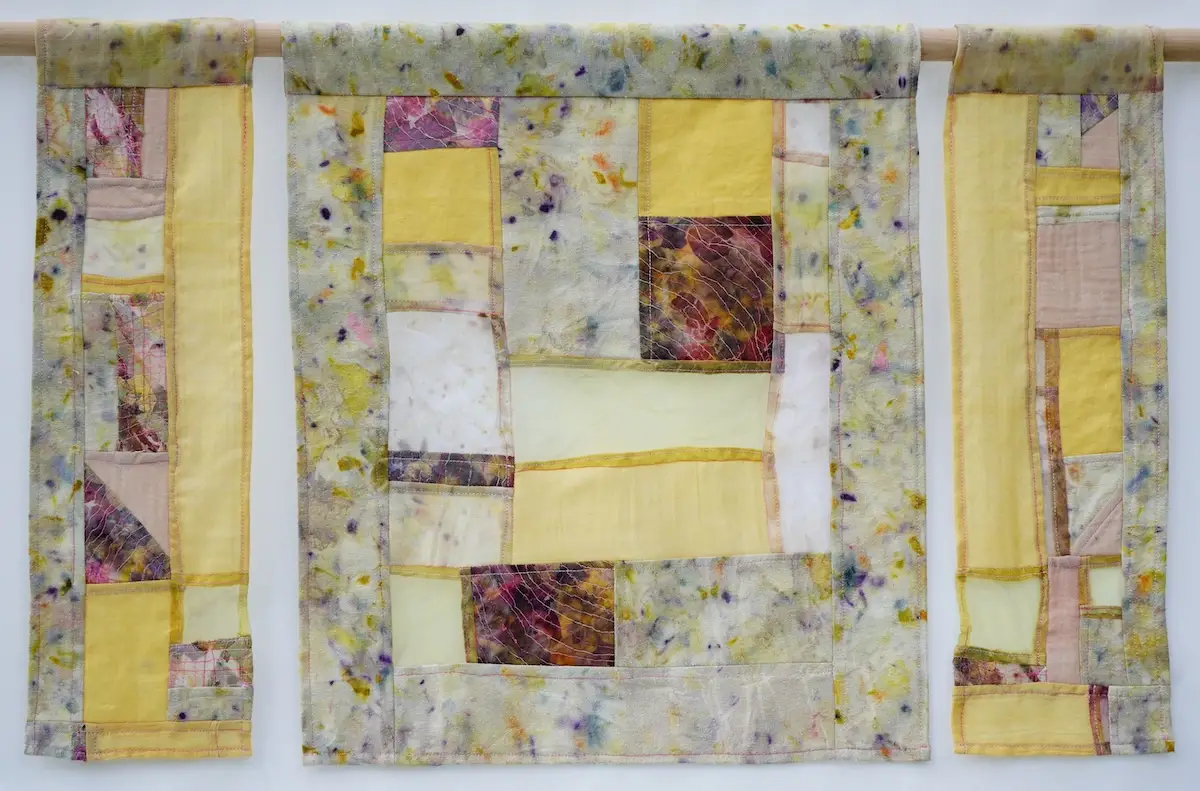
Paige St-Pierre turns plants, cloth, and care into something quietly magical. What began with a toy sewing machine and a dress that didn’t last has grown into a thoughtful practice rooted in nature, repair, and hope.
From garden-grown dyes to mended garments, Paige’s work tells stories of second chances—where every leaf, stitch, and color has something to say.

Can you take us back to where your story with cloth and stitch began?
I’ve always been inspired by all things second-hand or handmade. As a child, I used a toy sewing machine to make my first ‘dress’ from scrap pieces of a brown and orange floral curtain embellished with orange rick-rack. I was so sad when it fell apart two hours later.
At thirteen, I was gifted my late grandmother’s 1960s mint green Singer sewing machine. This time, I enlisted my great aunt to help me make a navy-blue baby doll dress, which I wore with ruby red shoes. When asked by classmates where I bought my dress, I would smile and proudly exclaim, “I made it!” I didn’t know it then, but a lifelong love of pattern, texture, and fashion design had already begun.
As an Amazon Associate I earn from qualifying purchases. Read more about our affiliate linking policy.
What did those early days of building your creative practice actually look like—messy, exciting, uncertain?
All of the above. It would take a master’s degree in education, a teaching career, and the births of my children before I would listen to the call of my creative practice beckoning me back. Now an adult, I tried to teach myself to sew again, but after many frustrating stops and starts, I gathered the courage to finally fulfill a lifelong dream, and I enrolled in an apparel design program. I bought myself my first industrial Juki straight stitch sewing machine and spent copious long hours sewing and pattern making in hopes of learning how to make it in the fashion industry.
COVID had hit just before graduation, so, with no job prospects in sight and lots of time on my hands, I turned to researching more about what my career in the fashion industry would entail. Once my eyes were opened to the detrimental effects that garment production and synthetic dyes have on the environment and garment workers worldwide, I was spurred to pivot the direction of this new career. I started reading everything I could find about sustainable fashion, garment workers’ rights around the world and the viability of large-scale natural dye production. I also taught myself how to visibly mend my family’s clothes, and I even started teaching mending and upcycling classes to others.
It was around this same time that I attended my first natural dye workshop taught by founder Kathy Hattori of Botanical Colors. I ended the workshop with many pieces of hand-dyed silk in a rainbow of hues that I never would have imagined one could achieve from plants. That day marks when I officially fell down the rabbit hole into the wonderful world of natural dyes!
Do you remember the first time you saw color emerge from plants and felt that spark?
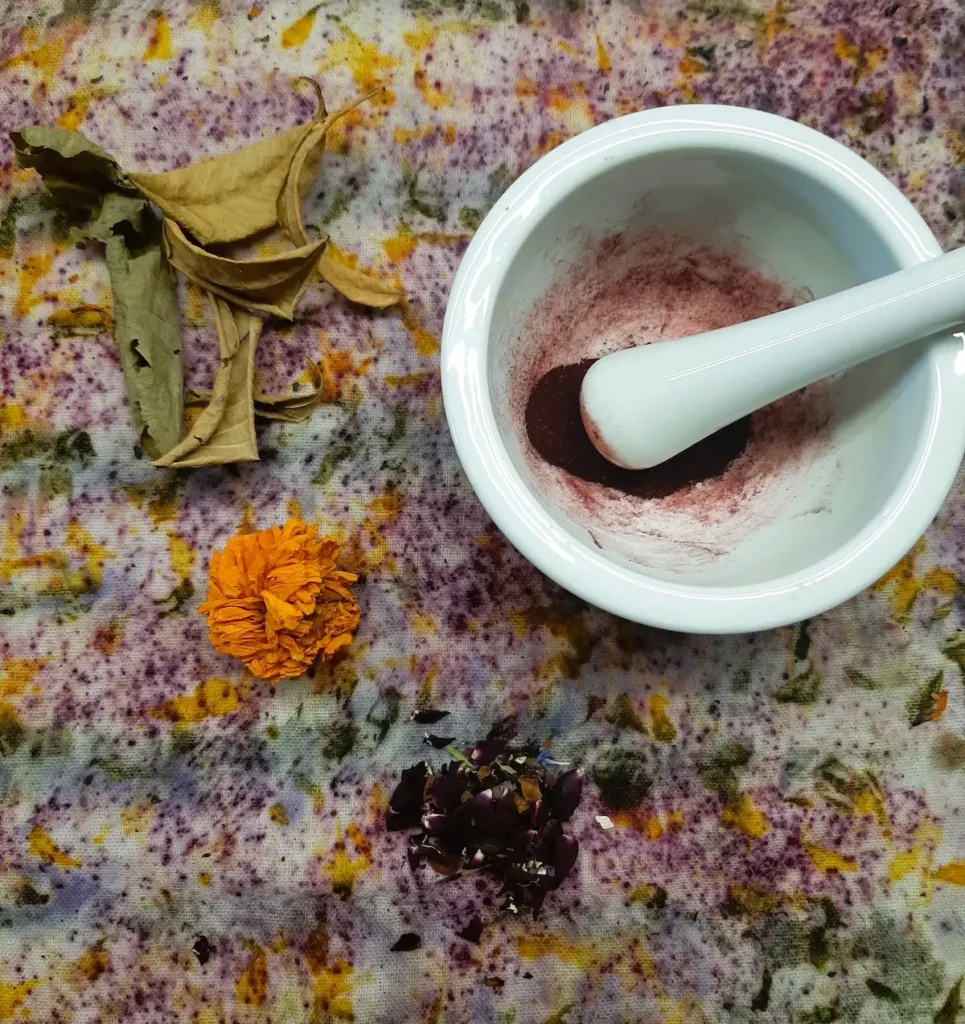
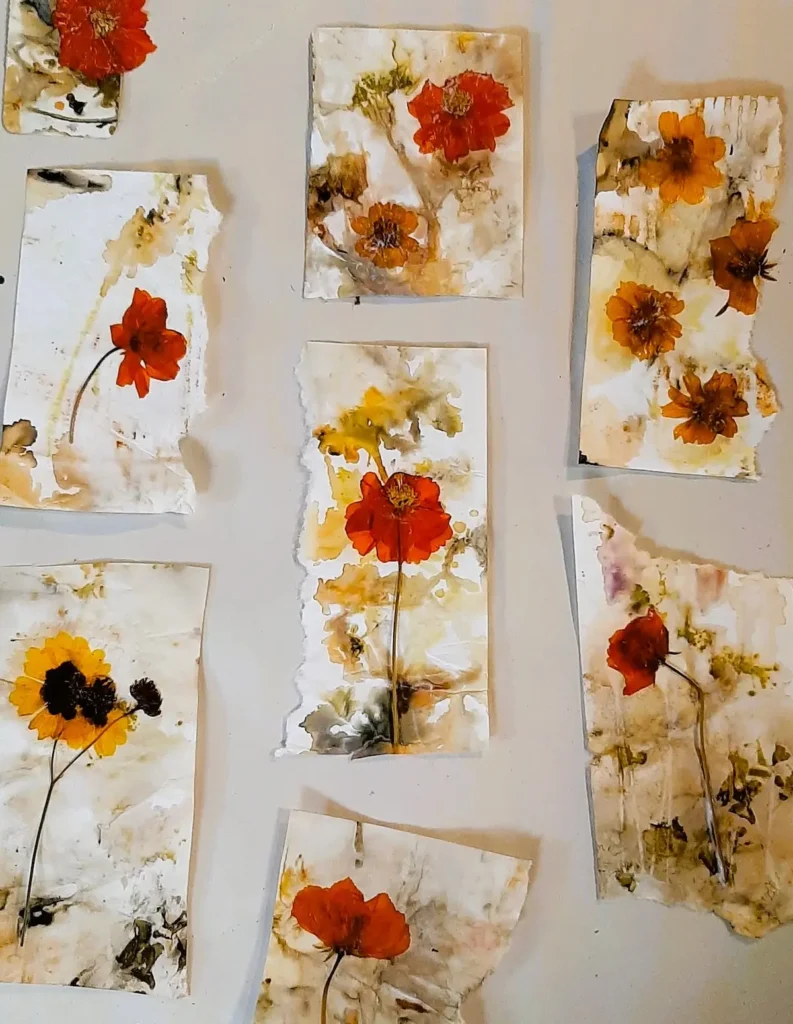
Yes! It was the first time I tried eco printing. I just couldn’t get over how I could simply pick flowers from my garden, roll them onto a piece of cloth, and use steam to magically infuse the colors into the cloth. It never gets old because no print ever comes out exactly the same.
How does your backyard dye garden influence your creative decisions? Are there particular seasons that feel more creatively alive for you?
Spring is a time of reflection on the previous year’s dye yield as well as a time of hopeful anticipation for those first little seedlings.
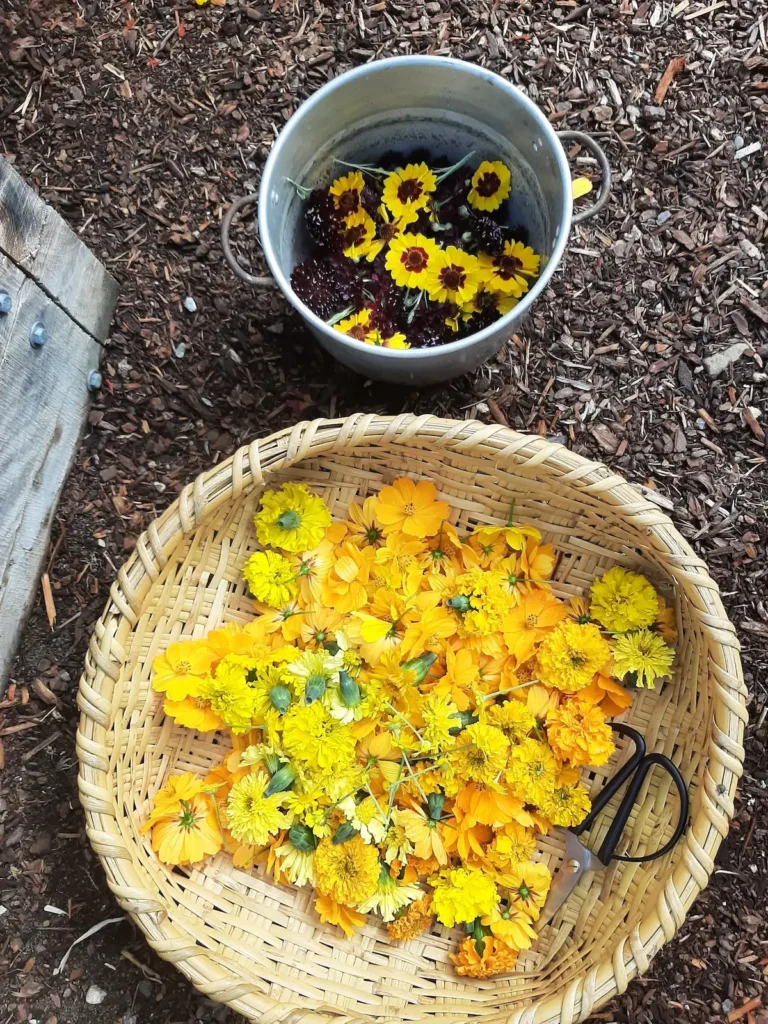
Of course, summer is the perennial showstopper of the year, always overflowing with botanical abundance. I tend to be quite busy watering, harvesting, and drying flowers during the summer months in preparation for the quieter months in the fall and winter.
I’m always sad when the last of summer’s flowers have withered, but I have come to really appreciate the colors, shapes, and textures of leaves that fall brings. I think eco printing is the truest way of capturing the fleeting flight of autumn leaves.
The cooler winter months bring snow and a perfect chance for ice dyeing. Winter allows me to slow down and experiment with overdyeing or to create a range of colors by using different pH modifiers in the dye bath. In winter, there is finally time to study new surface design techniques and play with all of summer’s harvested color.
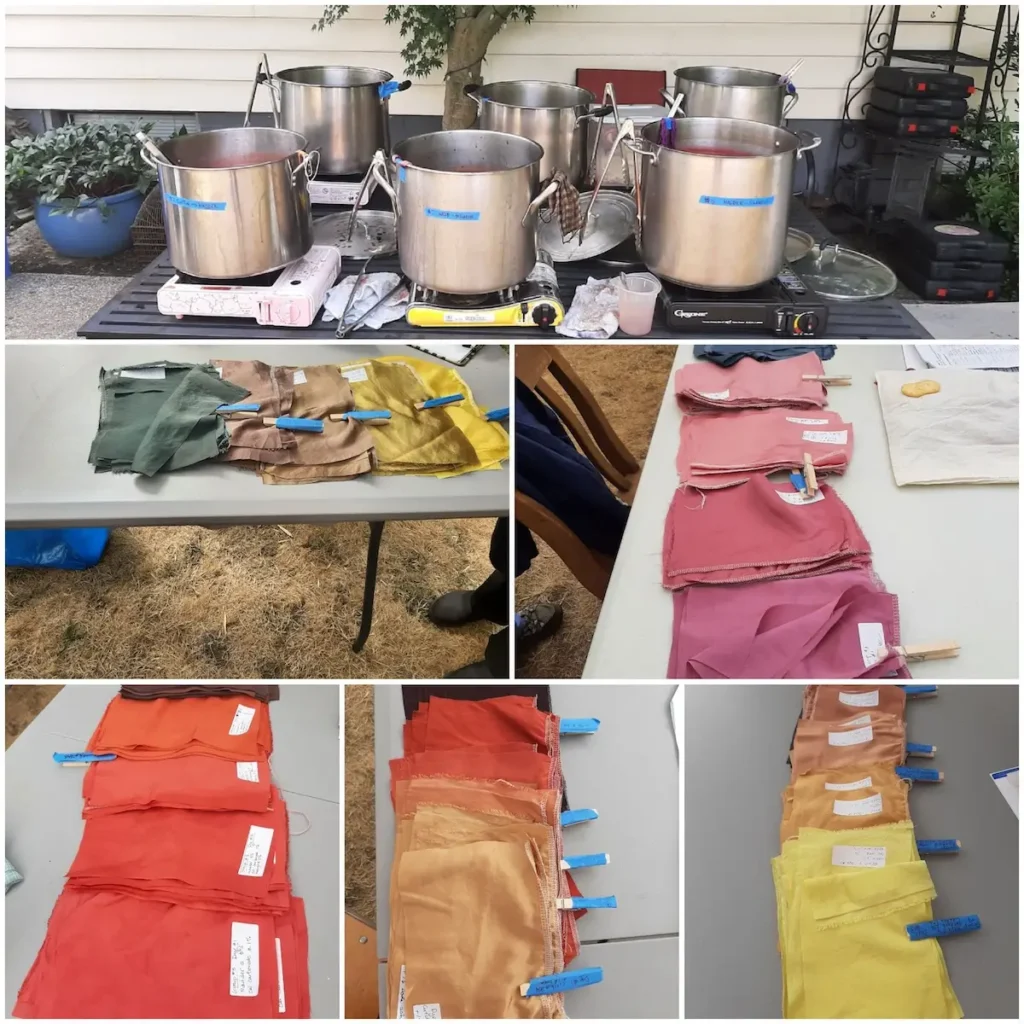
Over time, I have become more intentional in the types of flowers and plants I grow based on what thrives best in my region’s particular climate and soil. Mordants and color-changing modifiers play an important role in the amount and variety of colors one can coax from different plants.
How do you balance experimentation with intention in your process?
I usually start out with a general theme and sketch out a loose plan of what I want to the final project to look like. During the dyeing process, I observe and take notes, but ultimately, I let the plants guide both my inspiration and the outcome of the finished pieces.
How important is slowness in your practice?
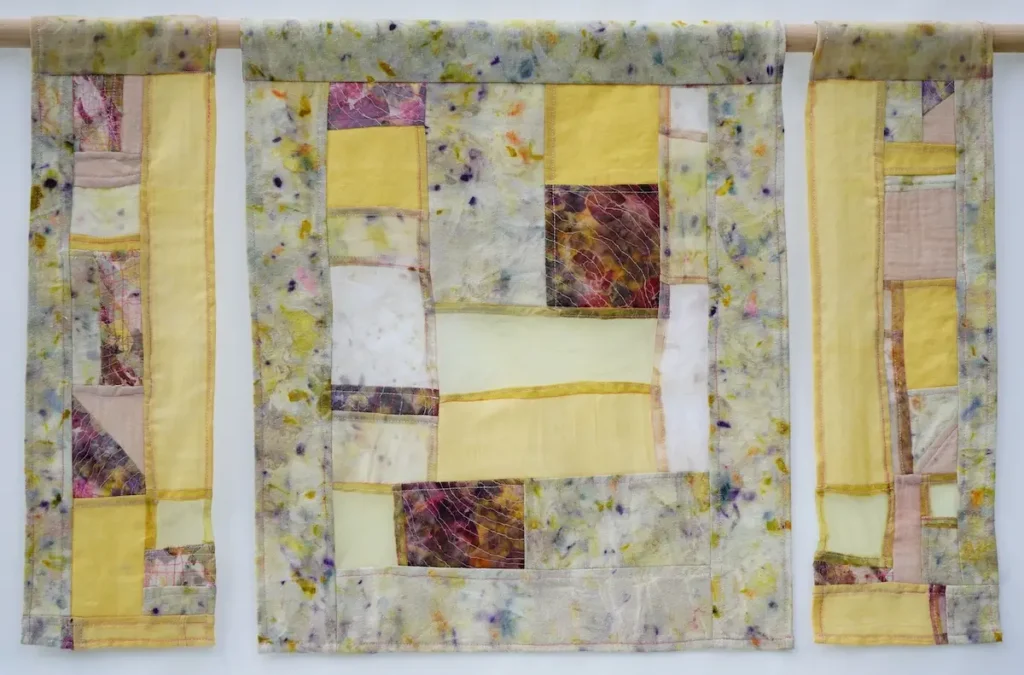
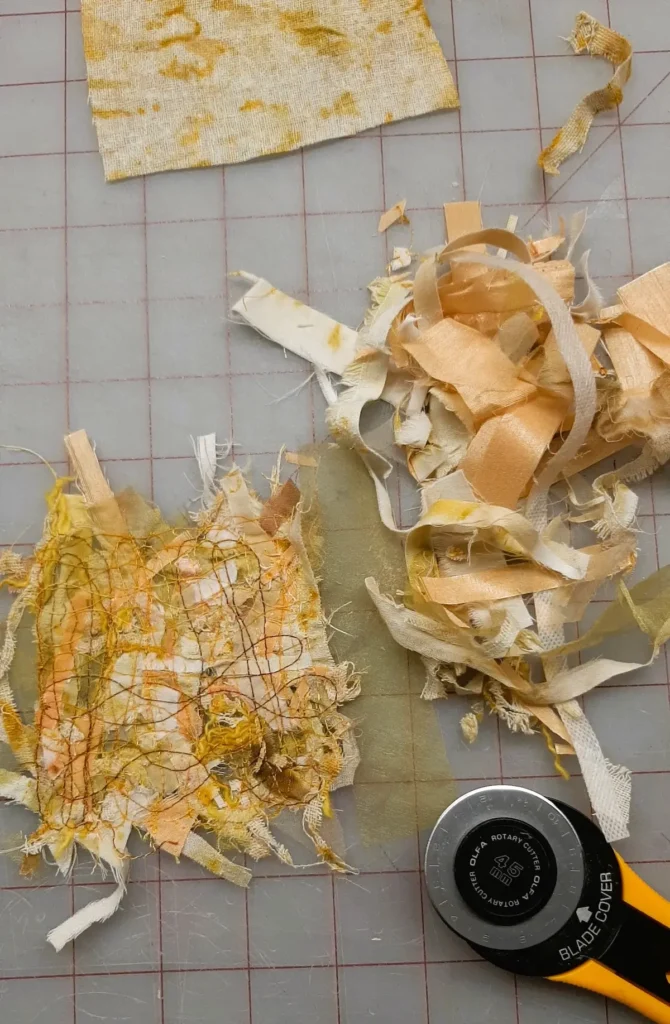
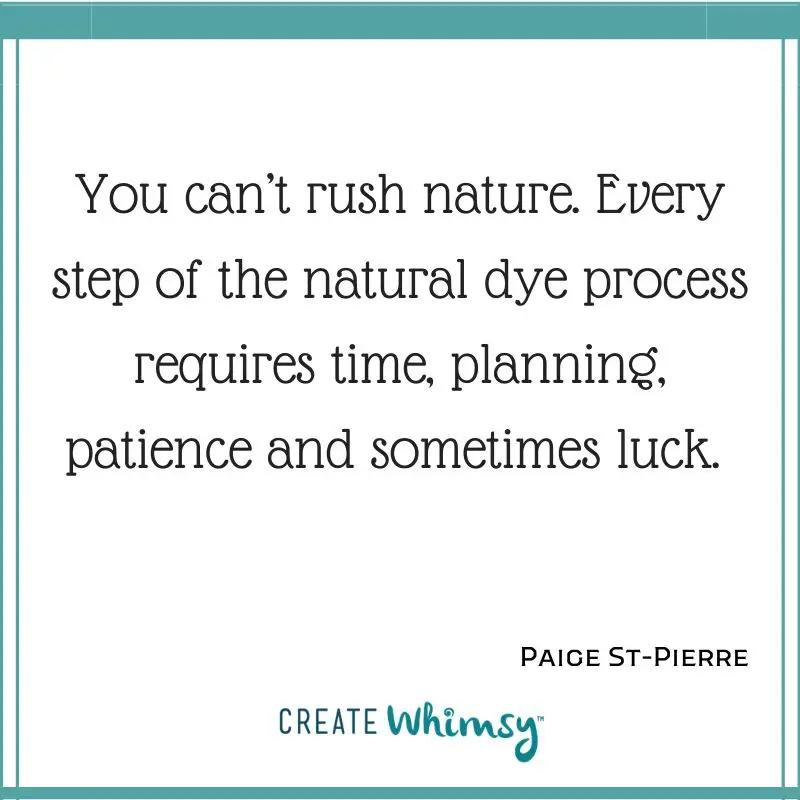
You can’t rush nature. Every step of the natural dye process requires time, planning, patience and sometimes luck.
How do you handle moments when things don’t go as planned (especially with unpredictable natural dyes)?
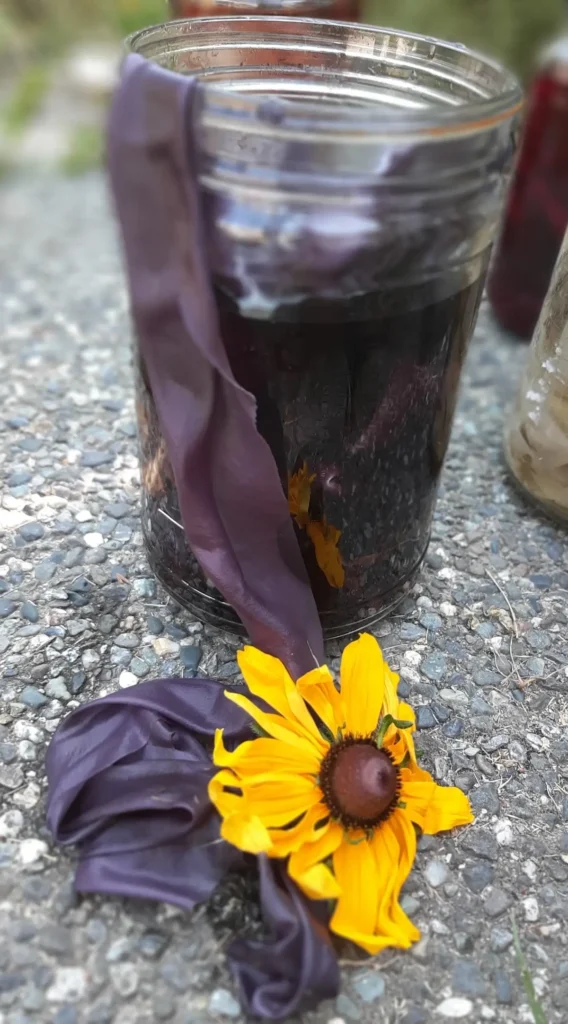
As a natural dyer, I am part gardener, chemist, alchemist, chromatist, researcher, and teacher. I revel in experimenting with the ephemeral beauty of natural color.
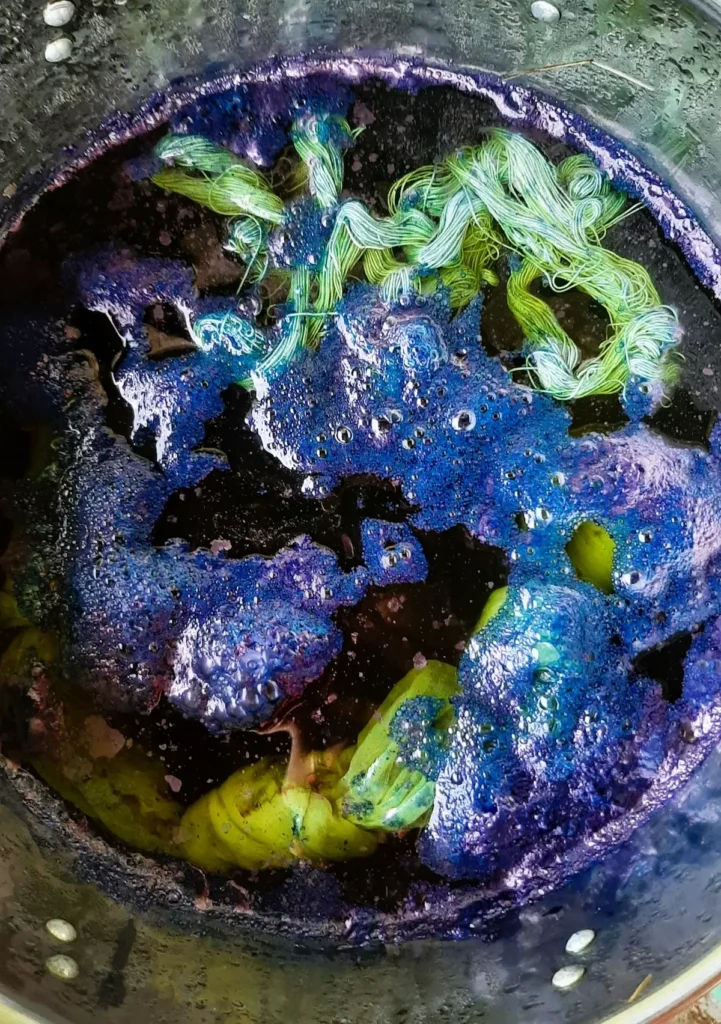
I’m constantly learning from my mistakes since there are so many factors involved which impact how a color ends up imprinting on cloth. For example, the pH of your local water, the time of year you harvest the plants, whether you dye with fresh, dried, or frozen plant matter, whether you steam, simmer, or boil your dye bath, the types of mordants you use, and fabric composition are all factors which can affect the final outcome.
Your work explores themes of healing and repair—what does “repair” mean to you as an artist?
Repair is the antidote to overconsumption and waste.
Repair reveals our innate creativity and ingenuity because it requires us to learn new things, think critically, and have faith in our abilities.
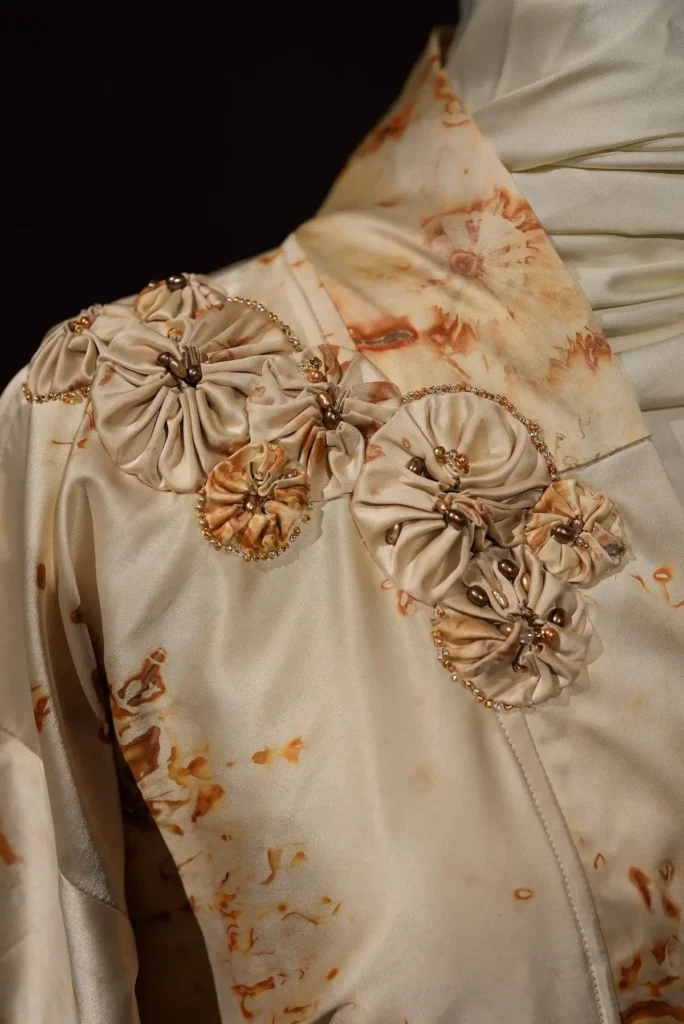
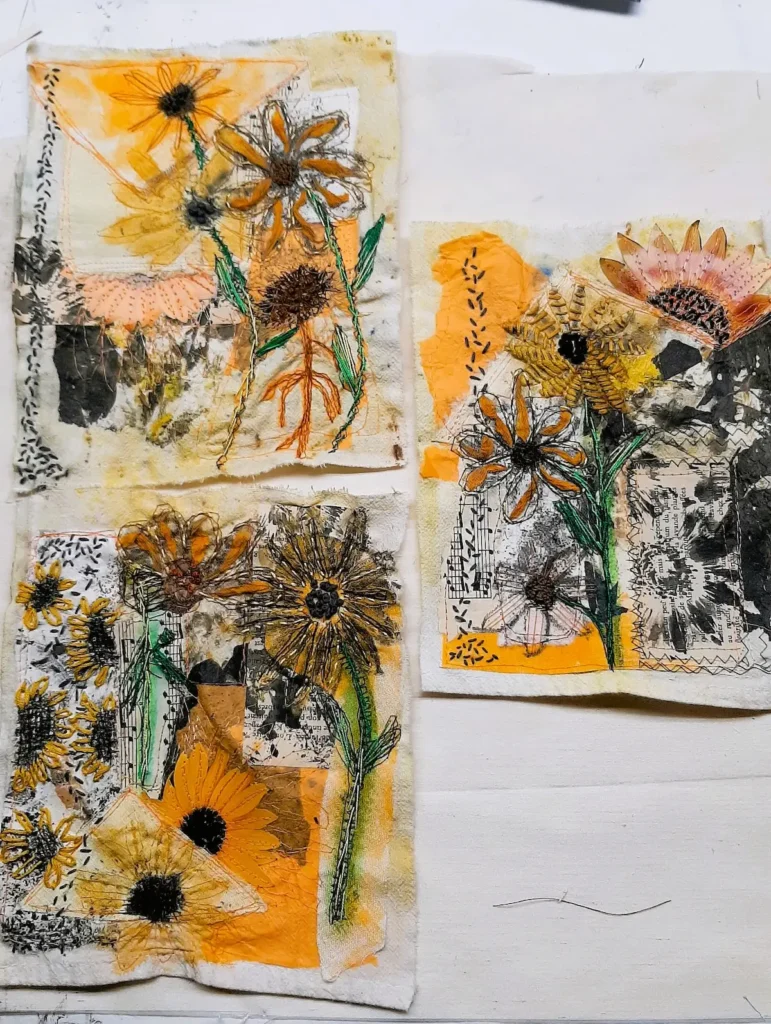
As an artist, I see beauty and value in the discarded and overlooked. The act of repair provides me with a renewed sense of hope, sparks my curiosity, and makes me question assumptions of irreparability because nothing is waste until it’s wasted.
What advice would you give someone just starting to explore fiber art or natural dyeing?
Fiber art is a very forgiving art form. Just start!
You can learn and perfect your skills along the way. The materials you need to start creating are low-cost and some of them are probably already in your closet. Also, fiber folks are very welcoming and love to share their knowledge with others. So, don’t be afraid to join a local stitching club.
Allow yourself to give up perfection and embrace the perfectly imperfect process of working with natural dyes! It takes patience, a lot of trial and error, and assiduous note-taking, but it is so rewarding.
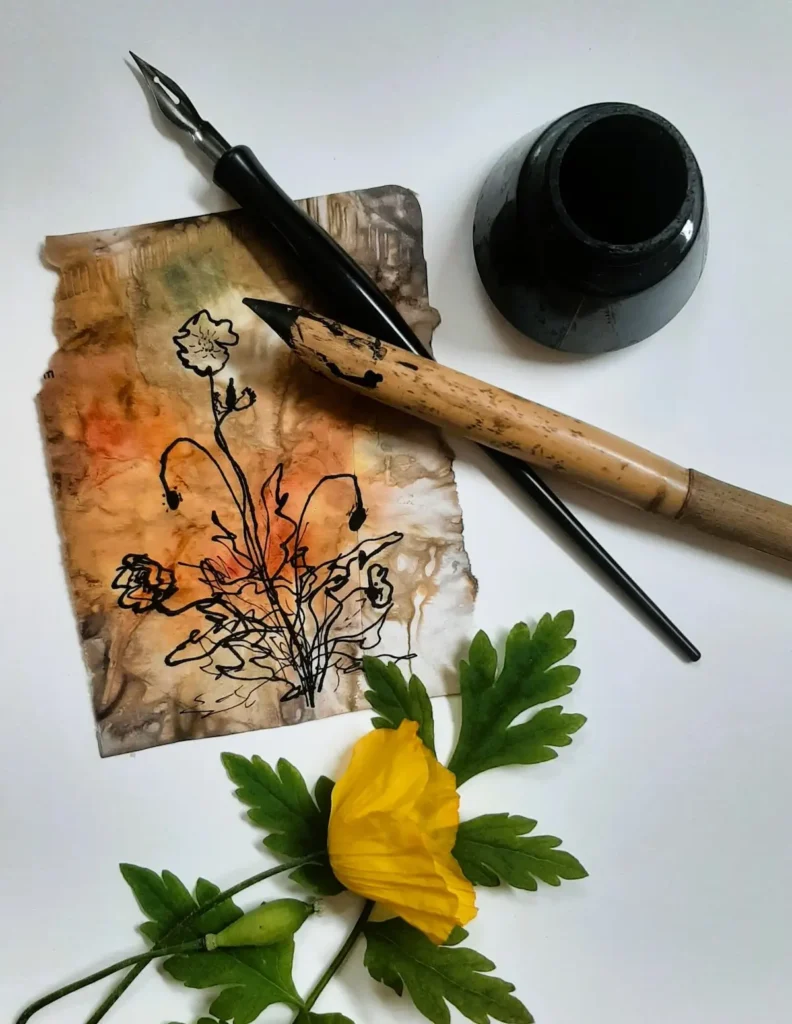
Start simply. You don’t need any fancy equipment. You can dye with what’s already in your kitchen, be it avocado pits, onion skins, or even weeds in your yard!
To save yourself some frustration and to protect your health, I recommend investing in a beginner’s natural dye book and a plant identifier book or app.
Be sure to put health and safety front and center.
Just because it’s natural doesn’t mean it can’t be potentially harmful.
What do you hope people feel when they wear or experience your work?
I would like my work to serve as a catalyst for questioning our global and personal roles concerning textile waste and pollution.
My work serves as a tactile reminder of how important it is to honor and cherish Earth’s limited natural resources. When people experience my work, I would like that they feel hopeful and empowered rather than guilty or demoralized. I hope my work also inspires people to learn and share dyeing and mending skills so they can re-imagine textile ‘waste’ for themselves and their communities.
Where can people see your work?
https://www.paigest-pierre.com
https://www.instagram.com/paigestpierreapparel
https://www.artworkarchive.com/profile/paige-st-pierre
Interview posted May 2025
Explore more eco-printing and dying projects and inspiration on Create Whimsy.